Understanding Blood Testing: At-Home vs. In-Lab
Blood testing is an integral part of managing your health, especially when undergoing peptide therapy. Whether you choose at-home testing or a traditional lab draw, understanding what works best for you and why baseline labs matter is essential.
At-Home Blood Testing
At-home blood testing has gained popularity due to its convenience and accessibility. Here are some advantages:
- Convenience: Collect your samples in the comfort of your home, avoiding the need for travel and waiting rooms.
- Privacy: Many people feel more comfortable managing their health in a private setting.
- Flexibility: Complete tests on your own schedule, making it easier to fit health management into your daily life.
However, there are considerations:
- Accuracy: Depending on the test, some at-home kits may not be as accurate as lab tests conducted by professionals.
- Limited Scope: Often, at-home tests focus on specific markers, which may not provide a comprehensive overview of your health.
At pepti, we offer physician-reviewed blood testing with at-home collection kits that allow you to monitor various hormone, metabolic, thyroid, and nutrient levels. This can be particularly beneficial for those utilizing our NAD+ Capsules or NAD+ Injection to enhance cellular energy.
In-Lab Blood Testing
On the other hand, in-lab blood testing remains the gold standard for many reasons:
- Comprehensive Analysis: Lab tests can offer a broader array of biomarkers, providing a detailed look at your health.
- Professional Oversight: Trained technicians perform the draw, reducing the chances of error in sample collection.
- Precision and Reliability: Lab equipment tends to be more advanced, which can lead to more accurate results.
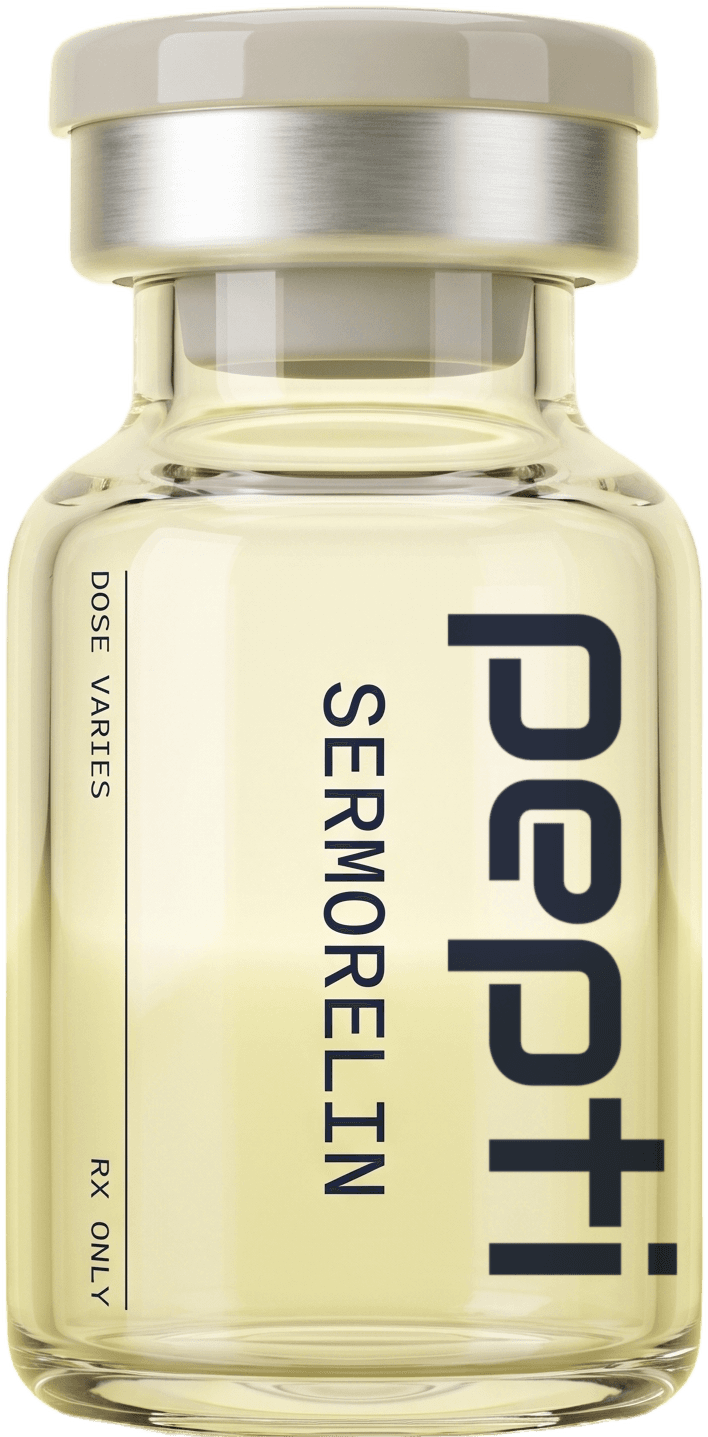
While in-lab testing involves scheduling appointments and can be less convenient, the thoroughness often outweighs these inconveniences. For individuals on peptide therapies, understanding your health metrics through baseline tests ensures that treatments like Sermorelin or PT-141 are safe and effective.
Why Baseline Labs Matter
Establishing a baseline through comprehensive bloodwork before starting peptide therapy is crucial. Here's why:
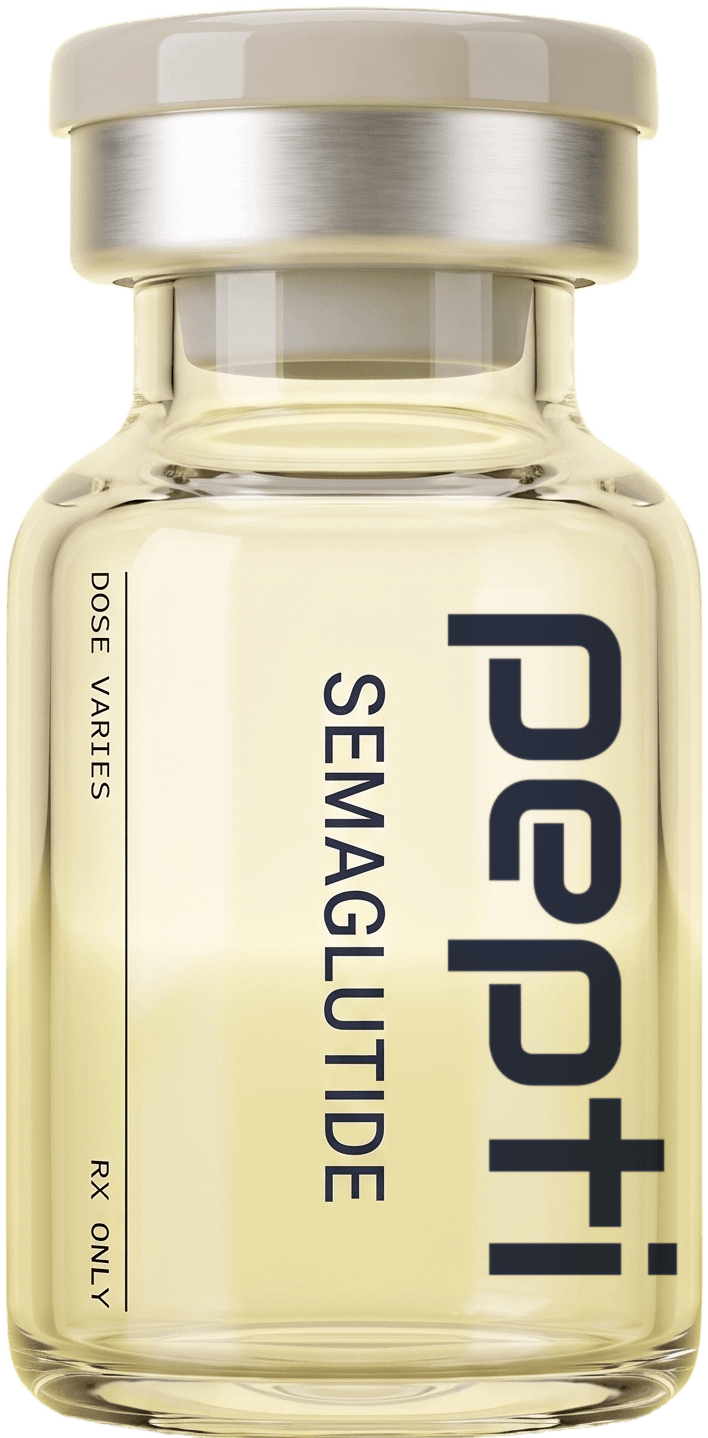
- Personalized Treatment: Baseline labs help your provider tailor your treatment to your specific needs. This is essential for peptides like Semaglutide, which requires close monitoring to optimize weight management outcomes.
- Tracking Progress: Follow-up labs allow for tracking changes over time, helping you and your provider assess how well the therapy is working and make necessary adjustments.
- Safety First: Regular monitoring can help catch potential issues early, ensuring that your peptide therapy continues to be both safe and effective.
At Pepti, we understand the importance of blood testing. That’s why we include a standard panel free of charge with any peptide order. To learn more about our testing services, visit our blood testing page or check out the biomarkers we test.
Frequently asked questions
What are the main differences between at-home and in-lab blood testing?
At-home testing offers convenience and privacy, but may lack the depth and accuracy of in-lab tests. In contrast, lab tests provide a comprehensive analysis and greater reliability, making them ideal for detailed health assessments.
Why should I have baseline bloodwork done before starting peptide therapy?
Baseline bloodwork establishes a starting point for your health metrics, allowing your provider to tailor your peptide treatment effectively. It also helps in monitoring your progress and ensuring safety throughout the therapy.
How often should I get my blood tested when using peptides?
The frequency of blood testing can vary based on the specific peptide therapy and individual health needs. Generally, follow-up tests are recommended every 3-6 months to track progress and adjust dosages as necessary.
If you're ready to take control of your health, start your journey with a free assessment at pepti.