Why Bloodwork Matters: The Foundation of Effective Therapy
If you’re considering peptide or hormone therapy—like PT-141 for intimate wellness, or testosterone replacement—it’s tempting to want to dive right in. But before any prescription, a key step stands between you and a safe, effective plan: bloodwork.
At [pepti], we view baseline and follow-up blood testing as your therapy’s compass. Here’s why it’s non-negotiable for your safety, your results, and your overall health.
Baseline Bloodwork: Know Where You Start
You can’t improve what you don’t measure. Your body’s unique fingerprint—its hormones, metabolic markers, and nutrient status—tells your provider what’s working and what needs adjustment.
Baseline bloodwork helps:
- Identify underlying imbalances (like low testosterone, thyroid, or vitamin D)
- Ensure safety by ruling out contraindications
- Tailor dosing to your needs, not a generic average
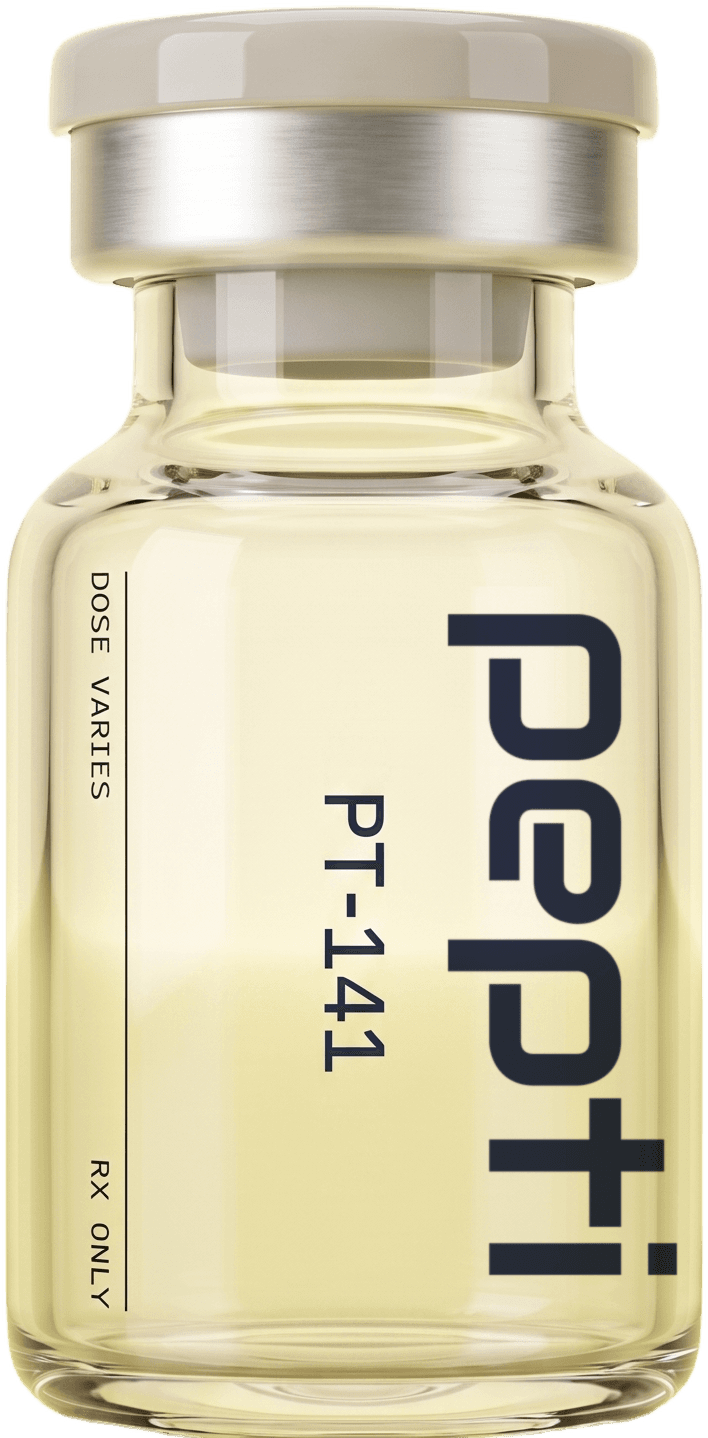
For example, before starting PT-141 (injectable) or Testosterone Cypionate, knowing your hormone and metabolic panel gives your provider the full picture. For a full list of what we test, check out our biomarkers we test.
Ongoing Labs: Monitor, Adjust, Optimize
Your body adapts over time—and so should your therapy. Follow-up bloodwork lets your physician:
- Track progress and real results, not just symptoms
- Catch side effects early (e.g., high hematocrit on testosterone)
- Adjust your protocol for best outcomes
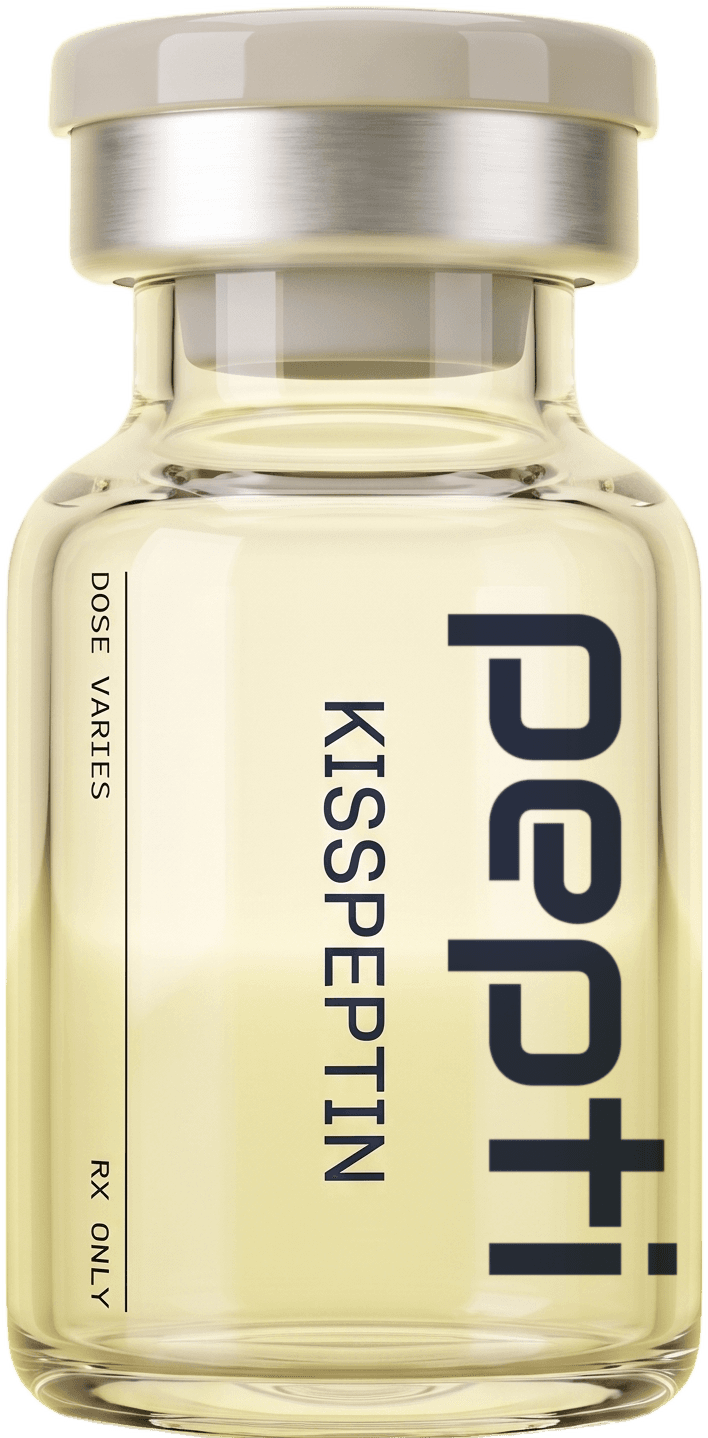
Let’s say you’re using Kisspeptin for hormonal balance, or Semaglutide for metabolic health. Routine labs help track changes in hormone levels, glucose, lipids, and more, ensuring benefits outweigh any risks.
Remember: What’s ideal for one patient could be excessive—or insufficient—for another. Ongoing labs are how [pepti] makes therapy personal.
What Panels Should You Get?
The right bloodwork depends on your goals and the therapy you’re considering. Here are common panels your pepti provider may recommend:
- Hormone panel: Estrogen, testosterone, LH/FSH, prolactin, sex hormone binding globulin (SHBG)
- Metabolic panel: Glucose, insulin, HbA1c, liver and kidney function
- Lipid panel: Cholesterol, triglycerides, LDL/HDL
- Thyroid panel: TSH, free T4, free T3, sometimes reverse T3 and antibodies
- Nutrient panel: Vitamin D, B12, iron studies, folate, minerals
If you’re starting with PT-141 for intimate wellness, a hormone panel can help uncover if there are underlying hormonal contributors to low libido or arousal.
At-Home vs. In-Lab Blood Testing
[pepti] lets you collect samples at home or visit a partner lab—whatever fits your schedule. Our blood testing is physician-reviewed, with a standard panel included free if your doctor requires it. No matter which option you choose, your provider gets the reliable data they need to keep your therapy safe.
What If You Skip Bloodwork?
It can be tempting to skip to the "good stuff," but here’s what skipping labs can mean:
- Missed safety issues: Undiagnosed conditions (like high blood pressure or prediabetes) can make certain therapies risky.
- Ineffective dosing: Without data, you’re guessing on how much and how often.
- Hidden side effects: Some issues (like liver stress or elevated red blood cells) show up on labs long before symptoms appear.
Bottom line: Bloodwork is not a bureaucratic hurdle. It’s the only way to get safe, results-driven peptide and hormone therapy.
How Often Should You Test?
- Before you start: Baseline labs are a must.
- After 6–12 weeks: Early follow-up to catch trends or side effects.
- Every 3–6 months: For ongoing therapy to optimize long-term results.
Your provider will personalize the schedule based on your therapy and risk factors.
What’s Special About pepti’s Approach?
At [pepti], your wellness plan is never "set and forget." We:
- Include the right blood testing up front (often at no extra cost)
- Test relevant biomarkers throughout your journey
- Use your results—not just symptoms—to dial in dosing, protocol changes, and safety
This commitment isn’t just about compliance. It’s about unlocking your best results, whether you’re optimizing intimacy with PT-141, aiming for hormonal balance with Kisspeptin, or boosting energy and metabolism with Semaglutide.
Frequently asked questions
Do I have to do bloodwork before starting PT-141 or hormone therapy?
Yes, baseline bloodwork is required for all prescription peptide and hormone therapies at pepti. It ensures your provider has a full, safe view of your health and can tailor treatment to your needs.
How often will I need to repeat labs during therapy?
Most patients will repeat bloodwork at 6–12 weeks after starting a new therapy, then every 3–6 months for ongoing monitoring. Your provider may recommend more frequent testing if needed for safety or dose adjustments.
What if my bloodwork shows something unexpected?
If your labs identify an issue—like abnormal hormone levels or metabolic markers—your provider will discuss options. This could mean adjusting therapy, addressing underlying conditions, or referring you to the right specialist.
Ready to get started? Take our free assessment at [pepti]/assessment and get matched with the right protocol—and the right testing—for your goals.