When it comes to healing from injury, speeding up tissue repair, and bouncing back faster from overuse or trauma, peptide therapies are gaining serious traction. Two of the most talked-about options—TB-500 and BPC-157—each have unique strengths. But which is right for your needs? And what happens when you combine them?
Let’s break down the science, uses, and best practices for these physician-prescribed recovery peptides, so you can choose your best path forward.
What is TB-500?
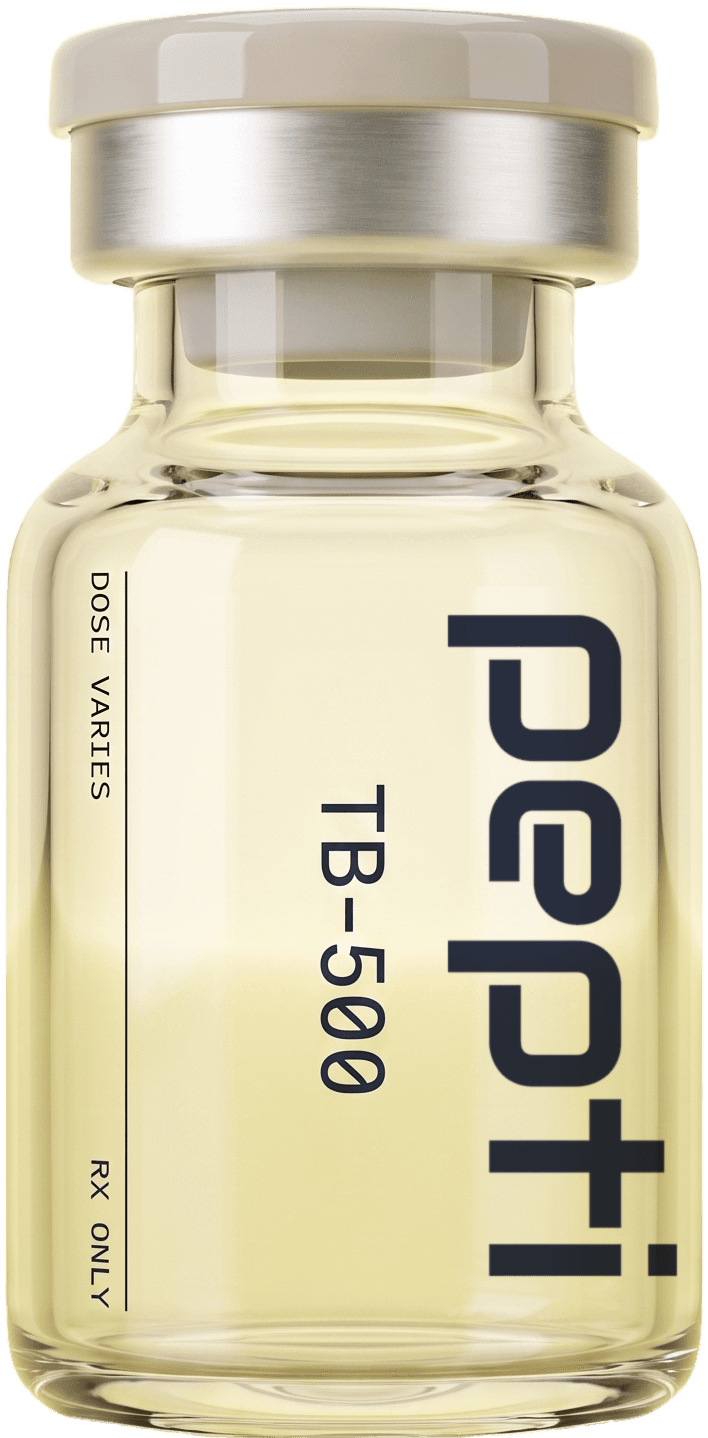
TB-500, also known as Thymosin Beta-4, is a synthetic version of a naturally occurring peptide found in animal tissues. It plays a central role in cellular migration, angiogenesis (formation of new blood vessels), and the repair of muscle, tendon, ligament, and even cardiac tissue. Athletes and those recovering from orthopedic injuries often turn to TB-500 for its potential to promote deep tissue repair and accelerate recovery timelines.
How does TB-500 work?
- Enhances cell migration: Stimulates movement of repair cells to the site of injury.
- Boosts angiogenesis: Encourages the growth of new blood vessels for improved oxygen and nutrient delivery.
- Reduces inflammation: May modulate cytokine activity for a healthier healing environment.
TB-500 is typically prescribed as a course of subcutaneous injections, with dosing and duration tailored to individual needs under physician supervision.
What is BPC-157?
BPC-157 is a synthetic peptide derived from a protein found in the human gastric system. Nicknamed the “body protection compound,” BPC-157 has been studied for its wide-ranging regenerative and anti-inflammatory effects. It’s often chosen for healing soft tissue injuries, reducing muscle and tendon discomfort, and even supporting gut health.
How does BPC-157 work?
- Accelerates healing: May stimulate growth factors and collagen production in muscles, tendons, ligaments, and skin.
- Improves blood flow: Supports revascularization within damaged tissues, speeding up repair.
- Gut support: Unique among peptides, BPC-157 has evidence for helping protect and heal gut lining—especially relevant for athletes or those with GI issues.
Available as both an injectable and oral capsule, BPC-157 can be used flexibly depending on the clinical scenario.
Side-by-Side: TB-500 vs BPC-157
| Feature | TB-500 | BPC-157 |
|---|---|---|
| Main Application | Deep tissue repair | Accelerated healing, gut |
| Mechanism | Cell migration, angiogenesis | Growth factors, collagen |
| Tissue Targets | Muscle, tendon, ligament, heart | Muscle, tendon, ligament, skin, gut |
| Anti-Inflammatory | Yes | Yes |
| Gut Health | No | Yes |
| Typical Use | Significant injuries, post-surgery | Soft tissue microtears, chronic pain, GI support |
| Best for Athletes? | Yes | Yes |
Key takeaway:
- TB-500 shines for deep, stubborn injuries—think torn muscle, chronic tendinopathy, or post-surgical recovery where new blood vessel formation is critical.
- BPC-157 offers broader benefits: not just for musculoskeletal repair, but also for gut lining support and speeding up resolution of less severe (but still nagging) injuries.
Is Stacking TB-500 and BPC-157 Better?
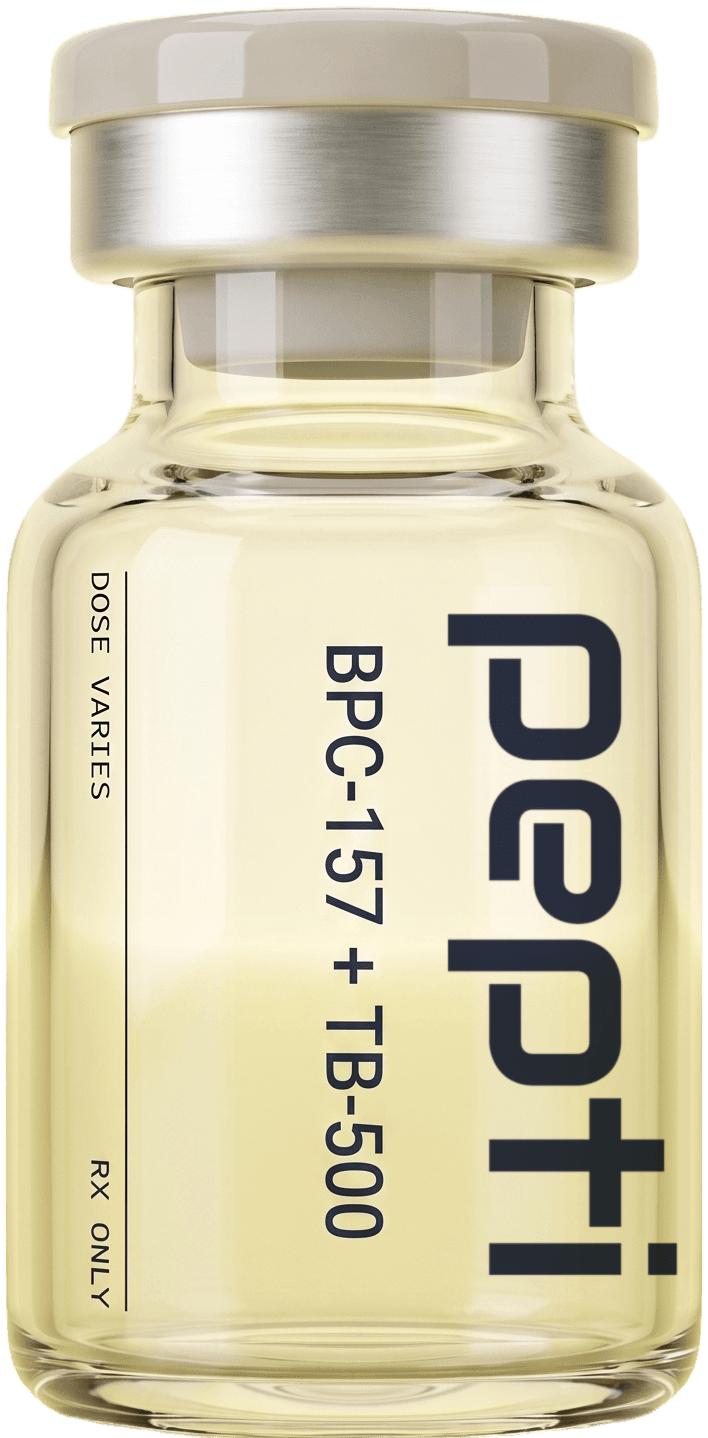
For some, the answer is yes. Combining the two peptides can create a "Wolverine" effect—attacking injury and inflammation from multiple angles. [pepti] offers the BPC-157 + TB-500 stack, blending the best of both peptides for those recovering from especially stubborn or multi-layered injuries.
When might stacking make sense?
- Complex injuries involving muscle + tendon + ligament
- Post-operative healing
- Athletes looking to return to play ASAP
- Chronic pain or inflammation that hasn’t responded to single therapies
Note: All peptide use should be physician-supervised and informed by your health history, injury type, and goals.
How to Decide: TB-500, BPC-157, or Both?
Consider these scenarios:
- Chronic muscle tear or post-surgical repair: TB-500 is often the primary choice for deep tissue healing, but adding BPC-157 can support surrounding tissues and speed pain resolution.
- Nagging tendonitis or joint pain: BPC-157 may suffice for many, with gut benefits as a bonus—especially if you also experience GI issues.
- Full-spectrum repair: For maximum recovery potential, KLOW Blend includes TB-500, BPC-157, and two additional healing peptides, targeting multiple steps of the repair process.
Pro tip: Injury recovery isn’t “one-size-fits-all.” Partner with a knowledgeable provider, like the clinicians at [pepti], to tailor your protocol based on clinical history, symptoms, and priorities.
The Role of Bloodwork in Peptide Recovery
While peptides act locally at injury sites, your overall metabolic, hormonal, and nutrient status dramatically affect your healing. That’s why baseline (pre-therapy) and follow-up bloodwork are crucial:
- Rule out underlying issues that slow repair (e.g., thyroid, inflammation, nutrition)
- Track healing progress and flag side effects
- Fine-tune dosage and duration for optimal results
Pepti provides blood testing via convenient at-home kits or in-lab draws, covering the biomarkers we test for injury and recovery. Always discuss testing with your provider to maximize the safety and effectiveness of your peptide therapy.
Frequently asked questions
How quickly can I expect results with TB-500 or BPC-157?
Most patients begin to notice improvement in tissue healing, pain, or mobility within 2-4 weeks of starting therapy. However, response time varies by injury severity and other individual factors.
Can I use BPC-157 or TB-500 alongside physical therapy?
Absolutely. In fact, combining peptide therapy with physical therapy, rehab, or other recovery modalities can synergistically improve outcomes. Always coordinate with your healthcare team.
Are there side effects or risks with these peptides?
Both TB-500 and BPC-157 are generally well-tolerated. Possible side effects may include mild injection site reactions or, rarely, headache or dizziness. Physician-supervised protocols and regular bloodwork help minimize risks.
Ready to see if peptide therapy could accelerate your healing? Take the free personalized assessment at pepti to get started.