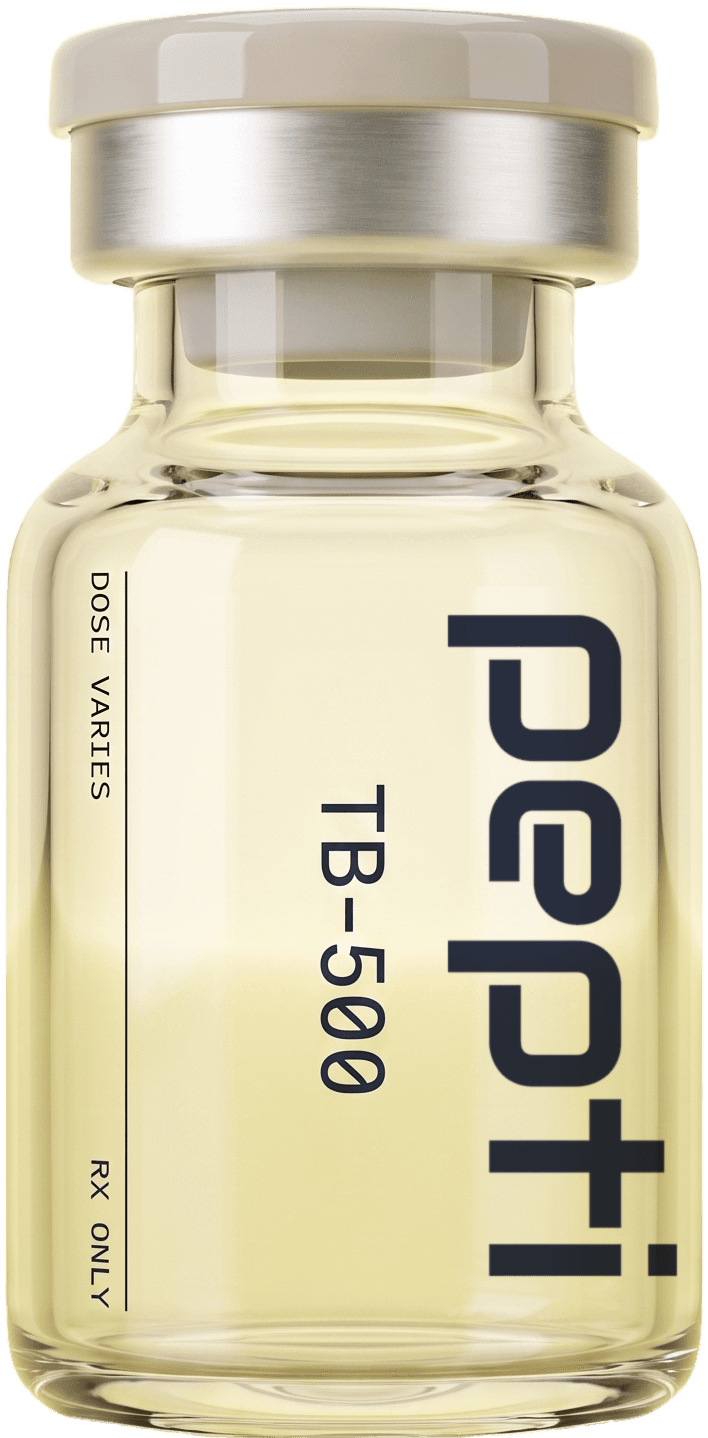
TB-500 first 30 days usually means building the injection habit, monitoring how your body responds, and looking for gradual changes in soreness, range of motion, and training tolerance. It is not an overnight painkiller; for many patients, the first month is about reducing friction in recovery while your clinician adjusts the plan around your goals and safety profile.
If you are starting a doctor-prescribed TB-500 protocol for deep tissue repair, expect the biggest wins to be practical: fewer flare-ups, better movement confidence, and clearer data on whether the protocol fits you.
Key takeaways
- Week 1 is mostly setup: learning your schedule, injection technique, storage, and what to track.
- Weeks 2–3 are when patterns may appear: soreness, mobility, sleep quality, and workout tolerance can start to shift.
- Week 4 is decision time: your clinician reviews progress, side effects, adherence, and whether to continue, adjust, or stack.
- TB-500 is not a quick numbing agent: it is used as part of a recovery plan, not as permission to train through injury.
- Baseline data matters: recent labs or physician-reviewed blood testing can help personalize care and flag issues early.
- Source matters: prescription care through licensed pharmacies gives you physician review, quality controls, and real support if questions come up.
What is TB-500 used for in a peptide protocol?
TB-500 is a synthetic peptide inspired by a naturally occurring protein fragment associated with tissue repair signaling. In peptide protocols, it is commonly discussed for deep tissue recovery, especially when the goal is to support tendons, ligaments, muscles, and connective tissue that can be slow to calm down.
The research story is promising but still evolving. Thymosin beta-4 has been studied for years in wound-healing, cell-migration, angiogenesis, and inflammation-modulation models, with papers and reviews appearing across the 2000s and 2010s. That does not mean every benefit seen in a lab translates directly to humans. It does mean your expectations should be measured: the goal is to support recovery biology, not to claim a cure for a specific injury.
At pepti, TB-500 is prescribed only after physician review. Your medical history, current medications, injury context, training load, and risk factors all matter before deciding whether it fits.
What happens in week 1 on TB-500?
The first week is usually less dramatic than people expect. Most patients are focused on the basics:
- Confirming the prescribed schedule
- Learning subcutaneous injection technique
- Understanding vial handling and storage instructions
- Tracking baseline pain, stiffness, swelling, and mobility
- Watching for injection-site irritation or unexpected symptoms
Some people notice small changes early, such as less morning stiffness or easier warm-ups. Others notice nothing in the first 7 days, and that can be normal. Soft-tissue recovery is slow because tendons and ligaments have lower blood supply than muscle, and pain can fluctuate with sleep, stress, and activity.
Best week-1 move: do not test your limits just because you started a peptide. Keep your rehab plan boring, consistent, and measurable.
What changes might you notice in weeks 2 and 3?
Weeks 2 and 3 are where early patterns often become easier to judge. You may notice:
- Less stiffness during daily movement
- Improved range of motion before discomfort appears
- Better tolerance of physical therapy exercises
- Reduced next-day soreness after light training
- Fewer setbacks from routine activity
These changes are not guaranteed, and they are not always linear. A shoulder can feel better for three days and then complain after a poor night of sleep or an aggressive workout. That is why tracking matters more than memory.
Use a 0–10 scale for pain, but add function-based markers too. For example:
- How many stairs can you climb before symptoms rise?
- How far can you walk without limping?
- Can you complete your warm-up without guarding?
- How many hours after training does soreness peak?
- Is your range of motion improving week over week?
Function tells a better story than pain alone.
What should you track during the first 30 days?
A peptide protocol works best when you measure the right things. For TB-500, track both subjective and objective recovery markers.
Daily recovery log
Keep this simple. Spend 60 seconds per day recording:
- Pain at rest, 0–10
- Pain with movement, 0–10
- Morning stiffness, mild/moderate/severe
- Sleep quality
- Training or rehab completed
- Any swelling, redness, bruising, or unusual symptoms
Weekly function check
Pick 2–3 movements that matter to your actual life. A runner might track pain-free walking distance, calf raises, and easy jogging tolerance. A lifter might track shoulder range, light pressing, and grip comfort. A desk worker with a nagging elbow issue might track typing tolerance and pain after errands.
Sleep, HRV, and heart rate
Recovery is not just tissue. Sleep and autonomic strain can influence how fast you bounce back. Pepti One tracks sleep, HRV, heart rate, and recovery so your progress is not based only on how you feel that morning.
The useful pattern is test, treat, track: use labs and history to start safely, follow the prescribed protocol, then use recovery data and symptom tracking to decide what is actually working.
Do you need bloodwork before starting TB-500?
Not every patient will need new labs before a TB-500 protocol, but bloodwork can be important when your physician wants a clearer baseline. If you have recent labs, they may be reviewed. If your clinician requires bloodwork and you do not have current results, pepti offers an at-home panel for $129.
Baseline and follow-up blood testing can help your clinician evaluate factors that influence recovery, energy, inflammation burden, metabolic health, thyroid status, and hormone balance. You can also review the biomarkers we test to understand what may be relevant to your plan.
This matters because slow healing is not always just a local tissue problem. Low vitamin status, thyroid dysfunction, poor glucose control, inadequate protein intake, or hormone disruption can all make recovery feel stuck. A peptide may be part of the plan, but it should not be the only lens.
For supplement support, the Daily Pack can be built from your own bloodwork, using deficiencies and goals to shape what goes into your daily sachets. That helps keep the protocol grounded in data rather than guesswork.
What side effects should you watch for in the first month?
Most peptide protocols are designed to be manageable, but you should still watch closely during the first 30 days. Possible issues to report include:
- Redness, itching, bruising, or discomfort at the injection site
- Headache or unusual fatigue
- Dizziness or feeling unwell after dosing
- New swelling or worsening pain
- Any allergic-type symptoms such as hives, wheezing, or facial swelling
If something feels off, pause and contact your care team for guidance. Do not double up doses, change injection frequency, or combine peptides without physician approval.
Also tell your clinician about pregnancy, plans to become pregnant, cancer history, immune conditions, active infections, recent surgeries, or prescription medications. These details can change whether TB-500 is appropriate.
Can TB-500 be combined with other peptides?
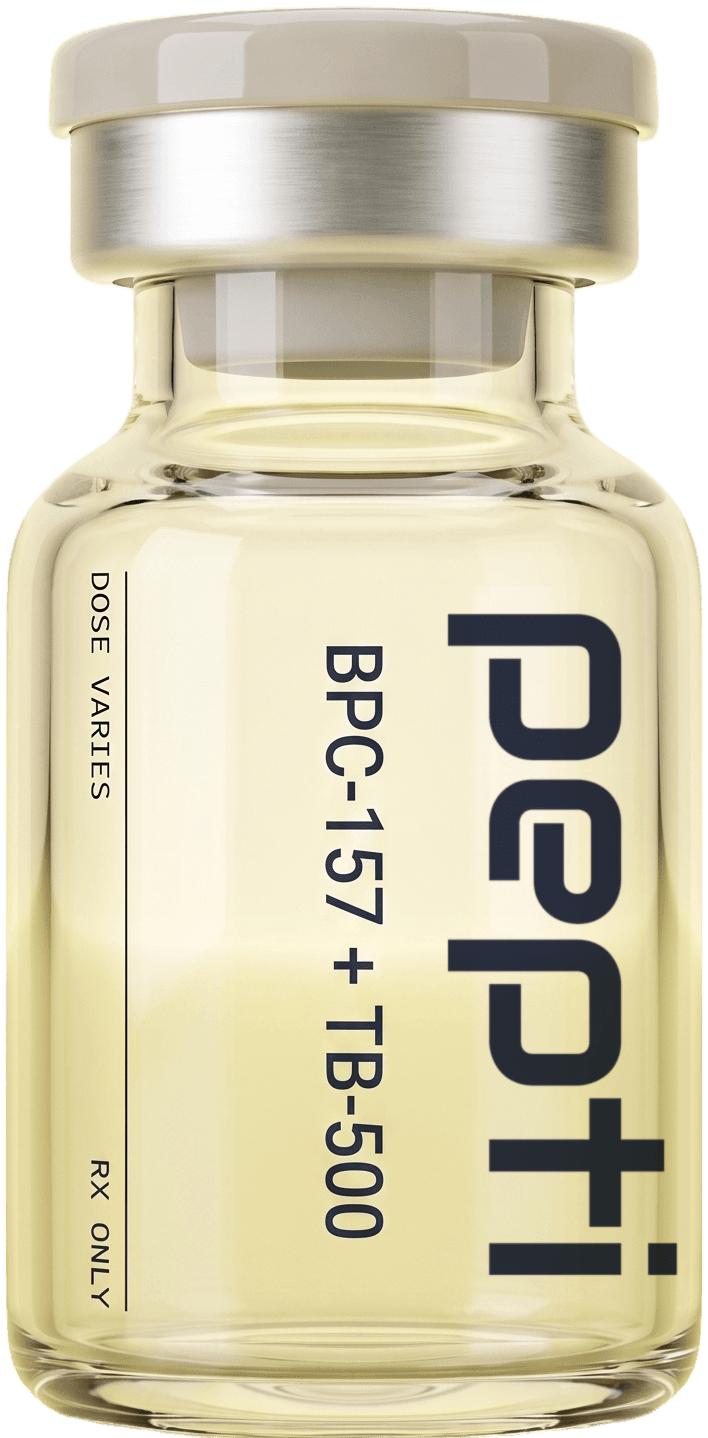
Sometimes, yes, but stacking should be clinician-directed. For patients with broader recovery goals, BPC-157 + TB-500 is often discussed because it combines two commonly used repair-focused peptides in one protocol. Some patients may be better suited to BPC-157 alone if gut support or more localized recovery is the priority.
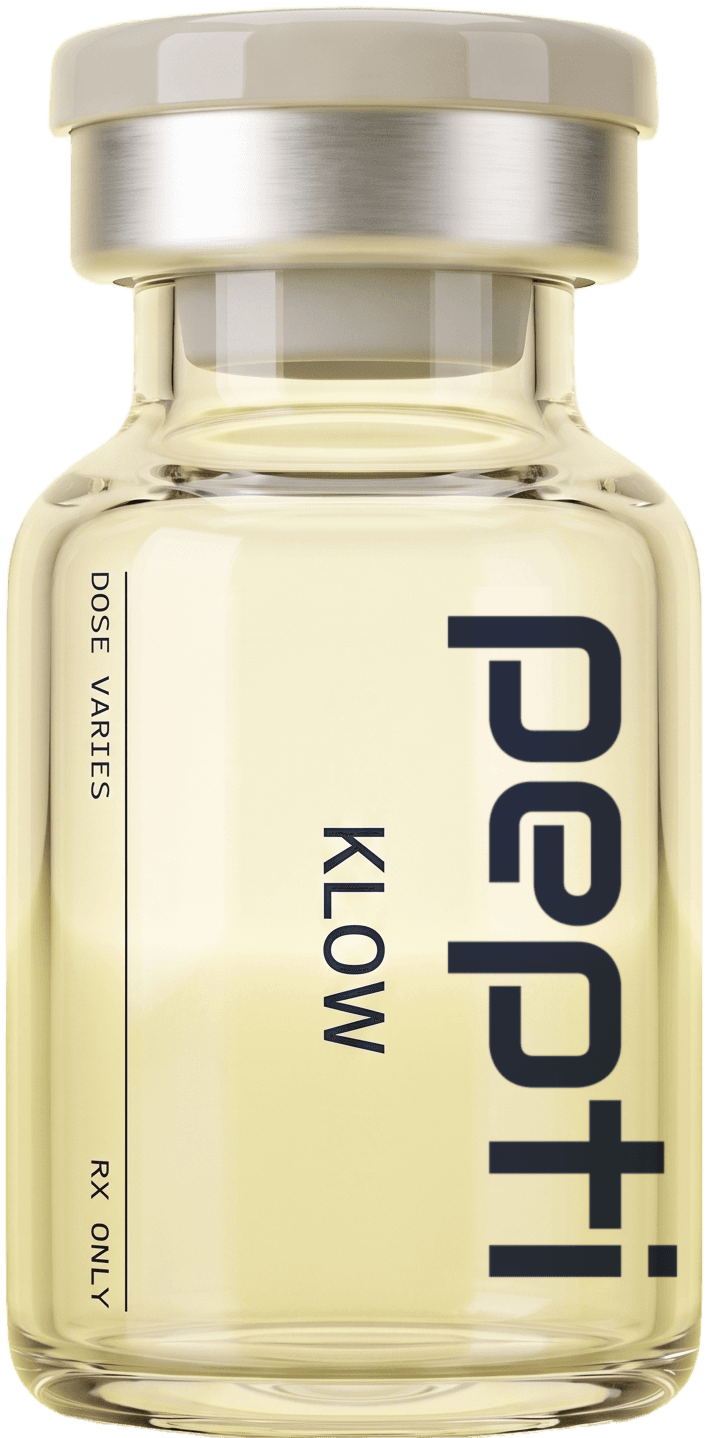
More complex stacks, such as KLOW Blend, may be considered for specific recovery goals, but more is not automatically better. Stacking can make it harder to know what is helping, what is causing side effects, and what should be adjusted.
A good physician will usually ask: What are we trying to improve? How will we measure it? What is the shortest reasonable protocol to test the response?
What should you avoid during the first 30 days?
The most common mistake is using early symptom improvement as permission to overload the tissue. If your knee feels 30% better, that does not mean it is ready for sprint intervals. If your shoulder feels looser, that does not mean max pressing is smart.
During the first month, avoid:
- Sudden jumps in training volume
- Testing one-rep maxes or all-out sprints
- Ignoring rehab exercises because you feel better
- Mixing gray-market peptides with prescribed medication
- Changing the protocol without approval
Sourcing deserves a special note. Doctor-prescribed care gives you physician review, licensed pharmacy fulfillment, dosing instructions, support, and recourse if something is wrong. Research-chemical or gray-market vendors may not provide the same quality controls or medical oversight. If you are comparing options, read gray market vs Pepti before buying anything online.
What should happen at the 30-day check-in?
By day 30, you should have enough information to make a smarter decision. Your clinician may review:
- Adherence to the injection schedule
- Side effects or tolerability concerns
- Pain and mobility trends
- Rehab or training progression
- Sleep, HRV, heart-rate, and recovery data if available
- Bloodwork if it was ordered or updated
The next step may be continuing the current protocol, adjusting the plan, changing recovery targets, adding supportive nutrition, or stopping if it is not the right fit. The point is not to stay on peptides forever. The point is to use a defined protocol, measure response, and make physician-guided decisions.
Frequently asked questions
How fast does TB-500 start working?
Some people notice subtle changes in stiffness or movement comfort within 1–2 weeks, while others need 3–4 weeks to see a pattern. TB-500 is not intended to provide instant pain relief, so functional tracking is more useful than expecting a same-day effect.
Is TB-500 safe to use for injuries?
Safety depends on your medical history, medications, diagnosis, and whether the peptide is prescribed and monitored appropriately. TB-500 should not replace evaluation for serious injuries, imaging when needed, physical therapy, or medical care for worsening symptoms.
Can I work out while taking TB-500?
Usually you can continue appropriate activity, but the goal is controlled progression, not pushing through pain. Keep training volume conservative in the first 30 days and coordinate rehab or loading changes with your clinician or physical therapist.
Do I need bloodwork for a TB-500 protocol?
Your physician decides whether bloodwork is needed based on your history and goals. When required, baseline and follow-up labs can help identify hormone, metabolic, thyroid, or nutrient factors that may affect recovery and overall treatment safety.
Ready to see whether a physician-reviewed peptide protocol fits your recovery goals? Take the free assessment at /assessment and get guidance built around your health history, labs when needed, and measurable progress.