Understanding Peptide Therapy
Peptide therapy is an innovative approach that utilizes specific peptides—short chains of amino acids that can mimic the effects of hormones naturally produced by your body. If you’re considering peptide therapy, such as Bi-Est Cream for bioidentical estrogen replacement, preparing for your conversation with your doctor can significantly enhance your experience and outcomes.
Know What You Want
Before your appointment, it’s crucial to understand why you’re interested in peptide therapy. Here are some reasons you might want to discuss:
- Hormonal Balance: For women, using Bi-Est Cream can help alleviate symptoms of menopause or hormonal imbalances.
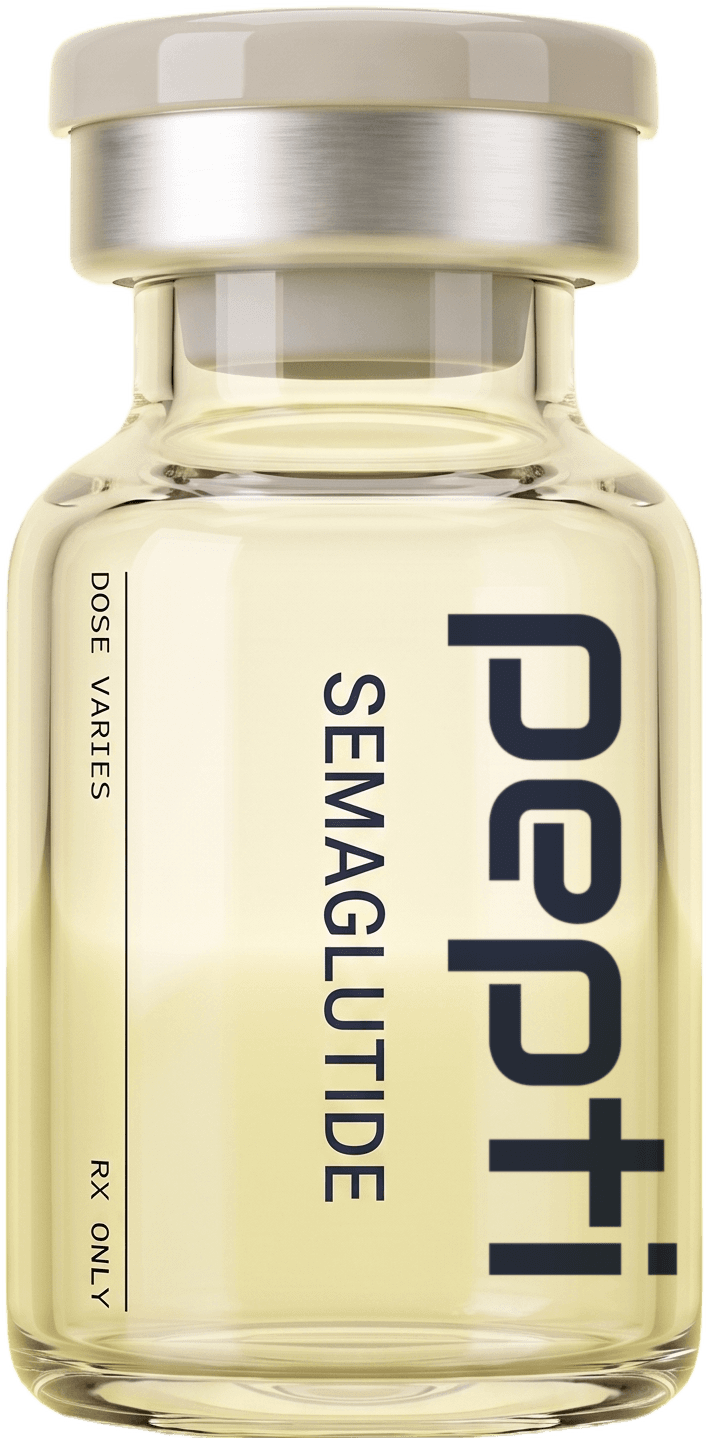
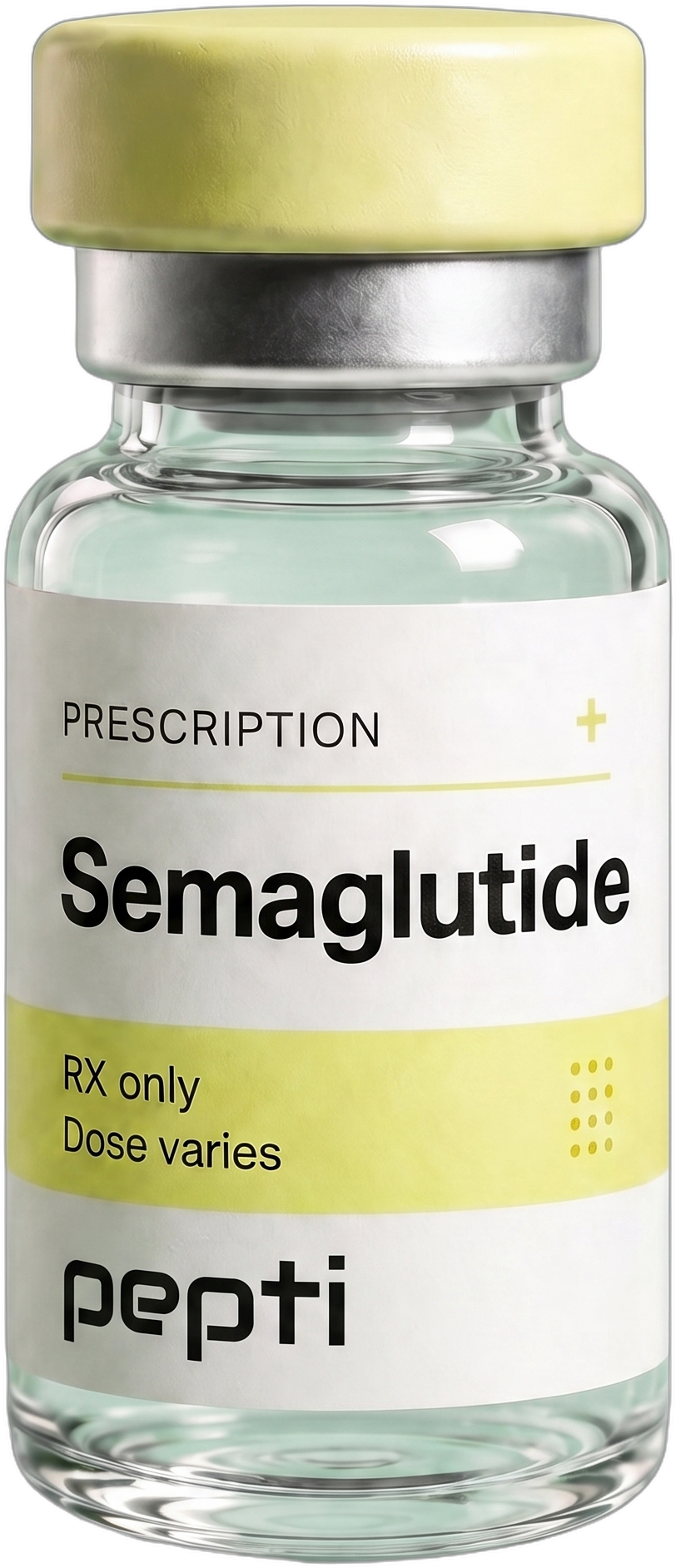
- Weight Management: Products like Semaglutide are effective for medical weight management.
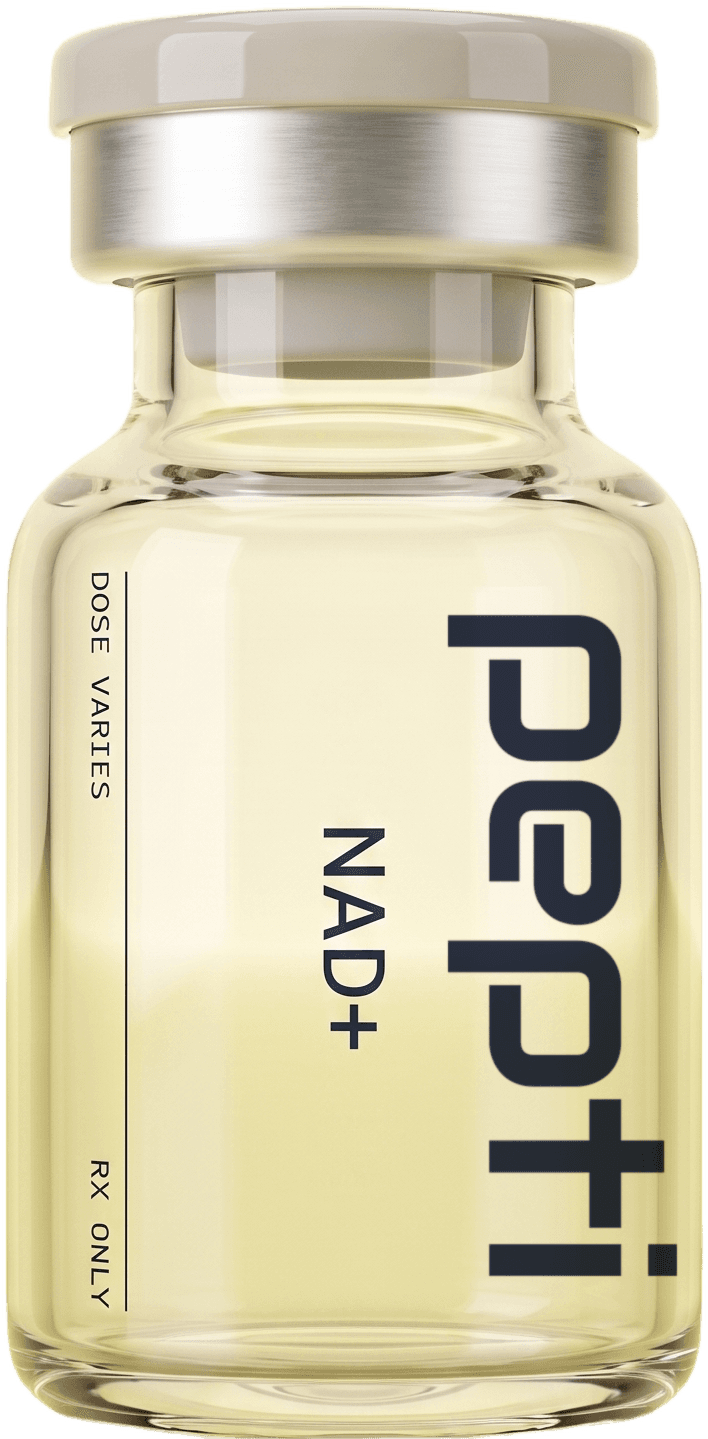
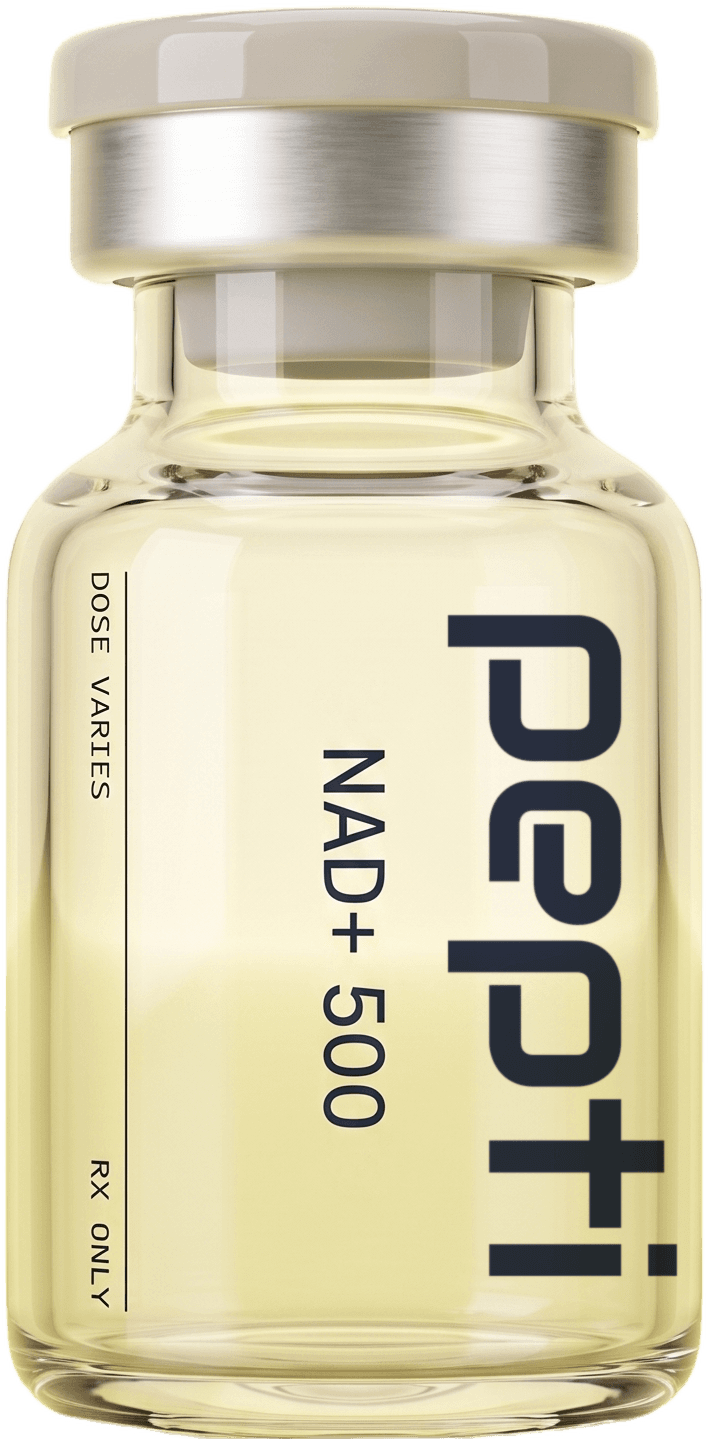
- Energy and Recovery: Options like NAD+ Injection support cellular energy and repair.
By narrowing down your focus, you’ll be better equipped to articulate your needs to your healthcare provider.
Do Your Research
Gather information on the peptides you are considering. Familiarize yourself with their benefits, potential side effects, and how they work. For instance, Bi-Est Cream offers bioidentical estrogen, which can be beneficial for treating menopausal symptoms or enhancing overall hormonal balance. Understanding the science behind the therapy can help you engage in a knowledgeable discussion.
Additionally, familiarize yourself with the safety and regulatory aspects of these treatments.
Prepare Your Questions
Equip yourself with a list of questions to ask your doctor. Here are some examples:
- What are the expected benefits of this peptide therapy for my specific situation?
- Are there any risks or side effects I should be aware of?
- How will we monitor my progress? Will blood tests be necessary?
Asking the right questions will demonstrate that you are informed and serious about your health, making it easier for your doctor to provide you with the best care.
Discussing Blood Tests
Blood testing is a crucial aspect of hormone therapy, including peptide therapy. Baseline and follow-up bloodwork can help your doctor gauge your hormonal levels and assess how well you are responding to treatments like Bi-Est Cream. This ensures that the therapy is safe and effective for your individual needs, and it can inform any necessary adjustments to your dosage or treatment plan. At pepti, we offer blood testing, including hormone, metabolic, and nutrient panels.
Make Your Case
During your appointment, confidently express your interest in peptide therapy and why you believe it could be beneficial. Share any research or information you’ve gathered, and don't hesitate to advocate for yourself. If your doctor is hesitant, ask for their concerns and discuss them openly.
Follow Up
If your doctor agrees with the peptide therapy plan, make sure to schedule follow-up appointments to monitor your progress. Adjustments might be necessary based on how your body responds to treatment. Remember, ongoing communication is key to finding the right balance.
Frequently Asked Questions
How do I know if peptide therapy is right for me?
Peptide therapy may be suitable if you experience hormonal imbalances, weight management challenges, or a decline in energy levels. A thorough consultation and blood testing can help determine the best approach for your individual needs.
Is peptide therapy safe?
When prescribed and monitored by a qualified healthcare professional, peptide therapy is generally considered safe. However, individual responses can vary, making ongoing bloodwork essential to ensure safety and effectiveness throughout the treatment process.
How often will I need blood tests for peptide therapy?
Typically, you’ll have baseline bloodwork done before starting therapy, followed by regular follow-up tests to monitor hormone levels and treatment effectiveness. Your healthcare provider will recommend a testing schedule based on your specific treatment plan.
For more personalized guidance, consider taking our free assessment at pepti. It’s a great first step toward enhancing your wellness journey!