Supplements vs peptides is not about choosing one forever. Supplements usually help correct nutrient gaps and support daily physiology; peptides are prescription therapies that signal specific pathways, such as repair, metabolic function, sleep, skin, or growth-hormone signaling. The smartest approach is bloodwork first: test what is measurable, treat what is appropriate, then track whether your plan is working.
Key takeaways
- Supplements replace or support; peptides signal. A vitamin D gap, low B12, or poor omega-3 intake is different from using a prescribed peptide to influence a specific pathway.
- Bloodwork should drive both. Baseline labs help identify deficiencies, metabolic risk, thyroid patterns, inflammation signals, and hormone markers before you add more inputs.
- More is not better. Too much iron, B12, vitamin D, thyroid support, or growth-hormone-axis stimulation can backfire without monitoring.
- Peptides require physician review. A doctor should evaluate goals, medications, history, contraindications, and follow-up labs before prescribing.
- The best system is test, treat, track. Pepti connects at-home blood testing, the Daily Pack, physician-prescribed peptides, and Pepti One recovery data in one loop.
What is the difference between supplements and peptides?
Supplements are generally nutrients, botanicals, amino acids, minerals, or other non-prescription compounds used to support normal physiology. They are most useful when they answer a specific question: are you low, insufficient, or under-supported in something measurable?
Peptides are short chains of amino acids that can act as signaling molecules. In clinical use, a prescribed peptide may be selected to influence a targeted pathway, such as growth-hormone signaling, tissue repair, metabolic function, immune signaling, or skin and collagen support. That does not make peptides magic, and it does not make supplements weak. They simply operate at different levels.
A simple way to think about it:
- Supplements: fill gaps, support baseline function, and maintain daily inputs.
- Peptides: send more targeted biological signals under medical supervision.
- Bloodwork: helps decide what belongs in your plan and what should be avoided.
For example, fatigue could be related to low B12, iron status, thyroid patterns, poor sleep, high glucose variability, low recovery, or multiple factors at once. A supplement-only plan may miss the bigger picture. A peptide-only plan may ignore the basics. Bloodwork keeps both honest.
Why should bloodwork guide supplements?
The supplement aisle is built around symptoms. Bloodwork is built around evidence. That matters because the same symptom can point in opposite directions.
Take low energy. Some people need more B12 support; others already have high serum B12 but poor sleep and abnormal glucose markers. Some people suspect low testosterone or low thyroid, but the real issue is low ferritin, high A1c, or under-recovery. Without testing, you are guessing.
Pepti’s physician-reviewed at-home panels can evaluate hormone, metabolic, and thyroid markers, and the biomarkers we test help make the plan more specific. When a physician requires bloodwork and a patient has no recent labs, Pepti offers an at-home panel for $129.
Bloodwork can help answer questions like:
- Is vitamin D low enough to justify targeted replacement?
- Are B12 or folate markers consistent with your symptoms?
- Do thyroid markers suggest a pattern worth reviewing before adding stimulation?
- Are glucose, insulin-related markers, A1c, or lipids pointing toward metabolic stress?
- Are liver and kidney markers appropriate before starting a more intensive plan?
- Are inflammatory or recovery-related patterns showing up alongside symptoms?
This is why the Daily Pack is built from the patient’s own bloodwork. Instead of a generic multivitamin approach, the protocol is assembled around actual deficiencies, goals, and physician-reviewed context.
Why should bloodwork guide peptide therapy?
Peptides are more targeted than standard supplements, which is exactly why baseline and follow-up bloodwork matter. If a therapy influences metabolic, hormone, immune, or growth-hormone-related pathways, you want objective markers before and during care.
Baseline labs help establish whether peptide therapy is appropriate. Follow-up labs help evaluate response, safety, and whether the plan should be adjusted, paused, or continued. This is especially important for peptides that may intersect with glucose metabolism, IGF-1, thyroid patterns, lipids, liver enzymes, kidney markers, or hormone balance.
A practical monitoring rhythm often looks like this:
- Baseline: before starting, to identify risks and guide product selection.
- Early follow-up: commonly around 8–12 weeks when clinically appropriate, to evaluate response.
- Ongoing check-ins: based on goals, medication profile, symptoms, and physician guidance.
Bloodwork does not guarantee a result, but it reduces blind spots. It also helps separate true progress from placebo, normal fluctuation, or lifestyle changes happening at the same time.
Supplements vs peptides for skin, collagen, and body composition
Skin and body composition are a good example of why this comparison is not either/or.
For skin, supplements may support nutrient foundations such as protein intake, micronutrient adequacy, and antioxidant status. If someone has low vitamin D, poor protein intake, or nutrient gaps, a peptide will not automatically solve that. The base still matters.
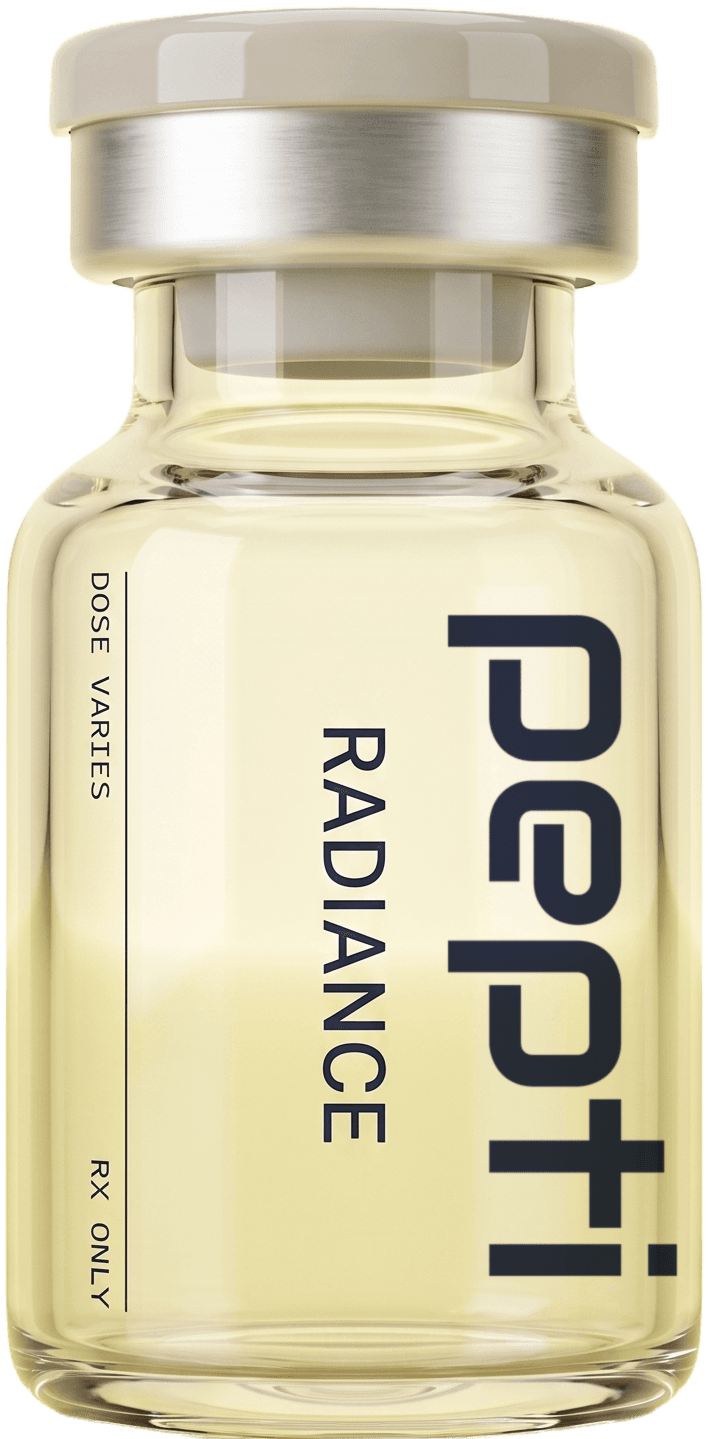
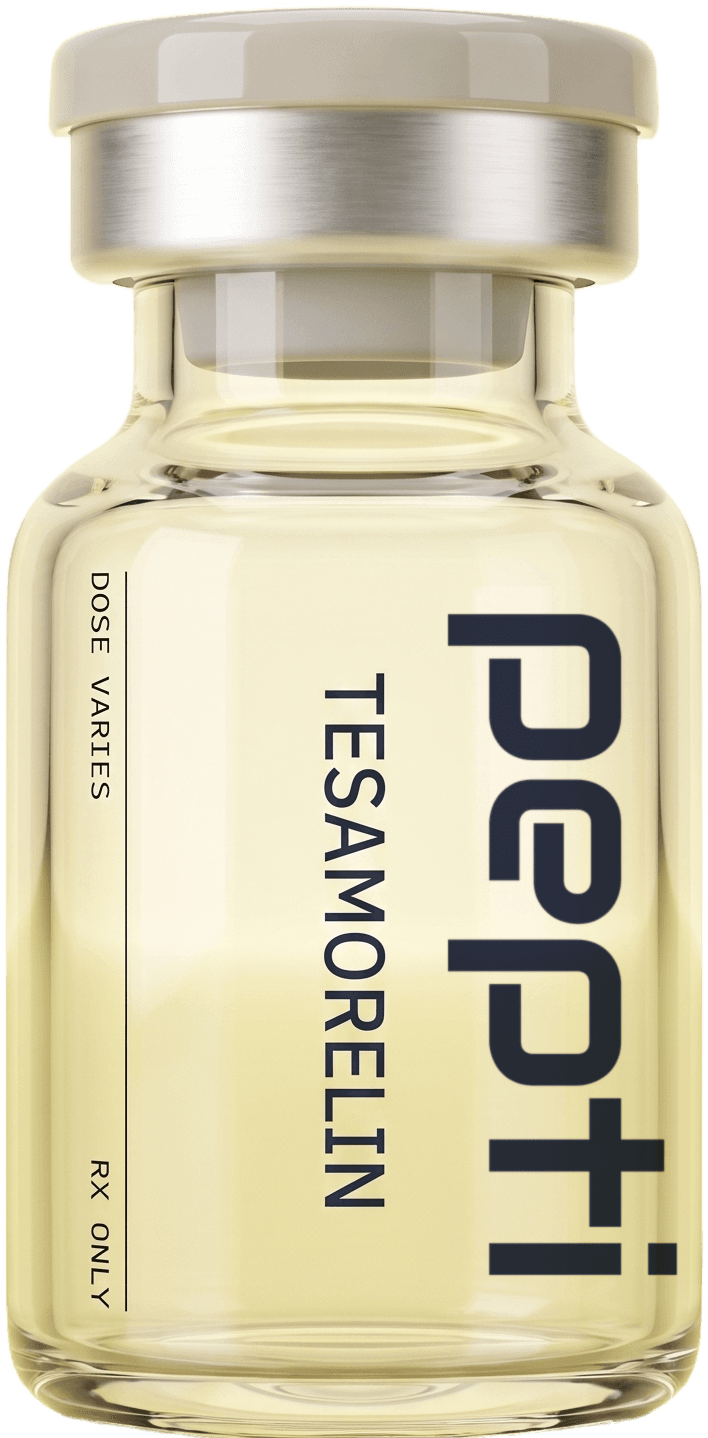
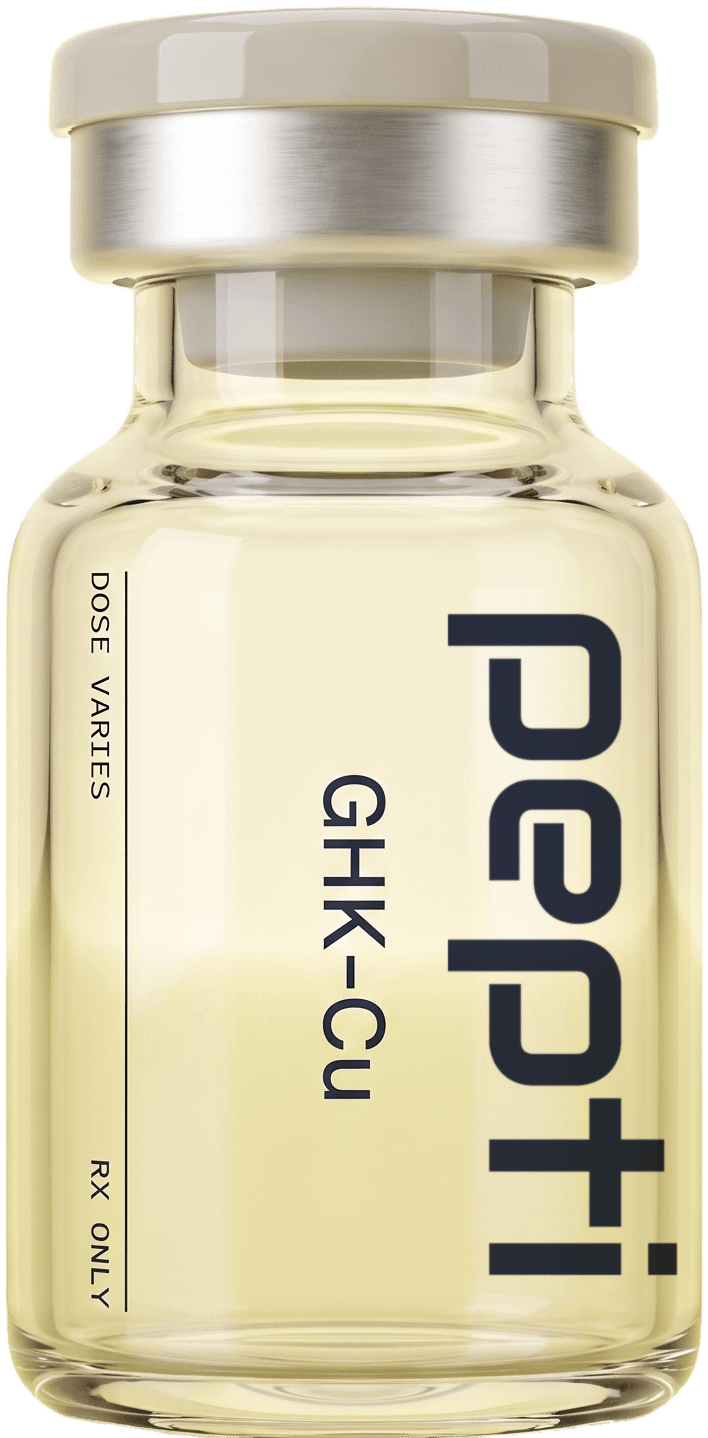
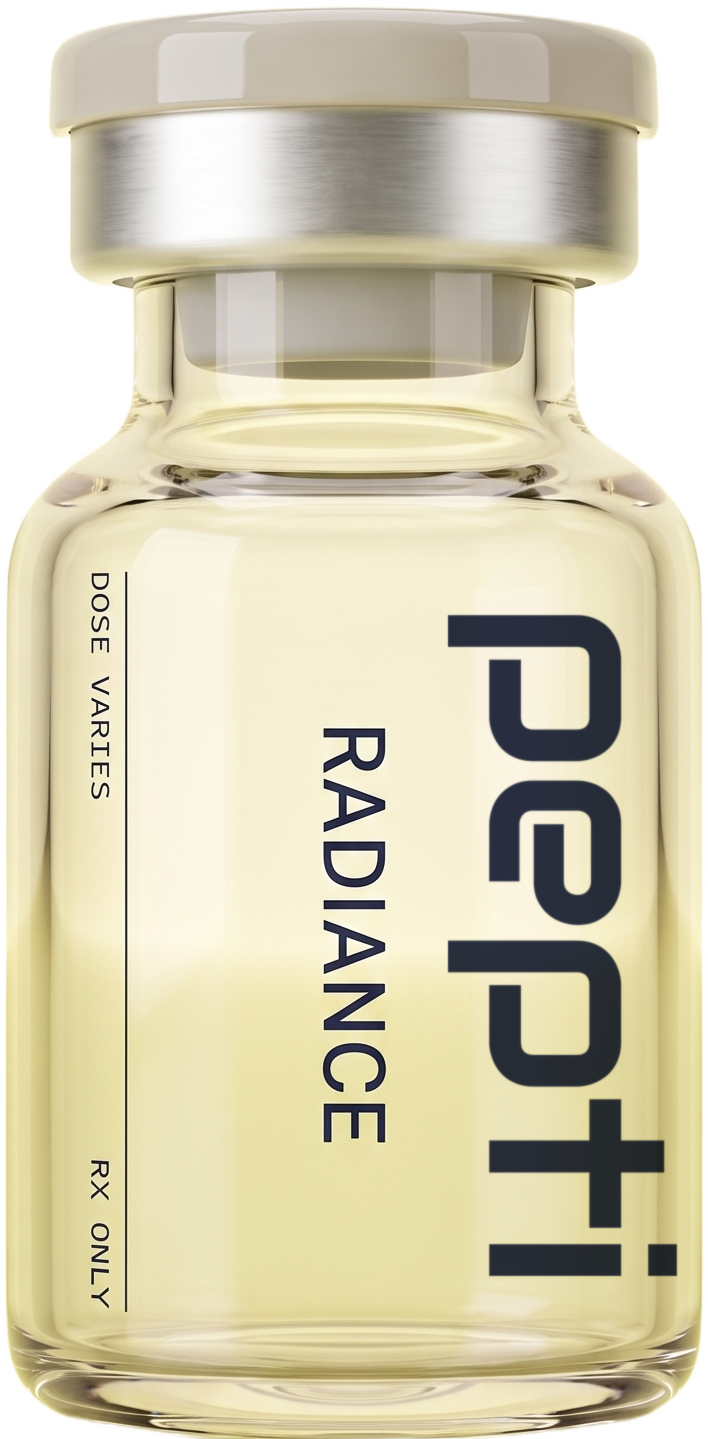
A prescribed peptide blend may be considered when the goal is more targeted signaling. For example, RADIANCE Blend (GHK-Cu / Tesamorelin) is a skin + GH blend designed around systemic skin/collagen support and growth-hormone-axis signaling. That makes bloodwork especially relevant because GH-axis therapies can intersect with IGF-1, glucose metabolism, lipids, and broader metabolic markers.
GHK-Cu has been studied for roles related to collagen, skin quality, and tissue remodeling since the copper peptide was first identified in human plasma in the 1970s. Tesamorelin has clinical research behind growth-hormone-axis signaling and visceral fat endpoints, including controlled studies published around 2010 in metabolic populations. Those research histories are interesting, but they do not replace individual screening.
If someone is considering GHK-Cu or Tesamorelin separately, the same principle applies: start with labs, match the intervention to the goal, then monitor.
When are supplements enough?
Supplements may be enough when the problem is clearly tied to a measurable or likely deficiency and does not require prescription-level pathway targeting.
Common examples include:
- Low or insufficient vitamin D on labs
- Low B12 patterns, especially when diet or absorption risk is relevant
- Low ferritin or iron markers that need physician-guided interpretation
- Magnesium intake gaps paired with sleep, muscle, or stress goals
- General micronutrient gaps from restrictive dieting
In these cases, a bloodwork-based supplement plan can be powerful because it is specific. It also reduces the risk of stacking too many products that overlap. For example, taking multiple energy formulas can unintentionally combine high doses of B vitamins, stimulatory ingredients, or minerals without a clear reason.
Pepti’s Daily Pack is designed to make this cleaner: your labs and goals guide what goes into the daily sachets, rather than forcing you to manage a cabinet full of bottles.
When might peptides make sense?
Peptides may make sense when there is a specific therapeutic goal that cannot be addressed by nutrient repletion alone, and a physician determines the potential benefit-risk profile is appropriate.
Examples of goals that may lead to a peptide discussion include:
- Body-composition support alongside nutrition and training
- Recovery or repair support after tissue stress
- Sleep and recovery optimization
- Skin quality and collagen-related goals
- Metabolic support when lifestyle and supplementation are not enough
- Cognitive, focus, or stress-related support in selected cases
That does not mean every goal needs a peptide. It means peptides are one tool inside a broader plan. A good clinician will ask what has already been tried, what your labs show, what medications you take, and what outcomes can be tracked.
For patients pursuing energy or nutrient-related support, injectable options such as Methylcobalamin or Lipo-B may be considered when appropriate. Even then, the decision should be anchored to symptoms, labs, and follow-up rather than a one-size-fits-all promise.
What labs matter before supplements or peptides?
The right panel depends on the person and the goal, but several categories often matter when comparing supplements vs peptides.
Hormone markers
Hormone markers can help evaluate whether symptoms like fatigue, poor recovery, body-composition changes, low libido, or sleep disruption may have an endocrine component. They also help avoid adding therapies that push in the wrong direction.
Metabolic markers
A1c, fasting glucose-related markers, lipids, and liver enzymes can help identify whether a metabolic plan is working or whether additional caution is needed. This is particularly relevant for body-composition or GH-axis strategies.
Thyroid markers
Thyroid patterns can overlap with fatigue, weight change, mood shifts, constipation, sleep issues, and cold intolerance. Testing helps distinguish thyroid-related patterns from nutrient gaps or recovery issues.
Nutrient and recovery-related markers
B12, vitamin D, ferritin, and other nutrient markers can reveal simple problems that feel complex. If a daily supplement protocol corrects a clear deficiency, that may change the peptide conversation entirely.
How do you track if supplements or peptides are working?
Subjective changes matter, but they are not enough. You want a combination of labs, symptoms, and daily recovery data.
A useful tracking system includes:
- Symptoms: energy, sleep quality, appetite, skin changes, recovery, mood, digestion.
- Bloodwork: baseline and follow-up markers tied to the therapy.
- Wearable data: sleep, HRV, heart rate, and recovery trends over time.
- Body metrics: weight, waist, photos, training performance, or clinician-selected measures.
This is where Pepti One fits in. The band and ring are two form factors in one system, tracking sleep, HRV, heart rate, and recovery in the Pepti app next to labs and treatment. If your HRV is dropping, sleep is worsening, or resting heart rate is trending up, that context matters when interpreting how a new protocol feels.
The goal is not to chase every metric. The goal is to close the loop: test, treat, track, adjust.
Why doctor-prescribed peptides are different from research peptides
If you are comparing supplements vs peptides because you are thinking about buying peptides online, sourcing matters. Research-chemical or gray-market vendors may advertise low prices, but the tradeoff can include unclear purity, uncertain sterility, inconsistent concentration, no prescribing clinician, and limited recourse if something goes wrong.
Doctor-prescribed care is different because it includes medical review, appropriate screening, pharmacy sourcing, dosing instructions, and follow-up. Pepti explains this comparison in more detail here: gray market vs Pepti.
This does not mean every prescription peptide is right for every person. It means the safer question is not simply, where can I buy it? The better question is, should I use it, what should we monitor, and how will we know if it is helping?
How to build a bloodwork-based plan
A practical plan does not need to be complicated. It needs to be sequenced.
- Start with goals. Skin, energy, fat loss, recovery, sleep, libido, focus, or longevity all require different markers.
- Run at-home bloodwork. Use current labs or a Pepti at-home panel when required by the physician.
- Correct obvious gaps first. Nutrient deficiencies and thyroid or metabolic red flags can change the plan.
- Consider prescription therapy if appropriate. A clinician can determine whether a peptide fits your health profile and goals.
- Track follow-up labs and recovery data. Adjust based on evidence, not vibes alone.
That is the real difference between random stacking and precision care.
Frequently asked questions
Are peptides better than supplements?
Not automatically. Supplements are often the right tool for nutrient gaps, while peptides may be useful for more targeted pathway signaling under physician supervision. Bloodwork helps decide which tool fits the problem.
Do I need bloodwork before starting supplements?
For basic nutrition support, not always, but bloodwork is strongly preferred when you are taking higher-dose nutrients, stacking multiple products, or trying to solve symptoms like fatigue, weight change, low libido, or poor recovery. Testing helps prevent unnecessary or excessive supplementation.
Do I need bloodwork before peptide therapy?
Yes, baseline bloodwork is commonly important before peptide therapy, especially for protocols that may affect metabolic, hormone, thyroid, liver, kidney, or growth-hormone-related markers. Follow-up testing helps your clinician evaluate response and safety.
Can I use supplements and peptides together?
Often, yes, but the combination should be intentional. A bloodwork-based supplement plan can support the foundation while a physician-prescribed peptide targets a specific goal, with labs and recovery data guiding adjustments.
Ready to stop guessing? Take the free assessment at /assessment and see whether bloodwork-based supplements, peptide therapy, or both may fit your goals.