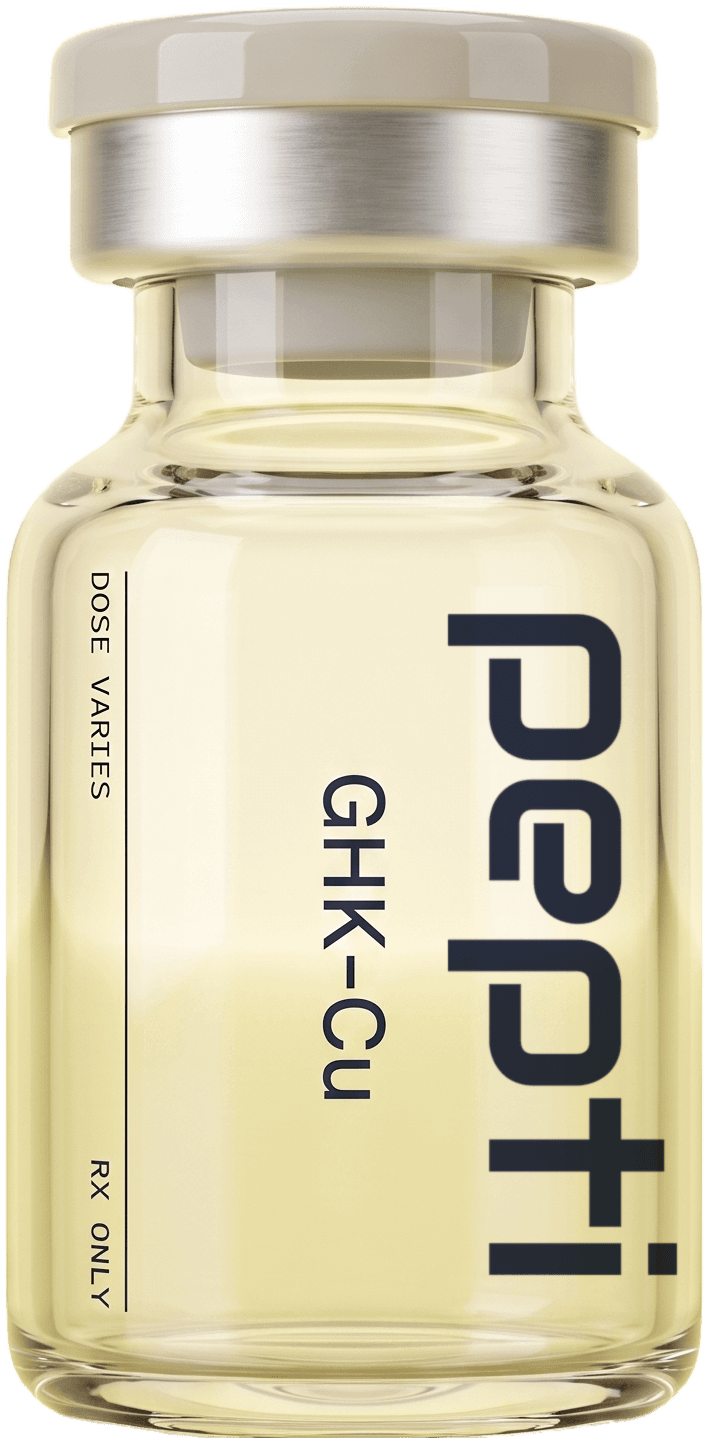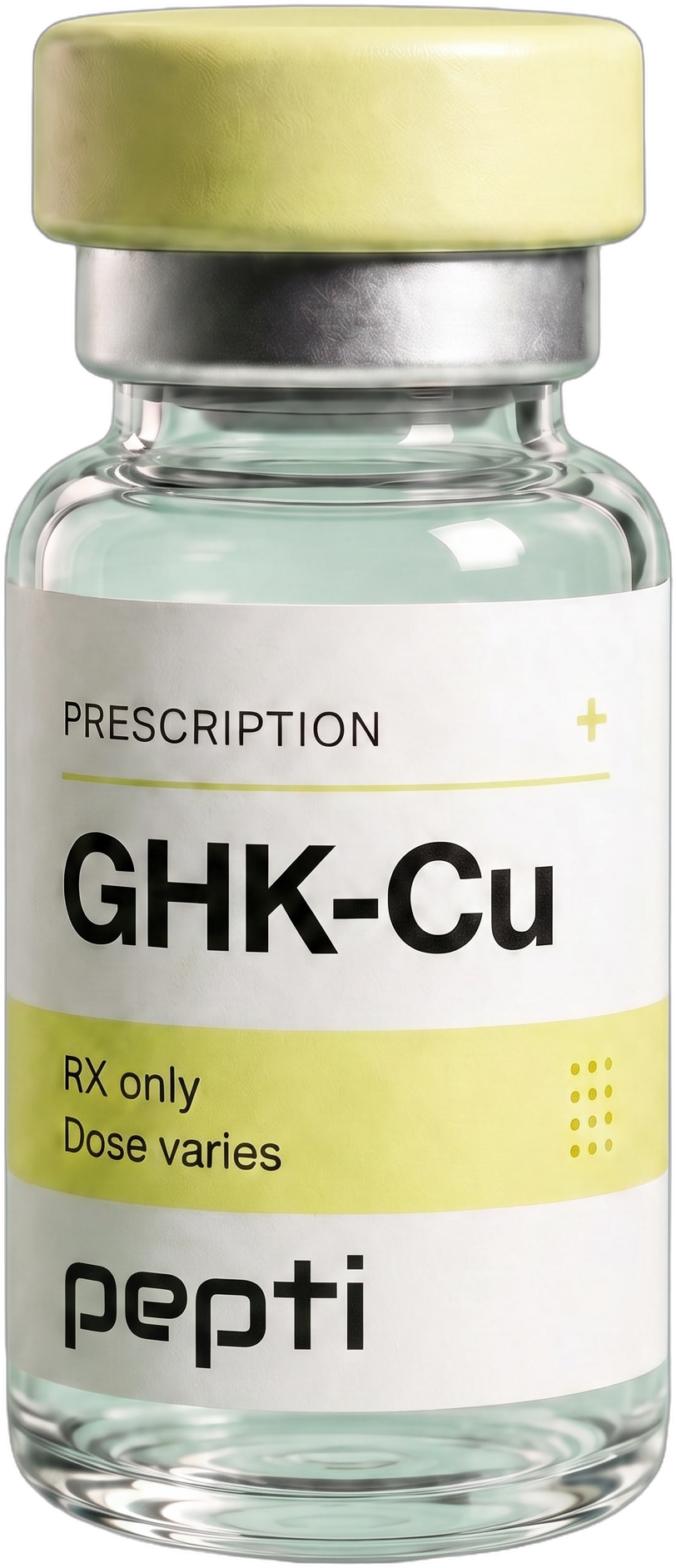
As we approach 2026, the regulatory landscape for compounded peptides continues to evolve. With growing interest from both healthcare providers and patients, understanding these regulations is essential for anyone considering therapies such as GHK-Cu for skin health or other compounded peptides for various therapeutic needs.
The Current State of Compounded Peptides
In recent years, compounded peptides have gained popularity for their potential benefits in areas like anti-aging, weight management, and hormone optimization. These substances are tailored to individual patient needs and are often prescribed when commercially available medications do not meet a patient's specific requirements.
However, the landscape is complex. While the FDA oversees the safety and efficacy of medications, compounded peptides exist in a somewhat gray area, often governed by state pharmacy boards and federal regulations. It’s crucial for patients to understand the implications of these regulations as we move into 2026.
Key Regulations to Watch
The following regulatory aspects will likely shape the compounded peptide market:
- Federal Oversight: As the FDA continues to clarify its stance on compounded medications, there may be changes to how these substances are regulated. Increased scrutiny might follow the potential for misuse and the need for standardization.
- State Regulations: Different states may implement their own rules regarding the compounding of peptides, which could affect availability and prescribing practices.
- Patient Protections: As interest in personalized medicine grows, patients must ensure they are receiving quality and safe products, ideally from licensed pharmacies that comply with the latest regulations.
GHK-Cu: A Focused Look
One peptide that has gained attention in the cosmetics and anti-aging sectors is GHK-Cu. This topical cream is noted for its skin-rejuvenating properties. It promotes collagen production and skin repair, making it a sought-after option for those looking to enhance their appearance.
The regulatory status of GHK-Cu and similar peptides will likely hinge on the developments mentioned above. Keeping an eye on these changes is essential for anyone considering this peptide therapy.
Why Blood Testing Matters
For those looking into peptide therapies, including GHK-Cu, regular blood testing is crucial. Establishing a baseline with blood testing allows healthcare providers to monitor hormonal levels and metabolic health, ensuring that treatments are effective and safe. Regular follow-ups also help in adjusting dosages and modifying treatment plans based on individual responses. At pepti, we offer at-home and in-lab blood testing options, including hormone, metabolic, thyroid, and nutrient panels.
Monitoring these biomarkers can significantly enhance the safety and effectiveness of your therapy, which is why we include a standard panel free with any peptide treatment.
Looking Ahead
As we move toward 2026, the compounded peptide landscape will undoubtedly adapt to new scientific evidence and regulatory changes. Patients and providers must remain informed about these developments to make educated decisions about their health. Embracing a proactive approach will be key in navigating these changes, particularly when it comes to using products like GHK-Cu and other compounded peptides.
Frequently Asked Questions
What are compounded peptides?
Compounded peptides are medications tailored to individual patient needs by licensed pharmacists. They can offer customized therapies not available in standard formulations, helping address specific health concerns.
Is GHK-Cu safe to use?
When prescribed by a qualified healthcare provider and obtained from a reputable source, GHK-Cu is generally considered safe for topical use. However, as with any treatment, it's essential to discuss potential side effects with your doctor.
How often should I get blood tests while on peptide therapy?
The frequency of blood tests during peptide therapy can vary based on individual health status and the specific peptide being used. Regular testing helps ensure that treatment remains effective and safe, allowing for any necessary adjustments.
For personalized advice and to explore which peptide therapy might be right for you, take our free assessment at pepti.com/assessment.