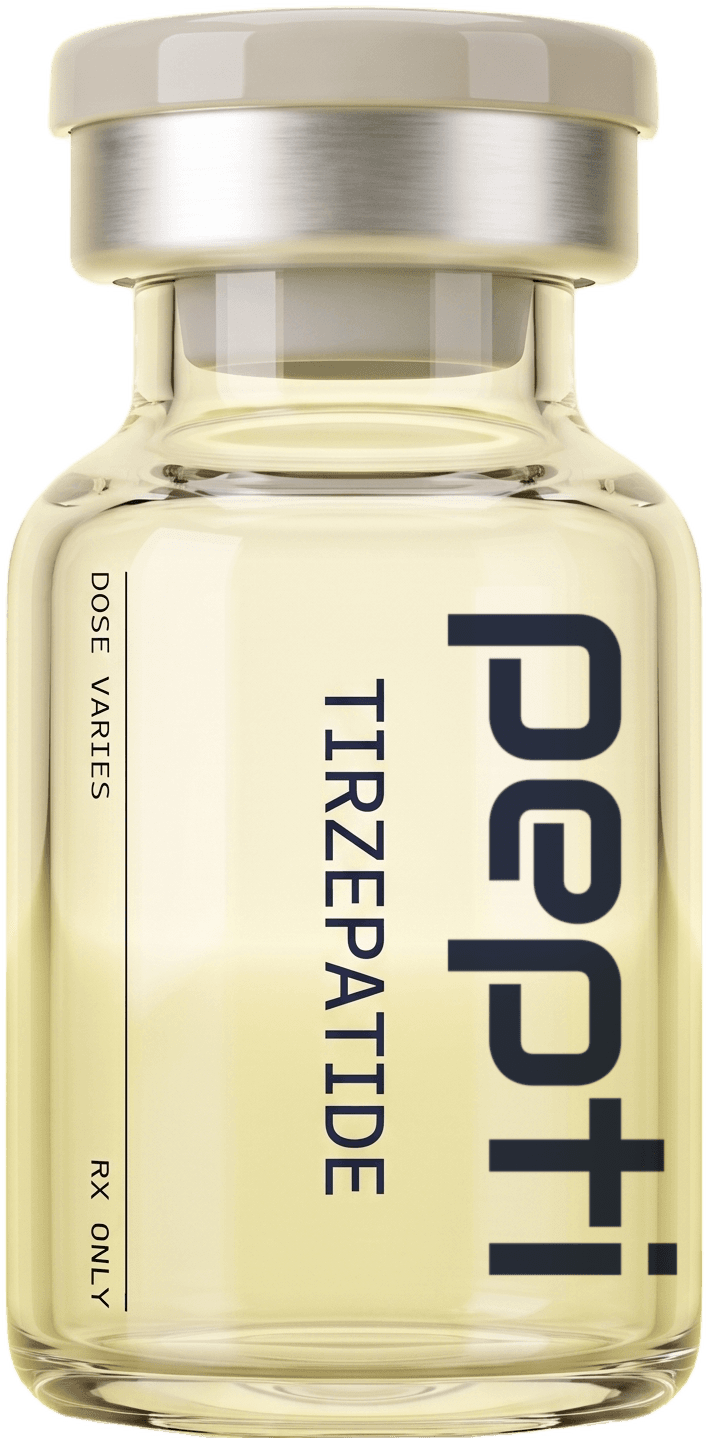
Understanding the Regulatory Environment for Peptides in 2026
The world of peptide therapy has been rapidly evolving, particularly in the wake of significant advancements in science and technology. As we approach 2026, the regulatory landscape surrounding compounded peptides, such as Tirzepatide and others, will likely undergo crucial changes. For patients utilizing telehealth services like [pepti], staying informed about these developments is vital for continuing effective treatment.
What Are Compounded Peptides?
Compounded peptides are custom-manufactured medications that combine various ingredients to create a specific therapeutic formulation. These peptides are often used for:
- Weight loss (like Tirzepatide)
- Hormone optimization
- Anti-aging treatments
- Cognitive enhancement
Unlike commercially available medications, compounded peptides are tailored to meet individual patient needs, making them a popular choice for personalized medicine.
Current Regulatory Framework
In the United States, the regulation of compounded drugs falls under the purview of the Food and Drug Administration (FDA), along with state pharmacy boards. Currently:
- Compounded peptides are produced under specific guidelines set out in the FDCA (Federal Food, Drug, and Cosmetic Act).
- Pharmacies may compound peptides following a prescription from a licensed healthcare provider.
- However, these compounded formulations are not subject to the same rigorous pre-market testing that FDA-approved medications undergo.
Expected Changes in 2026
As the demand for compounded peptides grows, regulatory bodies are taking steps to ensure patient safety and drug efficacy. Here are some potential changes to expect:
1. Enhanced Oversight
The FDA may implement stricter guidelines surrounding the compounding of peptides, focusing on:
- Quality control: Ensuring that compounded peptides meet specific quality standards.
- Labeling: Clear guidelines on how these products are marketed and labeled to prevent misinformation.
2. Increased Transparency
Patients might see an increase in transparency around the ingredients and manufacturing processes of compounded peptides. This could include:
- Detailed disclosures about sourcing and manufacturing standards.
- More comprehensive information available to prescribers and patients alike.
3. Expanded Research Initiatives
With ongoing research demonstrating the benefits of various peptides, we might anticipate:
- Increased funding for studying compounded peptides to validate their effectiveness.
- More clinical trials focusing on specific compounded formulations, such as Tirzepatide.
Implications for Patients
As regulations tighten, patients utilizing compounded peptides can expect:
- Higher safety standards, leading to a more reliable therapeutic experience.
- Potential shifts in availability if certain peptides are deemed too risky or unnecessary based on new regulations.
- Informed discussions with healthcare providers regarding the best treatments moving forward.
What You Can Do Now
As a patient looking to benefit from compounded peptides like oral Tirzepatide, consider the following steps:
- Stay Informed: Keep up with news and updates from regulatory bodies regarding compounded peptides.
- Consult with Your Provider: Discuss any concerns regarding current treatments or potential changes in regulations.
- Utilize Telehealth Services: Brands like [pepti] offer convenient access to prescribers who can guide you through the evolving landscape of peptide therapies.
Conclusion
As we move toward 2026, the regulatory environment surrounding compounded peptides is set to become more complex. However, with these changes come opportunities for improved patient safety and treatment efficacy. By staying informed and engaged, patients can navigate these changes successfully.
For those interested in exploring personalized peptide therapy, we encourage you to take our free assessment at pepti today!