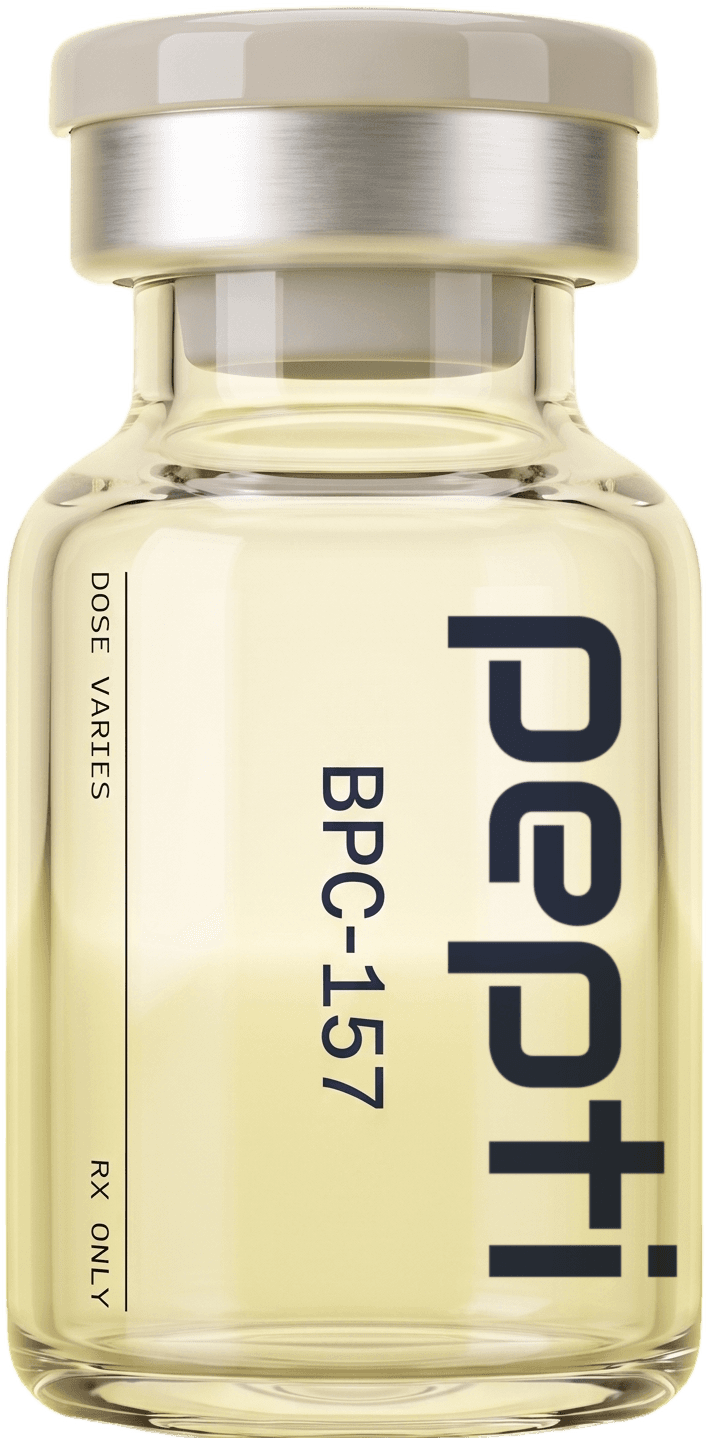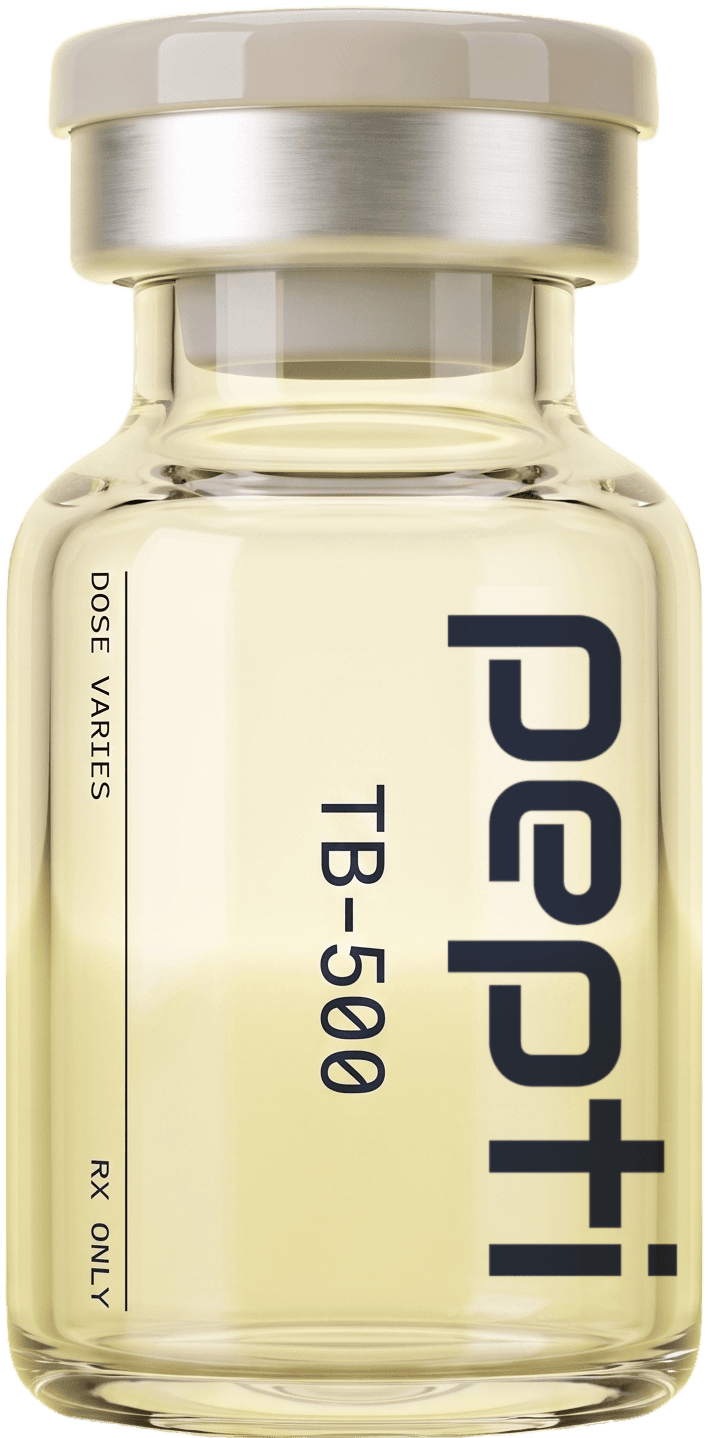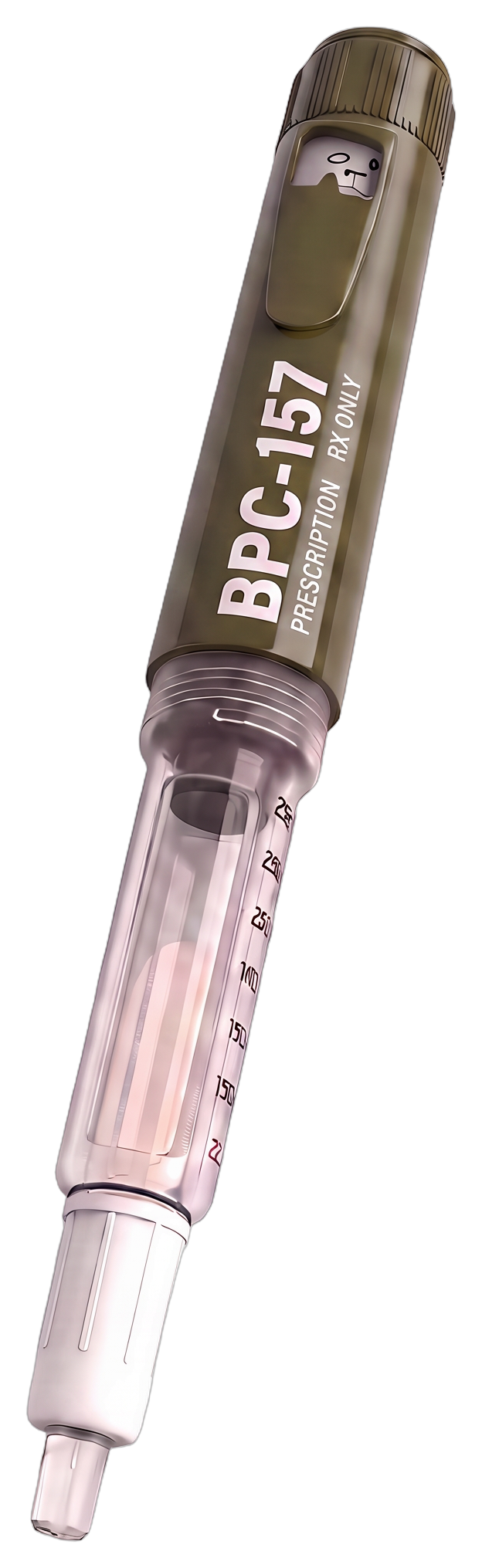
On 24 September 2026, McGill University's Office for Science and Society published commentary warning that BPC-157 and TB-500 are being promoted online as a self-injected “Wolverine” stack despite limited regulated product information. The post affects patients considering BPC-157, TB-500, or unmonitored peptide products, but it does not create a new prescribing rule by itself.
What happened
On 24 September 2026, McGill's science office published commentary on gray-market sourcing of BPC-157 and TB-500, two peptides that are often discussed together in online biohacking spaces. The piece focused on the gap between online promotion and the formal regulatory record, especially where patients buy products labeled for research use or from suppliers that are not operating under a patient-specific prescription model.
For U.S. patients, the primary regulatory check is the FDA record. FDA's public compounding guidance states that compounded drugs are not FDA-approved and that FDA does not review compounded drugs for safety, effectiveness, or quality before they are dispensed. FDA and DailyMed records checked for this post did not show an FDA-approved drug label under the names BPC-157 or TB-500.
McGill's article is commentary, not a clinical trial and not new safety or efficacy data. Its practical news value is that a major university science office is calling attention to sourcing, route of use, and regulatory status at a time when patients are asking more questions about peptides.
What it changes for patients
Nothing changes today in the way a U.S. patient should obtain a prescribed compounded peptide through Pepti. BPC-157 and TB-500 remain prescription-only in Pepti's care model, with physician review, documented eligibility, and ongoing 28-day refills when treatment is prescribed.
The commentary does change the level of attention patients should give to sourcing. If a product is sold online as a research chemical, without a prescription, without patient-specific medical oversight, or without transparent quality documentation, it is not the same thing as a prescribed compounded medication.
Patients comparing options should separate three issues: the molecule being discussed, the route of administration, and the source of the finished product. A peptide name on a vial or capsule does not tell a patient whether the product was compounded for them, whether it was tested, or whether it was dispensed under the supervision of a licensed clinician.
What it does not change
The McGill post does not make BPC-157 or TB-500 FDA-approved drugs. It also does not make compounded BPC-157 or compounded TB-500 FDA-approved; compounded medications are not FDA-approved, even when they are prescribed and dispensed legally.
It does not remove the need for a prescription. Pepti patients should begin with an /assessment, and clinicians decide whether BPC-157, TB-500, another option, or no peptide is appropriate based on the patient's information.
It also does not establish that oral BPC-157 and injectable BPC-157 have the same regulatory or scientific questions. Route matters because a swallowed peptide, an injected peptide, and a topical product can raise different formulation and exposure questions.
The U.S. regulatory context
FDA's compounding materials draw a sharp line between approved drug products and compounded drugs. A compounded medication may be prepared for an individual patient when legal requirements are met, but FDA says compounded drugs are not FDA-approved and are not reviewed by FDA before dispensing for safety, effectiveness, or quality.
Federal law also sets conditions for pharmacy compounding under section 503A of the Federal Food, Drug, and Cosmetic Act. Those conditions include patient-specific prescription elements and restrictions on what may be compounded.
McGill also referred to an FDA advisory panel discussion. Advisory committee input is not the same as a final FDA decision; FDA regulations describe advisory committees as bodies that provide independent advice and recommendations, while the agency makes the final regulatory decision.
The background
BPC-157 is a synthetic peptide discussed in research and wellness settings, including online forums where it is often paired with TB-500. TB-500 is commonly described in peptide commerce as related to thymosin beta-4 fragments, but product names in the gray market may not map cleanly to standardized labeling or a regulated finished drug record.
For patients, the important distinction is not internet terminology. It is whether there is a valid medical indication for that individual, a prescription, a documented source, and clear quality controls.
Pepti's reference pages give the baseline overview without relying on gray-market product claims: /learn/what-is-bpc-157 and /learn/what-is-tb-500.
Quality and sourcing
McGill's core concern was sourcing. A self-purchased product labeled BPC-157 or TB-500 may come with little practical information about identity, concentration, sterility, impurities, storage, or chain of custody.
Pepti's model is built around physician-led care rather than self-sourcing. Patients can review Pepti's quality approach at /quality and lab-result access at /quality/lab-results.
The distinction matters most for injectable products. Any injected product raises preparation, handling, sterility, and dosing-documentation issues that do not exist in the same way for a dietary supplement-style purchase or a forum recommendation.
For athletes
Athletes subject to anti-doping rules need a separate analysis. The World Anti-Doping Agency's Prohibited List includes non-approved substances within category S0, and WADA materials have specifically identified BPC-157 as an example of a prohibited non-approved substance.
That means a prescription discussion is not the only question for competitive athletes. If anti-doping rules apply, the athlete should confirm status with the relevant governing body before using any peptide product.
What happens next
The documented next step is FDA action, if any, through its own compounding and drug-regulation processes. An advisory committee recommendation does not itself change the law, approve a product, or create a new patient access pathway.
Until FDA publishes a final action that applies to these substances, patients should treat the McGill article as a sourcing and regulatory-status warning rather than a new treatment guideline. Pepti will continue to follow physician review, prescription requirements, and 28-day refill monitoring for patients who qualify.
Frequently asked questions
Are BPC-157 and TB-500 FDA-approved drugs?
FDA and DailyMed records checked for this article did not show an FDA-approved drug label under the names BPC-157 or TB-500. If either is prescribed as a compounded medication, it is still not FDA-approved because compounded medications are not FDA-approved.
Can I buy BPC-157 or TB-500 online without a prescription?
Patients should not treat research-chemical websites or unlabeled peptide sellers as a substitute for medical care. Pepti requires an /assessment and physician review before any prescription decision.
Does this affect Pepti refills?
No immediate refill change follows from the McGill commentary. If prescribed, Pepti care continues through ongoing 28-day refills with clinician oversight and any requested monitoring, including /blood-testing when appropriate.
Where can I learn about access and pricing?
Start with the product pages for /peptide/bpc-157 and /peptide/tb-500. Pricing information is available at /cost/bpc-157 and /cost/tb-500 without using gray-market sourcing.