Understanding the Role of Bloodwork in Peptide Therapy
Peptide therapy has gained popularity for its potential to optimize health, enhance weight management, and facilitate hormonal balance. However, embarking on this journey without proper understanding can lead to less-than-ideal results. One crucial element that cannot be overlooked is bloodwork.
What Is Bloodwork and Why Is It Important?
Bloodwork involves analyzing blood samples to assess various health markers, including hormone levels, nutrients, and metabolic indicators. Before starting any peptide or hormone therapy, it's essential to establish a baseline of your health. This serves several important functions:
- Personalized Treatment: Results from your bloodwork help tailor treatment to your unique needs.
- Safety Monitoring: Regular monitoring ensures that the therapy is effective and safe, allowing for adjustments as necessary.
- Tracking Progress: Follow-up tests can help measure improvements or changes in your health over time.
At [pepti], we offer comprehensive blood testing services, including at-home collection kits and in-lab draws, ensuring you're well-equipped to start your therapy journey.
The Link Between Bloodwork and Peptide Therapy
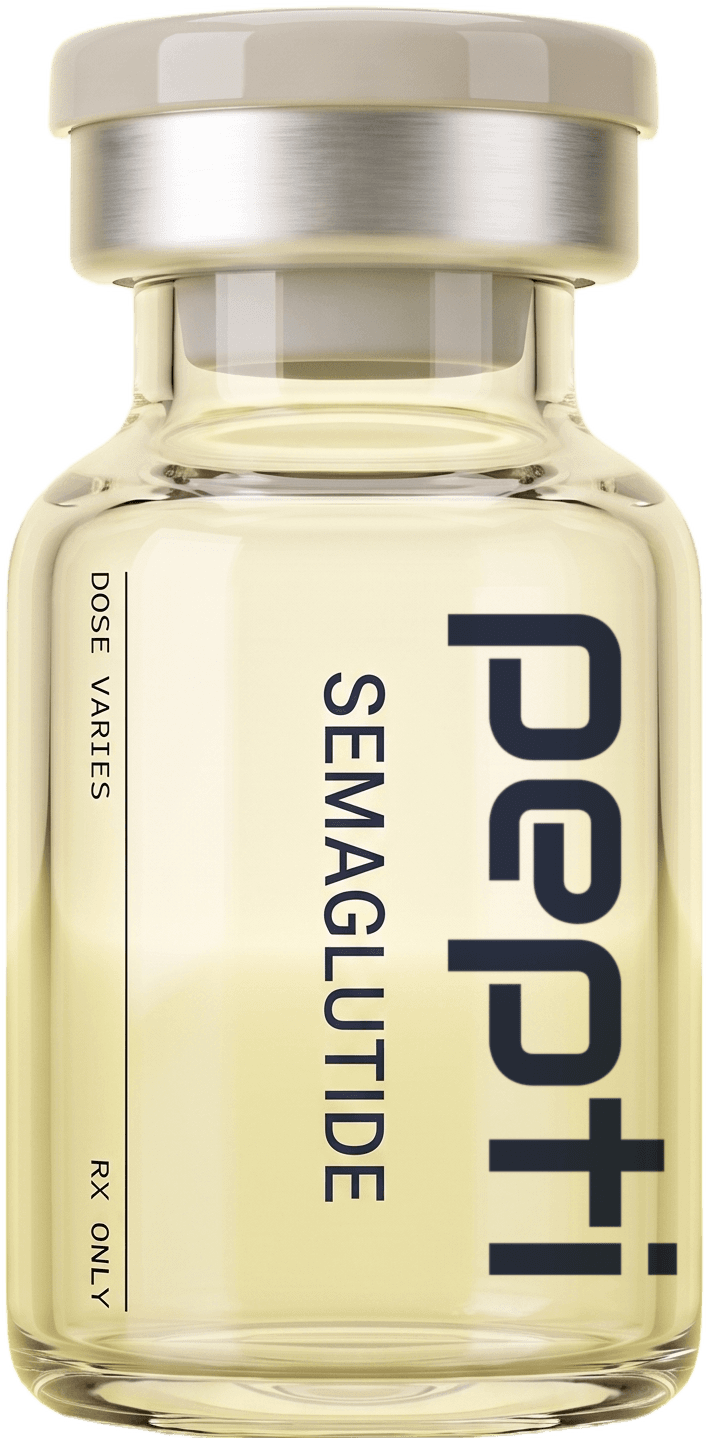
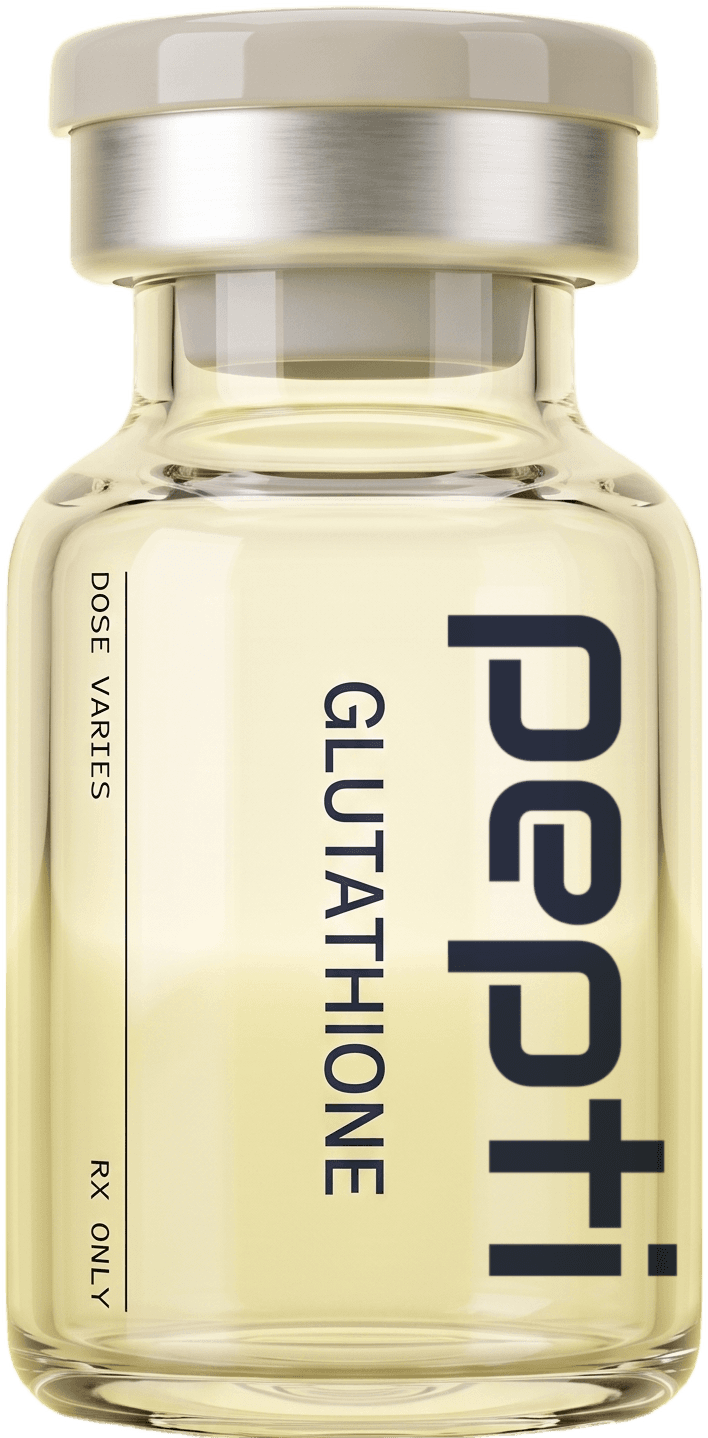
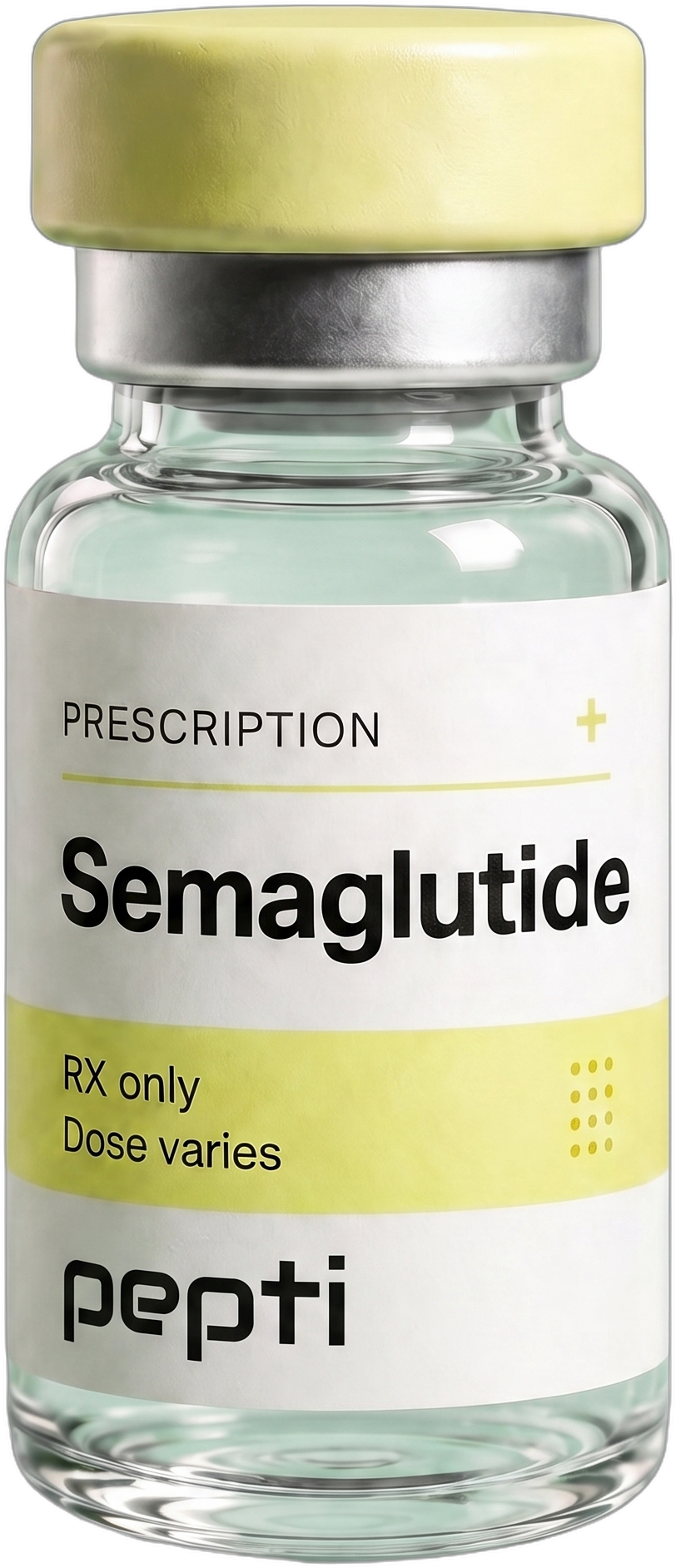
Whether you're considering Semaglutide for weight management or Glutathione Nasal Spray for its powerful antioxidant properties, understanding your biological markers is vital. Here are several reasons why blood monitoring is essential both before and during your peptide therapy:
- Optimize Dosage: Blood tests provide insights into how your body metabolizes peptides, allowing for optimal dosing.
- Identify Deficiencies: Blood panels can reveal nutrient deficiencies that may hinder your therapy's effectiveness.
- Prevent Adverse Effects: Some individuals may experience side effects from peptide treatments; monitoring helps catch these early.
What Tests Should You Consider?
For effective peptide therapy, various panels can be beneficial. At [pepti], we recommend including:
- Hormone Panels: To assess testosterone, estrogen, and thyroid hormone levels.
- Metabolic Panels: To check blood sugar levels, cholesterol, and liver function.
- Nutrient Panels: To evaluate vitamins and minerals that support overall health, like B vitamins and magnesium.
By having a clear picture of these biomarkers, you can make informed decisions about your treatment plan.
The Role of Glutathione in Your Health Journey
Let's focus on one specific peptide, Glutathione Nasal Spray. Known as the master antioxidant, glutathione helps reduce oxidative stress, detoxify the body, and supports cellular function. Starting glutathione therapy without understanding your baseline antioxidant levels can be counterproductive. Therefore, incorporating bloodwork can enhance the benefits of this treatment.
Making Bloodwork Convenient
At [pepti], we make blood testing easy and accessible. Our free standard panel included with any peptide therapy provides a great baseline, and you have the option to explore more detailed testing for comprehensive insights.
For additional details on the biomarkers we test, check out our biomarkers page.
Frequently Asked Questions
How often should I get bloodwork while on peptide therapy?
Regular blood testing should typically occur every 3 to 6 months throughout your therapy. This ensures you can track any changes in your body, allowing for timely adjustments to your treatment plan.
Can I do blood tests at home?
Yes! We offer physician-reviewed at-home blood collection kits, making it convenient for you to monitor your health without the need for frequent clinic visits.
What should I do if my bloodwork shows abnormal results?
If your bloodwork reveals any abnormalities, your healthcare provider will discuss the findings with you and likely recommend adjustments to your therapy or further investigations. It's important to act on any significant changes to maintain your health.
Take the first step in optimizing your health and wellness by taking our free assessment at pepti. Understanding your body is the key to effective treatment!