How to verify a peptide vendor is legit comes down to three basics: a real prescription from a named clinician, dispensing through a licensed pharmacy, and a care model that uses medical history and labs when appropriate. If a site sells injectable peptides as research products, skips physician review, or cannot tell you which licensed pharmacy fills the medication, treat that as a red flag.
For hormone-related peptides like Gonadorelin, legitimacy matters even more because treatment decisions may depend on baseline hormone markers, fertility goals, symptoms, and follow-up monitoring. A trustworthy peptide telehealth platform should make the path clear: assess, prescribe if appropriate, dispense through a licensed pharmacy, and monitor over time.
Key takeaways
- A legitimate peptide vendor requires a prescription. No prescription or no medical review is a major warning sign for injectable peptides.
- Verify the pharmacy, not just the website. Look for the dispensing pharmacy name, state license, and a way to confirm it through a state board of pharmacy.
- LegitScript can be a useful trust signal. It is not the only requirement, but certification or transparent compliance review can help separate serious healthcare operations from anonymous sellers.
- Named prescribers matter. You should know who is reviewing your case and who is responsible for your prescription if treatment is approved.
- Bloodwork is part of safe hormone care. For Gonadorelin and other hormone-axis therapies, baseline and follow-up labs help guide eligibility, dosing, and monitoring.
- Avoid research-chemical shortcuts. Gray-market vendors may advertise low prices, but they often lack prescription oversight, pharmacy accountability, and patient recourse.
How to verify a peptide vendor is legit before buying
Start by asking a simple question: is this a healthcare service or a product checkout page? A legitimate peptide telehealth provider behaves like medical care, not like a supplement store with syringes.
Before you enter payment information, look for:
- A clinical intake that asks about diagnoses, medications, allergies, symptoms, and goals
- A prescription process requiring review by a licensed prescriber
- A named medical group, clinical team, or prescriber pathway
- A licensed U.S. pharmacy that dispenses the medication
- Clear safety information, contraindications, and follow-up options
- Transparent pricing and refill policies
- Secure handling of medical information
If the site lets anyone buy injectable peptides with no medical history, no prescription, and no pharmacy information, that is not doctor-prescribed peptide care. It is a transaction without the safeguards patients should expect.
How do I check if a peptide pharmacy is licensed?
A legitimate peptide prescription should be dispensed by a licensed pharmacy. The pharmacy name should appear in the care process, on prescription labeling, or in patient documentation. If a company refuses to disclose who compounds or dispenses the product, that is a red flag.
To verify a pharmacy license, use this 4-step process:
- Find the pharmacy name and location. It should be a real business entity, not just a brand name.
- Search the state board of pharmacy website. Every U.S. state maintains license lookup tools.
- Confirm the license is active. Check that the license status is current and not expired, suspended, or restricted.
- Match the details. The pharmacy name, address, and license category should line up with what the vendor provides.
For compounded injectable medications, licensing and sterile compounding standards matter because the route of administration raises the stakes. You want a pharmacy with accountability, documented processes, and regulatory oversight, not an anonymous vial from an unknown source.
What is LegitScript, and why does it matter for peptide telehealth?
LegitScript is a third-party verification and monitoring organization used in healthcare, pharmacy, telehealth, and online advertising ecosystems. For patients, seeing LegitScript certification or a clear compliance posture can be a helpful signal that a company has undergone review for licensing, transparency, and healthcare advertising standards.
That said, LegitScript is not a replacement for the fundamentals. A legitimate peptide provider should still require prescription review, use licensed pharmacies, protect patient data, and provide clinical support. Think of LegitScript as one layer in a broader verification checklist, not a magic badge that answers every question.
If a vendor uses vague language like research only, not for human use, or laboratory grade while also implying personal use, step back. That language often appears in gray-market peptide sales where there is no patient-prescriber relationship and no pharmacy dispensing accountability. For a deeper comparison, see gray market vs Pepti.
Why named prescribers are a non-negotiable signal
In real telehealth care, a licensed clinician reviews your intake and decides whether treatment is appropriate. You may not meet that clinician face-to-face, but the prescribing relationship should not be anonymous.
A legitimate platform should be able to answer:
- Who reviews my medical intake?
- What type of licensed clinician can prescribe in my state?
- Will my prescription label identify the prescriber and pharmacy?
- How do I contact the care team if I have side effects or questions?
- What happens if labs suggest treatment is not appropriate?
Be cautious with websites that use generic phrases like medical team reviewed without any evidence of licensed clinical oversight. Named prescribers create accountability. They also protect patients by making it possible to document allergies, medication interactions, health history, and follow-up needs.
Why Gonadorelin requires real clinical review
Gonadorelin is an injectable peptide used in hormone support and fertility contexts. It acts on the hypothalamic-pituitary-gonadal axis by signaling the pituitary to release luteinizing hormone and follicle-stimulating hormone in appropriate patients. Because that axis is measurable and individualized, it should not be treated like a generic wellness product.
Before prescribing Gonadorelin, a clinician may want to understand:
- Fertility goals and reproductive history
- Symptoms related to hormonal imbalance
- Baseline hormone markers
- Current medications and supplement use
- Relevant metabolic and thyroid markers
- Whether follow-up labs are needed to track response
This is where physician-reviewed at-home testing becomes useful. Pepti offers blood testing with at-home collection kits for hormone, metabolic, and thyroid panels. When a physician requires bloodwork and a patient has no recent labs, Pepti can offer an at-home panel for $129, and patients can review the biomarkers we test before starting.
Bottom line: with hormone-axis peptides, labs are not busywork. Baseline and follow-up bloodwork help clinicians confirm whether treatment makes sense, monitor changes over time, and adjust care based on real data rather than guesswork.
What red flags suggest a peptide vendor is not legitimate?
Most questionable vendors reveal themselves quickly if you know what to look for. The biggest red flags are shortcuts around prescriptions, pharmacy licensing, and patient safety.
Watch for these warning signs:
- No prescription required for injectable peptides
- Research use only language paired with consumer wellness claims
- No named pharmacy or inability to verify a pharmacy license
- No clinician review beyond a checkout form
- Anonymous prescribers or unclear medical responsibility
- No lab discussion for hormone or metabolic therapies
- Unrealistic claims such as guaranteed fat loss, fertility outcomes, or overnight recovery
- Bulk powder or multi-vial bundles marketed like gym supplies
- No adverse event process or clinical support channel
- Payment methods that avoid accountability, such as crypto-only checkout
This does not mean every low-cost offer is automatically unsafe, or that every polished website is trustworthy. It means patients should verify the care model. Legitimate medicine has traceability: a clinician, a prescription, a pharmacy, documentation, and follow-up.
What should a legitimate peptide telehealth visit include?
A good peptide telehealth process should feel structured, not mysterious. For some patients, a clinician may approve treatment based on history and current health information. For others, labs may be required before prescribing.
A typical legitimate workflow includes:
- Assessment: You share goals, symptoms, medical history, medications, and contraindications.
- Clinical review: A licensed prescriber determines whether a peptide is appropriate.
- Lab review when needed: Hormone, metabolic, or thyroid markers may be checked before or during treatment.
- Pharmacy dispensing: Medication is filled by a licensed pharmacy if approved.
- Clear instructions: You receive dosing directions, storage guidance, and safety information.
- Follow-up: The care team monitors response, side effects, and whether labs should be repeated.
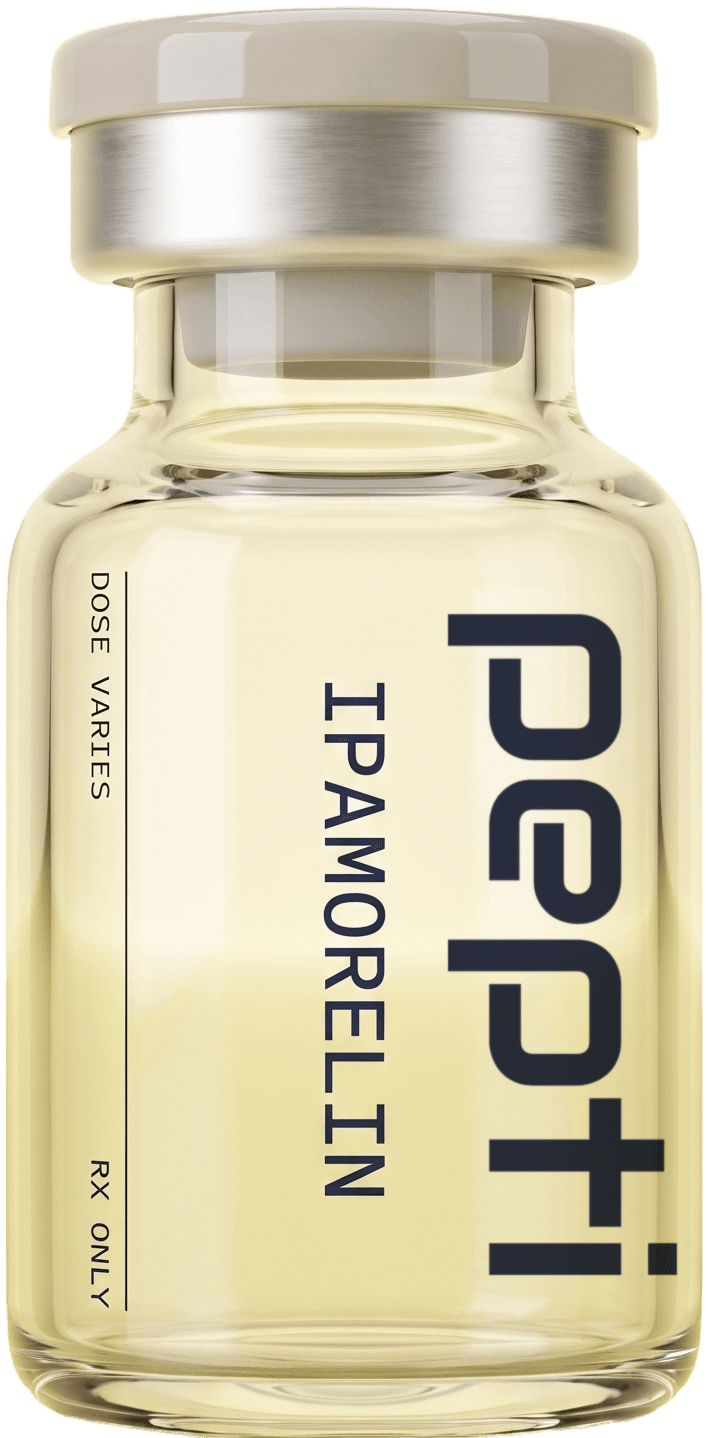
This model applies across different peptide categories. For example, someone exploring CJC-1295 / Ipamorelin for growth and recovery goals may need a different monitoring plan than someone considering Semaglutide for medical weight management or BPC-157 for healing and gut health support. The point is not that every peptide requires the same labs; it is that a clinician should decide based on the patient.
How bloodwork, supplements, and tracking close the loop
Legitimacy is not only about getting the vial safely. It is also about knowing whether your plan is working.
Pepti’s broader model is test, treat, track. At-home bloodwork can identify hormone, metabolic, thyroid, and nutrient patterns. The Daily Pack can be built from a patient’s own bloodwork, using uploaded labs or a Pepti panel to assemble daily supplement sachets around real deficiencies and goals. Pepti One adds sleep, HRV, heart-rate, and recovery tracking into the app so patients can see treatment, labs, and recovery data together.
That kind of feedback loop is especially useful when symptoms are subjective. Energy, libido, recovery, appetite, and sleep can fluctuate for many reasons. Pairing biomarkers with daily data helps patients and clinicians avoid overreacting to a single bad week or missing a trend that deserves attention.
A 7-point checklist for legitimate peptide care
Use this checklist before buying peptides online:
- Prescription required: The site should not sell injectable peptides without clinician approval.
- Licensed prescriber: The platform should make clinical responsibility clear.
- Licensed pharmacy: You should be able to verify the dispensing pharmacy through a state board.
- LegitScript or compliance signals: Look for transparent healthcare compliance, not just marketing badges.
- Medical intake: The assessment should ask real health questions, not just shipping details.
- Labs when appropriate: Hormone and metabolic therapies should include bloodwork review when clinically needed.
- Support and recourse: You should know who to contact for side effects, shipping issues, dosing questions, and refills.
If a vendor fails more than one or two of these, keep looking. The safest peptide plan is not necessarily the one with the flashiest discount. It is the one with medical oversight, licensed pharmacy fulfillment, and a system for monitoring outcomes.
Frequently asked questions
Can I legally buy peptides online without a prescription?
For prescription peptide therapy, you should expect a licensed clinician to review your health information and prescribe only if appropriate. Sites that sell injectable peptides without any prescription process are often operating outside a true patient-care model.
How can I tell if peptide purity testing is real?
A legitimate pharmacy-grade process should have traceability, quality controls, and dispensing accountability through a licensed pharmacy. Be cautious with vendor-posted certificates that do not connect to a lot number, pharmacy, patient prescription, or verifiable source.
Does Gonadorelin require bloodwork before starting?
It depends on the patient and the prescriber’s judgment, but hormone-axis care often benefits from baseline and follow-up labs. At-home hormone, metabolic, and thyroid testing can help clinicians evaluate whether Gonadorelin is appropriate and how the body is responding.
Is LegitScript enough to prove a peptide telehealth company is safe?
LegitScript is a useful trust signal, but it should not be the only thing you check. You still want prescription review, named clinical responsibility, licensed pharmacy dispensing, privacy protections, and follow-up support.
Ready to explore doctor-prescribed peptide therapy with the right safeguards? Take the free assessment at /assessment to see what a physician-reviewed plan could look like for your goals.