Starting Oxytocin: The First 30 Days Unpacked
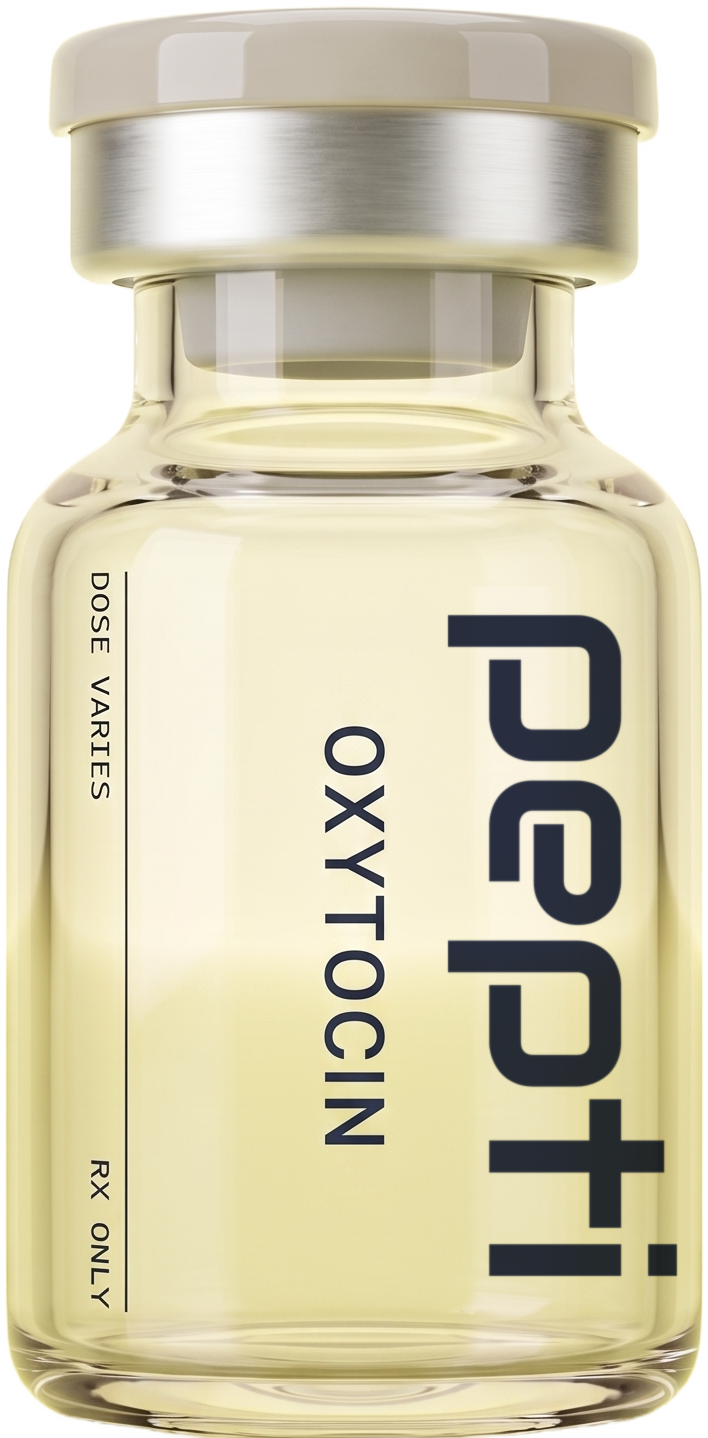
If you’ve been prescribed Oxytocin through [pepti] for connection, bonding, and well-being, you might be wondering: What actually changes in the first month? Whether you’re using the classic injectable or needle-free Oxytocin Nasal Spray, understanding your peptide journey helps set expectations and maximize benefits.
Let’s walk through a typical 30-day experience—side by side with tips, what to track, and how to use blood testing for a truly personalized plan.
Week 1: Subtle Shifts & Initial Reactions
Many people start Oxytocin for support with social bonding, emotional connection, or intimacy. In the first week, you may notice:
- Subtle mood shifts: A sense of calm, ease, or emotional openness can emerge within hours or days for some.
- Mild physical sensations: Some report a gentle warming, sense of relaxation, or even slight drowsiness, especially with the nasal spray.
- Connection cues: Increased eye contact, more comfort with touch, or a lowered sense of social anxiety.
Pro tip: Track your experience in a daily journal or a simple mood app. Jot down not only emotional changes but also social interactions and any physical sensations. This helps you and your pepti doctor fine-tune your plan.
Week 2: Building Consistency & Noticing Patterns
By the second week, users often describe clearer patterns:
- Enhanced closeness: Deeper conversations or easier emotional sharing with loved ones.
- Social engagement: Reduced shyness or avoidance in group situations.
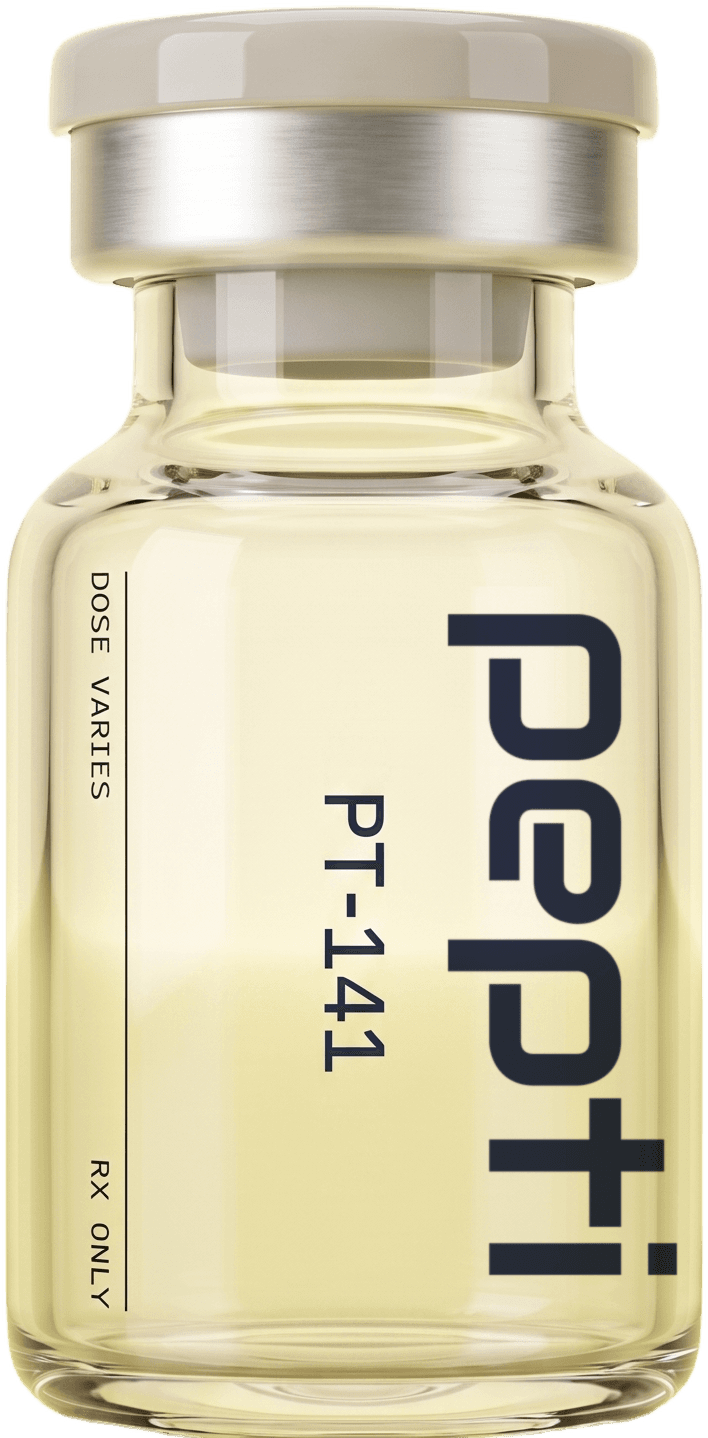
- Intimacy boost: Heightened feelings of trust and safety with partners—sometimes seen alongside PT-141 if prescribed together.
It’s normal for effects to ebb and flow as your system adjusts. Some days, Oxytocin’s impact may feel more pronounced; other days, it’s subtle.
Callout:
Tip: Stick to your scheduled dosing. Oxytocin’s connection benefits are often most noticeable with daily or consistent use, but always follow your doctor’s guidance.
Week 3: Deepening Benefits & Adjustments
By now, you’ll likely have a sense of whether Oxytocin is helping you reach your initial goals. Common developments include:
- Stronger relationship bonds: Feeling more present and empathetic during interactions.
- Lowered stress responses: Some users notice less reactivity or better stress management.
- Routine integration: The peptide becomes a natural part of your daily or weekly wellness stack.
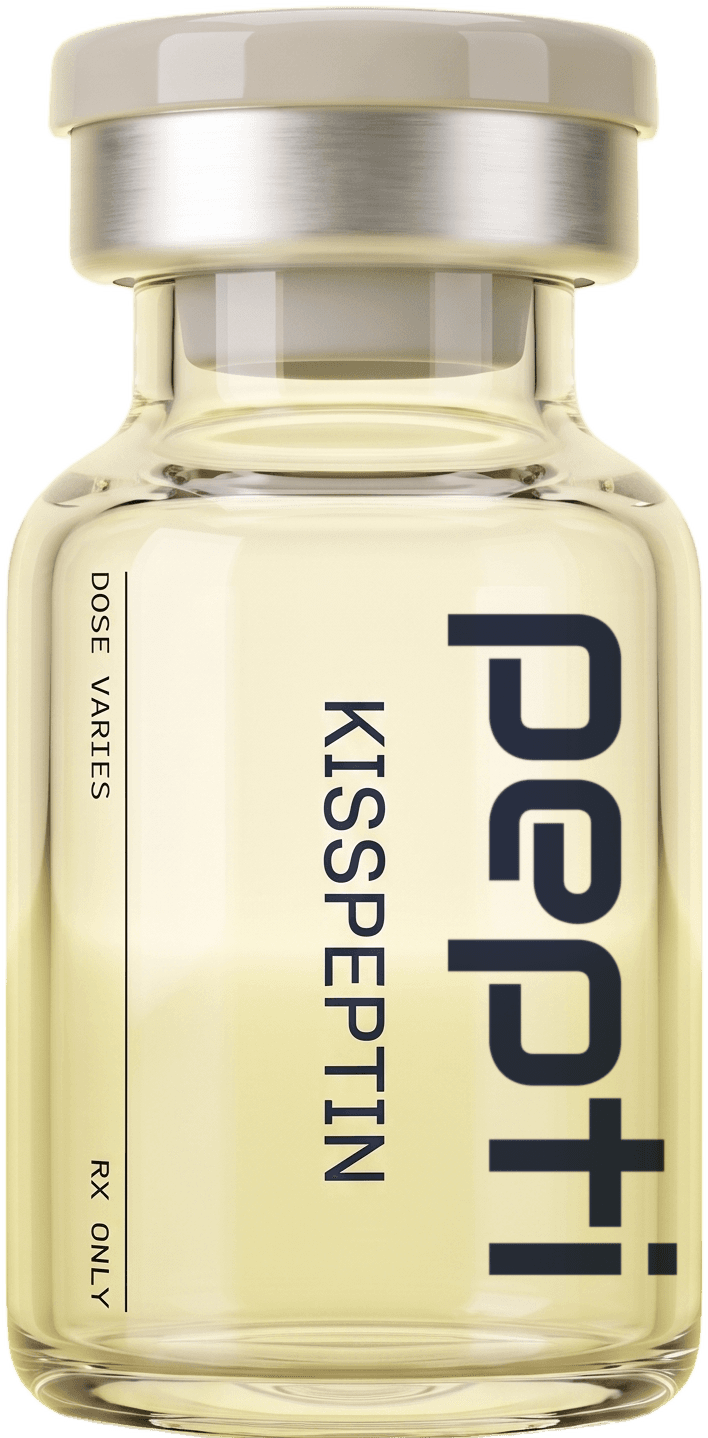
If you’re also using hormone or metabolic therapies (like Kisspeptin or Semaglutide), this is a perfect time to check in and note how the combination feels.
Week 4: Reflection, Results & Next Steps
At the one-month mark, most pepti patients are ready to reflect:
- Has your mood or sense of connection shifted?
- Are social or relationship goals being met?
- Any side effects or changes in tolerance?
This is an ideal time to reconnect with your prescriber, review your journal, and consider any tweaks. If your doctor recommends it, baseline and follow-up blood testing (even for peptides like oxytocin) can help rule out underlying hormonal or metabolic imbalances that might influence your results. Explore the biomarkers we test for a complete picture.
Why bloodwork?
- Confirms baseline hormone and metabolic health
- Detects unrecognized deficiencies or imbalances
- Optimizes safety for peptide and hormone therapies
Remember, pepti includes a standard panel free if your doctor requests it—making personalized, safe care even easier.
Tips for a Successful First Month
- Stay consistent: Adherence is key—set reminders or pair dosing with a daily routine.
- Track your journey: Brief daily notes help spot patterns and inform your care team.
- Communicate: Share changes or concerns with your pepti provider for ongoing support.
- Explore synergy: If intimacy or mood is a goal, ask your doctor about complementary therapies like PT-141 or Kisspeptin.
- Check-in with bloodwork: Baseline + follow-up labs ensure you’re moving toward your goals safely.
Frequently asked questions
How quickly will I notice the effects of Oxytocin?
Some people experience subtle changes—like feeling calmer or more socially engaged—within hours or days. For others, it may take 1–3 weeks of consistent use to notice clear benefits. Effects often build gradually.
Is blood testing needed for Oxytocin therapy?
While Oxytocin specifically isn’t monitored in standard blood panels, baseline hormone and metabolic testing help ensure no hidden issues affect your results. Your pepti doctor may recommend blood testing to personalize your protocol and optimize safety.
Can Oxytocin be combined with other peptides or therapies?
Yes! Many users stack Oxytocin with peptides like PT-141 for intimacy, or Kisspeptin for hormonal balance. Always discuss combinations with your healthcare provider to ensure synergy and safety.
Ready to discover your personalized Oxytocin protocol? Take the free assessment at pepti.com/assessment to get started!