Compounded Peptides in 2026: What Has Changed?
Peptide therapy—including popular blends like CJC-1295 / Ipamorelin—is seeing a major shift in the United States as the regulatory landscape evolves heading into 2026. Patients, clinicians, and telehealth providers like [pepti] are adapting to new rules, opportunities, and ongoing questions about safety and access.
This article breaks down where things stand, what’s driving change, and what you need to know if you’re considering compounded peptides for growth, recovery, anti-aging, or other goals.
The 2026 Regulatory Backdrop: Why Now?
The basics of compounding laws
Compounded peptides are custom-made by specialized pharmacies for individual patients, not mass-produced by pharmaceutical companies. This practice has long filled key gaps in care—but regulatory agencies like the FDA have increased scrutiny in recent years to ensure safety, efficacy, and quality.
2023-2026: A period of rapid change
- In 2023-2024, the FDA clarified its stance on permissible compounding and ramped up enforcement around which peptides can legally be made and prescribed.
- By 2026, pharmacies, doctors, and telehealth platforms have updated their protocols to stay compliant, affecting which peptides are available, under what rules, and how prescriptions are written and filled.
Key fact: The FDA's focus is on safety, purity, and demonstrating a legitimate medical need. This means more robust documentation and lab testing—but also better patient safeguards.
What Peptides Are Still Available? (And Which Are Not)
Despite new hurdles, many peptides remain accessible when prescribed by a doctor for a specific patient need. On [pepti], you’ll find:
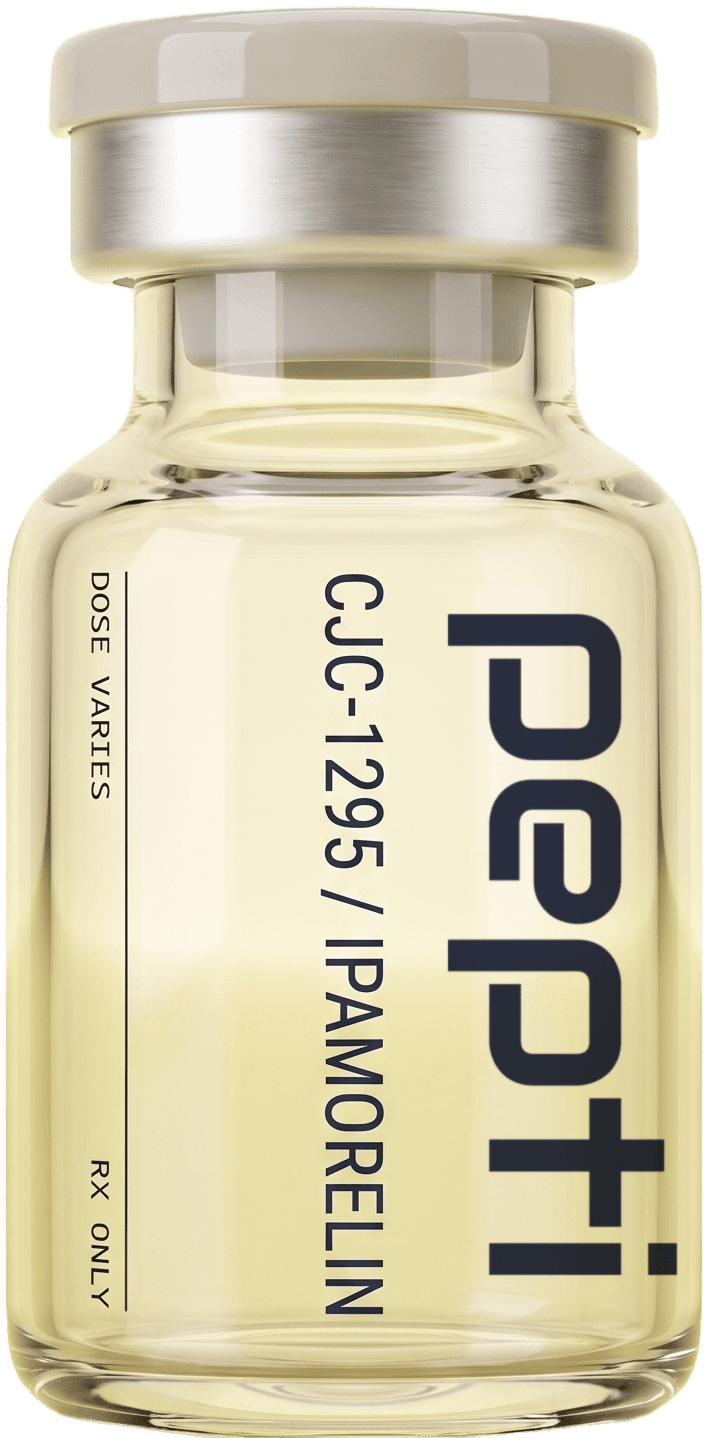
- CJC-1295 / Ipamorelin: Popular for growth hormone support, anti-aging, and recovery.
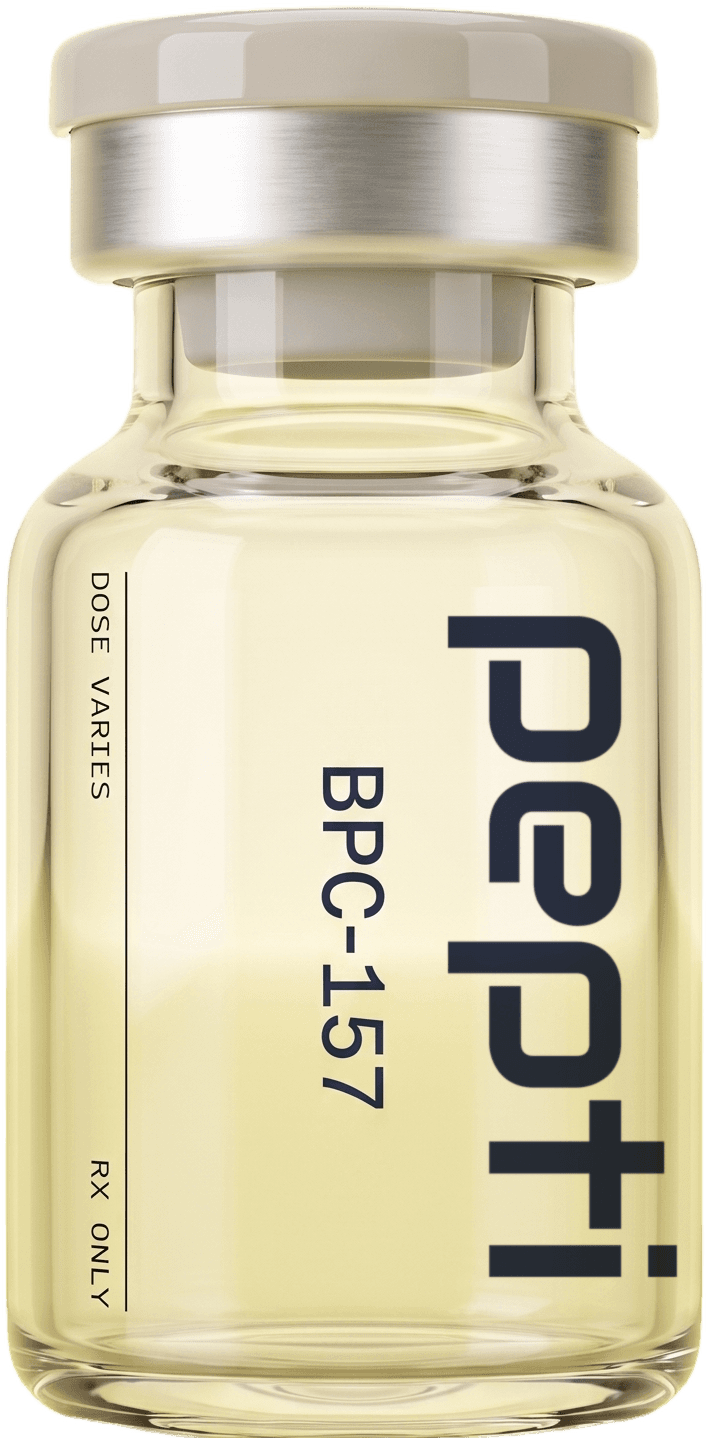
- BPC-157: Accelerated healing and gut health.
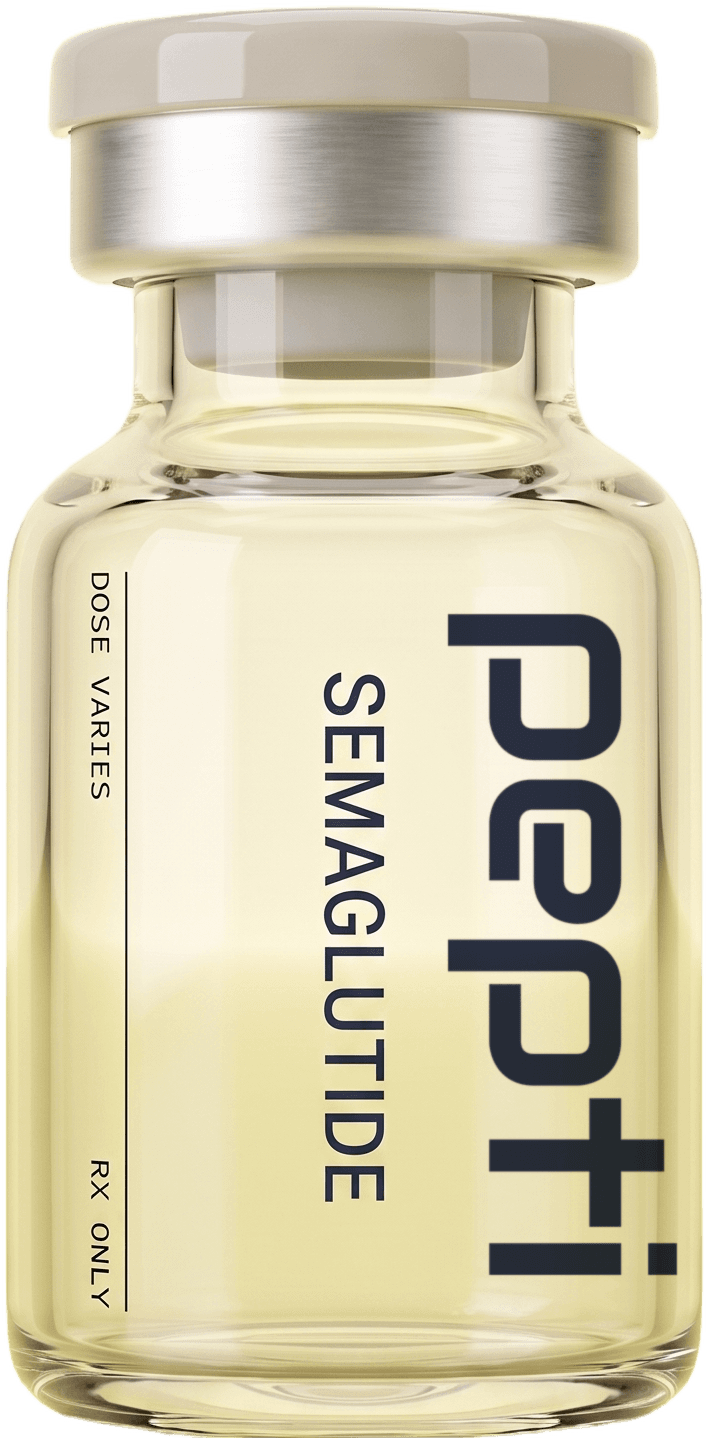
- Semaglutide (Oral): GLP-1 for weight loss—no needles.
- Epithalon: Support for longevity and telomere function.
- Dozens more, each backed by physician evaluation and pharmacy-grade quality controls.
Note: Certain compounds may come and go from allowed lists as regulations update. Always check with your provider before starting or continuing therapy.
How Does the 2026 Regulatory Update Affect Patients?
Prescriptions are more personalized and monitored
Doctors must document a clear clinical need for each patient before prescribing a compounded peptide. Expect a deeper intake process, review of health history, and—when appropriate—baseline and follow-up blood testing to ensure both effectiveness and safety.
Increased transparency and quality
2026 rules require:
- Use of accredited compounding pharmacies with enhanced testing and documentation
- Stricter limits on which peptides can be compounded
- Clearer labeling, dosing, and patient education
What about price and availability?
Some costs may go up as pharmacies invest in compliance. On the flip side, patients benefit from higher purity, lower risk of contamination, and better oversight.
In short: If you’re prescribed a peptide like CJC-1295 / Ipamorelin, you can feel confident it was made to the highest standards—and your provider can offer ongoing support and monitoring.
Spotlight: CJC-1295/Ipamorelin Under the 2026 Rules
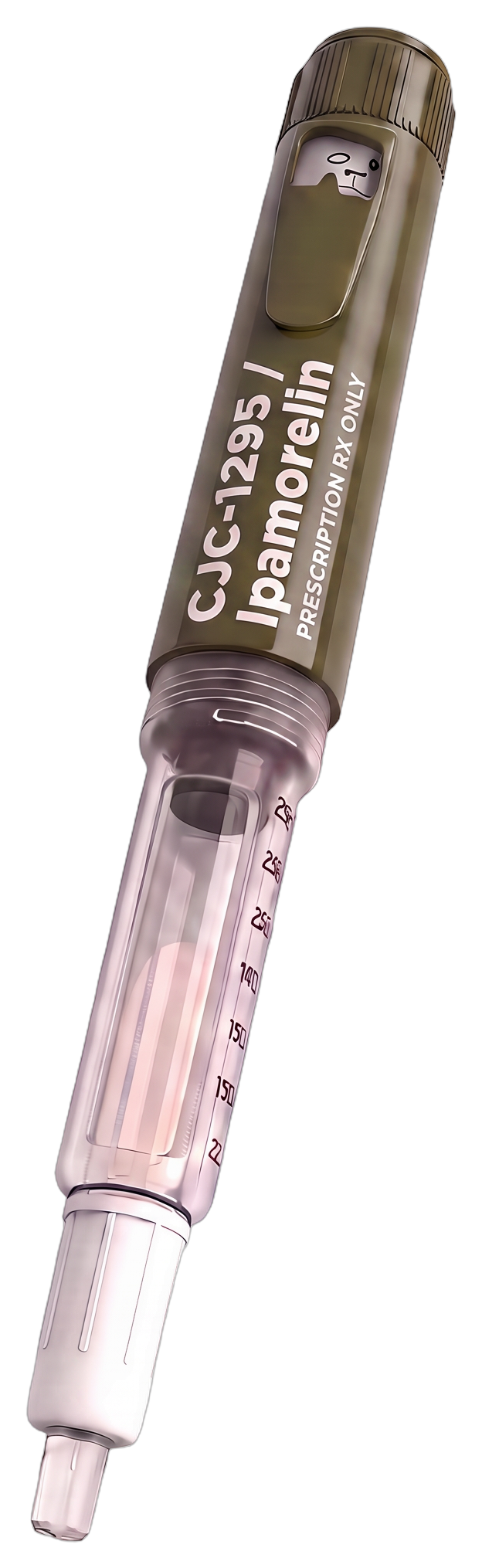
CJC-1295 / Ipamorelin remains one of the most requested compounded blends, thanks to its dual action on growth hormone release, body composition, and recovery. Under current guidelines:
- Only licensed prescribers with documented patient need can order CJC-1295/Ipamorelin from compliant pharmacies.
- Each batch must undergo identity and purity testing.
- Follow-up monitoring—including bloodwork for IGF-1, metabolic markers, and other biomarkers—is recommended to optimize results and minimize risks.
Why bloodwork matters:
- Baseline labs establish your starting point (growth hormone axis, metabolic health, organ function)
- Follow-up tests track your response, catch side effects early, and help your provider adjust dosing
Working With a Telehealth Provider Like Pepti
[pepti] ensures every compounded peptide prescription follows the latest legal and clinical guidelines:
- Physician intake to determine your goals, risk factors, and suitability
- Blood testing available as at-home kits or in-lab draws (included if required)
- Transparent product sourcing with direct pharmacy integration
- Ongoing digital check-ins and easy access to your care team
You can explore the full menu of peptides and blended protocols on the site—with clear monthly pricing, no hidden fees.
Frequently asked questions
Is CJC-1295/Ipamorelin still legal to prescribe in 2026?
Yes—when prescribed by a licensed clinician based on an individualized medical need, and filled by a compliant compounding pharmacy, CJC-1295/Ipamorelin is available for qualifying patients. The prescription process is now more regulated and transparent than ever.
Why do I need bloodwork before or during peptide therapy?
Baseline and follow-up blood testing helps your provider understand your unique hormone, metabolic, and organ health profile. It’s key for personalizing your dose, maximizing results, and catching potential side effects early.
How do I know my compounded peptide is safe?
Reputable providers like [pepti] only source from accredited, compliant pharmacies. Each prescription is physician-reviewed, and you have easy access to your bloodwork and digital care team for ongoing monitoring and support.
Ready to see if peptide therapy is right for you? Take the free assessment here.