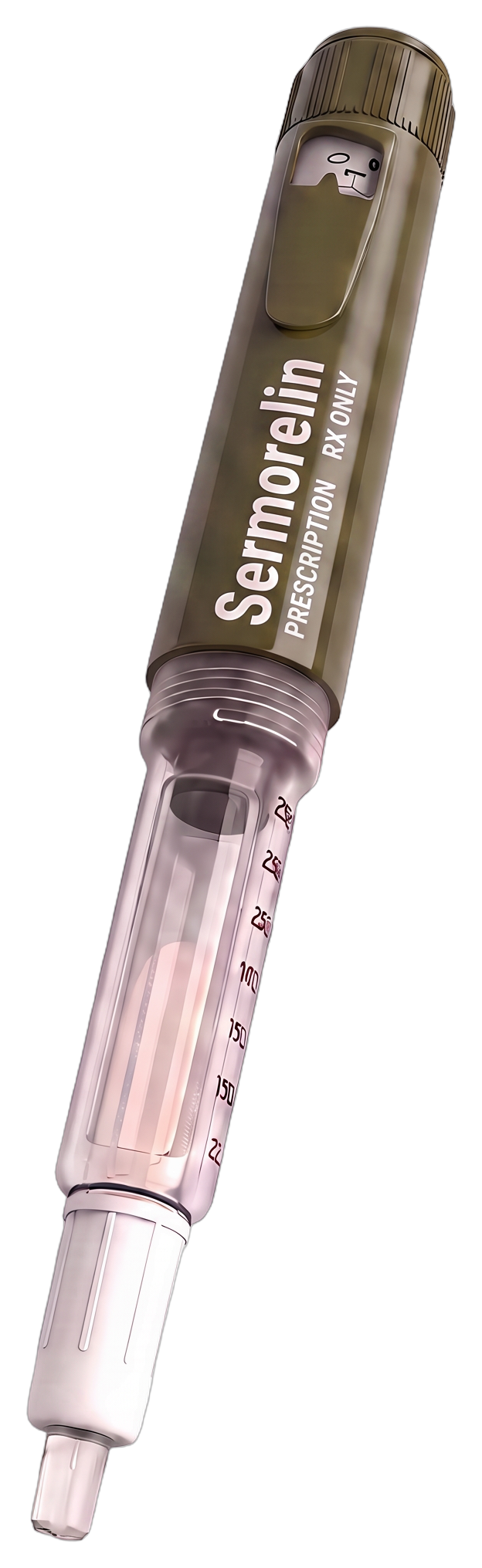
Buy sermorelin online safely by using a doctor-prescribed path: physician review, a valid prescription, and fulfillment through a licensed pharmacy. Research-site peptides may look cheaper upfront, but they are typically labeled for laboratory use, may lack sterile-use safeguards, and leave you responsible for dosing, storage, labs, and recourse.
For an injectable peptide like Sermorelin, sourcing matters as much as the molecule itself. The safest question is not just “Where can I buy it?” but “Who is reviewing whether it is appropriate for me, where is it compounded, and what happens if something goes wrong?”
Key takeaways
- Sermorelin for human use should be doctor-prescribed, not self-sourced from “research use only” websites.
- Licensed pharmacies provide stronger safeguards around sterility, documentation, lot tracking, storage, and patient support.
- Research-site pricing can be misleading because it often excludes medical review, supplies, labs, shipping, wasted vials, and risk of unusable product.
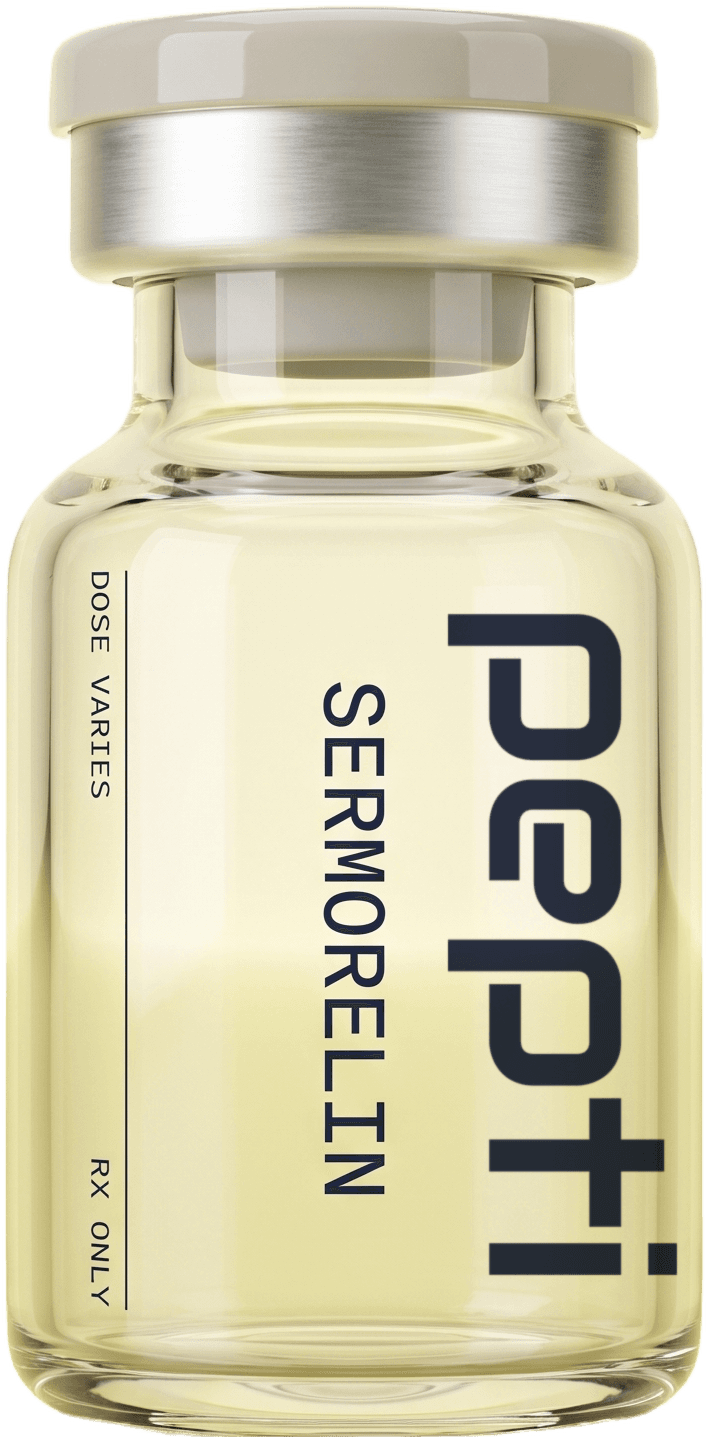
- Pepti’s Sermorelin program is $249/month, with physician review and pharmacy fulfillment built into the care model.
- Baseline and follow-up bloodwork matter, especially for IGF-1, metabolic health, thyroid context, and safety monitoring.
What is sermorelin, and why does sourcing matter?
Sermorelin is a synthetic version of growth hormone–releasing hormone, often abbreviated GHRH. Instead of directly providing growth hormone, it signals the pituitary gland to release growth hormone in a more physiologic, pulse-like pattern. Clinicians may use it in adults as part of a broader growth, recovery, sleep, body-composition, or longevity-focused plan.
Because sermorelin is injectable, sourcing is not a cosmetic detail. You are not just buying a powder; you are relying on correct identity, potency, sterility, storage, reconstitution instructions, and appropriate patient screening. A tiny vial can look professional while still leaving major questions unanswered.
That is why pharmacy-vs-research-site comparisons should focus on three things:
- Is it intended and labeled for human use?
- Was it dispensed under a valid prescription?
- Is there a clinician and pharmacy accountable for the process?
If the answer to any of those is unclear, pause before injecting anything.
Pharmacy sermorelin vs research-site sermorelin: what is the difference?
A licensed pharmacy route starts with medical review. A clinician evaluates your history, goals, medications, contraindications, and, when needed, labs. If sermorelin is appropriate, the prescription is sent to a licensed pharmacy that compounds and dispenses the medication for that patient.
A research-site route usually works very differently. The website sells vials labeled for laboratory research, not for human administration. You may see phrases like “not for human consumption” or “research use only.” That language is not a harmless technicality—it means the seller is not operating as your pharmacy, not reviewing your health history, and not accepting responsibility for clinical use.
Pharmacy route: what you typically get
A doctor-prescribed pharmacy model generally includes:
- Physician review before treatment
- A prescription tied to you as the patient
- Licensed pharmacy fulfillment
- Product labeling and instructions
- Lot-level traceability
- Support if shipping, storage, or reaction questions come up
- Clinical guidance on labs and follow-up
Research-site route: what you typically do not get
A research-chemical vendor may offer a lower vial price, but usually does not provide:
- A medical assessment
- Confirmation the product is appropriate for you
- Sterile-use counseling
- A pharmacist available for patient questions
- Reliable adverse-event recourse
- Ongoing lab monitoring
- Accountability if the product is underfilled, degraded, mislabeled, or contaminated
For a deeper comparison, see gray market vs Pepti. The goal is not fear; it is clarity. With injectables, the cheapest source is not always the lowest-risk source.
How to verify a sermorelin seller before you buy
If you are evaluating any peptide seller, use a practical checklist. The more boxes a company cannot answer clearly, the more cautious you should be.
1. Does the seller require a prescription?
For human-use sermorelin, a prescription requirement is a good sign. It means a clinician must decide whether the medication is appropriate rather than letting checkout happen with no medical context.
If a site lets anyone buy injectable sermorelin in two minutes with no prescription, no health questions, and no clinician review, that is a red flag.
2. Is the pharmacy licensed?
Ask where the medication is dispensed from and whether the pharmacy is licensed. A legitimate patient-care model should be able to identify the pharmacy and provide reasonable documentation, not hide behind vague phrases like “pharma grade” without proof.
For sterile injectables, pharmacy standards are especially important because contamination risk is not theoretical. Sterility, handling, and lot tracking all matter.
3. Are certificates of analysis lot-specific?
A certificate of analysis, or COA, can be useful—but only if it is specific to the lot you received and comes from a credible testing process. Generic COAs posted on a product page do not necessarily prove the vial in your hand matches the paperwork.
Also remember that a COA focused on peptide identity and purity is not the same as patient-ready sterile assurance. For injectables, purity is only one part of the safety picture.
4. Are the claims realistic?
Be cautious with sellers promising extreme fat loss, instant anti-aging, permanent growth hormone increases, or guaranteed results. Sermorelin may support growth-hormone signaling in appropriate patients, but response varies and should be monitored.
A reputable medical program will talk about screening, expectations, side effects, and follow-up—not just transformation photos.
5. Is pricing transparent?
Look for the true monthly cost, not just the cheapest vial. Transparent pricing should make it clear what is included: medical review, medication, supplies, shipping, follow-up, and lab requirements when applicable.
If you need to separately buy bacteriostatic water, syringes, alcohol pads, sharps disposal, third-party testing, and medical visits, the “cheap” vial may not be cheap.
What does sermorelin actually cost?
Sermorelin pricing varies because programs bundle different things. The key is to compare total cost, not vial cost.
At pepti, Sermorelin is listed at $249/month. That is designed as a doctor-prescribed program, not a raw-vial marketplace. The value is not only the peptide—it is the medical review, pharmacy sourcing, and clinical framework around it.
Research sites may advertise sermorelin vials at a lower sticker price, often somewhere in the broad range of tens to low hundreds of dollars per vial depending on size, concentration, and seller. But that number can be incomplete.
Common hidden costs include:
- Shipping and temperature-sensitive handling
- Reconstitution supplies
- Injection supplies
- Sharps container and disposal
- Replacement if a vial is damaged, cloudy, mishandled, or questionable
- Independent testing, if you choose to verify a vial yourself
- A clinician visit if you later seek medical guidance
- Baseline and follow-up labs
- Wasted product from incorrect storage or reconstitution
There is also an opportunity cost: if the product is underdosed, degraded, or not what the label says, you may spend weeks following a protocol that cannot be meaningfully evaluated.
Why bloodwork matters before and during sermorelin
Sermorelin is often discussed in terms of growth hormone, but clinicians usually monitor downstream and related markers rather than chasing a single number. IGF-1 is commonly used as a practical marker of growth-hormone-axis activity because growth hormone itself pulses throughout the day.
Baseline labs can help answer questions like:
- Is IGF-1 already high, low, or age-appropriate?
- Are glucose and A1c in a safe range?
- Are thyroid markers optimized enough to interpret fatigue or weight changes?
- Are lipids, liver markers, and metabolic signals stable?
- Are symptoms more likely related to sleep, stress, nutrition, or another hormone issue?
Pepti offers physician-reviewed blood testing with at-home collection kits, including hormone, metabolic, and thyroid panels. If a physician requires bloodwork and you do not have recent labs, an at-home panel is available for $129. You can also review the biomarkers we test to understand how labs fit into treatment decisions.
Follow-up labs are often useful around the 8–12 week mark, depending on the plan. They help your clinician evaluate whether the protocol is moving markers in the intended direction and whether changes are needed.
How sermorelin compares with related Pepti options
Sermorelin is one growth-hormone-axis option, but it is not the only one. Some patients may be better suited to a blended approach, while others may need a different target altogether.
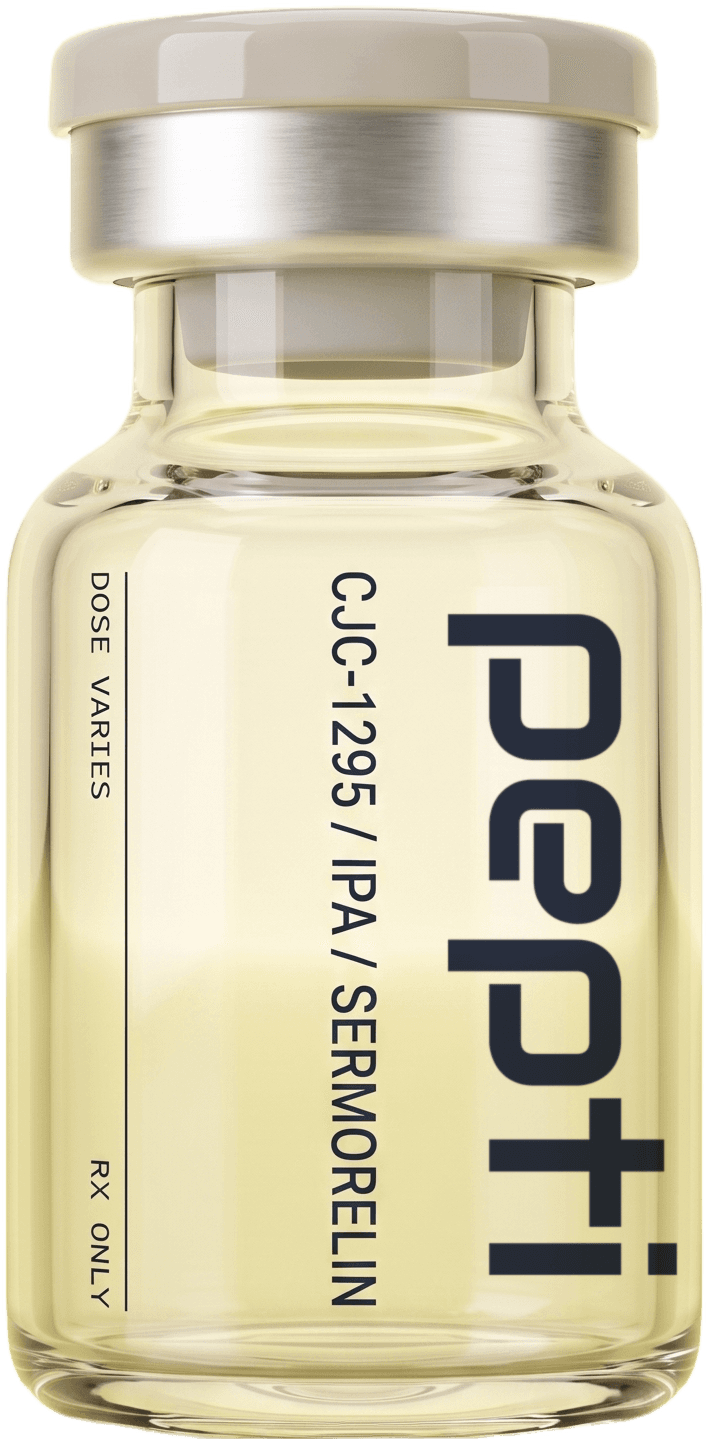
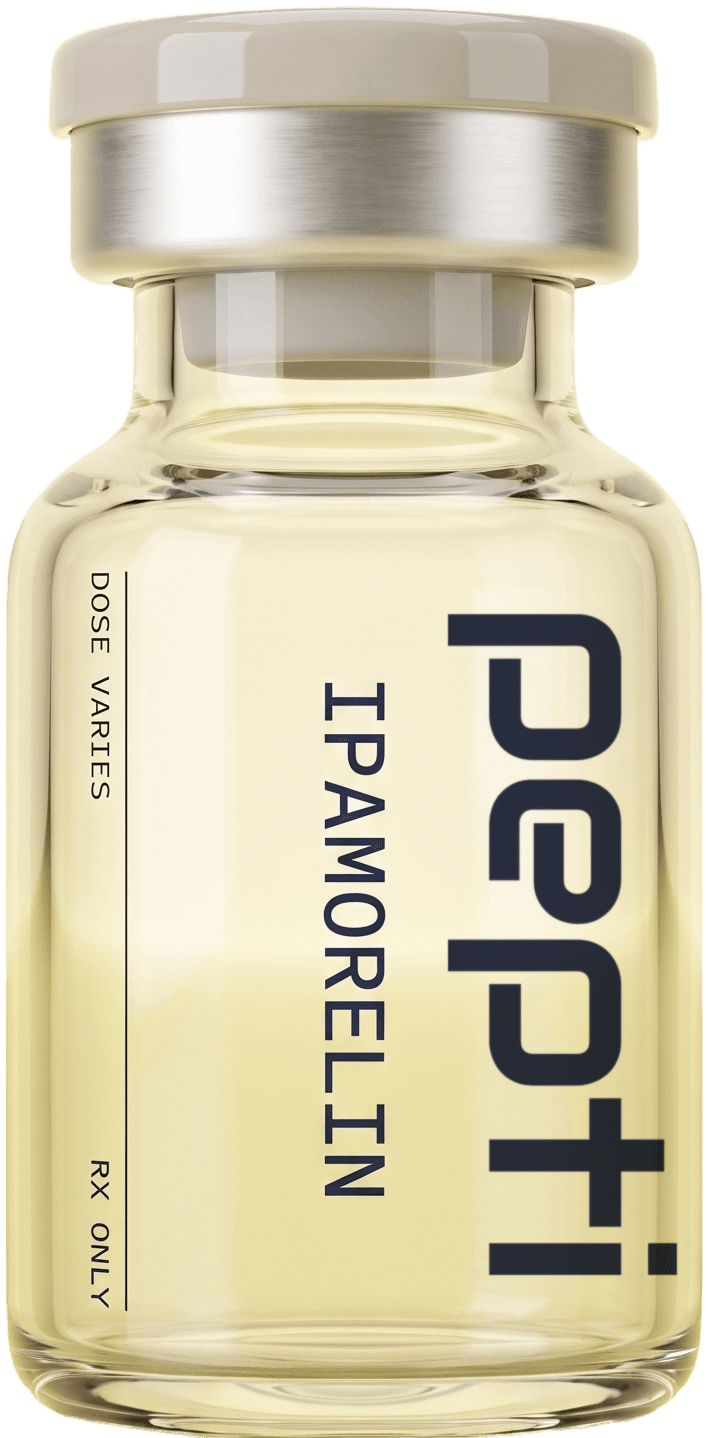
For example, CJC-1295 / Ipamorelin is another injectable growth and recovery-focused option that acts through the GH axis with a different peptide combination. CJC-1295 / Ipamorelin / Sermorelin is Pepti’s advanced growth and recovery blend for patients whose clinician determines that a broader protocol is appropriate. Tesamorelin is a distinct peptide option associated with targeted visceral fat reduction, and it should be evaluated through its own clinical lens.
The point is not to self-select based on the most aggressive-sounding stack. The point is to match the intervention to your labs, goals, health history, and tolerance for complexity.
Safe sermorelin sourcing checklist
Before starting sermorelin, you should be able to answer “yes” to these questions:
- Did a licensed clinician review my health history?
- Was sermorelin prescribed specifically to me?
- Is the medication coming from a licensed pharmacy?
- Do I know how to store and handle it?
- Do I have clear instructions for dosing and timing?
- Do I know what side effects or changes to report?
- Do I have baseline labs or a plan to get them?
- Is follow-up built into the process?
If your current plan is “order a research vial, copy a dosing comment online, and hope the label is accurate,” that is not a medical protocol. It is guesswork with an injectable.
Frequently asked questions
Do you need a prescription for sermorelin?
For human use, sermorelin should be obtained through a clinician who can determine whether it is appropriate and prescribe it if indicated. A website selling “research use only” vials without a prescription is not the same as a pharmacy-dispensed medication.
Is research-site sermorelin always fake?
No, not always—but that is not the main issue. The problem is that you often cannot reliably verify sterility, lot accuracy, storage history, clinical suitability, or recourse if something is wrong.
How much does sermorelin cost per month?
Pepti’s Sermorelin program is $249/month. Research-site vials may appear cheaper upfront, but the real cost can rise once you add supplies, shipping, testing, wasted product, labs, and lack of medical support.
What labs should be checked with sermorelin?
A clinician may review IGF-1 along with metabolic and thyroid markers to understand baseline status and follow-up response. Pepti offers at-home blood testing and publishes the biomarkers we test so patients can see how lab data supports safer decisions.
Ready to see whether sermorelin or another physician-guided peptide protocol fits your goals? Take the free assessment at /assessment.