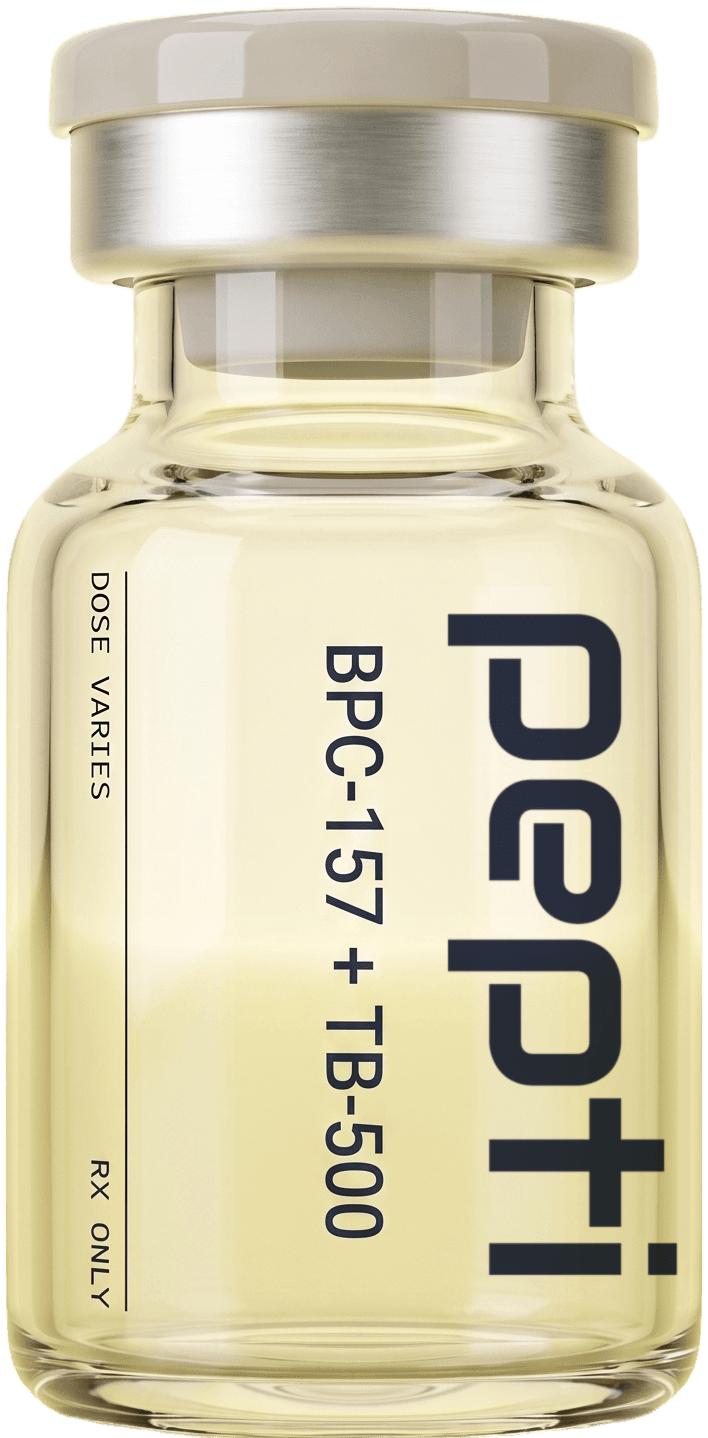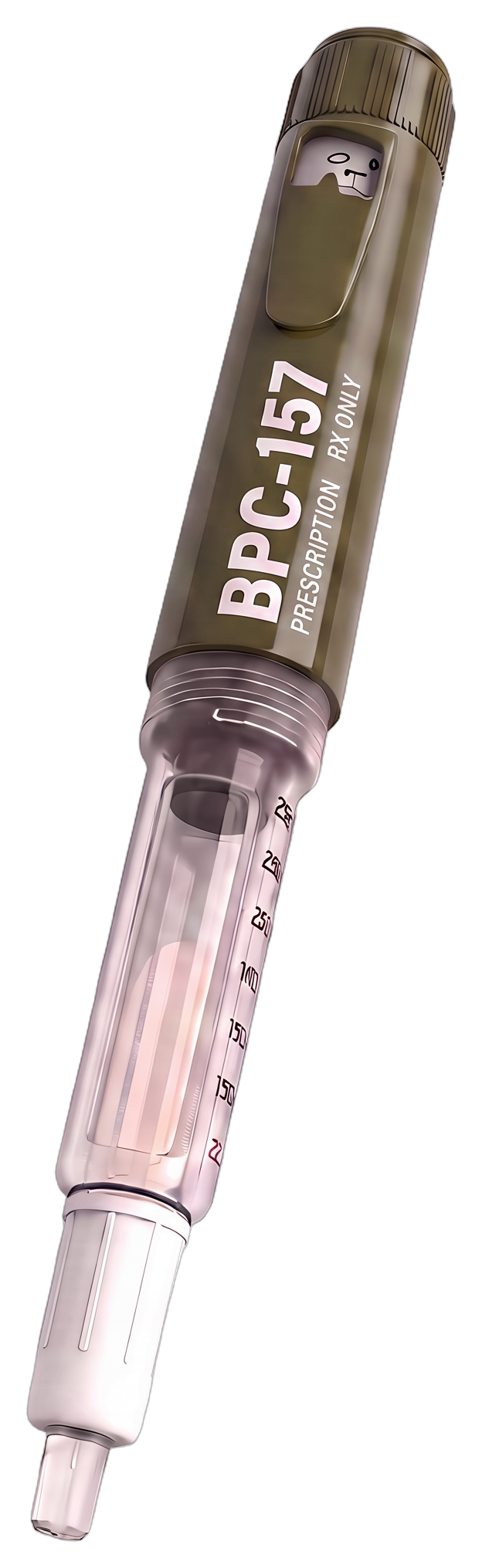
BPC-157 KPV TB-500 benefits are centered on tissue recovery, inflammatory balance, and gut-barrier support. The three-peptide blend is designed for people whose recovery concerns are not just muscle or tendon related, but may also involve digestive irritation, training stress, or systemic inflammation patterns. It is not a cure or a substitute for diagnosis, but under physician supervision it can be a targeted option for recovery-focused peptide therapy.
Key takeaways
- BPC-157 is best known for preclinical research on soft-tissue repair, angiogenesis, and gut-barrier support.
- KPV is a short anti-inflammatory peptide sequence studied for immune signaling and intestinal inflammation pathways.
- TB-500 is commonly discussed for deep tissue recovery because of its relationship to thymosin beta-4 and actin-mediated cell migration.
- The combination may make sense when the goal is multi-system recovery: connective tissue, muscle, and gut resilience.
- Safety depends on screening, medication review, sterile pharmacy preparation, and follow-up—not random online sourcing.
What is BPC-157 KPV TB-500 used for?
At pepti, BPC-157 / KPV / TB-500 (Injectable) is prescribed as a recovery and gut-healing triple blend for appropriately screened patients. The idea is simple: instead of targeting one recovery pathway, the protocol combines three peptides with overlapping but distinct roles.
People usually ask about this blend for concerns like:
- Tendon, ligament, or soft-tissue recovery support
- Post-training soreness or delayed recovery patterns
- Gut irritation, barrier health, or digestive resilience
- Inflammation-related recovery bottlenecks
- A broader recovery protocol after high physical stress
That does not mean every ache, gut symptom, or inflammatory marker is a peptide problem. Persistent pain, unexplained GI symptoms, blood in stool, fever, rapid weight loss, severe abdominal pain, or neurologic symptoms should be evaluated medically before considering peptide therapy.
How does BPC-157 work?
BPC-157 is a synthetic peptide modeled after a sequence found in a larger body-protective compound. Most of the research is preclinical, but it has attracted attention because studies have explored effects on blood-vessel formation, nitric-oxide signaling, tendon fibroblasts, and gastrointestinal tissue integrity.
In practical terms, BPC-157 is often discussed in two categories:
- Tissue-repair signaling: Preclinical models suggest potential roles in tendon, ligament, muscle, and wound-repair pathways.
- Gut-barrier support: Animal and cell studies have evaluated BPC-157 in the context of intestinal injury, inflammatory stress, and mucosal protection.
For patients who want a more focused single-agent option, BPC-157 is also prescribed by pepti for accelerated healing and gut health when clinically appropriate.
Important context: BPC-157 is not FDA-approved as a standalone drug for injury repair or gut disease. Its use in peptide therapy should be physician-directed, individualized, and monitored.
What does KPV do in the stack?
KPV is a three-amino-acid peptide sequence: lysine-proline-valine. It is derived from alpha-melanocyte-stimulating hormone, a molecule involved in immune and inflammatory signaling.
KPV is included in this triple blend because it is studied for inflammatory balance, especially in gut and epithelial tissue models. Research has explored how KPV may interact with pathways involving cytokines, immune-cell activation, and epithelial barrier stress.
For a recovery protocol, KPV adds a different angle than BPC-157 or TB-500. Instead of being framed mainly around tissue remodeling, it is more often discussed as an inflammation-modulating support peptide. That matters because recovery is not only about building tissue; it is also about resolving excessive inflammatory signaling at the right time.
How does TB-500 support recovery?
TB-500 is a synthetic peptide related to thymosin beta-4, a naturally occurring peptide involved in cell migration, actin binding, and tissue-repair processes. It is commonly discussed for deep tissue repair because actin dynamics are central to how cells move, reorganize, and participate in healing.
In preclinical and translational research around thymosin beta-4, scientists have examined processes such as:
- Cell migration into injured areas
- Angiogenesis, or new blood-vessel formation
- Tissue remodeling after injury
- Inflammatory response patterns
- Muscle and connective-tissue recovery pathways
Pepti also prescribes TB-500 as a single injectable option for deep tissue repair, and BPC-157 + TB-500 for patients whose physician determines that a two-peptide recovery protocol is a better fit.
Why combine BPC-157, KPV, and TB-500?
The main reason to combine them is pathway coverage. Recovery is not one switch; it is a sequence of inflammation, blood-flow changes, cellular cleanup, collagen remodeling, and tissue adaptation. The gut adds another layer because barrier stress and immune signaling can affect how the whole body feels and recovers.
A simplified way to think about the blend:
- BPC-157: local tissue and gut-barrier support
- KPV: inflammatory signaling and epithelial immune balance
- TB-500: deeper tissue remodeling and cell-migration support
This is why the triple blend is often considered for people who feel stuck between categories: not only an orthopedic recovery issue, not only a gut issue, and not only a general inflammation issue. The goal is not to override normal healing. The goal is to support a healthier recovery environment while the fundamentals—sleep, protein intake, rehab, stress management, and medical diagnosis—are handled correctly.
How long does BPC-157 KPV TB-500 take to work?
Timelines vary. Some people report early changes in soreness, mobility, or digestive comfort within the first 2 to 4 weeks, while tissue remodeling can take 6 to 12 weeks or longer depending on the injury, training load, age, nutrition, and baseline health.
A realistic timeline looks like this:
- Week 1: learning injection routine, watching for tolerability, no guaranteed symptom shift
- Weeks 2 to 4: possible changes in soreness, gut comfort, stiffness, or recovery perception
- Weeks 4 to 8: better window to evaluate trend lines in pain, function, training tolerance, and digestion
- Weeks 8 to 12: physician review of whether to continue, pause, adjust, or change the plan
If a patient expects a torn tendon, chronic inflammatory bowel condition, or years of overuse pain to resolve in a few injections, expectations need to be reset. Peptides may support recovery biology, but they do not replace imaging, physical therapy, nutrition, sleep, or appropriate medical care.
What dose of BPC-157 KPV TB-500 is typical?
Dosing is individualized by the prescribing clinician. Injectable peptide protocols are commonly written in microgram to low-milligram amounts and often run in defined cycles, such as 4 to 12 weeks, rather than being treated as open-ended daily supplements.
Variables that can influence the prescribed plan include:
- Body size and sensitivity to injectable therapies
- The main goal: gut support, soft-tissue recovery, or both
- Medication list and medical history
- Prior experience with peptides
- Whether the patient is also using other recovery or metabolic therapies
- Lab findings, symptoms, and follow-up response
Do not copy dosing from forums. With compounded injectable peptides, concentration, vial size, reconstitution volume, syringe markings, and units can all vary. That is one reason physician review and pharmacy instructions matter.
Is BPC-157 KPV TB-500 safe?
No peptide is risk-free. The most common issues with injectable peptide therapy are usually practical and tolerability-related: injection-site redness, irritation, bruising, nausea, headache, fatigue, or feeling off during the adjustment period. More serious concerns depend on the individual’s medical history.
A physician may be more cautious—or may decide this is not a fit—if someone has:
- Active cancer or unclear abnormal growths
- Pregnancy or breastfeeding
- Significant immune, bleeding, or clotting concerns
- Uncontrolled chronic disease
- Active infection
- Unexplained GI bleeding or severe abdominal symptoms
- A medication list that raises interaction or safety questions
Safety also includes sourcing. There is a major difference between doctor-prescribed care through licensed channels and research-chemical websites selling products labeled for laboratory use. A legitimate process includes medical screening, pharmacy preparation, clear instructions, adverse-event support, and recourse if something is wrong. If you are comparing options online, read gray market vs Pepti before making a decision.
Do you need bloodwork before starting?
Sometimes, yes. Recovery and gut symptoms can be influenced by thyroid status, glucose regulation, inflammation patterns, sex hormones, nutrient deficiencies, liver and kidney function, and metabolic health. When a physician needs updated labs and a patient does not have recent results, pepti offers an at-home panel for $129.
Baseline and follow-up testing help answer questions like:
- Is low energy actually related to anemia, thyroid function, glucose, or nutrient status?
- Are recovery problems being worsened by poor metabolic health?
- Is a peptide protocol appropriate given liver, kidney, hormone, or inflammatory markers?
- Are symptoms improving in a way that matches objective data?
You can learn more about physician-reviewed blood testing and the biomarkers we test. For people serious about recovery, the best model is test, treat, track: use labs to identify bottlenecks, use a clinician-guided protocol, and monitor sleep, HRV, heart rate, and recovery trends with Pepti One. If deficiencies are part of the picture, the Daily Pack can be built around the patient’s own bloodwork rather than guesswork.
Who is a good candidate for the triple blend?
The best candidate is usually someone with a defined recovery goal, realistic expectations, and enough health context for a physician to make a safe decision. That might be a recreational athlete dealing with recurring soft-tissue strain, a busy professional whose gut and recovery both suffer under stress, or someone rebuilding after a high-load training block.
A weaker candidate is someone looking for a shortcut while ignoring the basics. If protein intake is low, sleep is poor, rehab is inconsistent, alcohol intake is high, or a serious diagnosis has not been ruled out, peptide therapy is unlikely to be the first lever to pull.
Frequently asked questions
Is BPC-157 KPV TB-500 the same as the Wolverine Protocol?
No. The Wolverine Protocol generally refers to a BPC-157 and TB-500 combination, while this triple blend adds KPV for additional inflammatory and gut-barrier support. A physician can help decide whether a single peptide, two-peptide stack, or triple blend makes more sense.
Can BPC-157 KPV TB-500 help gut problems?
It may support gut-barrier and inflammatory pathways, but it is not a diagnosis or cure for GI disease. Persistent diarrhea, bleeding, severe pain, unexplained weight loss, or suspected inflammatory bowel disease should be evaluated medically before starting a peptide protocol.
Do I need to inject BPC-157 KPV TB-500 every day?
Injection frequency depends on the prescription, concentration, and physician-directed plan. Many peptide protocols are structured over weeks, not used casually or indefinitely, and should include clear instructions for storage, injection technique, and follow-up.
Can I buy BPC-157 KPV TB-500 online without a prescription?
You may see research-use products online, but that is different from physician-prescribed therapy through licensed pharmacy channels. Prescription care provides screening, dosing guidance, quality controls, and support if side effects or questions come up.
Ready to find out whether a recovery and gut-support peptide protocol fits your goals? Take the free assessment at pepti.com/assessment and a physician will review your information.