Bloodwork-based supplements and wearable tracking means your plan starts with lab data, supports what is actually missing, and uses daily recovery signals to see whether the plan is working. Instead of guessing from symptoms alone, the loop is: test with at-home bloodwork, treat with a physician-reviewed protocol and personalized supplement pack, then track sleep, HRV, heart rate, and recovery over time.
For peptide therapy, that loop matters because many protocols affect metabolic, hormonal, or recovery pathways that should be monitored. A dual GH-axis option like Tesamorelin + Ipamorelin is a good example: the goal is not just to start injections, but to understand baseline markers, support nutrition, and watch objective recovery trends.
Key takeaways
- The strongest protocol is a feedback loop: baseline labs, a targeted plan, daily tracking, and follow-up bloodwork.
- Pepti offers physician-reviewed at-home blood testing for hormone, metabolic, and thyroid panels, plus a $129 at-home panel when a physician requires labs and you do not have recent results.
- The Daily Pack is built from your own bloodwork, not a generic supplement quiz.
- Pepti One comes as a band or ring and tracks sleep, HRV, heart rate, and recovery inside the same system as labs and treatment.
- GH-axis peptides require monitoring: markers such as IGF-1, fasting glucose, A1c, lipids, thyroid-related markers, and clinical response can help guide safer care.
- Follow-up matters: many clinicians reassess symptoms, wearable trends, adherence, and labs around the 8- to 12-week mark, depending on the protocol.
What are bloodwork-based supplements?
Bloodwork-based supplements are daily supplement packets assembled around measured biomarkers and personal goals. The key difference is that the starting point is not, “What supplement is trending?” It is, “What does your bloodwork suggest your body may need, and what should be avoided?”
That distinction is important because two people with the same goal can have totally different needs. One person pursuing better recovery may have sleep debt and a nutrient gap. Another may have normal nutrient markers but signs of metabolic strain. A third may be on a physician-prescribed peptide protocol where follow-up labs are more important than adding more products.
With the Daily Pack, patients can upload recent labs or complete a Pepti at-home panel. The protocol is then assembled around real lab data, deficiencies, and goals. It is meant to sit next to medical care, not replace it.
How does wearable tracking fit with bloodwork?
Bloodwork gives you a snapshot. Wearable tracking gives you a trendline.
A lab panel can show where your metabolic, hormonal, thyroid, or nutrient markers are at a specific moment. A wearable can show how your body is responding night after night through:
- Sleep duration and consistency
- Heart-rate patterns
- HRV trends
- Recovery signals over time
That daily data is not a diagnosis. It is context. If your labs look stable but your recovery score is sliding for 3 weeks, your clinician may ask about sleep timing, training load, stress, alcohol, nutrition, illness, or adherence. If HRV improves while sleep becomes more consistent and symptoms are better, that can support the idea that the current plan is moving in the right direction.
This is why Pepti One is designed as two form factors, one system: a band and a ring that feed sleep, HRV, heart rate, and recovery data into the app next to labs and treatment.
Why does baseline bloodwork matter before peptide therapy?
Baseline bloodwork helps answer three practical questions before peptide therapy begins:
- Is this protocol appropriate for this patient?
- What markers should be watched during treatment?
- How will we know if the plan is helping or needs adjustment?
For GH-axis therapies, baseline labs can be especially useful because growth hormone signaling intersects with IGF-1, glucose regulation, fluid balance, sleep, and body composition. A physician may want to understand markers such as fasting glucose, A1c, lipid trends, thyroid markers, and IGF-1 before and during care. You can review examples of the biomarkers we test to see how hormone, metabolic, and thyroid data can fit together.
This is not about creating hoops to jump through. It is about reducing guesswork. A patient with excellent metabolic markers and poor sleep may need a different plan than someone with elevated glucose markers and low recovery. The same peptide name on a label does not mean the same protocol for every person.
How does Tesamorelin + Ipamorelin fit into the loop?
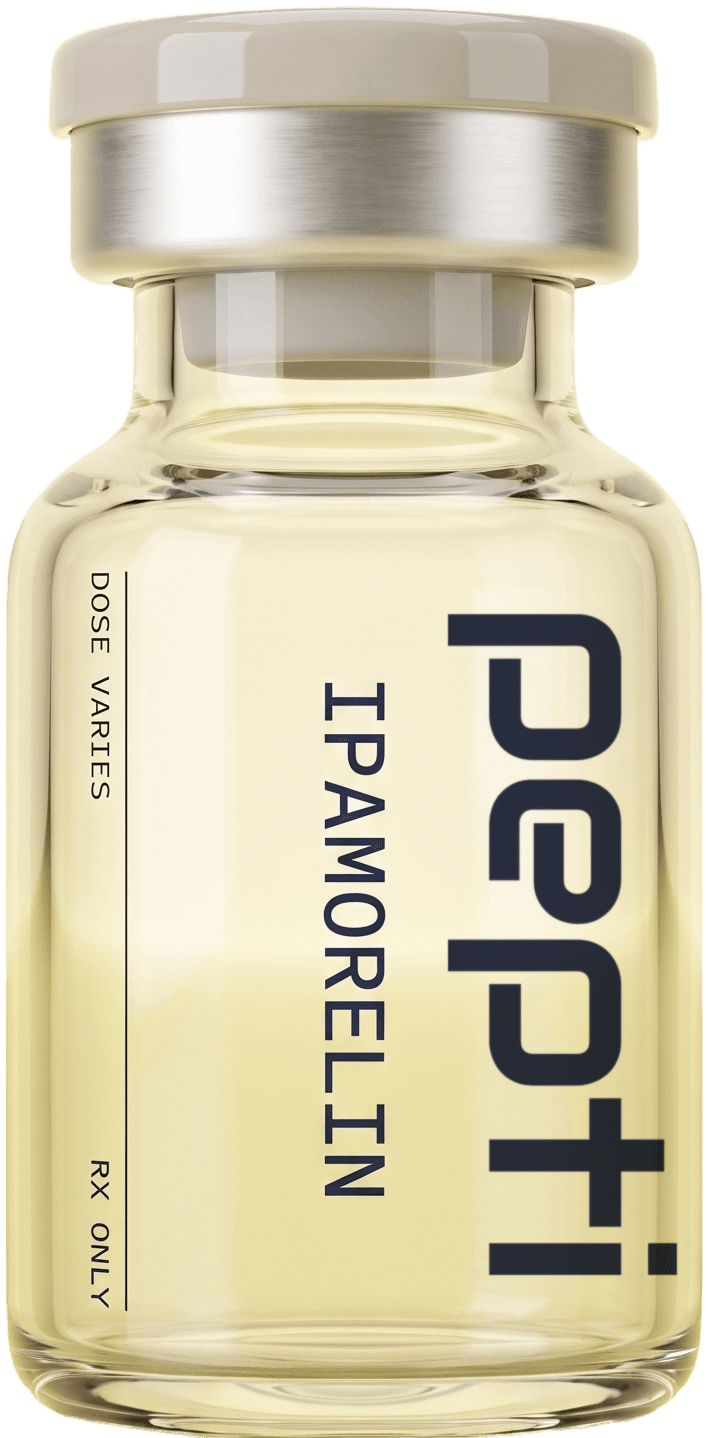
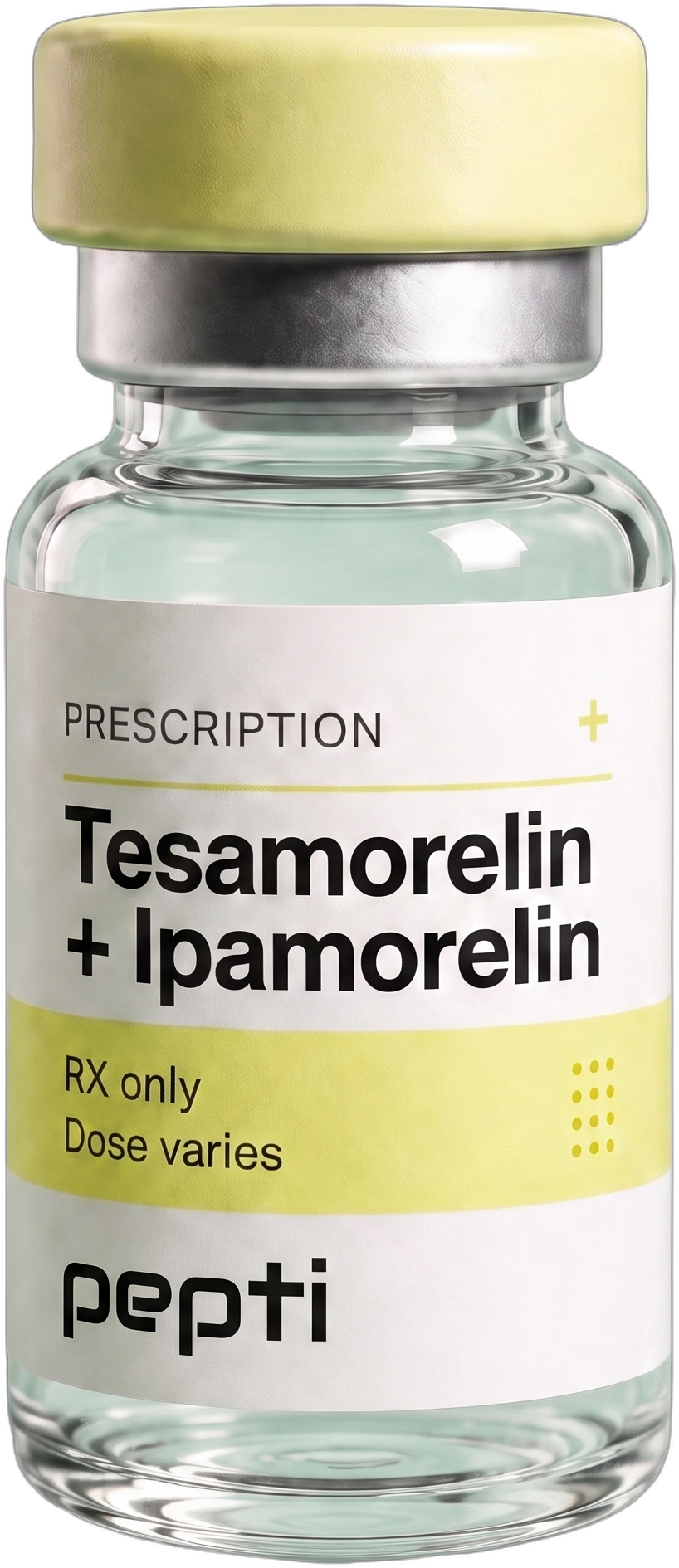
Tesamorelin + Ipamorelin is an injectable dual GH-axis blend. Tesamorelin is a growth hormone-releasing hormone analog associated with visceral fat research, while ipamorelin is a growth hormone secretagogue that supports pulsatile GH signaling through a different receptor pathway.
In practical terms, this is a protocol where measurement matters. A clinician may consider:
- Baseline metabolic markers before starting
- IGF-1 trends during therapy
- Changes in waist measurement or body composition goals
- Sleep quality and recovery trends
- Glucose-related markers over time
- Side effects such as fluid retention, joint discomfort, or changes in appetite
This is also where the wearable adds useful context. GH-axis activity is closely connected to sleep and recovery. If someone is using a GH-axis protocol but sleeping 5 hours per night with low recovery, the wearable may reveal a limiting factor the lab panel alone cannot show.
How is this different from taking generic supplements?
Generic supplements are usually built for the average person. Bloodwork-based supplements are built around the individual.
A standard supplement stack often assumes more is better: more capsules, more ingredients, more promises. But a smarter protocol asks what is needed, what is already sufficient, and what might be inappropriate based on labs, medications, goals, or physician guidance.
That matters for three reasons:
- Deficiencies are specific. You either have evidence of a gap or you do not.
- Excess can be unhelpful. Some nutrients are not meant to be pushed indefinitely without monitoring.
- Goals change. Fat loss, recovery, sleep, and hormone optimization may require different priorities at different times.
The Daily Pack is designed to simplify that process into daily sachets built from bloodwork. The goal is consistency without turning your kitchen counter into a supplement warehouse.
What does “test, treat, track” look like in real life?
A complete loop may look like this:
1. Test: establish the baseline
You start with recent labs or an at-home blood testing kit. If a physician requires bloodwork and you do not have recent labs, Pepti offers an at-home panel for $129. Panels may focus on hormone, metabolic, and thyroid data depending on the clinical question.
2. Treat: build the plan
Your physician reviews the relevant health information and determines whether a prescription protocol is appropriate. That may include a peptide such as Tesamorelin, CJC-1295 / Ipamorelin, or a metabolic option such as Semaglutide, depending on goals, eligibility, and clinical judgment.
Your Daily Pack can then be built around lab-informed supplement support. The medication plan and the supplement plan should not compete; they should make sense together.
3. Track: watch the trendline
You wear the band or ring and monitor sleep, HRV, heart rate, and recovery. The point is not to obsess over one bad night. The point is to identify patterns over 2, 4, 8, and 12 weeks.
4. Re-test: close the loop
Follow-up bloodwork helps confirm whether the plan is still appropriate. For many peptide and hormone-related protocols, physicians may reassess around 8 to 12 weeks, though timing depends on the therapy and the patient. If labs, symptoms, and wearable trends all point in the same direction, the plan is easier to refine.
What should you track during a GH-axis peptide protocol?
For a GH-axis protocol, useful tracking usually includes both objective and subjective data. The lab side may include IGF-1, glucose-related markers, lipids, thyroid markers, and other physician-selected biomarkers. The wearable side may include sleep consistency, HRV trends, resting heart-rate patterns, and recovery.
Subjective tracking still matters, too. Patients should note energy, training tolerance, soreness, appetite changes, sleep quality, and any side effects. A simple weekly check-in can be more useful than trying to interpret every single data point in isolation.
The goal is not perfect numbers. The goal is signal clarity: are your labs stable, are symptoms improving, and is recovery moving in a healthier direction?
Why follow-up bloodwork is not optional for serious optimization
Starting with labs is helpful. Repeating labs is what makes the system intelligent.
Without follow-up, you may know what your body looked like before treatment, but not how it responded. That is especially important when working with peptide or hormone-adjacent pathways. A plan that looked reasonable at baseline may need adjustment if glucose markers change, IGF-1 rises beyond the intended range, thyroid patterns shift, or symptoms do not match expectations.
Follow-up also protects against overcorrecting. If a nutrient deficiency improves, the Daily Pack can be reassessed. If recovery data improves but fatigue persists, the physician may look deeper. If wearable trends worsen while labs look fine, lifestyle inputs may need attention.
That is the value of closing the loop: you are not locked into a static plan.
Frequently asked questions
What is bloodwork-based supplement tracking?
Bloodwork-based supplement tracking means using lab results to build a supplement protocol, then using follow-up labs and daily recovery data to see whether the plan is working. It is more personalized than choosing supplements based only on symptoms, trends, or a questionnaire.
Do I need bloodwork before Tesamorelin + Ipamorelin?
A physician may require baseline bloodwork before prescribing Tesamorelin + Ipamorelin, especially to review metabolic and hormone-related markers. If you do not have recent labs, Pepti offers a physician-reviewed at-home panel for $129 when bloodwork is required.
Can a wearable replace follow-up blood tests?
No. A wearable can show trends in sleep, HRV, heart rate, and recovery, but it cannot measure biomarkers like glucose, A1c, lipids, thyroid markers, or IGF-1. The strongest approach uses both: daily trend data plus periodic bloodwork.
How long should I track data before changing my plan?
Many clinicians prefer looking at trends over several weeks rather than reacting to one night of poor sleep or one abnormal data point. Depending on the protocol, follow-up bloodwork is often considered around 8 to 12 weeks, while wearable trends can be reviewed continuously.
Ready to build a plan around your actual data? Take the free assessment at /assessment and see whether physician-reviewed peptide care, bloodwork, Daily Pack support, and wearable tracking are a fit.