Why Biomarker Tracking Matters for Intimacy Goals
When it comes to optimizing intimate wellness—whether that means boosting desire, improving arousal, or supporting sexual satisfaction—tracking the right biomarkers is key. Understanding your baseline hormonal, metabolic, and vascular health can help you and your [pepti] doctor tailor therapies like PT-141 Nasal Spray for optimal benefit while reducing unwanted surprises along the way.
We’ll walk through which bloodwork to focus on before, during, and after starting a peptide or hormone protocol designed for sexual wellness. Plus, we’ll cover why repeat blood testing is just as important as getting a solid baseline.
The Basics: What Is PT-141 Nasal Spray?
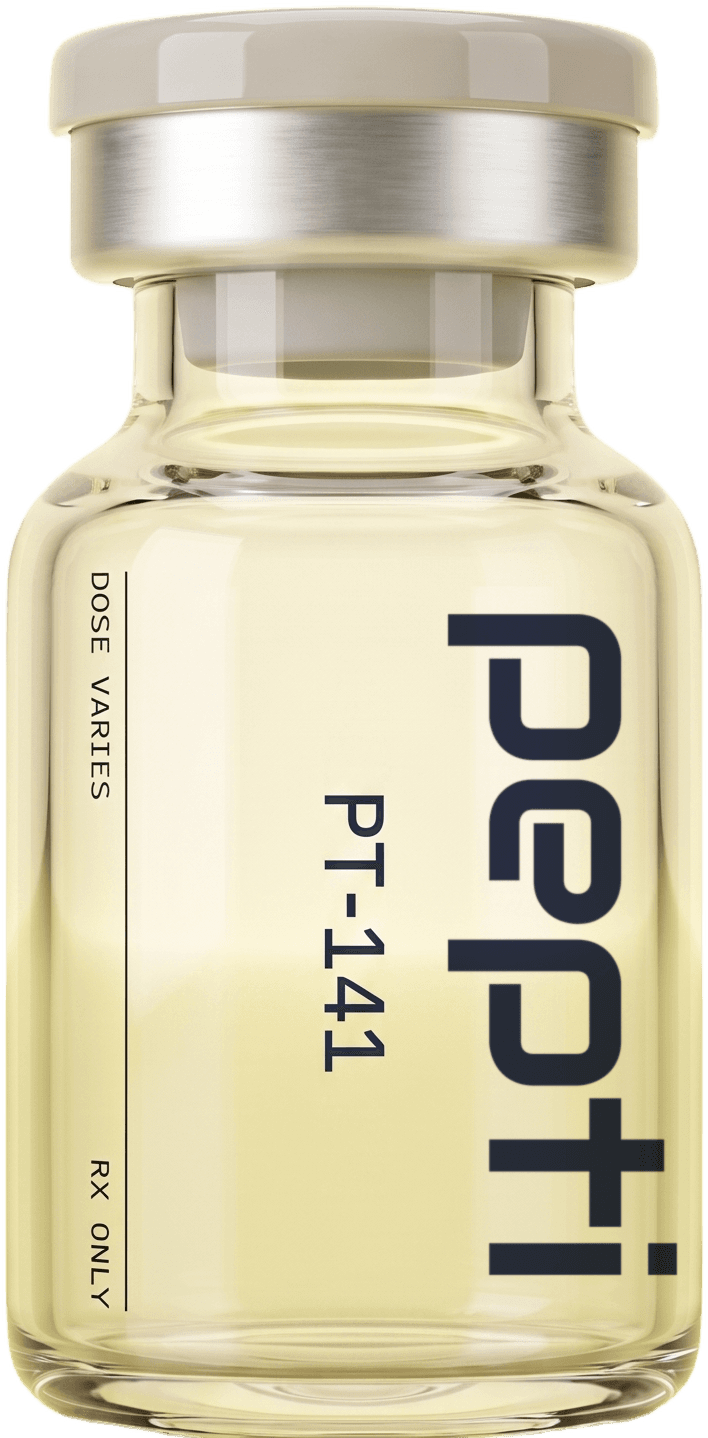
PT-141 Nasal Spray is a needle-free peptide therapy that supports intimate wellness for men and women. Unlike traditional ED medications, PT-141 works on the central nervous system—helping to spark desire and improve arousal by modulating melanocortin receptors. It’s fast-acting, discreet, and does not rely on vascular mechanisms alone.
But: while PT-141 is effective for many, results can be influenced by underlying factors like hormone imbalance, poor metabolic health, or nutrient deficiencies. That’s where smart biomarker tracking comes in.
Key Biomarkers to Track for Intimate Wellness
Here’s where to focus your bloodwork for sexual health goals and PT-141 support:
1. Sex Hormones
- Testosterone (Total & Free): Low testosterone can blunt libido in all genders; finding your baseline helps guide next steps, including possible Testosterone for Women (Low-Dose) or Testosterone Cypionate if indicated.
- Estradiol, Progesterone, DHEA-S: Especially important for women, menopausal/postmenopausal patients, and those using BHRT products. Imbalances here often impact desire and arousal.
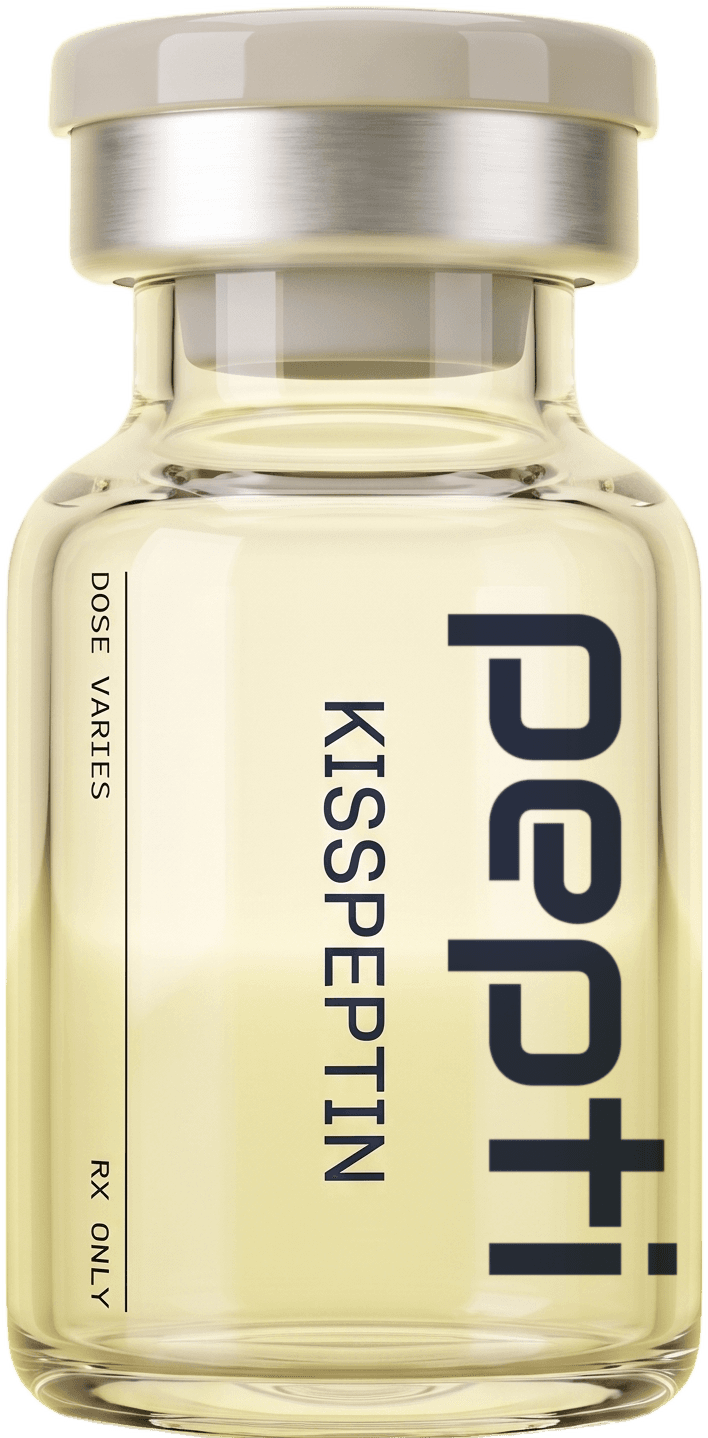
- Luteinizing Hormone (LH), Follicle-Stimulating Hormone (FSH): Key for understanding reproductive axis function, especially if using peptides like Kisspeptin or Gonadorelin.
2. Prolactin
- Prolactin: Elevated levels can lower sexual desire and function. A quick, standard blood test can check for this.
3. Thyroid Panel
- TSH, Free T3, Free T4: Thyroid imbalances often present as low energy, mood changes, or decreased libido. Products like Compounded T3/T4 or Desiccated Thyroid may be considered if indicated by results.
4. Metabolic & Cardiovascular Health
- Fasting Glucose & Insulin: Blood sugar problems directly impact energy and arousal.
- Lipid Panel (cholesterol, LDL, HDL, triglycerides): Good vascular health is critical—especially if considering other ED therapies in combo with PT-141.
5. Nutrient Status
- Vitamin D, B12, Zinc, Magnesium: Key nutrients play a direct role in hormone synthesis, mood regulation, and nerve transmission—all relevant for sexual wellness.
- Test for deficiency and consider products like Vitamin D3 Injection, Methylcobalamin, and Zinc Injection as needed.
Baseline and Follow-Up: Why Both Matter
Getting a baseline blood panel before starting PT-141 Nasal Spray or any other intimacy-support protocol is crucial. It’s your unique starting point—so you can:
- Identify hidden issues (e.g., undiagnosed low testosterone or hypothyroidism)
- Spot contraindications or safety concerns
- Personalize your therapy for maximum benefit
Ongoing follow-up bloodwork (usually at 3–6 month intervals) ensures that your protocol is safe and effective. It can guide dose adjustments, uncover new issues, and validate symptom improvements with objective data.
[pepti] offers both at-home kits and in-lab draws tailored for sexual health, hormones, and metabolic wellness. Learn more at our blood testing page, or see all biomarkers we test.
When to Consider Additional Peptide Options
While PT-141 Nasal Spray is a leading choice for intimacy, sometimes bloodwork reveals other supportive needs:
- Low Testosterone: Consider Testosterone Cypionate or Testosterone Cream.
- Hormonal Imbalances in Women: Explore Bi-Est Cream, Bioidentical Progesterone, or the Complete BHRT Bundle.
- Low Desire Unrelated to Hormones: Kisspeptin and Oxytocin Nasal Spray may be options, especially when emotional connection/bonding is a factor.
- Nutrient Deficiencies: Address with injectable vitamins and minerals, guided by test results.
Bloodwork helps you and your provider decide which protocol (or combination) is the best fit—for both effectiveness and long-term wellness.
Sample Tracking Timeline
- Before starting: Full hormone/metabolic/nutrient panel
- After 8–12 weeks: Repeat key hormone markers, check safety labs, assess changes in symptoms
- Every 3–6 months: Ongoing follow-up, protocol adjustment as needed
Takeaways
- The right bloodwork is your shortcut to safer, more effective intimate wellness protocols.
- Tracking hormones, thyroid function, metabolic health, and nutrient status can optimize your PT-141 results and identify hidden barriers.
- Repeat testing ensures that your protocol evolves as your health does—helping you feel confident and supported on your journey.
Frequently asked questions
What if my bloodwork looks normal but I still have low desire?
Blood tests are one piece of the puzzle. Things like relationship factors, mental health, medications, sleep, and stress also play big roles in libido. Your [pepti] provider will consider the full picture when recommending protocols.
How often should I repeat blood testing?
Most people benefit from checking key biomarkers every 3–6 months when using peptides or hormones for sexual wellness. More frequent testing may be needed if starting a new therapy or adjusting doses.
Can I use PT-141 Nasal Spray without bloodwork?
While some patients may qualify, getting baseline bloodwork is strongly recommended and often included in your [pepti] treatment process. It helps rule out underlying issues and ensures the safest, most effective care.
Ready to optimize your intimate wellness? Take our free assessment at pepti.com/assessment to find your personalized path.