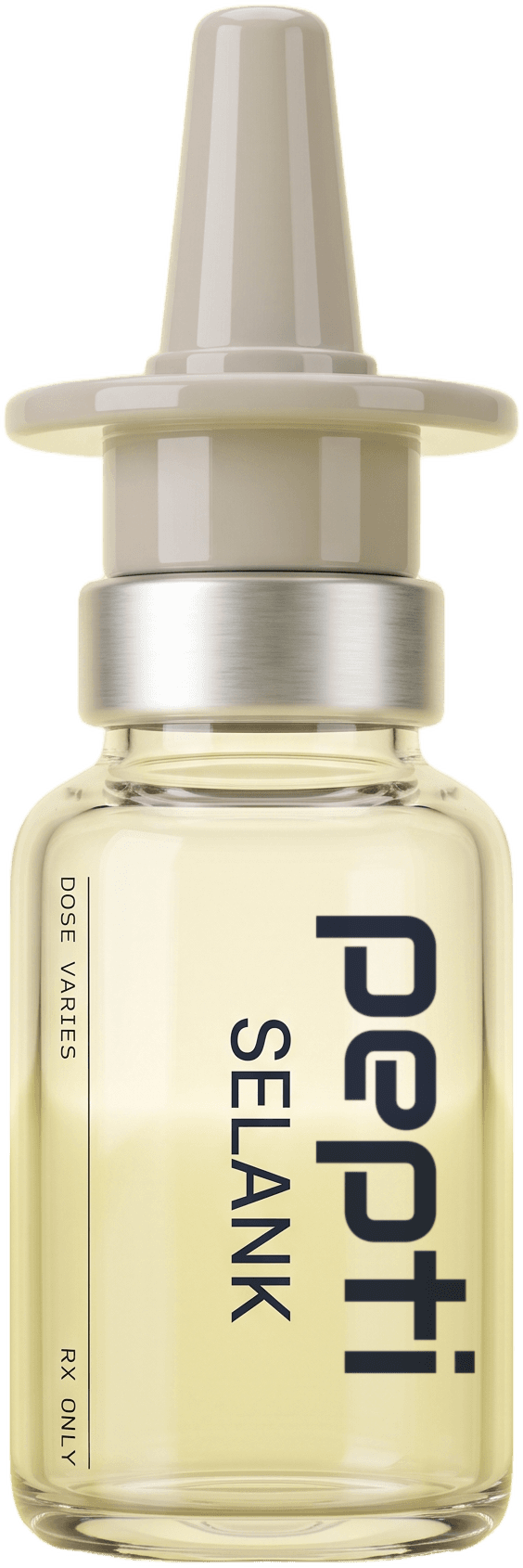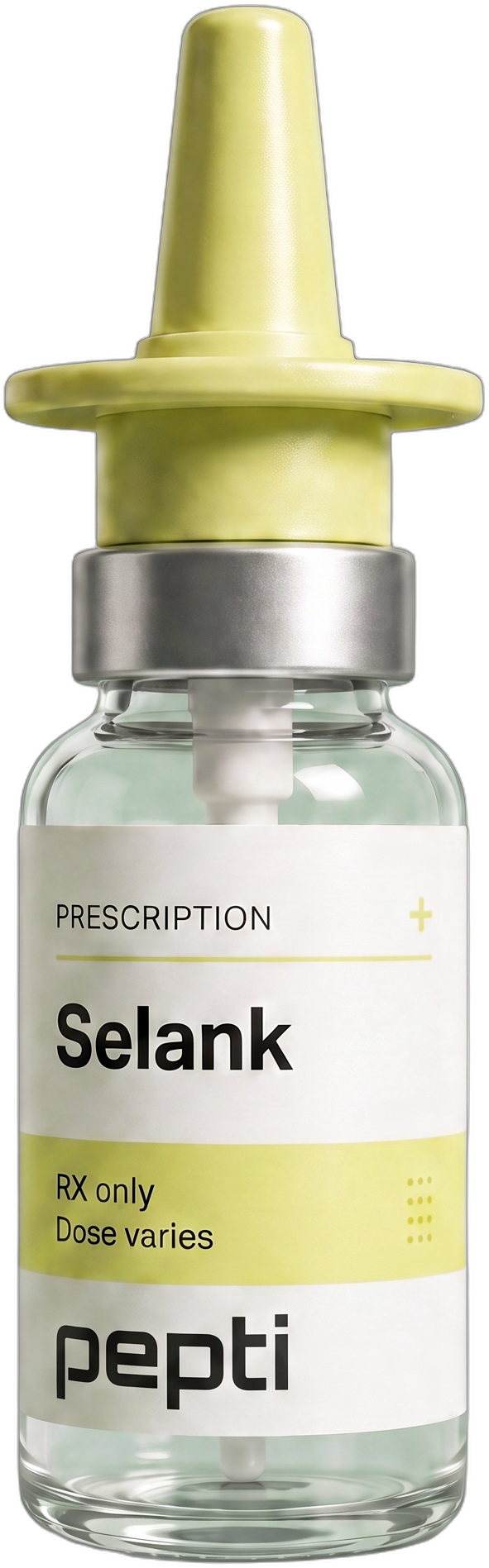
Biomarkers for focus and stress help identify why concentration feels inconsistent: poor sleep, blood sugar swings, thyroid issues, inflammation, nutrient gaps, or hormone imbalance can all look like brain fog. If you are considering a calm-focus peptide like Selank Nasal Spray, baseline testing gives your clinician context before treatment and follow-up testing shows whether the plan is moving the right markers.
The best approach is not one magic lab. It is a practical stack: bloodwork, symptom tracking, and sleep/recovery data reviewed together.
Key takeaways
- Start with baseline bloodwork before a focus or stress protocol so you are not guessing at the cause of fatigue, fog, or anxiety-like tension.
- Track cortisol, thyroid, glucose, insulin, B12, vitamin D, ferritin, sex hormones, and inflammation markers when clinically appropriate.
- Follow-up testing usually makes sense around 8 to 12 weeks after starting a new protocol, though your clinician may adjust timing.
- Selank is a calm-focus nasal peptide, not a substitute for diagnosing thyroid disease, anemia, sleep apnea, depression, anxiety disorders, or medication side effects.
- Wearable sleep, HRV, heart rate, and recovery trends can help connect daily stress physiology to lab results and real-world performance.
What biomarkers should you track for focus and stress?
For focus and stress, the most useful biomarkers fall into 6 buckets: stress hormones, thyroid function, metabolic health, nutrient status, inflammation, and sex hormones. The goal is to find the common drivers of feeling wired but tired, foggy after meals, flat in the morning, or mentally sharp only at certain times of day.
Pepti offers physician-reviewed blood testing with at-home collection kits for hormone, metabolic, and thyroid panels. If a physician requires bloodwork and you do not have recent labs, Pepti can offer an at-home panel for $129. You can also review the biomarkers we test to understand which markers may fit your goal.
Bloodwork matters because two people can describe the same problem, such as low focus at 3 p.m., and have completely different biology underneath it. One may have unstable glucose, one may have low ferritin, one may have thyroid imbalance, and another may be under-recovered from poor sleep.
How does cortisol affect focus and stress?
Cortisol is often called the stress hormone, but that is an oversimplification. Cortisol should rise in the morning to help you feel alert, then gradually decline across the day so sleep pressure can build at night.
When clinicians evaluate stress physiology, they may look at markers such as:
- Morning cortisol: Helpful when symptoms include waking exhausted, feeling overstimulated, or crashing early.
- DHEA-S: A longer-range adrenal-related hormone that can provide context alongside cortisol.
- Fasting glucose and insulin: Blood sugar instability can feel like anxiety, shakiness, irritability, or sudden brain fog.
- HbA1c: A roughly 3-month view of average blood sugar exposure.
Cortisol is not a standalone answer. A single value can be influenced by sleep, illness, exercise, caffeine, calorie intake, and timing. That is why physician interpretation matters.
Which thyroid labs matter for brain fog?
Thyroid hormones help regulate energy production, temperature, heart rate, mood, and mental speed. When thyroid function is off, people may describe it as low motivation, slow thinking, cold intolerance, constipation, or fatigue that does not improve with more coffee.
Common thyroid biomarkers include:
- TSH: A signaling hormone from the brain to the thyroid.
- Free T4: The main circulating thyroid hormone.
- Free T3: The more active thyroid hormone at the tissue level.
- Thyroid antibodies, when clinically appropriate: These can help assess autoimmune thyroid patterns.
For focus and stress goals, thyroid testing is especially important because symptoms can overlap with burnout, anxiety, or poor sleep. A calm-focus peptide may support your protocol, but it should not be used to ignore a measurable thyroid issue.
What blood sugar markers should you track for focus?
Glucose swings are one of the most underrated drivers of inconsistent focus. A high-sugar breakfast, low-protein lunch, or long gap between meals can lead to an energy spike followed by a crash.
Useful metabolic markers include:
- Fasting glucose: A snapshot of blood sugar after fasting.
- Fasting insulin: Helps assess how hard the body is working to manage glucose.
- HbA1c: Often used to estimate average glucose over about 90 days.
- Triglycerides and HDL cholesterol: These can provide indirect clues about metabolic health.
- CMP markers: A comprehensive metabolic panel may include liver, kidney, electrolyte, and protein markers.
For people using focus-oriented peptides, metabolic markers help answer a practical question: are you actually under-focused, or is your brain reacting to poor fuel stability? Many patients improve their afternoon focus by combining treatment with protein targets, hydration, consistent meals, and targeted supplements when deficiencies are present.
Which nutrient biomarkers are linked to energy and attention?
Nutrient gaps can mimic a motivation problem. They can also reduce the return you get from otherwise solid sleep, exercise, and peptide therapy.
Common markers to discuss with a clinician include:
- Vitamin B12: Low levels can affect energy, nerve function, and cognition.
- Folate: Works closely with B12 in methylation and red blood cell production.
- Ferritin and iron markers: Low iron stores can contribute to fatigue, reduced exercise tolerance, and restless sleep.
- Vitamin D: Often evaluated in fatigue, immune, mood, and hormone conversations.
- Magnesium status, when available and appropriate: Magnesium is involved in hundreds of enzyme reactions and neuromuscular function.
- CBC: A complete blood count can help screen for anemia patterns or infection clues.
This is where the Daily Pack can be useful. It is built from the patient’s own bloodwork, either uploaded labs or a Pepti panel, so supplement decisions are based on real deficiencies and goals rather than a generic shelf of pills.
Do inflammation markers affect mood and cognition?
Inflammation is not always obvious. You may not feel sick, but persistent immune activation can show up as lower resilience, poorer recovery, and mental drag.
Markers that may be relevant include:
- hs-CRP: A common marker of systemic inflammation.
- CBC with differential: Offers context on immune cell patterns.
- Liver enzymes: Sometimes relevant because liver stress, alcohol intake, medications, and metabolic health can influence energy.
- Glucose and triglycerides: Metabolic dysfunction and inflammation often travel together.
Inflammation markers are not specific enough to diagnose the reason for brain fog by themselves. But when combined with symptoms, sleep data, and other labs, they can help guide a safer and more targeted plan.
Should hormones be tested for focus and motivation?
Yes, when symptoms fit. Testosterone, estradiol, progesterone, DHEA-S, LH, FSH, and related markers can influence motivation, libido, sleep quality, recovery, and emotional steadiness.
Hormone testing is especially relevant when focus issues arrive with:
- Lower libido or sexual performance changes
- Irregular cycles or perimenopause symptoms
- Poor workout recovery
- Loss of morning drive
- Night sweats or sleep disruption
- Fertility goals
Peptide and hormone care should be individualized because moving one pathway can affect another. Baseline and follow-up labs reduce guesswork and help your clinician avoid overcorrecting.
How does Selank fit into a calm-focus protocol?
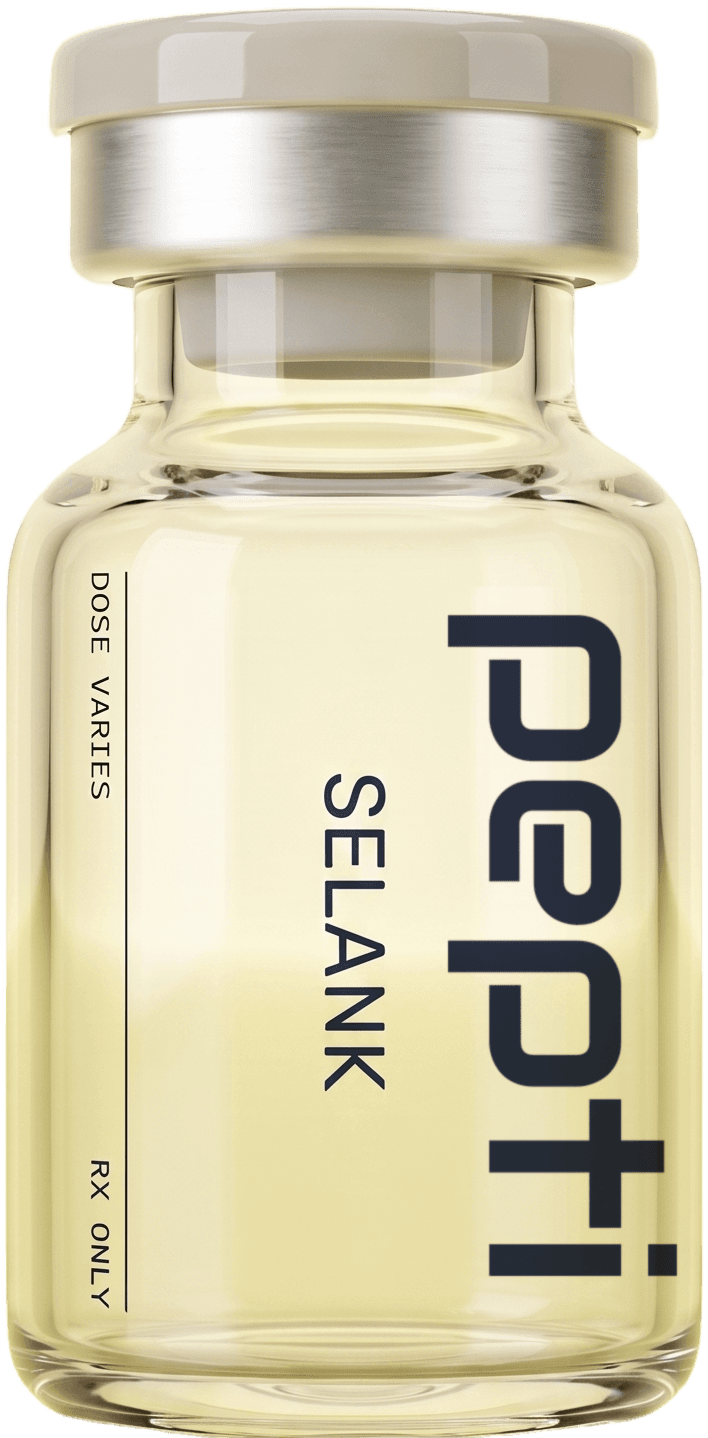
Selank is a synthetic peptide related to tuftsin that has been studied primarily for anxiety-related symptoms, stress resilience, and cognitive performance. Intranasal Selank research, much of it from Russian clinical and pharmacology literature from the 1990s through 2010s, suggests potential effects on neurotransmitter and stress-response systems, but U.S.-scale clinical data remain limited.
In a telehealth setting, Selank is best understood as one part of a broader calm-focus plan. A clinician may consider it for patients who want support for mental steadiness without a sedating feel, but it is not a diagnosis or a cure for anxiety, ADHD, thyroid disease, anemia, or sleep disorders.
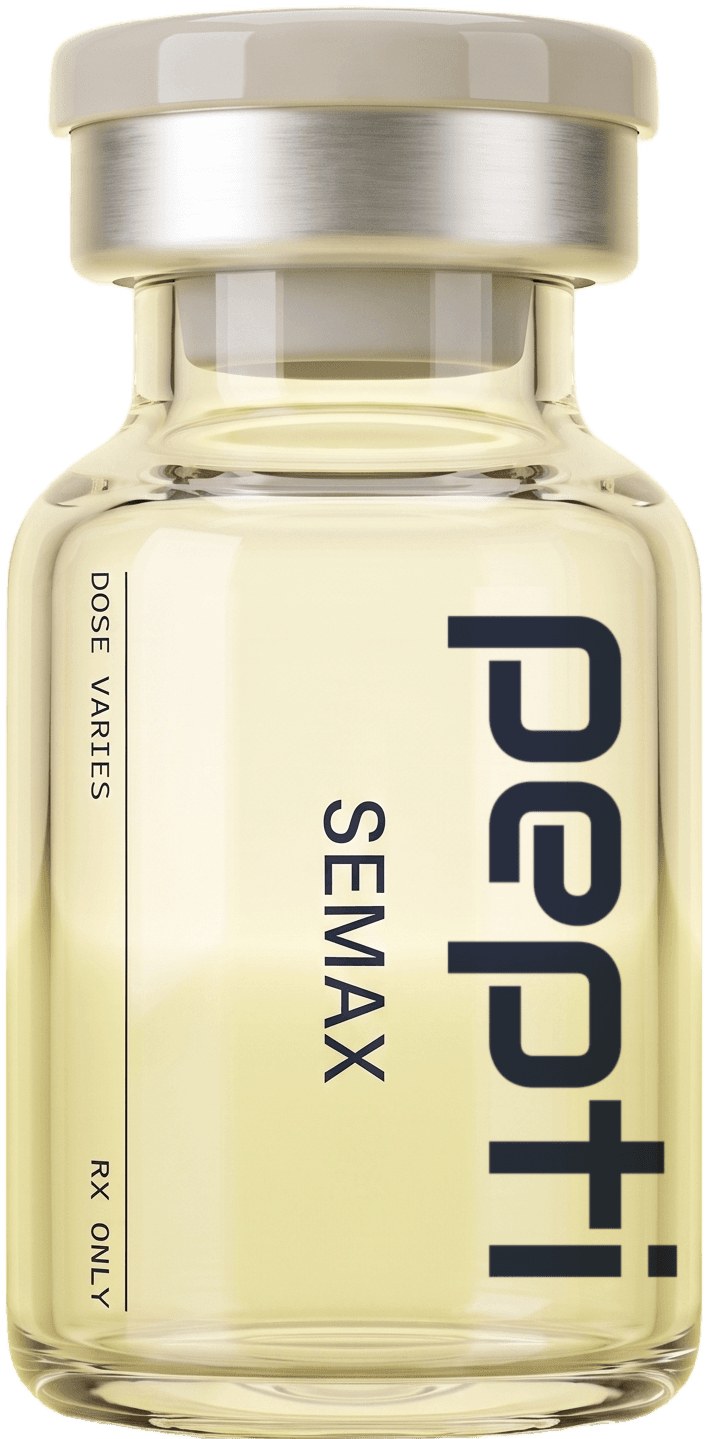
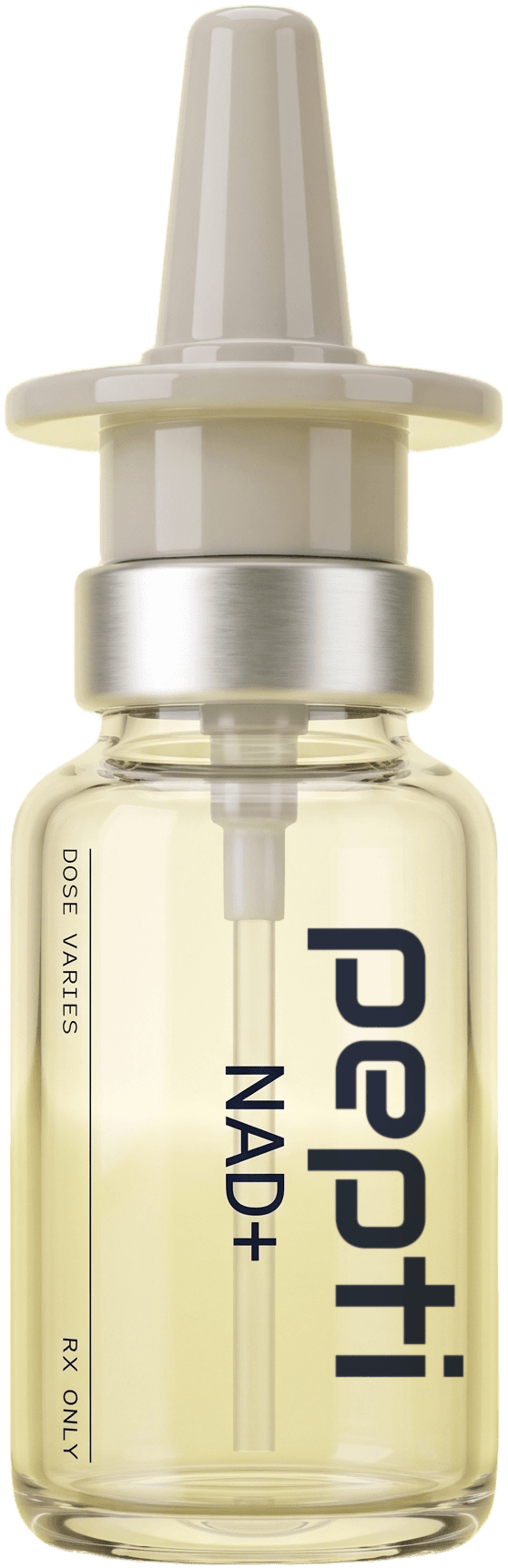
Some patients comparing nootropic options also ask about Semax Nasal Spray, which is positioned more toward cognitive enhancement, or NAD+ Nasal Spray, which is used for needle-free cellular energy support. The right choice depends on symptoms, goals, medical history, medications, and lab context.
How often should you retest biomarkers?
A practical timeline is baseline, then follow-up after enough time has passed for the marker to change. For many focus, energy, and stress protocols, that often means 8 to 12 weeks.
General timing examples:
- HbA1c: Often retested after about 3 months because it reflects longer-term glucose exposure.
- Vitamin D, B12, ferritin: Often reassessed after 8 to 12 weeks of targeted supplementation.
- Thyroid markers: Commonly reassessed around 6 to 12 weeks after a meaningful protocol change, depending on clinician guidance.
- Hormones: Timing depends on sex, cycle status, medications, and the specific marker.
Follow-up bloodwork is not just about proving something worked. It helps answer whether the plan is safe, whether dosing or support should change, and whether symptoms are coming from a different source than expected.
What should you track besides bloodwork?
Bloodwork shows internal status, but daily data shows how your body responds to life. That is why Pepti’s test, treat, track model connects labs with real-world recovery signals.
Useful non-lab metrics include:
- Sleep duration and sleep consistency
- Resting heart rate
- Heart rate variability, or HRV
- Subjective stress score, 1 to 10
- Morning energy score, 1 to 10
- Focus blocks completed per day
- Caffeine timing and total intake
- Alcohol, late meals, or intense evening workouts
Pepti One tracks sleep, recovery, HRV, and heart rate in the Pepti app next to labs and treatment. That makes it easier to see patterns, such as HRV dropping after poor sleep or focus improving when glucose and bedtime stabilize.
A simple 30-day tracking plan for calm focus
You do not need a complicated spreadsheet. Start with a plan you can actually follow.
Days 1 to 3: Set your baseline
- Complete physician-requested at-home bloodwork if needed.
- Record wake time, bedtime, caffeine, focus rating, stress rating, and energy rating.
- Note major variables: travel, alcohol, illness, intense training, or major deadlines.
Days 4 to 14: Keep inputs consistent
- Keep caffeine before early afternoon when possible.
- Eat protein at breakfast or lunch.
- Track sleep and HRV trends.
- Do not change 10 supplements at once.
Days 15 to 30: Review patterns
- Look for repeatable triggers behind low-focus days.
- Compare subjective focus with sleep and resting heart rate.
- Share changes, side effects, and questions with your clinician.
If Selank or another prescribed peptide is part of the plan, your clinician can help decide whether the response is meaningful, whether the protocol should continue, or whether another driver needs attention.
Frequently asked questions
What are the best biomarkers for focus and stress?
The most useful starting points are cortisol context, DHEA-S, thyroid markers, fasting glucose, fasting insulin, HbA1c, B12, vitamin D, ferritin, CBC, CMP, and hs-CRP when appropriate. Hormones such as testosterone, estradiol, progesterone, LH, and FSH may also matter depending on symptoms and life stage.
Do I need bloodwork before using Selank Nasal Spray?
Your physician decides whether bloodwork is required based on your history, symptoms, medications, and goals. Even when it is not strictly required, baseline labs can help rule in or rule out common contributors to brain fog, fatigue, and stress sensitivity.
How soon can focus improve after starting a protocol?
Some people notice changes in sleep, calm, or mental steadiness within days to weeks, while lab-driven changes such as vitamin D, ferritin, thyroid, or HbA1c trends usually take longer. A fair first checkpoint is often 30 days for symptoms and 8 to 12 weeks for many blood biomarkers.
Can wearables replace blood testing for stress and focus?
No. Wearables can show trends in sleep, HRV, heart rate, and recovery, but they cannot measure thyroid hormones, nutrient deficiencies, inflammation, or glucose regulation directly. The strongest approach is to combine wearable trends with physician-reviewed bloodwork and symptom tracking.
Ready to understand what is driving your focus and stress patterns? Take the free assessment at /assessment and see whether a physician-guided Pepti plan is a fit.