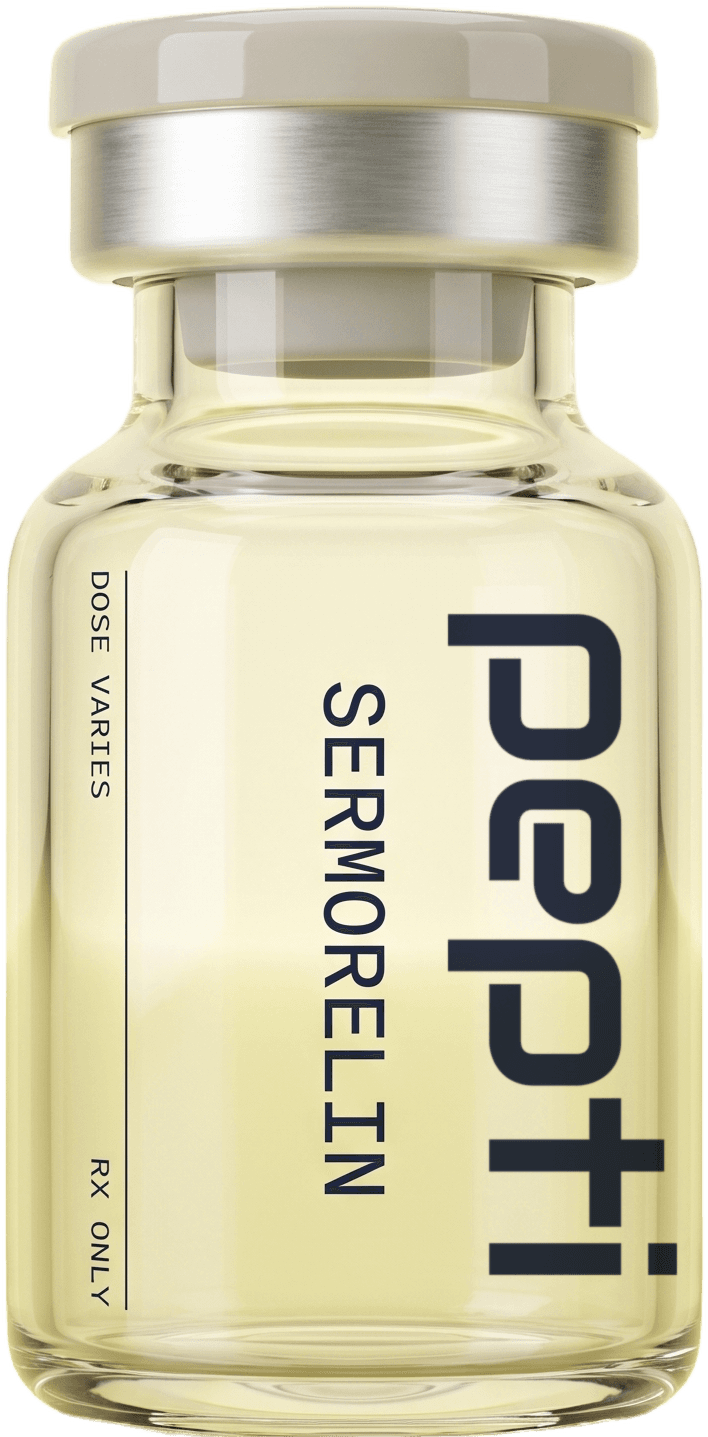
Understanding Blood Testing Options
When it comes to assessing your health, especially in conjunction with peptide therapy, understanding blood testing options is crucial. This article will compare at-home blood testing with traditional in-lab testing, delving into how each option works and why establishing baseline labs is essential for effective treatment.
How At-Home Blood Testing Works
At-home blood testing has gained popularity for its convenience and user-friendly approach. Here’s how it typically works:
- Order Your Test Kit: Start by selecting the appropriate test kit from a telehealth provider like [pepti]. You can choose from various panels that can assess hormone levels, nutrient deficiencies, and metabolic markers.
- Sample Collection: Once you receive the kit, you’ll collect a small blood sample (usually via a finger prick) at your home.
- Send It In: After collection, you send the sample back to the lab for analysis.
- Receive Results: You’ll receive your results electronically, often within a few days, allowing for quick insights into your health status.
At-home testing is ideal for those who prefer privacy and convenience, especially when tracking hormone levels for treatments such as Sermorelin or assessing health markers before starting a new peptide regimen.
How In-Lab Blood Testing Works
In contrast, in-lab blood testing involves a more traditional approach. Here’s a quick overview:
- Schedule an Appointment: You’ll need to visit a local lab or clinic.
- Sample Collection: A healthcare professional will draw a blood sample, typically from your arm.
- Laboratory Analysis: The sample is sent to a lab, and results are usually available in a few days.
- Consultation: Many clinics will offer a follow-up appointment to discuss results and next steps with a healthcare provider.
In-lab testing is often regarded as more comprehensive due to the expertise of lab technicians and the technology used in analysis. For example, hormonal panels can be crucial prior to starting treatments like HCG for hormone optimization or fertility.
Why Baseline Labs Matter
Whether you choose at-home or in-lab testing, establishing a baseline through comprehensive bloodwork is essential for several reasons:
- Personalized Treatment: Knowing your baseline levels allows healthcare providers to tailor peptide therapies, such as VIP Nasal Spray, specifically for your needs.
- Tracking Progress: Regular follow-up blood tests provide insights into how well your body is responding to treatment, allowing for adjustments if necessary.
- Safety Monitoring: Monitoring hormone levels can help prevent complications, ensuring that peptide therapies remain safe and effective.
At [pepti], we understand the importance of these factors, which is why we offer blood testing that includes both at-home collection kits and in-lab draws. You can learn more about our options and the biomarkers we test via our blood testing page.
Conclusion
Choosing between at-home and in-lab blood testing ultimately depends on your preferences and specific health needs. However, establishing a baseline is non-negotiable for anyone considering peptide therapy or hormone optimization. Understanding where you started and how your body responds to treatment is key to achieving optimal health.
Frequently Asked Questions
What are the benefits of at-home blood testing?
At-home blood testing offers convenience, privacy, and the ability to manage your health on your schedule. It's ideal for those who may feel uncomfortable in clinical settings or who prefer to handle their health assessments independently.
How often should I have my blood levels tested during peptide therapy?
The frequency of blood testing can vary based on the specific peptide therapy and individual health conditions. Generally, it's recommended to establish a baseline and then follow up every 3 to 6 months, as advised by your healthcare provider.
Can I rely solely on at-home blood tests?
While at-home testing is beneficial, it may not always provide the comprehensive analysis that in-lab testing can offer. It's best to consult with a healthcare provider to create a balanced testing strategy that includes both methods.
For more insights into your health and personalized peptide therapy options, consider taking our free assessment at pepti.