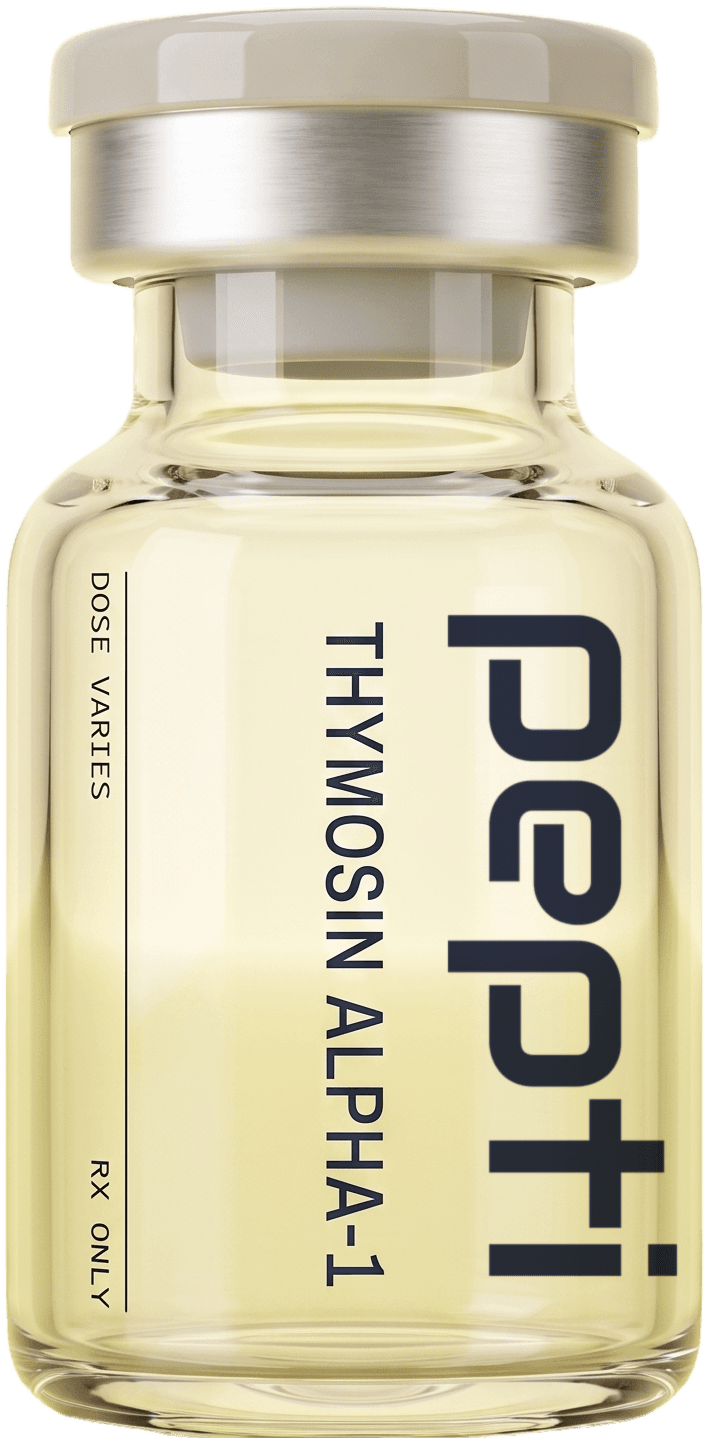
Thymosin Alpha-1 research suggests this immune-modulating peptide may help regulate T-cell function, support antiviral immune responses, and improve immune resilience in specific clinical contexts. The best-studied areas include chronic viral infections, vaccine response, sepsis-related immune suppression, and severe respiratory infections, but results vary by population, dose schedule, and disease stage.
For patients, the practical takeaway is simple: Thymosin Alpha-1 is not a cure-all or a replacement for standard medical care. It is a physician-guided injectable peptide that may be considered when immune support is clinically appropriate and monitored with symptoms, history, medications, and relevant labs.
Key takeaways
- Thymosin Alpha-1 is an immune modulator, not a stimulant. It appears to help normalize immune signaling rather than simply push the immune system harder.
- Human research is strongest in viral infections and immune dysfunction. Chronic hepatitis B/C, vaccine-response studies, sepsis, and COVID-era research make up much of the clinical literature.
- Recent studies point to T-cell effects. Researchers often track CD4+ cells, CD8+ cells, natural killer cell activity, inflammatory cytokines, and infection outcomes.
- Dosing in studies is usually measured in milligrams. Many chronic viral hepatitis trials used 1.6 mg subcutaneously twice weekly, while acute illness studies used different short-term protocols under medical supervision.
- Baseline and follow-up data matter. Immune symptoms are nonspecific, so pepti physicians may use history plus at-home blood testing to personalize and monitor care.
What is Thymosin Alpha-1 used for in research?
Thymosin Alpha-1, also known in pharmaceutical literature as thymalfasin, is a 28-amino-acid peptide originally identified from thymic tissue. The thymus plays a central role in T-cell maturation, which is why researchers have been interested in Thymosin Alpha-1 for immune regulation for several decades.
Mechanistically, studies suggest Thymosin Alpha-1 may influence:
- T-cell maturation and activation
- CD4+ and CD8+ T-cell balance
- Natural killer cell activity
- Dendritic cell signaling
- Toll-like receptor pathways, including TLR2 and TLR9 in some models
- Cytokine patterns involved in antiviral defense and inflammation resolution
That distinction matters. A simple immune stimulant could theoretically worsen inflammatory symptoms in the wrong patient. Thymosin Alpha-1 is usually described as immune-modulating because it appears to help coordinate immune response, particularly when T-cell signaling is impaired or exhausted.
What do recent Thymosin Alpha-1 studies show for viral infections?
Much of the classic human research on Thymosin Alpha-1 comes from chronic hepatitis B and hepatitis C studies. These trials are not brand-new, but they remain important because they involved real patients, defined endpoints, and repeated injectable dosing over months.
In chronic hepatitis B research, Thymosin Alpha-1 was often studied as 1.6 mg subcutaneous injections twice weekly for 6 to 12 months. Some trials and meta-analyses reported improved virologic and serologic response rates compared with control groups, especially when outcomes were measured after treatment had stopped. The effect was not uniform, and modern antiviral medications remain central to hepatitis B care.
For hepatitis C, the research became less clinically relevant after direct-acting antivirals transformed treatment. Still, older studies helped establish the idea that Thymosin Alpha-1 could affect antiviral immune signaling and T-cell function.
More recent viral-infection interest has centered on immune exhaustion: when chronic infection, age, stress, or severe inflammation leaves T cells less responsive. In that context, Thymosin Alpha-1 is being studied less as a direct antiviral and more as a way to support immune coordination.
Bottom line: viral-infection research is promising but diagnosis-specific. Anyone with chronic infections should work with a clinician who can coordinate peptide therapy with appropriate testing, standard medications, and specialist care when needed.
What did COVID-era research find about Thymosin Alpha-1?
The COVID-19 pandemic created a surge of interest in therapies that could support immune balance without amplifying harmful inflammation. Thymosin Alpha-1 was studied in hospitalized patients, especially those with lymphopenia, a low lymphocyte count that was associated with worse outcomes in severe COVID-19.
Several observational studies from 2020 and 2021 reported that Thymosin Alpha-1 use was associated with improved T-cell counts or lower mortality in certain severe cases. A commonly discussed signal was stronger in older patients or patients with markedly reduced CD8+ T cells. However, observational studies can be biased because sicker and less sick patients may receive different treatments for reasons that are hard to fully control.
Later reviews and meta-analyses generally concluded that Thymosin Alpha-1 looked biologically plausible and potentially helpful in selected severe respiratory infections, but that higher-quality randomized trials were needed. In other words, COVID-era research added momentum, but it did not turn Thymosin Alpha-1 into a universal respiratory-infection treatment.
For outpatient immune support, the lesson is more measured: T-cell status, age, inflammatory burden, medication use, and infection history all matter. That is why physician review is important before starting an immune-focused peptide.
What do studies say about Thymosin Alpha-1 and sepsis immune dysfunction?
Sepsis is often thought of as overwhelming inflammation, but many patients also develop immune paralysis, a state where the body has difficulty clearing pathogens after the initial inflammatory surge. Thymosin Alpha-1 has been studied in this setting because of its potential effects on T-cell recovery and immune competence.
Several randomized and controlled studies, many conducted in intensive-care settings, have evaluated Thymosin Alpha-1 as an adjunct to standard sepsis care. Meta-analyses have reported possible reductions in 28-day mortality and improvements in immune markers such as HLA-DR expression or lymphocyte counts, but the evidence is heterogeneous. Study protocols, severity of illness, background treatments, and patient selection vary significantly.
This area is clinically important but not directly comparable to wellness or outpatient immune support. Sepsis studies involve critically ill patients and hospital-level monitoring. They do, however, reinforce a broader theme: Thymosin Alpha-1 seems most relevant when immune function is dysregulated, not simply when someone wants a stronger immune system.
Can Thymosin Alpha-1 improve vaccine response?
Vaccine-response research is one of the more practical areas of Thymosin Alpha-1 study. Researchers have examined whether it can improve immune response in populations that tend to respond less robustly to vaccines, including older adults, immunocompromised patients, and hepatitis B vaccine nonresponders.
In influenza-vaccine studies, Thymosin Alpha-1 has been associated with improved antibody response in some older or immune-compromised groups. Hepatitis B vaccine research has also explored whether Thymosin Alpha-1 can help nonresponders generate better serologic responses when used alongside vaccination.
The key phrase is alongside vaccination. Thymosin Alpha-1 is not a vaccine and does not replace vaccination. The research question is whether immune modulation can help certain patients mount a more effective response when their baseline immune response is weak.
This is also where lab tracking becomes useful. Antibody titers, complete blood count patterns, inflammatory markers, and metabolic health can all shape how a clinician thinks about immune resilience.
How does Thymosin Alpha-1 compare with LL-37 for immune support?
Patients often ask how Thymosin Alpha-1 differs from LL-37, another peptide discussed in immune-health circles. They are not interchangeable.
Thymosin Alpha-1 is primarily discussed as an immune-modulating peptide with T-cell and cytokine effects. LL-37 is an antimicrobial peptide studied for innate immune defense, barrier function, and interactions with bacteria, viruses, and biofilms. One is more about immune coordination; the other is more associated with front-line antimicrobial defense.
A physician may consider the patient’s history, current symptoms, infection pattern, inflammatory markers, and medication list before deciding whether either peptide is appropriate. Stacking immune peptides without a clear rationale is not automatically better and may make it harder to know what is helping or causing side effects.
What safety signals should patients understand?
In clinical studies, Thymosin Alpha-1 has generally been well tolerated, with reported side effects often including injection-site irritation, fatigue, headache, or mild flu-like symptoms. But tolerability in studies does not mean every patient is a candidate.
Important safety considerations include:
- Autoimmune disease history
- Active cancer treatment or immune-suppressive therapy
- Organ transplant history
- Pregnancy or breastfeeding status
- Current infections requiring antibiotics or antivirals
- Medication interactions and immune-modulating prescriptions
This is where doctor-prescribed care matters. Immune symptoms are complex, and fatigue, recurrent infections, poor recovery, or inflammation can come from many sources, including thyroid dysfunction, nutrient deficiencies, poor sleep, glucose dysregulation, or unmanaged stress physiology.
Why bloodwork matters before immune peptide therapy
Before considering an immune-modulating peptide, pepti may recommend at-home blood testing, especially if a patient has no recent labs. When a physician requires bloodwork and the patient does not have current results, pepti offers an at-home panel for $129.
Baseline labs can help identify issues that look like immune problems but may have another driver. Depending on the case, clinicians may review markers such as complete blood count, metabolic markers, thyroid markers, vitamin D, inflammatory markers, liver enzymes, kidney function, and glucose regulation. You can explore the biomarkers we test to understand how labs fit into treatment planning.
Follow-up testing matters too. If a patient begins Thymosin Alpha-1, labs can help answer practical questions:
- Are white blood cell patterns stable?
- Are liver and kidney markers appropriate for ongoing therapy?
- Are inflammatory markers improving, worsening, or unchanged?
- Are fatigue and recovery issues actually tied to thyroid, glucose, or nutrient status?
For some patients, immune support also includes foundational work: sleep consistency, micronutrient correction, metabolic health, and recovery tracking. Pepti’s Daily Pack can build supplement sachets around the patient’s own bloodwork, while Pepti One tracks sleep, HRV, heart rate, and recovery data in the app. That creates a test, treat, track loop instead of guessing.
What should patients take from this research roundup?
Thymosin Alpha-1 research is strongest when it focuses on measurable immune dysfunction: chronic viral infection contexts, poor vaccine response, severe infection recovery, and T-cell suppression. The peptide’s appeal is that it appears to modulate immune signaling rather than bluntly stimulate it.
At the same time, the evidence is not one-size-fits-all. Study populations differ, protocols differ, and many of the most dramatic findings come from hospital or chronic-infection settings that require specialized care. For everyday immune support, the right question is not whether Thymosin Alpha-1 is good or bad. The better question is whether your history, labs, goals, and risk profile make it a reasonable option under physician guidance.
Patients who are also working on fatigue, oxidative stress, or recovery may be evaluated for adjacent options such as Glutathione or NAD+ Injection, but those address different biology. The most effective plan is usually personalized, monitored, and adjusted over time.
Frequently asked questions
What is Thymosin Alpha-1 research mainly focused on?
Thymosin Alpha-1 research mainly focuses on immune modulation, especially T-cell function, viral infections, vaccine response, and immune dysfunction after severe illness. Studies often measure lymphocyte counts, CD4/CD8 patterns, inflammatory signaling, and infection-related outcomes.
Is Thymosin Alpha-1 an antiviral peptide?
Thymosin Alpha-1 is not typically described as a direct antiviral that kills viruses. It is better understood as an immune-modulating peptide that may help the body coordinate antiviral immune responses in certain contexts.
How is Thymosin Alpha-1 given in studies?
Many chronic viral hepatitis studies used subcutaneous injections, often 1.6 mg twice weekly for months. Acute illness studies have used different protocols, so patients should not copy study dosing without physician direction.
Do I need bloodwork before Thymosin Alpha-1?
Bloodwork is often helpful because immune symptoms can overlap with thyroid issues, nutrient deficiencies, inflammation, glucose problems, and other conditions. Baseline and follow-up labs give your clinician better information for deciding whether therapy is appropriate and how to monitor it safely.
Ready to see whether peptide therapy fits your goals? Take pepti’s free assessment at /assessment to get started with physician-reviewed care.