Introduction
In today’s fast-paced world, maintaining focus and cognitive sharpness is more crucial than ever. Two popular peptides that have emerged for neuro support are Synapsin Nasal Spray and NAD+ (Nicotinamide Adenine Dinucleotide), available in injection and oral forms. Both serve to enhance cognitive function, but they do so through different mechanisms. In this article, we’ll compare Synapsin and NAD+ to help you determine which might be the better fit for your needs.
Mechanism of Action
Synapsin Nasal Spray
Synapsin Nasal Spray, priced at $149/month, primarily supports cognitive function by promoting the release of neurotransmitters. This peptide aids in enhancing synaptic plasticity, which is essential for learning and memory. By acting directly on the brain through nasal administration, Synapsin offers a quick effect, making it ideal for those needing immediate cognitive support.
NAD+ Peptides
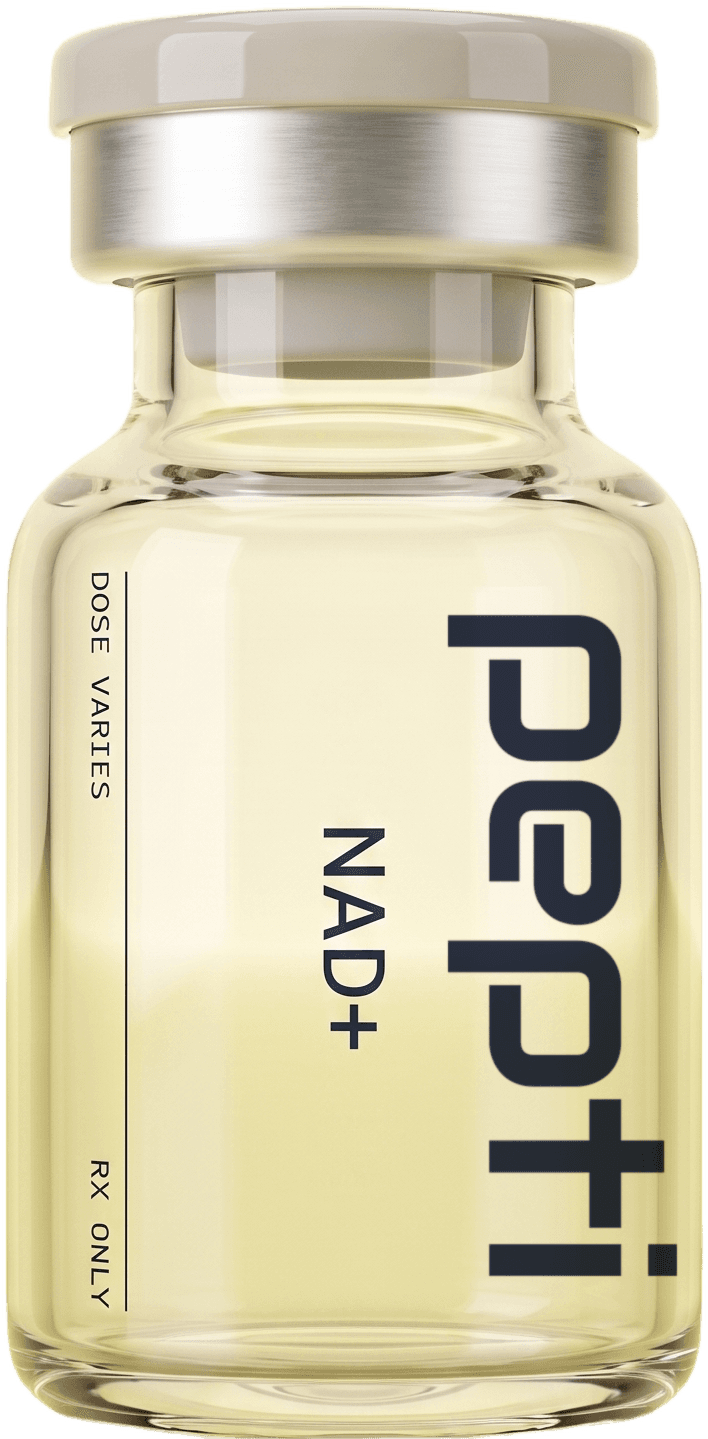
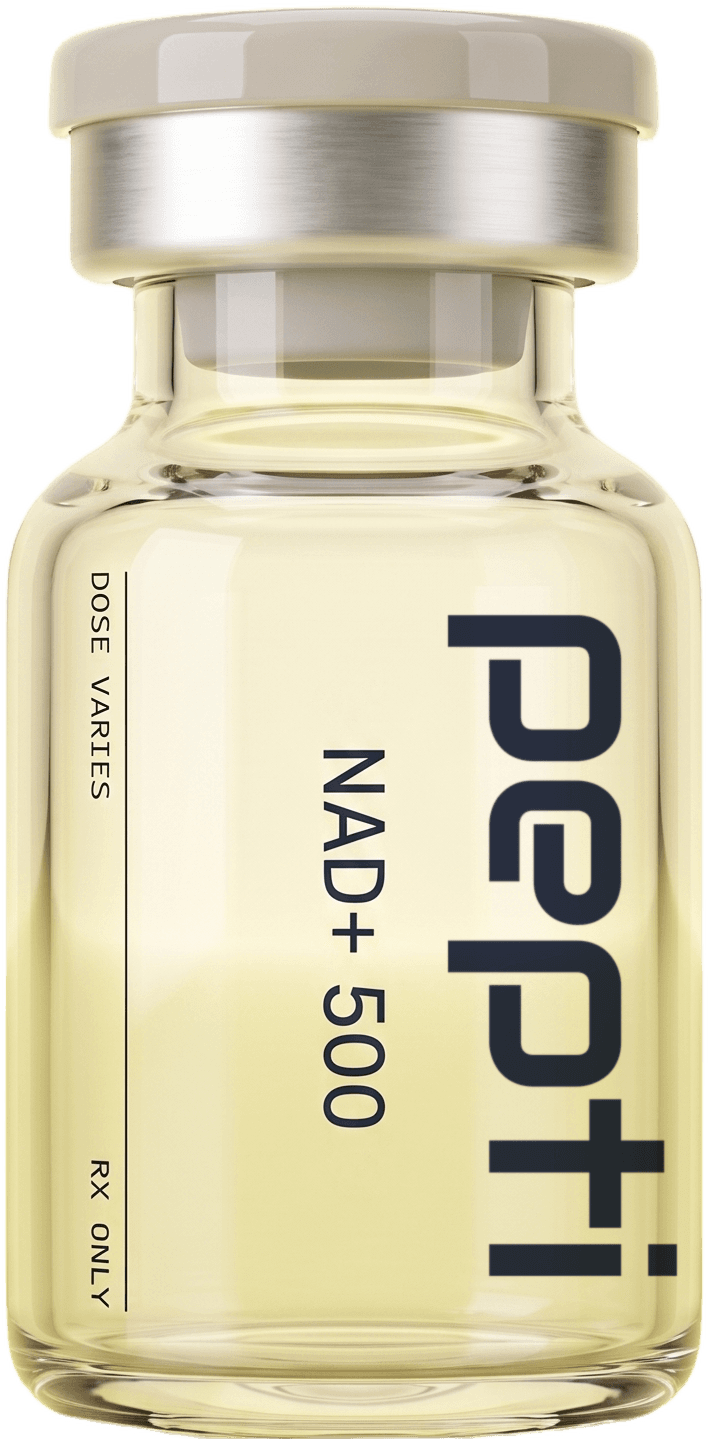
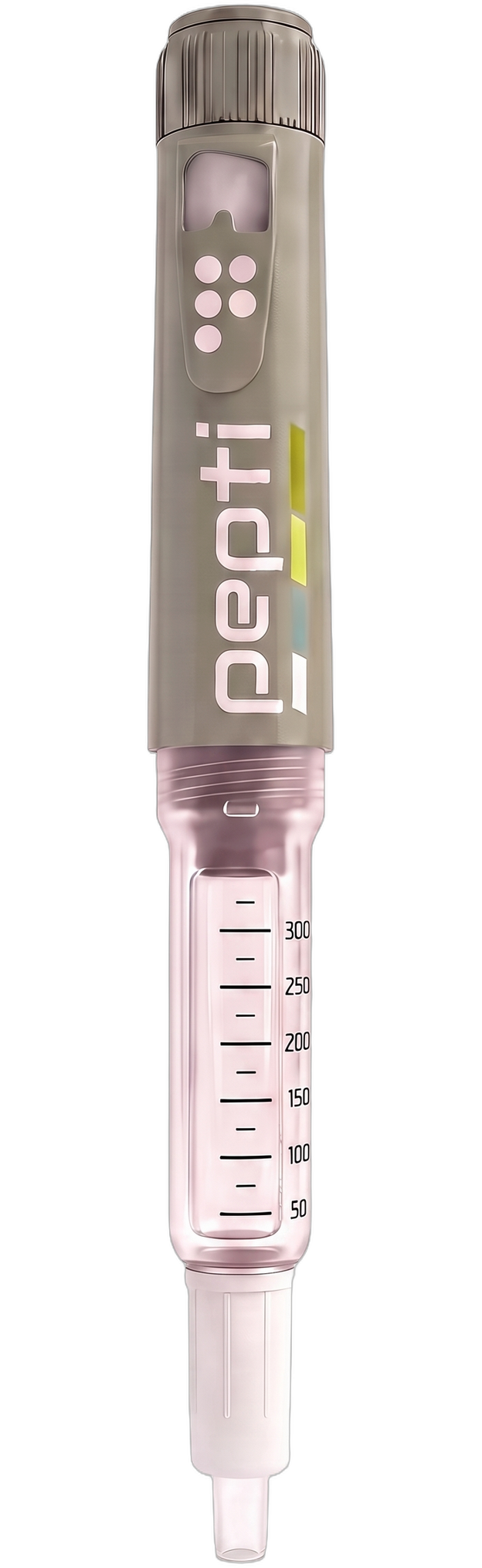
On the other hand, NAD+ plays a critical role in metabolism and energy production within cells. Available as NAD+ Injection or NAD+ Capsules, both priced at $199/month and $179/month, respectively, NAD+ supports mitochondrial function, which is vital for maintaining cognitive clarity and stamina. It indirectly benefits focus by improving overall brain energy, but its effects may be subtle compared to the more direct action of Synapsin.
Benefits of Each Peptide
Synapsin Nasal Spray
- Quick Onset: Fast-acting due to nasal administration.
- Enhanced Focus: Improves neurotransmitter release for better focus and memory.
- Neuroplasticity Support: Aids in cognitive adaptability and learning.
NAD+ Peptides
- Energy Production: Boosts cellular energy through enhanced mitochondrial function.
- Cellular Repair: Supports overall cellular repair and longevity, which can indirectly benefit cognitive health.
- Versatility: Available in multiple forms (injection and capsules) to fit personal preferences.
Side Effects
Synapsin
Generally well-tolerated, potential side effects may include nasal irritation or mild headache. It’s advisable to consult healthcare providers, especially for those with existing conditions.
NAD+
Side effects may include flushes, nausea, or reactions at the injection site. As with any peptide therapy, getting a thorough blood testing is crucial to assess baseline health and monitor for any adverse reactions.
Choosing the Right Peptide for You
When deciding between Synapsin and NAD+, consider your specific needs:
- If you seek immediate cognitive enhancement, especially for tasks requiring sharp focus, Synapsin may be the optimal choice.
- If you're interested in supporting overall energy levels and metabolic health alongside cognitive function, NAD+ could be more appropriate.
Additionally, combining both peptides could provide a comprehensive approach to enhancing both focus and energy, though it’s essential to discuss this with a healthcare provider. Regular blood work can help monitor the effectiveness and safety of your chosen peptide therapies.
Frequently Asked Questions
What is the primary difference between Synapsin and NAD+?
The primary difference lies in their focus areas: Synapsin is designed for immediate cognitive enhancement through neurotransmitter release, while NAD+ works on cellular energy and repair, beneficial for overall brain health.
How should I take these peptides for the best results?
Synapsin is administered as a nasal spray, providing quick effects, while NAD+ can be taken as an injection or capsule. Your choice may depend on your lifestyle, preference, and healthcare provider’s guidance.
Are there any risks or side effects associated with these peptides?
Both Synapsin and NAD+ are generally well-tolerated; however, potential side effects may occur. Regular monitoring through blood tests is advisable to ensure safety and effectiveness in therapy.
Incorporating peptides can be a powerful tool for enhancing cognitive function. To explore how peptides can support your health journey, consider taking the free assessment to find the best options for you.