Introduction
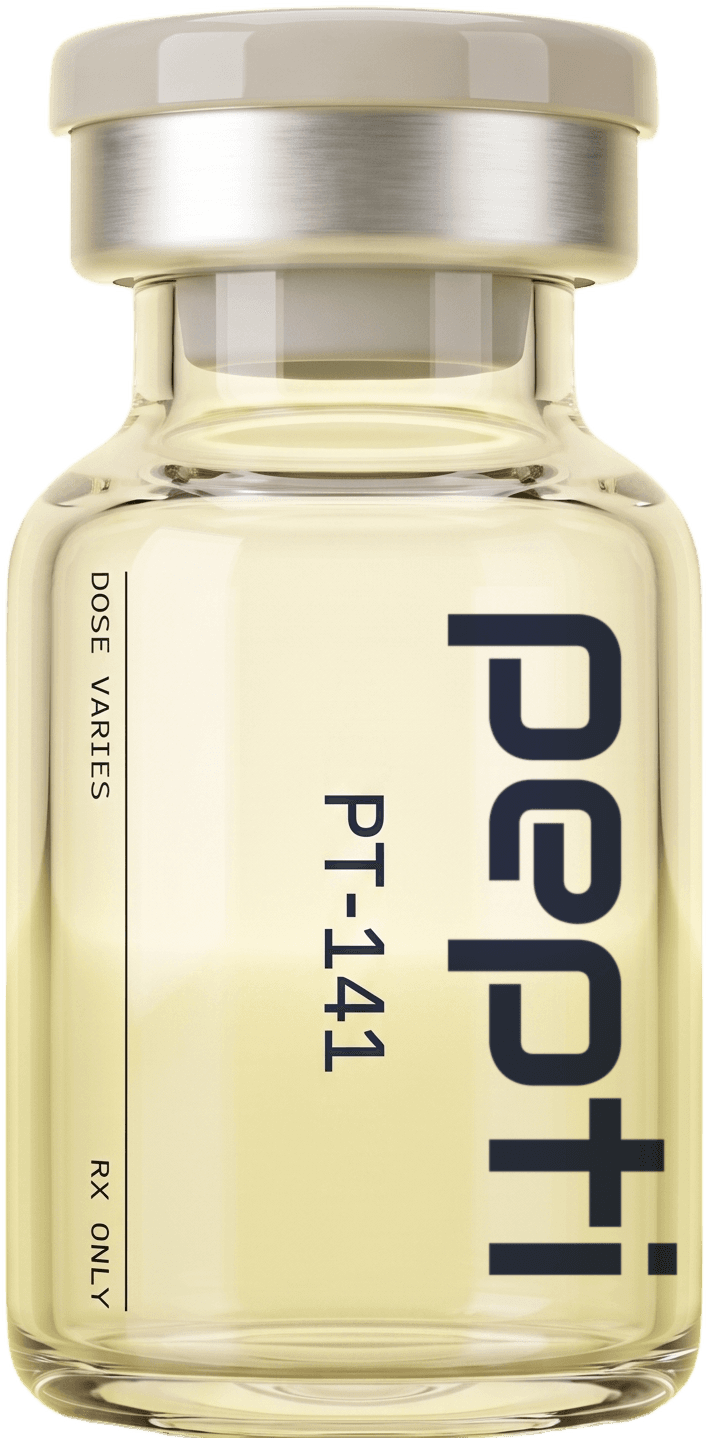
As we approach 2026, the landscape surrounding compounded peptides—such as PT-141, a peptide known for enhancing intimate wellness—continues to evolve. With an increasing interest in peptide therapies, understanding the regulatory framework becomes essential for both healthcare providers and patients. This post will delve into the current and future regulatory status of compounded peptides, highlighting what you need to know as we look ahead.
The Current State of Compounded Peptides
What Are Compounded Peptides?
Compounded peptides are custom-made formulations that combine one or more active ingredients to meet the specific health needs of patients. They may be prepared by licensed pharmacists and can be tailored in terms of dosage, delivery method, and even flavor.
Regulatory Bodies at Play
In the United States, the Food and Drug Administration (FDA) holds significant authority over the regulation of compounded medications. The FDA has established guidelines to ensure quality and safety, but the application of these rules can vary:
- Traditional Compounding: Personalized medications made for a specific patient based on a physician's prescription.
- Outsourcing Facilities: These facilities can produce larger batches of compounded medications but must comply with more stringent regulations.
Recent Developments
In recent years, compounded peptides have faced scrutiny due to safety concerns and the efficacy of non-FDA approved therapies. While PT-141 has shown promise in enhancing intimate wellness, regulatory bodies are still cautioning against unsupervised use.
The Future of Compounded Peptides in 2026
Anticipated Regulatory Changes
As we approach 2026, several trends are predicted to shape the regulatory landscape of compounded peptides:
- Increased Oversight: The FDA is likely to intensify scrutiny on compounded medications, potentially leading to stricter guidelines on their production and distribution.
- Focus on Quality: Emphasis on the sourcing of raw materials and quality control measures will increase, ensuring that patients receive safe and effective treatments.
- Expanded Insurance Coverage: As the popularity of peptide therapies grows, there may be a push towards more insurance companies covering these treatments, making them more accessible.
Implications for Patients and Healthcare Providers
Understanding these regulatory changes is crucial for both patients and healthcare providers. Here are key implications to consider:
- Education: Patients should educate themselves on the regulations governing compounded peptides to make informed decisions regarding their use.
- Consultation: Healthcare providers must stay updated on regulatory changes to guide patients effectively, especially concerning the safety and efficacy of treatments like PT-141.
- Patient-Centric Practices: Providers should adopt patient-centric practices that prioritize safety and transparency in prescribing compounded medications.
Spotlight on PT-141: Intimate Wellness Made Custom
PT-141, known for its role in enhancing intimate wellness, is a compelling example of compounded peptides. As awareness and demand for such therapies grow, here’s what to keep in mind:
- Personalization: PT-141 is often compounded to fit individual needs, providing a tailored approach to intimate health.
- Safety: Patients should ensure that they are receiving PT-141 from licensed and reputable pharmacies that adhere to regulatory standards.
- Future Developments: As regulations tighten, the future landscape for PT-141 and similar peptides will likely focus on enhanced safety protocols, ensuring that patients receive both effective and safe treatments.
Conclusion
As we look towards 2026, the regulatory status of compounded peptides like PT-141 is set to undergo significant changes. Both patients and healthcare providers must stay informed and proactive in navigating this evolving landscape. At [pepti], we are committed to providing safe, effective peptide therapies while adhering to the highest standards of quality and regulatory compliance.
Stay Informed! If you're curious about how compounded peptides can fit into your wellness plan, consider taking our free assessment at pepti to learn more about your options and get personalized guidance. Your journey to enhanced wellness starts with informed choices.