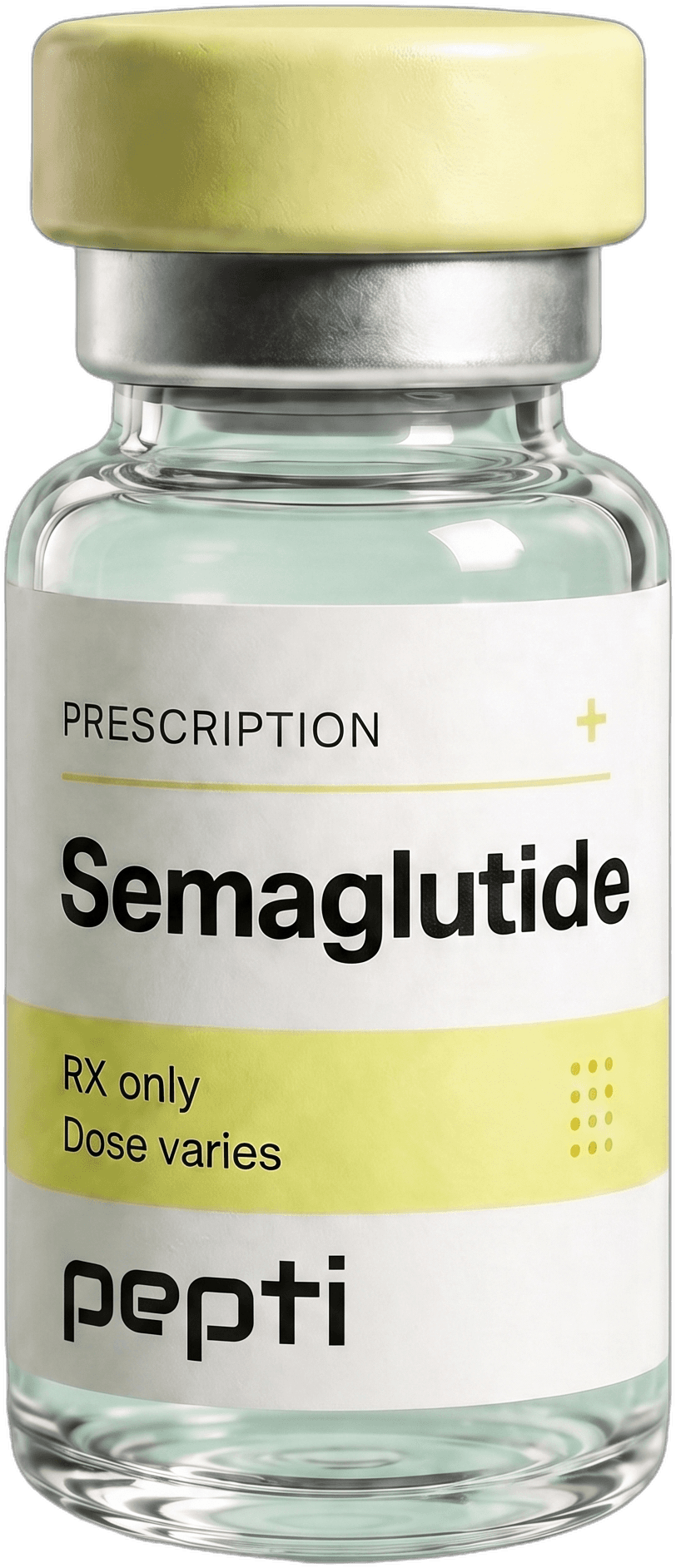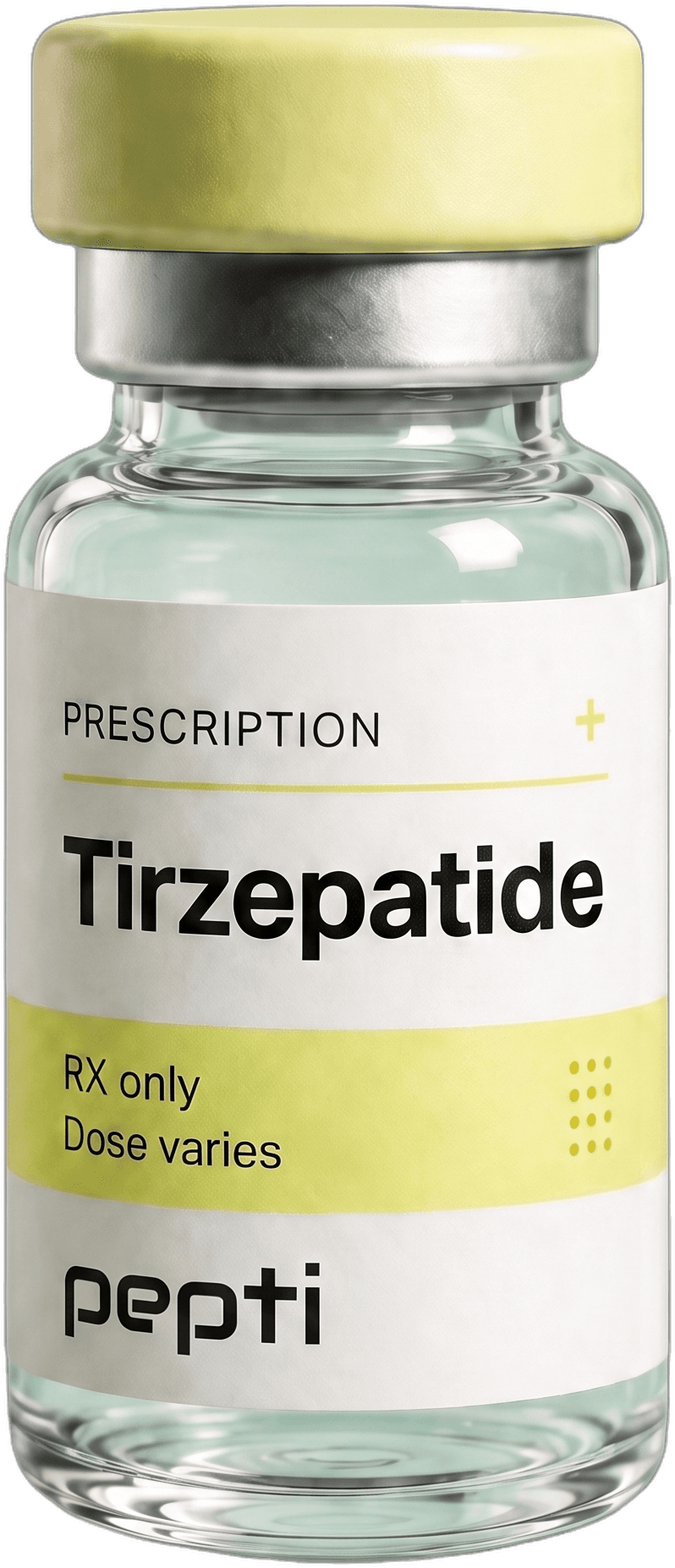
The peptide space has legitimate medical providers and it has anonymous storefronts — and their websites can look surprisingly similar. The difference is that legitimacy leaves a public paper trail. Every check below uses records anyone can search, takes about a minute, and works on any provider — including us.
1. Make them name the pharmacy — then look it up
Every real prescription is filled by a specific licensed pharmacy, and a legitimate provider will tell you which one. Search that pharmacy in its state Board of Pharmacy license database. If the answer is "our proprietary supplier," a foreign warehouse, or silence, walk away — there is no pharmacy, which means there is no prescription, which means it's a research-chemical site.
2. Check LegitScript
LegitScript independently audits telehealth and pharmacy merchants — corporate identity, licensing, sourcing, marketing claims. Certification can't be self-awarded or faked: search the company's domain in LegitScript's public checker. It's not the only mark of a real operation, but a certified merchant has been vetted by someone whose job is catching the fakes.
3. Verify a real, named prescriber
"Our medical team" is not a credential. Look for named clinicians — then verify them on your state medical board's license lookup. A provider that won't tell you who prescribes isn't providing medicine. Our physicians are listed, by name, at providers.
4. Demand the full price before checkout
Legitimate care publishes what you'll actually pay. The gray-market pattern — and the pattern of some clinics, too — is a teaser vial price that grows fees at checkout: consultation fees, transfer fees, memberships you didn't ask for. Compare all-in monthly cost, not vial price. If you can't find the total before entering a card number, that's the answer.
5. Find the company behind the site
A real business shows a legal name, a physical address, and a support contact — and those details match across its website, its terms, and public registries. Anonymous operators can vanish with your card details and your data; licensed ones can't. Check the footer. Check that it matches everywhere else.
What passing all five looks like
A provider that names its FDA-registered pharmacies, holds LegitScript certification, lists physicians you can verify, publishes one all-in price on every product page, and puts its legal identity in the footer has nothing to hide — and won't mind you checking. That's the standard we built Pepti to meet, and it's the standard worth holding anyone to.
FAQ
What's the single fastest check?
LegitScript. One search, independently verified, nearly impossible to fake.
A site sells peptides with no doctor involved at all — is that a red flag?
It's the red flag. No prescriber means no prescription, which means whatever you receive is an unregulated research chemical regardless of how medical the website looks.
Do these checks apply to GLP-1 and weight-loss sites too?
All five, unchanged. Compounded semaglutide and tirzepatide have the same split between licensed pharmacy sourcing and gray-market vials — and the same verification trail.
What if a provider fails only one check?
Ask them about it directly. A legitimate operation will have a real answer with paperwork behind it. Evasion on any single check is a complete answer.