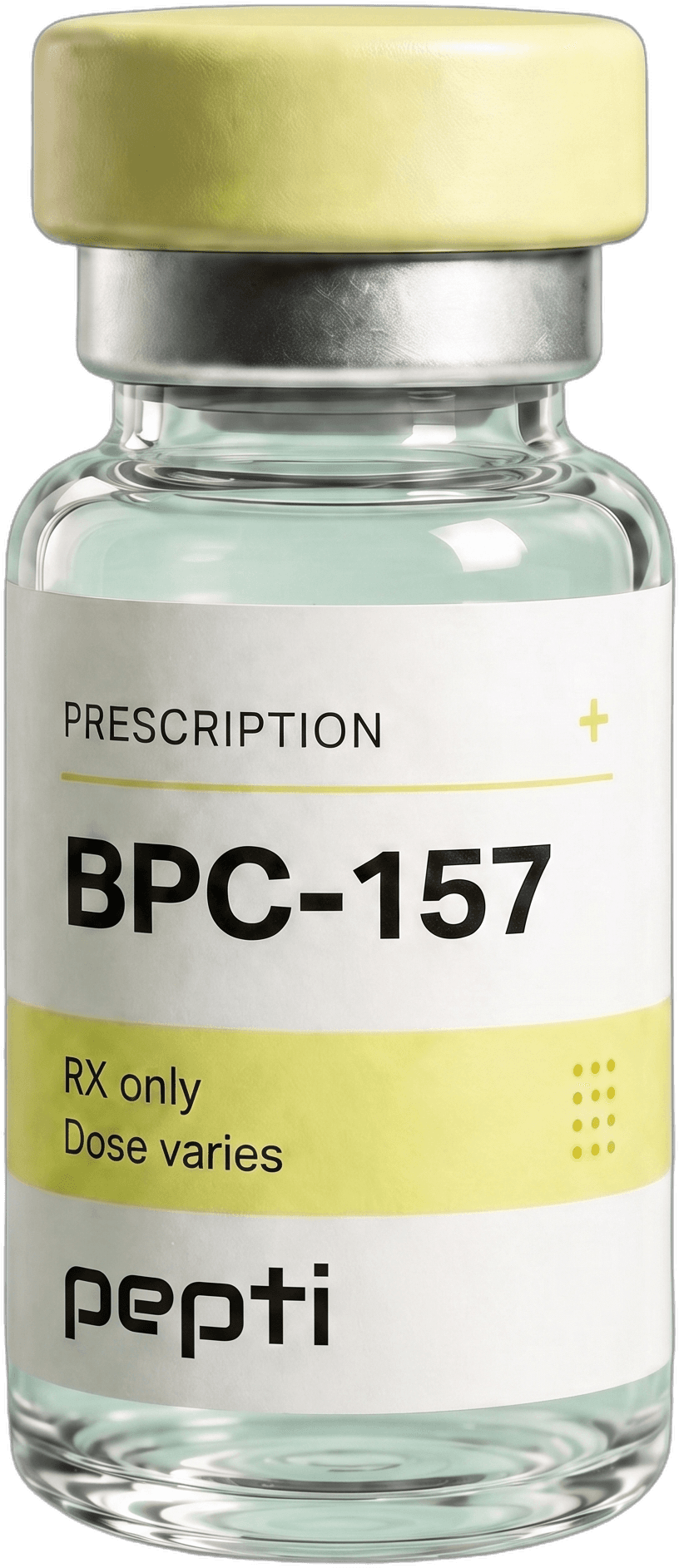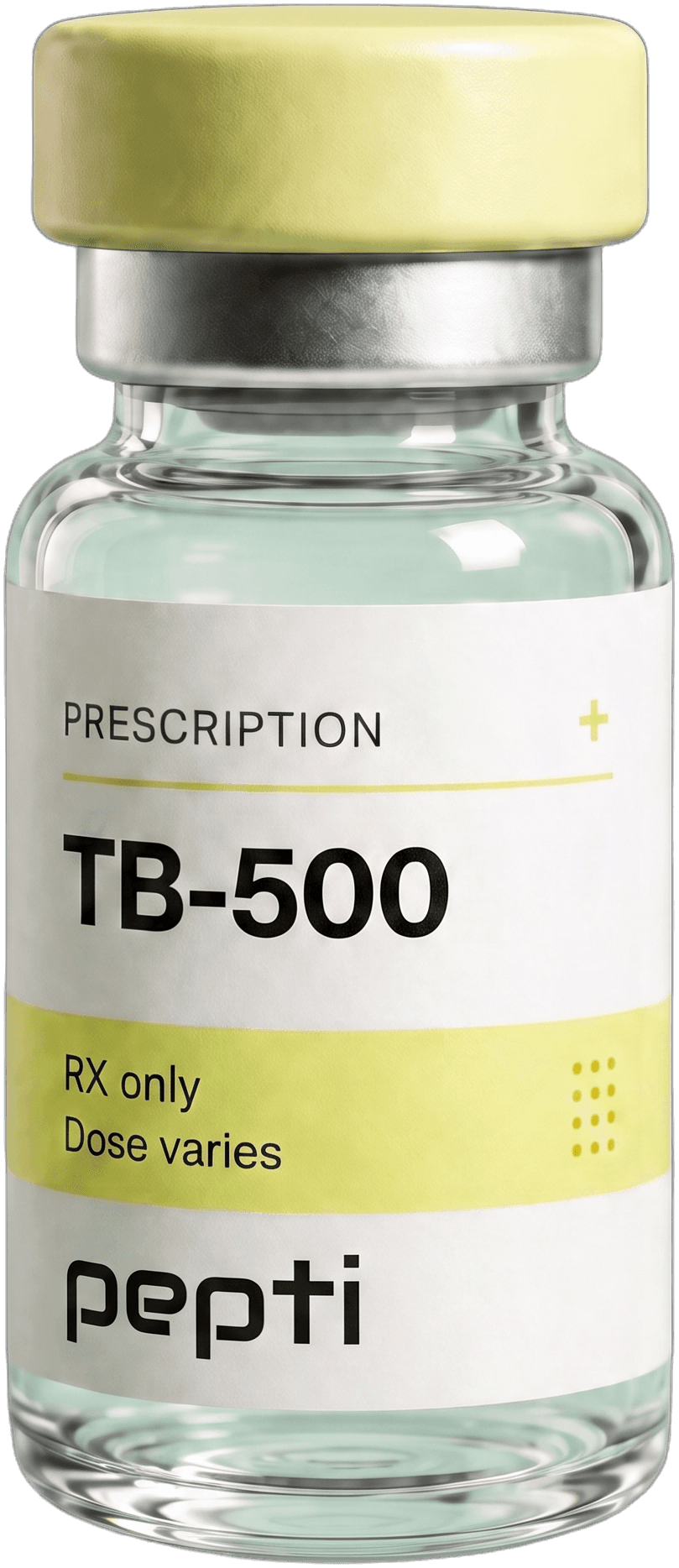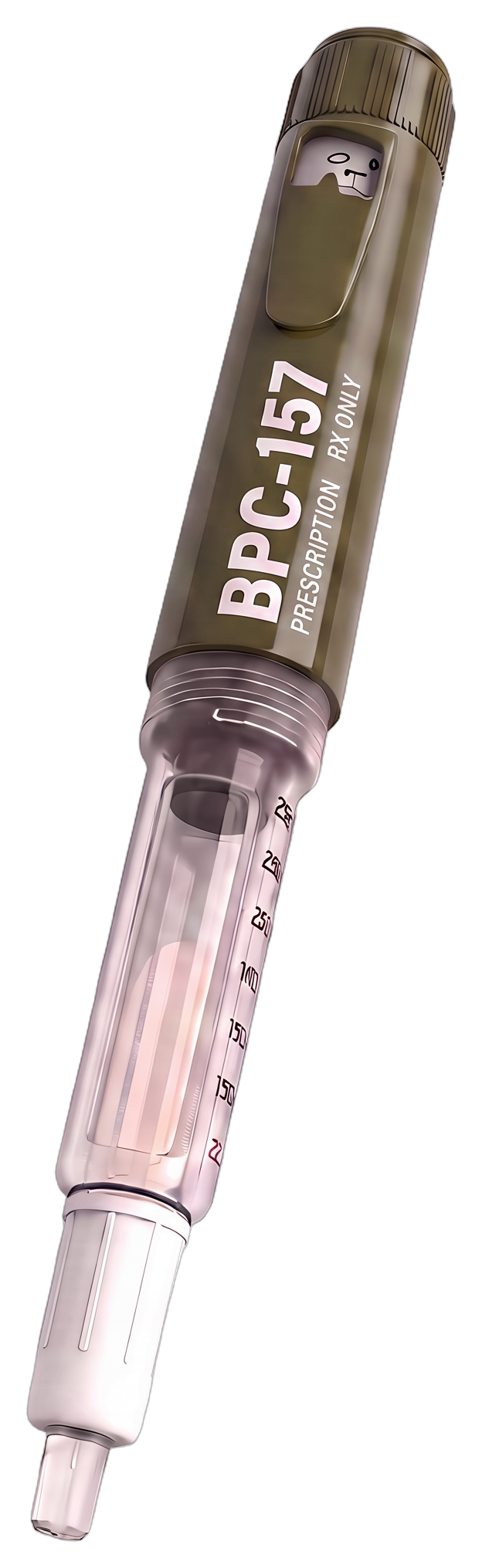
Search for almost any peptide — BPC-157, TB-500, Semax — and you'll find two very different kinds of sellers using the same compound names. One is a licensed pharmacy filling a physician's prescription. The other is a "research chemical" site with a checkout page and a disclaimer. The vials can look nearly identical. What's inside them, and what stands behind them, is not.
Where each product actually comes from
Prescription peptides are compounded at licensed 503A/503B pharmacies — facilities registered with the FDA and inspected by their state Board of Pharmacy. They work from pharmaceutical-grade ingredients with documented sourcing, compound to a prescription written by a licensed physician, and test for potency and sterility before anything ships.
Research peptides come from unregulated suppliers, frequently overseas, sold "for laboratory use only." No pharmacy license, no prescriber, no required testing, and no inspection. The "research" label is not a quality tier — it is the legal doorway that lets a vendor sell a compound without any of the safeguards that come with medicine.
What independent testing keeps finding
Independent analyses of gray-market peptide products have repeatedly found vials that were underdosed, overdosed, mislabeled, or contaminated — bacterial endotoxins, heavy metals, or a different compound than the label claimed. With no lot testing and no accountability, every order is a new roll of the dice. A licensed pharmacy, by contrast, is legally responsible for what leaves its facility, and its testing exists on paper you can ask for.
The part that isn't in the vial at all
The compound is only half the product. A prescription comes with the things that make treatment safe and useful:
- A physician's review of your health history, medications, and whether the treatment is appropriate at all
- A dosing protocol — written instructions instead of forum guesswork
- Follow-up — someone to message when something feels off, and bloodwork to check what's actually happening
- Recourse — a licensed pharmacy and a named prescriber are accountable to state boards; an anonymous website is accountable to no one
Gray-market buyers pay less per vial and do all of that themselves, with no safety net.
How to tell which kind of seller you're looking at
A five-minute check settles it. A legitimate provider will name the pharmacy that fills its prescriptions (look it up on the state Board of Pharmacy), show named, licensed prescribers you can verify on a state medical board, publish its full price, and pass independent audits like LegitScript certification. We keep a complete checklist here: gray market vs Pepti.
If a site sells you a peptide with no medical review at all — no intake, no prescriber, just a cart — you're on a research-chemical site, whatever the marketing says.
FAQ
Is it legal to buy research peptides online?
Vendors sell them under a "not for human consumption" label, which places the entire legal and safety burden on the buyer. Using them on yourself is exactly what the label disclaims.
Are compounded peptides FDA-approved?
No — compounded medications are not FDA-approved products. They are prepared by licensed, FDA-registered pharmacies to a physician's prescription, which is a different, regulated pathway with real oversight, testing, and accountability.
Why are gray-market peptides cheaper?
Because the price doesn't include testing, a licensed pharmacy, a physician, dosing guidance, or anyone answerable if something goes wrong. You're not buying the same product minus markup — you're buying a fraction of the product.
How does it work at Pepti?
You complete a free assessment, a licensed physician reviews it, and if treatment is appropriate the prescription is filled by an FDA-registered partner pharmacy and shipped to you — one all-in monthly price that includes the medication, physician care, and shipping. See how it works.