How to Discuss Peptide Therapy with Your Doctor
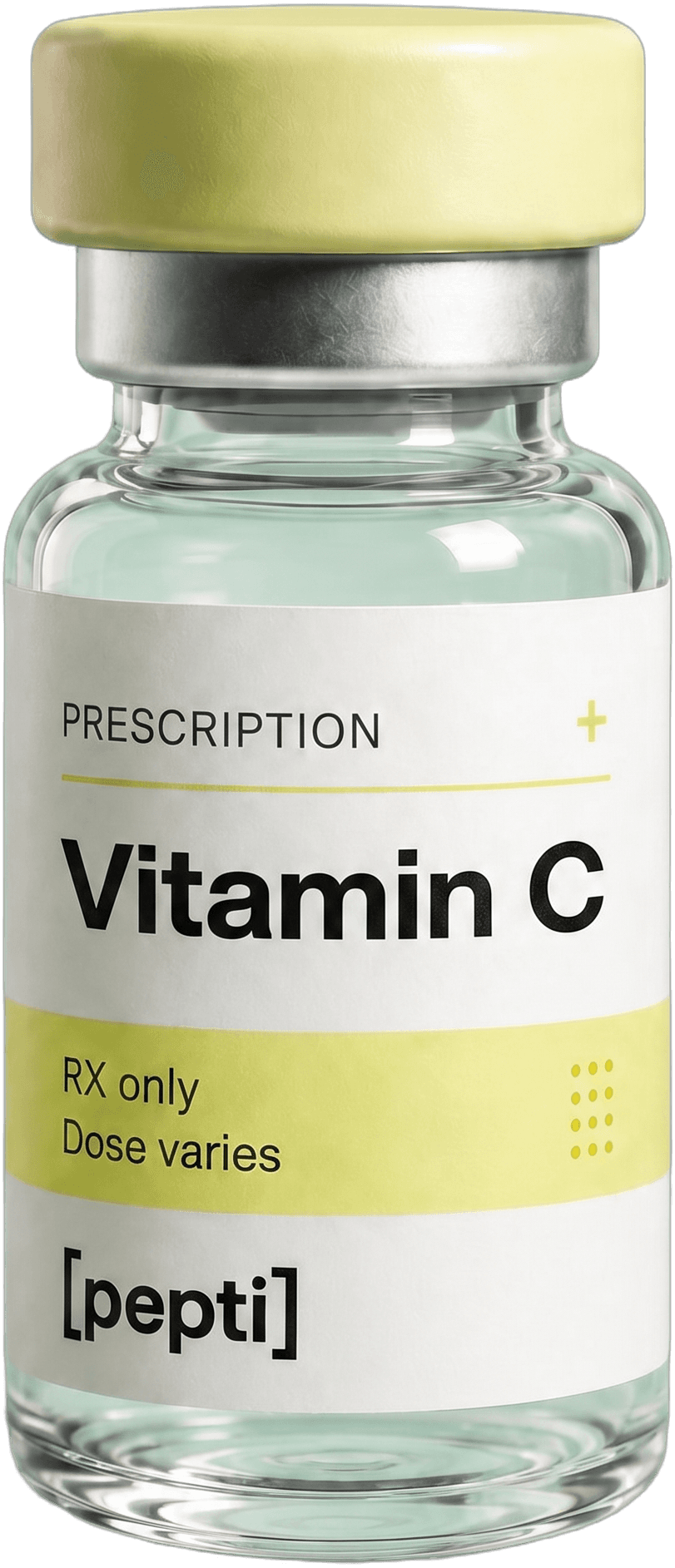
Peptide therapy is an innovative approach to health and wellness that can offer a variety of benefits, from weight management to enhanced energy levels. If you’re considering peptide therapy, such as Vitamin C Injection, it’s essential to communicate effectively with your healthcare provider. In this guide, we’ll explore how to approach this conversation and what key points to cover.
Understand What Peptide Therapy Is
Before speaking to your doctor, it’s important to have a solid understanding of what peptide therapy entails. Peptides are short chains of amino acids that can signal various biological processes in the body. They have been used for:
- Weight Management: Peptides like Semaglutide and Tirzepatide have shown efficacy in helping individuals manage their weight.
- Hormone Optimization: Options like Sermorelin can stimulate natural growth hormone production, aiding overall vitality.
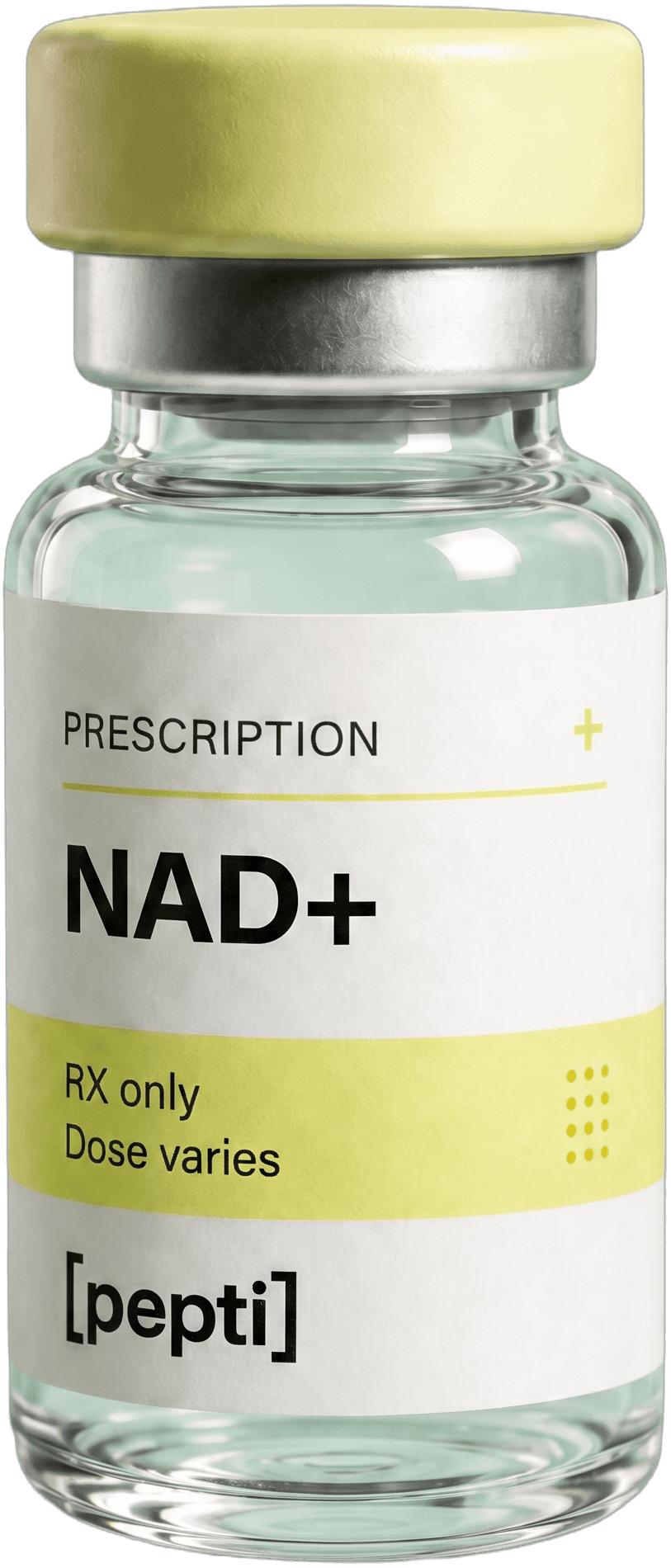
- Cellular Health: NAD+ injections and high-dose Vitamin C injections can enhance cellular energy and support immune function.
Preparing for the Appointment
Preparation can significantly impact the quality of the conversation. Here are some steps you should take before your appointment:
- Research: Gather information about the specific peptides you’re interested in. Understand their benefits, potential side effects, and how they may fit into your health goals.
- List Your Questions: Create a list of questions you want to discuss. Consider asking about:
- The specific peptides that would be suitable for your needs.
- Any potential risks or side effects associated with these therapies.
- How your current medications or conditions might interact with peptide therapy.
- Compile Your Health History: Be ready to share your medical history, including any current medications, health conditions, and lifestyle factors that could influence your eligibility for peptide therapy.
Initiating the Conversation
Once you’re prepared, it’s time to start the conversation. Here’s how to approach it:
- Express Your Interest: Begin by expressing your interest in peptide therapy. You might say something like, “I’ve been researching peptide therapy and am interested in exploring options like Vitamin C injections for immune support.”
- Share Your Goals: Discuss your health goals candidly. Whether you’re looking to manage weight, boost energy, or improve your skin health, sharing these objectives can help your doctor provide tailored guidance.
- Ask Open-Ended Questions: Encourage dialogue by asking open-ended questions, such as, “What is your opinion on peptide therapies for my health situation?” This approach invites your doctor to share their insights and recommendations.
Importance of Blood Testing
As you discuss peptide therapy, mention the importance of monitoring your health through blood testing. Baseline and follow-up bloodwork is crucial for:
- Determining appropriate dosages for peptides.
- Monitoring effectiveness and adjusting therapy as needed.
- Ensuring safety and identifying any potential side effects.
At pepti, we offer comprehensive blood testing services, including at-home collection kits. Make sure to inquire about what tests will be included to monitor your therapy effectively.
Follow-Up and Adjustment
After starting peptide therapy, regular follow-up appointments are essential. Discuss with your doctor how often you should return for check-ups and what specific metrics will be monitored. This proactive approach will help you both stay informed about your progress and make necessary adjustments to your treatment plan.
Frequently Asked Questions
How do I know if peptide therapy is right for me?
Peptide therapy may be suitable for individuals looking to improve specific health conditions, manage weight, or enhance overall wellness. Discussing your health goals and medical history with a healthcare provider can help you determine if peptide therapy is the right fit.
What should I expect during peptide therapy?
During peptide therapy, you may receive injections or oral doses of peptides as prescribed by your doctor. Your healthcare provider will monitor your progress, assess the effectiveness of the therapy, and make adjustments as needed based on your test results and feedback.
Are there side effects associated with peptide therapy?
Like any medical treatment, peptide therapy can have side effects, which may vary depending on the specific peptide used. Common side effects might include injection site reactions, headaches, or digestive issues. Always consult with your healthcare provider for personalized advice and to address any concerns.
If you’re curious about how peptide therapy, including options like high-dose Vitamin C injections, can benefit your health, start by taking our free assessment at pepti.