Introduction
Ever wondered what your blood test is really telling you—and why it matters for safe, effective peptide or hormone therapy? Whether you’re seeking to unlock greater focus, energy, or lasting metabolic change, bloodwork is your scientific roadmap. At Pepti, every physician-guided protocol starts with comprehensive baseline testing and continues with targeted follow-up panels, ensuring your care is as personalized (and safe) as possible.
Why Bloodwork Matters for Peptide & Hormone Therapy
Baseline bloodwork paints a detailed picture of your current health, revealing:
- Hormonal balance (testosterone, estrogen, thyroid, cortisol, etc.)
- Metabolic markers (glucose, insulin, lipid panels)
- Key nutrient levels (B12, vitamin D, trace minerals)
Why does this matter?
- Optimization: Your doctor chooses and adjusts treatments according to your actual biochemistry.
- Safety: Bloodwork detects risks or contraindications before you start or during therapy.
- Efficacy: Tracking biomarkers proves you’re making real, measurable progress.
Pepti makes this easy, offering both at-home kits and in-lab draws for a wide range of biomarkers. A standard panel is always included if your doctor requires it.
Hormones: The Body’s Signal System
Hormones are chemical messengers that regulate mood, focus, energy, weight, and more. Imbalances—whether subtle or significant—can stall progress or even jeopardize your health.
What Can Your Blood Test Detect?
- Sex hormones: Testosterone, estradiol, progesterone, LH, FSH
- Thyroid function: TSH, Free T4, Free T3
- Stress hormones: Cortisol, DHEA-S
- Growth hormone axis: IGF-1, sometimes GH itself
How Peptide Therapy Fits In
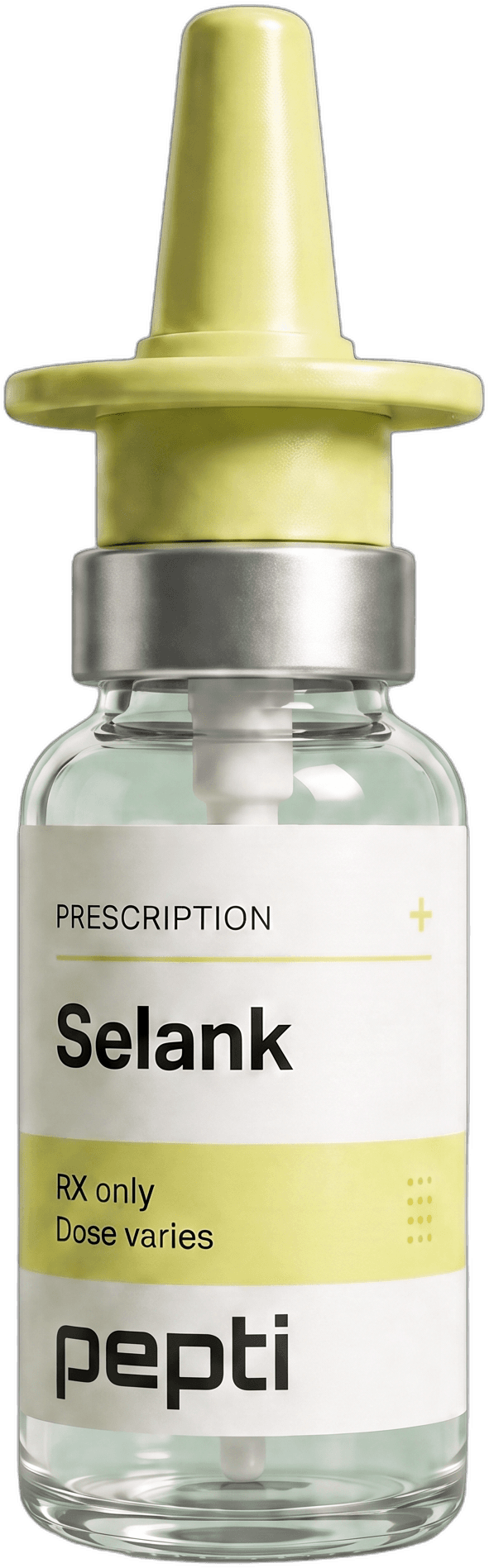
If bloodwork reveals low IGF-1 or suboptimal growth hormone signaling, your provider might discuss options like CJC-1295 / Ipamorelin or Sermorelin to naturally stimulate your body’s GH production. For mood and cognitive focus concerns, Selank Nasal Spray is often considered, especially when stress or anxiety disrupts hormonal signaling.
Metabolic Health: Beyond the Scale
Metabolic health isn’t just about weight—your blood reveals the deeper story:
- Glucose & insulin: Elevated fasting glucose or high insulin can signal prediabetes or insulin resistance long before symptoms.
- Lipid panel: High LDL or triglycerides raise risk for cardiovascular issues.
- Inflammation markers: High-sensitivity CRP, homocysteine, and others paint a picture of your metabolic resilience.
Peptides for Metabolic Optimization
If your labs point to weight regulation issues or insulin resistance, your provider may recommend Semaglutide or Tirzepatide, both shown to support healthy weight management and metabolic profile improvements.
Pro Tip:
Always compare your follow-up blood tests after 8-12 weeks of therapy to your baseline. It’s the only way to know if your protocol is working—and your doctor will adjust as needed.
Nutrient Status: The Overlooked Foundation
Micronutrient deficiencies can mimic or worsen hormone/metabolic imbalances. Your blood test can check levels of:
- Vitamin B12 & folate
- Vitamin D
- Iron & ferritin
- Magnesium, zinc, selenium, and other key minerals
Low B12? Consider B12/MIC blends like Lipo-B or Lipo-Mino-Mix-C to support metabolism and cellular energy. If you’re optimizing for focus and calm, ensure your vitamin D, magnesium, and B vitamins are in range—these directly affect cognitive performance and stress resilience, both targets of Selank Nasal Spray.
The Pepti Approach: Personalized, Data-Driven Care
- Step 1: Take our free assessment and consult your provider
- Step 2: Complete your blood testing—at home or in a lab
- Step 3: Receive your treatment plan, dialed in with your results
- Step 4: Repeat bloodwork at intervals to track progress and keep your therapy on the right track
With Pepti, you’re never guessing. Data drives every decision, making your peptide journey safer and more effective.
Tracking Progress: What Should Change?
- Hormone levels should move toward physiological “optimal” ranges
- Metabolic markers (glucose, insulin, cholesterol) should improve
- Nutrient deficiencies are corrected
- Subjective wins: better energy, sleep, focus, mood, body composition
Your provider will use both lab results and your personal feedback to tweak your protocol over time.
Frequently asked questions
How often should I repeat bloodwork during peptide or hormone therapy?
Most protocols start with a baseline panel and repeat every 3-6 months. Some therapies (like weight management peptides) may call for more frequent checks, especially early on.
Is at-home blood testing as reliable as in-lab draws?
Yes—if performed correctly. Pepti’s physician-reviewed at-home kits use validated technology, testing the same biomarkers as leading labs. Your provider will recommend the best option for your needs.
What if my bloodwork reveals unexpected results?
Your Pepti provider will walk you through every finding. Sometimes a blood test spots an early issue (like thyroid or nutrient deficiency) before symptoms arise—giving you options to optimize safely.
Ready to decode your biology and unlock your best self? Take the free Pepti assessment and let your bloodwork guide the way!