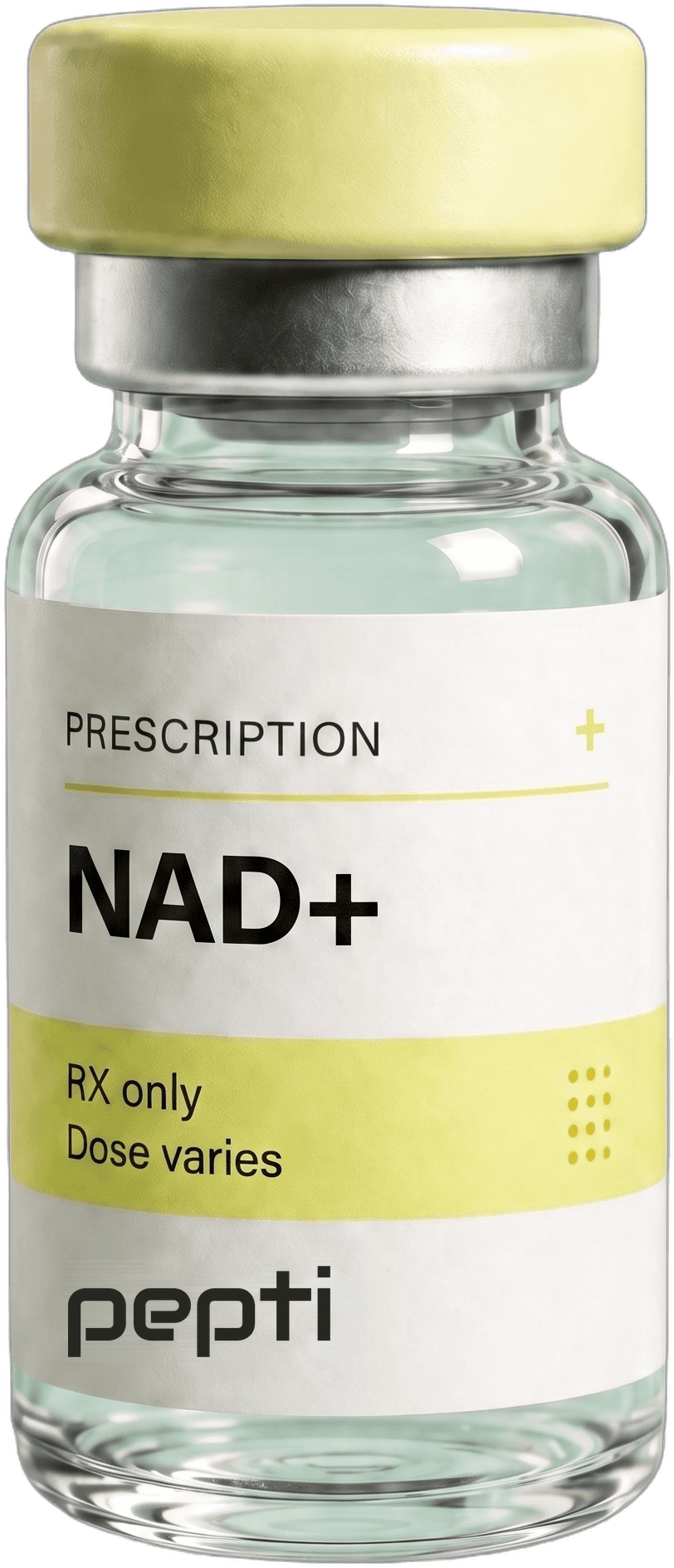
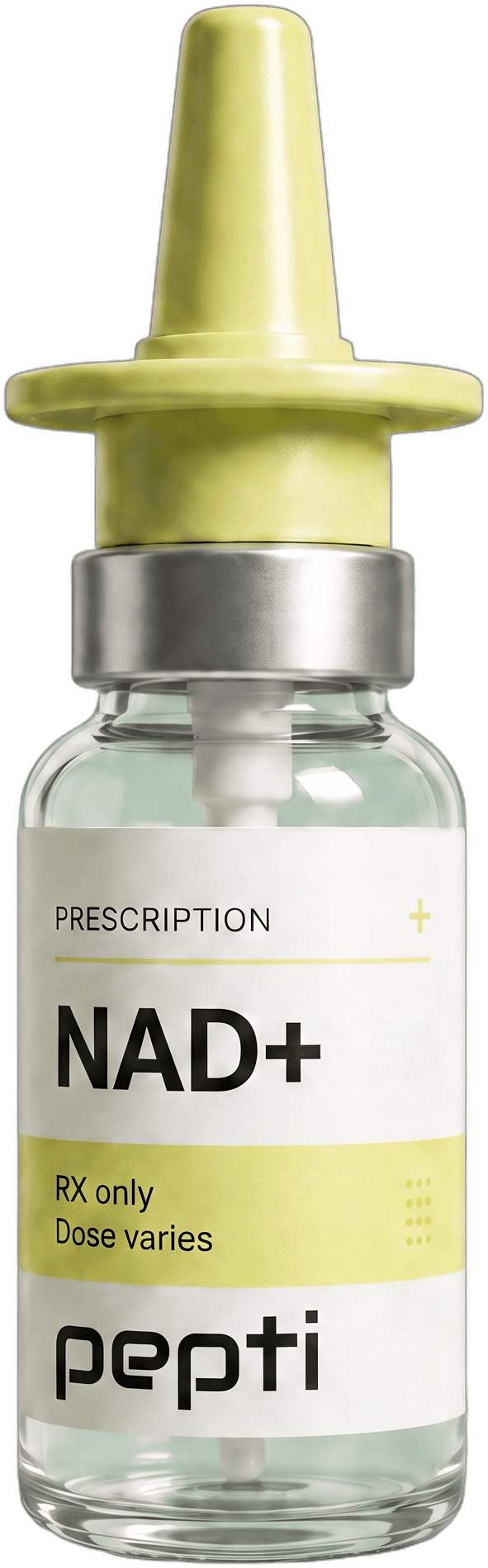
Why NAD+ Nasal Spray?
If you're feeling sluggish, mentally foggy, or seeking a needle-free option to support cellular energy, you may have come across NAD+ Nasal Spray. This innovative peptide formulation delivers NAD+ (nicotinamide adenine dinucleotide) directly to the bloodstream via the nasal mucosa, supporting cellular repair and energy metabolism—without the need for injections. But how do you bring it up with your doctor, and what should you expect from the conversation?
Prepare Before the Appointment
1. Get Clear on Your Goals
Before scheduling your visit, reflect on why you're interested in NAD+ Nasal Spray. Are you seeking help with brain fog, energy crashes, or general well-being? Jot down your top symptoms and wellness goals. Clear intentions help your doctor tailor recommendations to your needs.
2. Research the Basics
While you don’t need to be a peptide expert, understanding the fundamentals empowers a smooth conversation. NAD+ is essential for mitochondrial function—think of it as the cell’s energy currency. Nasal delivery offers a convenient, needle-free alternative to NAD+ injections and can be easier for those with needle aversion.
3. Gather Health and Medication Info
Bring a list of your medications, supplements, and health conditions. This helps your doctor rule out potential interactions and ensures peptide therapy fits safely within your routine.
Key Talking Points for Your Doctor
Here are some evidence-based topics and questions to consider when discussing NAD+ Nasal Spray with your healthcare provider:
- What’s the difference between NAD+ Nasal Spray and injections?
- Is NAD+ therapy compatible with my health conditions or medications?
- What bloodwork or monitoring might be needed before and during treatment?
- What improvements should I realistically expect, and how soon?
- How long is NAD+ Nasal Spray typically used?
- Are there any known side effects or safety considerations?
Tip: Print or bookmark product pages like NAD+ Nasal Spray and NAD+ Injection to share with your provider.
Why Baseline and Follow-Up Bloodwork Matters
Doctors often recommend blood testing before and during peptide therapy to ensure safety and optimize results. Baseline labs give a snapshot of your hormone, metabolic, thyroid, and nutrient status, making it easier to spot improvements or side effects later. Pepti offers blood testing with at-home kits and in-lab options, plus a free panel if your doctor requires it. See the biomarkers we test for full details.
Monitoring your bloodwork is essential for safe, effective therapy—don’t skip this step!
What to Expect from Your Doctor
Open-Mindedness Varies
Not every provider is familiar with peptide therapies. Some may be enthusiastic, others cautious. If you feel dismissed, seek a second opinion or connect with a peptide-literate telehealth provider like Pepti for expert guidance.
Shared Decision-Making
A good doctor will discuss the potential benefits, risks, and alternatives, helping you weigh whether NAD+ Nasal Spray aligns with your health goals and values.
Individualized Plan
If you're a candidate, your doctor should customize your protocol. They may also suggest other peptide options, such as CJC-1295 / Ipamorelin (for growth and anti-aging) or BPC-157 (for healing and gut health), depending on your needs.
Tips for a Successful Conversation
- Be honest about your symptoms and history—the more your doctor knows, the better.
- Ask specific questions about safety, monitoring, and expected outcomes.
- Bring resources (like Pepti product pages) to support an evidence-based discussion.
- Be open to their expertise—and ready to discuss alternative strategies if NAD+ isn’t the right fit.
Frequently asked questions
Can I use NAD+ Nasal Spray if I’m already taking supplements or medications?
Most people can safely add NAD+ Nasal Spray, but interactions are always possible. Bring your full list of medications and supplements to your appointment so your provider can ensure a safe, personalized plan.
How soon might I notice results from NAD+ Nasal Spray?
Some users report feeling increased energy or mental clarity within the first 1-2 weeks, but results vary. Your experience may depend on baseline health, lifestyle, and adherence. Routine follow-up and bloodwork help track your progress.
What kind of monitoring is needed during peptide therapy?
Doctors often recommend baseline and periodic bloodwork to ensure your body is responding well and to catch any side effects early. Pepti includes a complimentary panel if your provider requests it—see our blood testing for details.
Ready to explore the possibilities of evidence-based peptide therapy? Take Pepti’s free 3-minute assessment at pepti.com/assessment to see if you’re a candidate!