Why Biomarker Tracking Matters for Hormone Optimization
Hormone optimization is not a guessing game. Whether you're using HCG (Injectable) for fertility, testosterone support, or hormonal balance, tracking the right biomarkers is the key to safety, effectiveness, and real results. At [pepti], we believe that data-driven decisions—starting with your bloodwork—provide a clear roadmap to your goals and help minimize side effects.
Bloodwork isn't just a checkbox—it's your foundation for safe, personalized hormone therapy. Learn more about our blood testing options.
Core Biomarkers to Track During HCG Therapy
If you're starting or currently on HCG therapy, here are the most important biomarkers (measured via blood tests) to monitor:
1. Sex Hormones
- Total Testosterone & Free Testosterone: Track increases and ensure levels remain in a healthy range.
- Estradiol (E2): HCG can raise estrogen. Monitoring is crucial to avoid symptoms of excess estrogen (mood changes, water retention, gynecomastia in men).
- Luteinizing Hormone (LH) & Follicle-Stimulating Hormone (FSH): Baseline levels help diagnose hypogonadism and monitor fertility status.
- Progesterone: Important for women, especially if using HCG for fertility or hormonal balance.
2. Gonadotropins and Supportive Hormones
- Prolactin: Elevated levels may impact sexual function and fertility.
- Sex Hormone Binding Globulin (SHBG): Influences the amount of active (free) testosterone.
3. Metabolic, Thyroid, and Safety Labs
- Hematocrit & Hemoglobin: Ensure red blood cell counts are healthy, especially if combining HCG with testosterone replacement.
- Liver Function Tests (ALT, AST): HCG is generally safe, but regular checks are smart if using hormonal therapies.
- Lipid Panel: Hormonal shifts can affect cholesterol—keep tabs for cardiovascular health.
- TSH, Free T3, Free T4: Thyroid hormones influence energy, metabolism, and mood—imbalances can blunt your progress.
See the full list of biomarkers we test.
The Importance of Baseline and Follow-Up Testing
Why Start with Baseline Bloodwork?
A baseline panel tells you where you stand before starting therapy. It helps your provider at [pepti] personalize dosing, spot red flags, and set realistic goals. For example, low total and free testosterone with elevated LH/FSH may suggest primary hypogonadism, whereas normal gonadotropins with low testosterone might point to a different cause.
Follow-Up Testing: Fine-Tuning for Success
Regular follow-up bloodwork (typically every 8-12 weeks during dose changes, then every 6-12 months) ensures your regimen works as intended:
- Confirms desired hormone levels are achieved
- Detects unwanted side effects early
- Guides safe dose adjustments
Example: If estradiol rises too much on HCG, your provider may adjust your dose, add Anastrozole, or consider other supportive options.
Related Therapies and When to Consider Them
While HCG is a backbone for hormone optimization and fertility, some patients may benefit from combination approaches:
- Testosterone Cypionate: For men needing direct testosterone support. Must monitor estrogen and blood counts more closely.
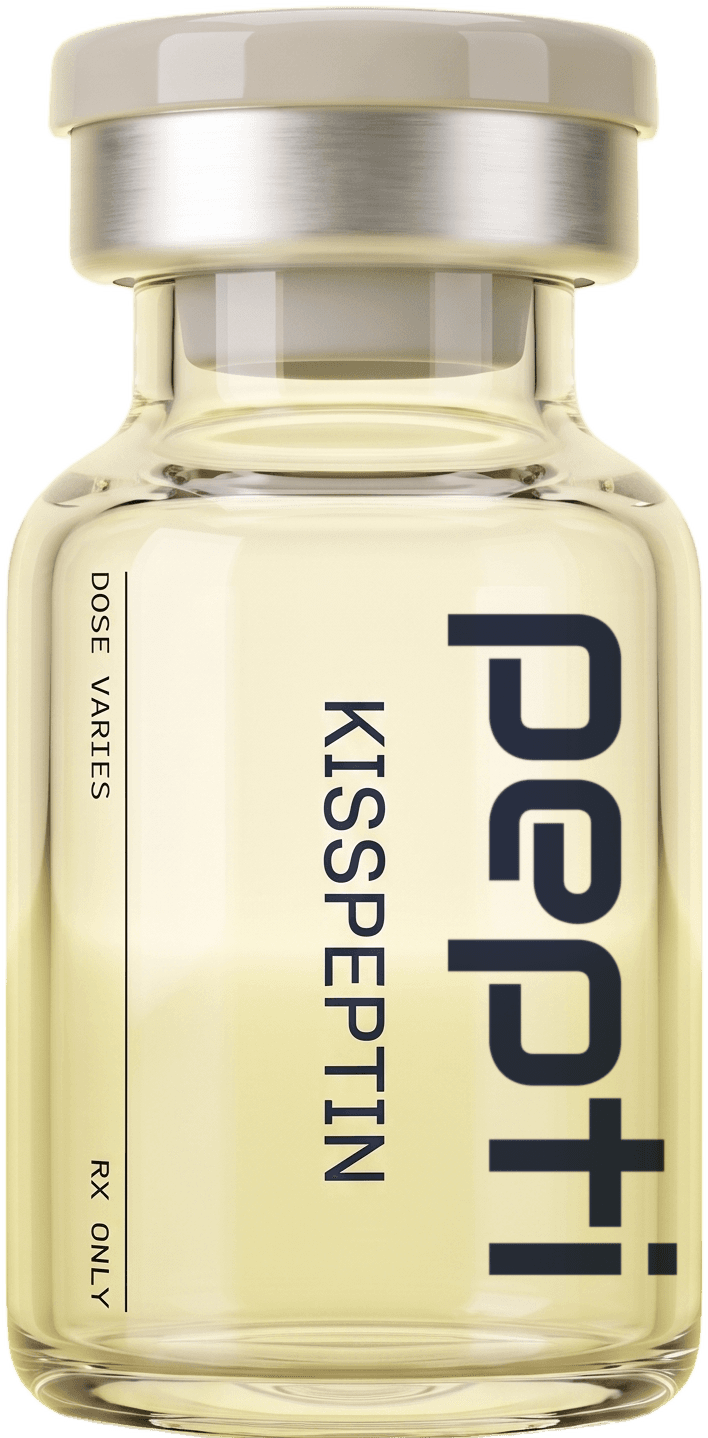
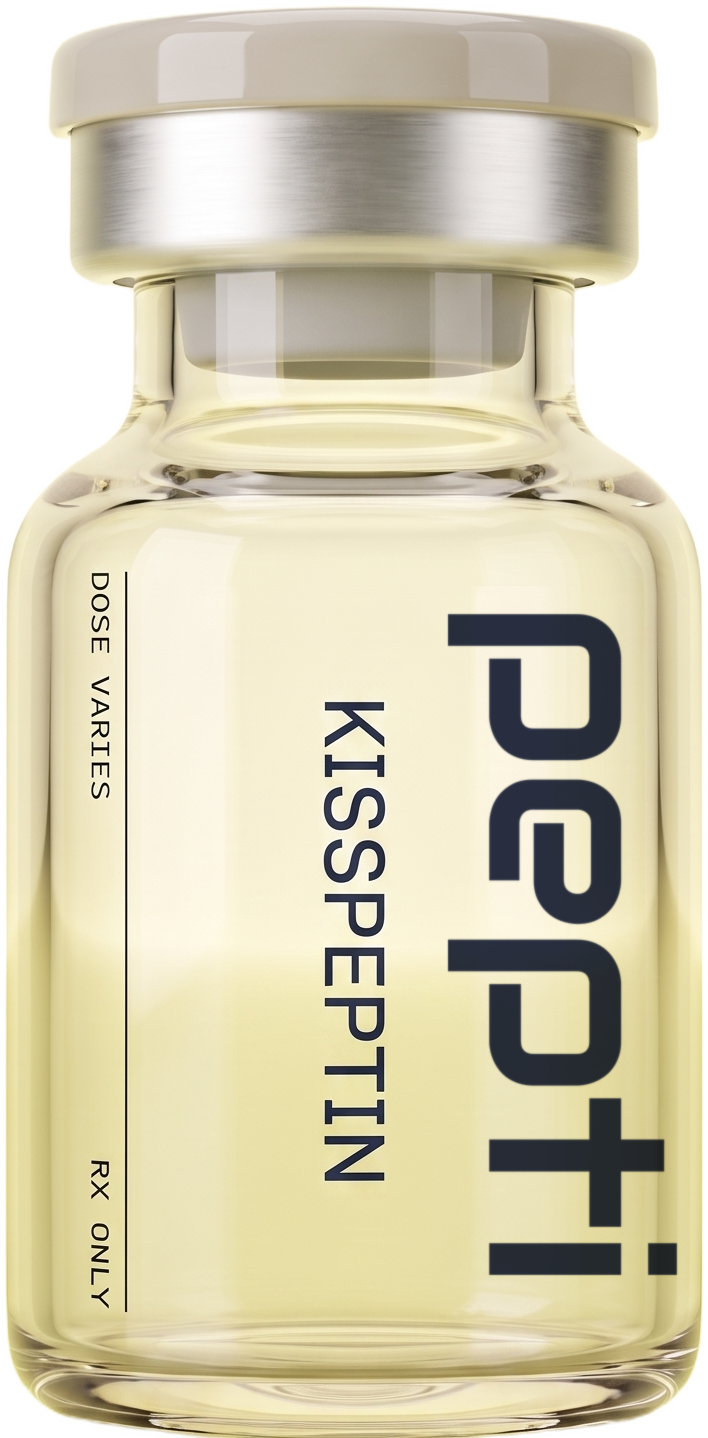
- Kisspeptin: Supports the body’s own hormone signaling for balance and desire, sometimes paired with HCG.
- Gonadorelin: Stimulates LH/FSH for natural testosterone and sperm production—sometimes combined with HCG for maximum effect.
Your provider will recommend the right combination based on your goals, labs, and medical history.
What to Expect: Typical Monitoring Timeline
- Initial assessment: Baseline bloodwork, health history review
- Start therapy: Begin HCG at a personalized dose
- 6-12 weeks: First follow-up labs—testosterone, estradiol, LH/FSH, prolactin, metabolic panel
- Ongoing: Every 6-12 months (or as advised)—continue hormone and safety monitoring
In Summary
Tracking the right biomarkers is the foundation of safe, effective HCG-based hormone therapy. Starting with a comprehensive baseline and maintaining regular follow-ups allows your [pepti] provider to tailor your plan, optimize results, and address issues before they become problems.
Want to know exactly what we test? Check out our biomarkers page, or learn how easy at-home and in-lab blood testing works at pepti.
Frequently asked questions
What happens if my estradiol gets too high on HCG?
If your estradiol rises above the optimal range, you may notice symptoms like mood swings or water retention. Your provider may adjust your HCG dose, add an aromatase inhibitor such as Anastrozole, or review other supportive options—all guided by your latest bloodwork.
Can I use HCG alone, or do I need additional hormone therapy?
Some people benefit from HCG alone, especially for fertility or maintaining natural testosterone. Others may combine HCG with TRT (testosterone replacement) or other peptides like Kisspeptin or Gonadorelin for optimal results. Your bloodwork and goals will determine the best approach.
How often do I need blood tests during HCG therapy?
Most people repeat bloodwork every 8-12 weeks when starting or adjusting therapy, then every 6-12 months once stable. More frequent testing may be needed if combining with other hormonal medications or if previous results were outside the optimal range.
Ready for truly personalized hormone therapy? Take your free assessment at pepti and get started with expert-guided, data-driven care.