Understanding Peptide Therapy
Peptide therapy has become an important topic among health-conscious individuals. With an array of benefits tied to various peptides, like enhanced weight management and improved hormonal balance, it's essential to know how to approach your healthcare provider to discuss this innovative treatment option. One notable peptide is Oxytocin Nasal Spray, which promotes connection and bonding, and might be what you're looking for!
Why Choose Peptide Therapy?
Peptide therapies can offer numerous benefits, such as:
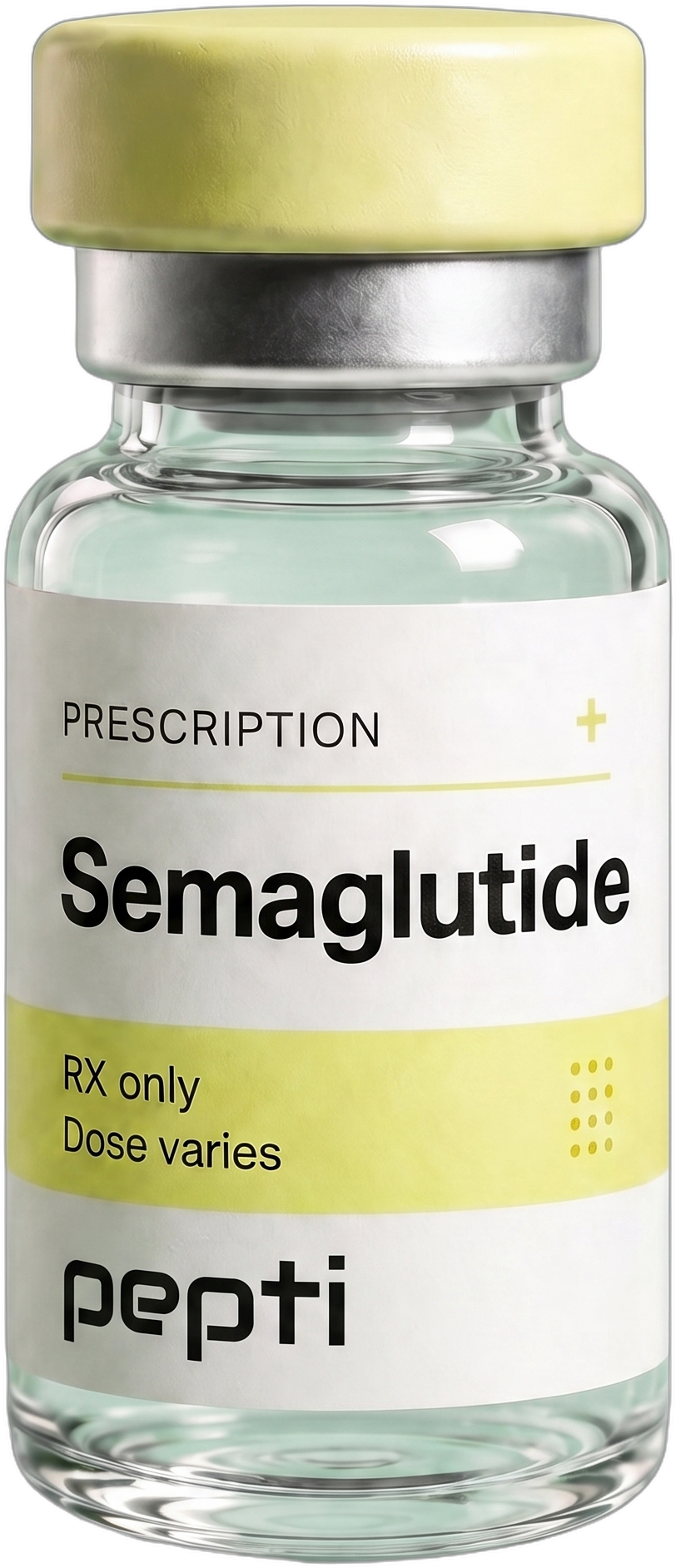
- Weight Management: Products like Semaglutide and Tirzepatide are gaining attention for their potential in weight loss.
- Hormonal Balance: Peptides such as Gonadorelin and Bioidentical Progesterone support hormonal health in various ways.
- Enhanced Wellness: NAD+ Injection can help restore cellular energy, making it an appealing option for anyone looking to optimize their health.
Preparing for Your Doctor’s Appointment
When you decide to discuss peptide therapy with your doctor, preparation is key. Follow these steps:
- Educate Yourself: Research the specific peptides that interest you. For instance, Oxytocin is particularly intriguing for those seeking to improve emotional connections.
- Write Down Your Questions: Prepare a list of questions regarding the therapy and how it may affect your health goals.
- Bring Relevant Medical History: Have your medical history on hand, including any current medications or therapies. This information can help your doctor understand your needs better.
- Discuss Your Goals: Clearly outline what you hope to achieve from peptide therapy. For example, if you’re looking to enhance emotional bonds, mention that you’re interested in Oxytocin Nasal Spray.
- Be Open and Honest: Share any concerns or past experiences with treatments. This will help your doctor tailor a plan specific to you.
The Importance of Bloodwork
Before starting peptide therapy, baseline bloodwork is crucial. Testing helps assess your current hormone levels, metabolic rate, and overall health. Follow-up blood tests will ensure that the therapy is working effectively and safely. Pepti offers both at-home collection kits and in-lab draws to facilitate this process. For more details, check out our blood testing services.
Discussing Oxytocin
If you’re specifically interested in Oxytocin Nasal Spray, explain to your doctor how you believe it may enhance your emotional well-being and relationships. Ask about its potential benefits and any concerns, especially if you have specific emotional or psychological goals.
Maintaining Open Communication
After your initial conversation, keep the lines of communication open. Regular check-ins can help you and your doctor adjust your treatment plan as needed based on your experiences and any test results. Remember, peptide therapies may not be suitable for everyone, and your doctor can guide you through the decision-making process.
Frequently asked questions
How do I know if peptide therapy is right for me?
Peptide therapy can be beneficial for many individuals, but it's essential to consult with your healthcare provider. They can evaluate your unique health situation and help determine the suitability of various therapies, including those like Oxytocin or Semaglutide.
What should I expect during the consultation?
During your consultation, your doctor will review your medical history, discuss your health goals, and recommend appropriate therapies. They may also suggest necessary blood tests to assess your overall health, which is critical for safe and effective treatment.
How often should I have blood tests while on peptide therapy?
Typically, baseline tests are taken before starting therapy, followed by follow-up tests every few months. The exact frequency will depend on your individual treatment plan and the peptides you are using. Consult with your doctor to establish a testing schedule.
If you're interested in exploring peptide therapy further, consider taking our free assessment at pepti to see what options might best suit your needs.


