Understanding Peptide Therapy
Peptide therapy has gained attention for its potential benefits in various areas, from weight management to hormone optimization. At [pepti], we offer a range of products, including Estradiol (bioidentical estradiol), which can support hormone balance. However, discussing this therapy with your doctor can be daunting. Here’s how to navigate that conversation effectively.
Prepare Your Questions
Before the appointment, make a list of questions or topics you’d like to discuss. Here are some ideas to get started:
- What is peptide therapy, and how can it benefit me?
- Are there specific peptides that may help with my current health concerns?
- What are the potential side effects?
- How will peptide therapy fit into my existing treatment plan?
- What kind of monitoring will be involved, including blood tests?
Educate Yourself About Peptides
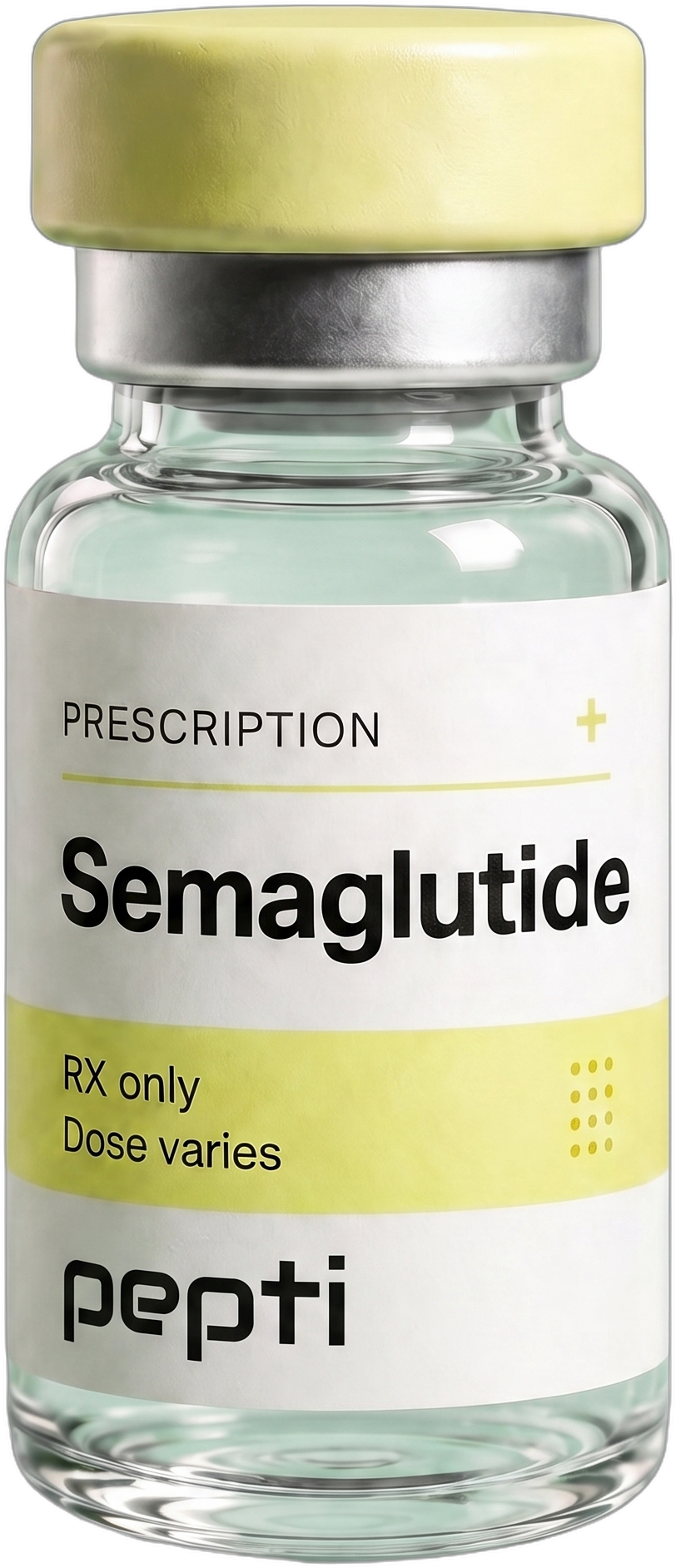
Being informed can empower you in your discussions. Read reputable sources about peptide therapy and specific products. For instance, peptides like Semaglutide can aid in weight management, while Sermorelin supports natural growth hormone stimulation. Mentioning relevant studies or success stories can help illustrate your interest and understanding.
Talk About Your Symptoms
Be open about your symptoms and why you’re considering peptide therapy. Whether it's fatigue, weight gain, or hormonal imbalances, providing your doctor with a clear picture of your health can help them recommend appropriate therapies, such as Estradiol for hormone balance. Remember to highlight any previous treatments and their outcomes to give your doctor context.
Request Blood Testing
Blood testing is crucial for safe and effective peptide therapy. At [pepti], we offer at-home collection kits that make it easier to track your hormone levels, metabolic health, and nutrient status. Data from baseline and follow-up blood tests can guide your treatment decisions and ensure that you’re receiving the most appropriate care. Make sure to discuss the importance of blood testing with your doctor during your conversation. Learn more about our blood testing services and the biomarkers we test.
Be Open to Collaboration
Approach the conversation with an open mind, ready for your doctor’s perspective. They may have their ideas about the best therapeutic approach or may suggest starting with a different treatment before considering peptides. A collaborative approach can lead to the best outcomes for your health.
Follow Up
If your doctor agrees to explore peptide therapy, request a follow-up appointment to discuss your experience after starting the treatment. Tracking your progress is vital, and this allows for adjustments based on your body’s response.
Frequently Asked Questions
What are peptides, and how do they work?
Peptides are short chains of amino acids that can trigger various biological processes in the body. They are often used to mimic hormones and can assist in functions like weight management, hormone balance, and energy enhancement. Each peptide has a specific mechanism of action, making them versatile for different health concerns.
How long does it take to see results from peptide therapy?
The timeline for seeing results from peptide therapy varies based on the specific peptide used and individual factors. Generally, patients may start noticing changes within a few weeks, especially if they are also following a healthy lifestyle. Regular follow-ups and blood tests will help assess the effectiveness of the therapy.
Are there side effects associated with peptide therapy?
While peptide therapy is generally well-tolerated, side effects can occur and may include injection site reactions, changes in mood, or hormonal fluctuations. Maintaining open communication with your doctor is essential to monitor any adverse effects and adjust the treatment plan as necessary.
If you’re considering peptide therapy, take the first step today by completing our free assessment at pepti. This can help tailor your treatment plan and set the stage for a healthier you!


