The Regulatory Status of Compounded Peptides: 2026 Update
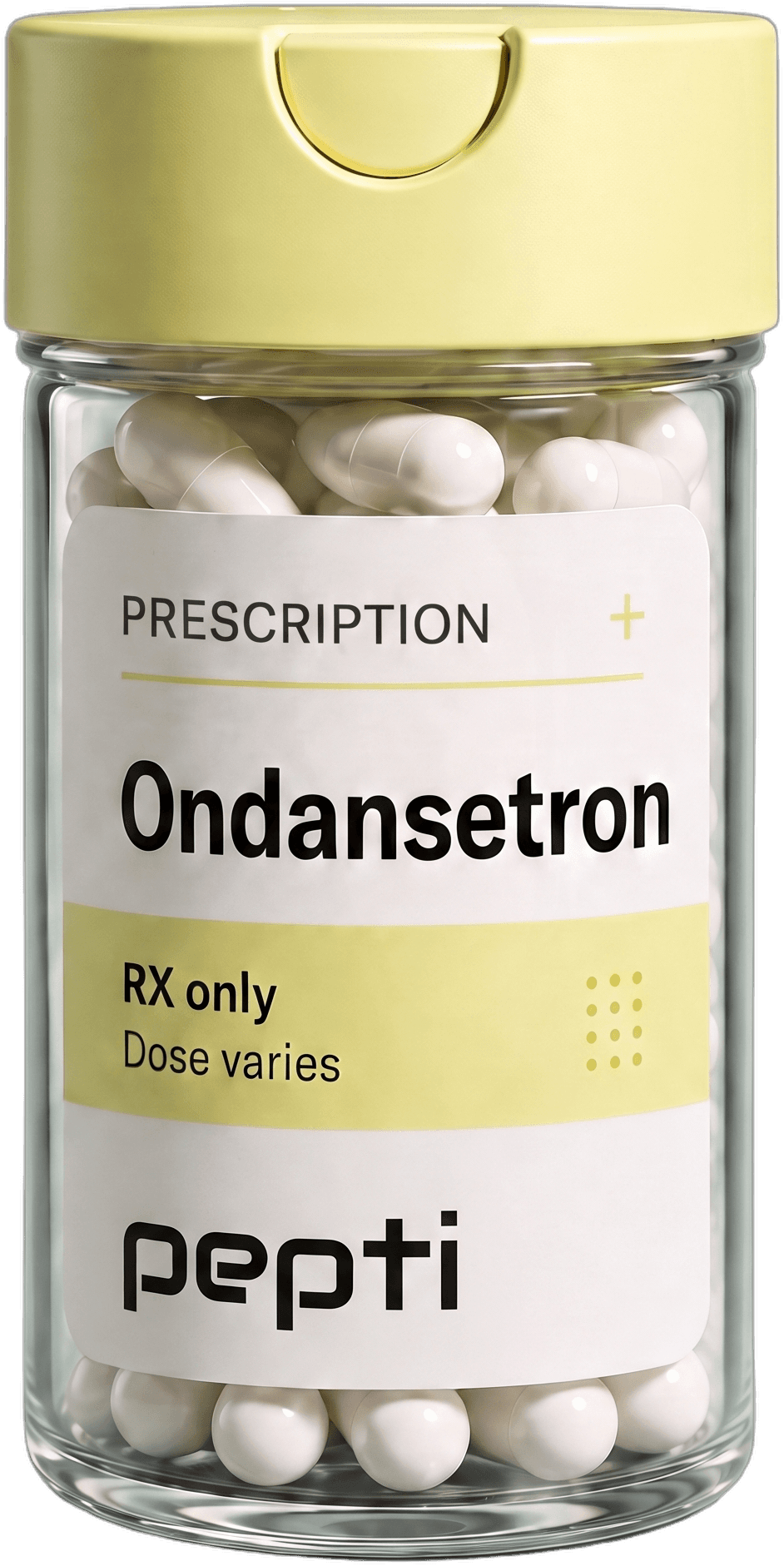
Compounded peptides—customized medications prepared by specialty pharmacies—remain a mainstay for patients who need tailored therapies. The year 2026 marks a turning point in how compounded peptides are regulated and accessed in the U.S., with new FDA guidance and pharmacy practices influencing what’s available and how patients receive care. If you’re using or considering therapies like Ondansetron for anti-nausea support, understanding these changes is key for your safety and peace of mind.
What Are Compounded Peptides?
Compounded peptides are medications crafted by licensed compounding pharmacies, typically when commercial (FDA-approved) options aren’t suitable or available. They can offer:
- Custom dosing and combinations (e.g., BPC-157 + TB-500)
- Access to blends not commercially available (like KLOW Blend)
- Alternatives for patients with allergies or sensitivities to standard fillers
Providers like Pepti prescribe only rigorously reviewed, high-purity compounded peptides from accredited 503A and 503B pharmacies, ensuring safety and compliance at every step.
2026: How Regulation is Changing
U.S. regulation of compounded peptides has always been a careful balancing act: authorities want to protect patients from low-quality or misbranded drugs, but also recognize the need for individualized, physician-prescribed medications.
Key 2026 Regulatory Developments
- Stricter Oversight of Compounding Pharmacies: The FDA and state boards now require more transparent batch testing, chain-of-custody tracking, and adverse event reporting. This means higher-quality assurance for patients.
- Clarification of "Clinical Need": Prescribers must document why a compounded peptide is chosen over an FDA-approved option. This impacts access to drugs like Ondansetron, especially for patients who need alternative dosage forms or sensitivities.
- Education for Providers and Patients: There’s a bigger push for telehealth companies to educate patients about differences between compounded and commercial medications—so you can make informed choices.
Bottom line: Compounded peptides are not "unregulated"—they’re under stricter scrutiny than ever before, with better documentation and transparency.
Ondansetron: A Case Study in 2026 Access
Ondansetron is a trusted anti-nausea support medication, often compounded for patients who require non-standard doses or have ingredient sensitivities. In 2026, providers must:
- Justify the medical need for compounded ondansetron in each prescription
- Use FDA-registered, sterile facilities for injectable or oral preparations
- Track and report patient outcomes and any adverse events
For most Pepti patients, these steps mean more peace of mind—your prescription isn’t just convenient, it’s safeguarded by modern best practices.
Who Benefits From Compounded Ondansetron?
- Patients with allergies to commercial fillers
- Those needing custom liquid or injectable formulations
- Individuals with unique dosing needs not met by traditional tablets
What Patients Should Ask (and Expect) in 2026
If you’re considering compounded peptides, know these essentials:
- Ask where your medication is made. Accredited compounding pharmacies should meet FDA and USP <797>/<800> sterile standards.
- Expect detailed documentation. Legitimate providers will ask about prior medication use, allergies, and your specific clinical need.
- Request batch testing info. Quality pharmacies provide Certificate of Analysis (CoA) confirming purity and potency.
And remember, Pepti’s approach means only physician-prescribed, thoroughly vetted peptides are offered for telehealth delivery—no shortcuts.
The Role of Blood Testing: More Important Than Ever
In 2026, regulatory emphasis on safety means routine bloodwork is often required to tailor and monitor therapy. Baseline labs help ensure safe, effective dosing—especially for peptides affecting metabolism, hormones, or immune function. Pepti offers at-home collection kits and in-lab draws for hormone, metabolic, thyroid, and nutrient panels. If your doctor asks for a panel, it’s included free with your program.
Learn more about blood testing and the biomarkers we test to see why this data matters for your ongoing care.
What Pepti Offers in 2026: Safety, Access, and Support
Pepti’s platform has evolved with the regulatory landscape:
- Physician oversight: Every prescription is reviewed for clinical appropriateness.
- Accredited pharmacies: All medications, including BPC-157, Semaglutide, and others, come from 503A/503B facilities.
- Bloodwork built-in: Standard labs are easy and convenient, giving you objective feedback about progress and safety.
- Education: Our team ensures you understand your options, risks, and benefits—no confusing jargon or pressure.
Key Takeaways: Navigating Compounded Peptides in 2026
- Regulation is tighter: Expect more documentation and pharmacy oversight.
- Patient safety is central: From batch testing to required bloodwork, standards are higher.
- Access continues: If you need custom-compounded medications like Ondansetron, they remain available with the right clinical documentation.
- Choose reputable providers: Telehealth brands like Pepti lead with transparency, physician guidance, and ongoing support.
Frequently asked questions
Do these new regulations mean compounded peptides are harder to get?
While there’s more paperwork and oversight in 2026, truly medically necessary compounded peptides remain accessible—especially when prescribed by a physician for a clear clinical reason. Providers like Pepti are set up to make this process smooth and compliant.
Why does my doctor require bloodwork before or during peptide therapy?
Blood testing gives your care team critical insight into your baseline health and how your body is responding to therapy. It catches potential issues early and helps dial in the safest, most effective plan. Learn more about blood testing and the biomarkers we test.
Is compounded ondansetron different from pharmacy-brand tablets?
Yes—in some cases, the compounded form can be tailored (e.g., liquid, preservative-free, or custom-dosed), which is helpful for certain patients. Both require a prescription and are made under strict quality controls, but compounding allows more individualized options for those who need them.
Ready to see if compounded peptides are right for you? Get a personalized plan by taking Pepti’s free assessment at pepti.com/assessment.