Peptide therapy has opened doors for people aiming to boost energy, muscle tone, fat metabolism, and longevity. If you’re considering a growth hormone-releasing peptide like CJC-1295 / Ipamorelin to support your goals, tracking the right biomarkers can make all the difference in results, safety, and optimization.
In this guide, we break down the most relevant biomarkers to monitor before and during peptide therapy—especially for growth, energy, and anti-aging protocols. We'll also look at why ongoing bloodwork is essential, and how pepti supports you with physician-reviewed, convenient blood testing.
Why Biomarkers Matter for Peptide Therapy
Our bodies are unique, and so are our responses to peptides. Baseline and follow-up bloodwork lets you and your doctor:
- Assess your starting point (hormones, metabolic health, nutrient status)
- Track your body’s response and progress
- Adjust your therapy for best results
- Detect and prevent unwanted side effects early
For a full list, see biomarkers we test.
Pepti’s at-home and in-lab panels make tracking easy—so you can focus on your goals, not logistics.
Biomarkers to Track for Growth, Energy & Longevity
1. Growth Hormone Axis
If you’re on CJC-1295 / Ipamorelin, Sermorelin, or advanced blends like CJC-1295 / Ipamorelin / Sermorelin, you’re targeting the body’s natural growth hormone (GH) pulse. Key markers to track include:
- IGF-1 (Insulin-like Growth Factor 1): The most reliable proxy for overall GH activity in adults. Rising IGF-1 signals effective stimulation—too high could mean overdoing it.
- Fasting glucose & HbA1c: Growth hormone can affect glucose metabolism, so these help track for any unwanted impact on blood sugar.
2. Sex Hormones & Thyroid Panel
GH-axis peptides often interact with other hormones. For holistic optimization and safety, your panel should include:
- Testosterone (total & free): Especially important for men’s energy, muscle, and libido. Low testosterone can blunt response to GH therapy.
- Estradiol: For men and women, needed for balance—too high or low can cause symptoms.
- TSH, Free T4, Free T3: Thyroid health is closely linked to energy, metabolism, and how you respond to growth peptides.
3. Metabolic Health Markers
Whether your aim is body recomposition or healthy aging, tracking metabolic markers is critical:
- Lipid panel (cholesterol, HDL, LDL, triglycerides): Some peptides can nudge lipid profiles slightly—tracking helps catch trends early.
- Liver and kidney function (ALT, AST, creatinine, BUN): Safe for most, but always important to rule out underlying issues before starting or during any peptide protocol.
4. Inflammation & Recovery
Want to know if recovery or anti-aging stacks (like GHK-Cu / Epithalon / CJC-1295) are making a difference?
- hs-CRP (high-sensitivity C-reactive protein): Tracks whole-body inflammation, which is linked to aging and chronic disease.
- CBC (complete blood count): Useful for overall health and monitoring immune changes.
5. Nutrient & Mitochondrial Support
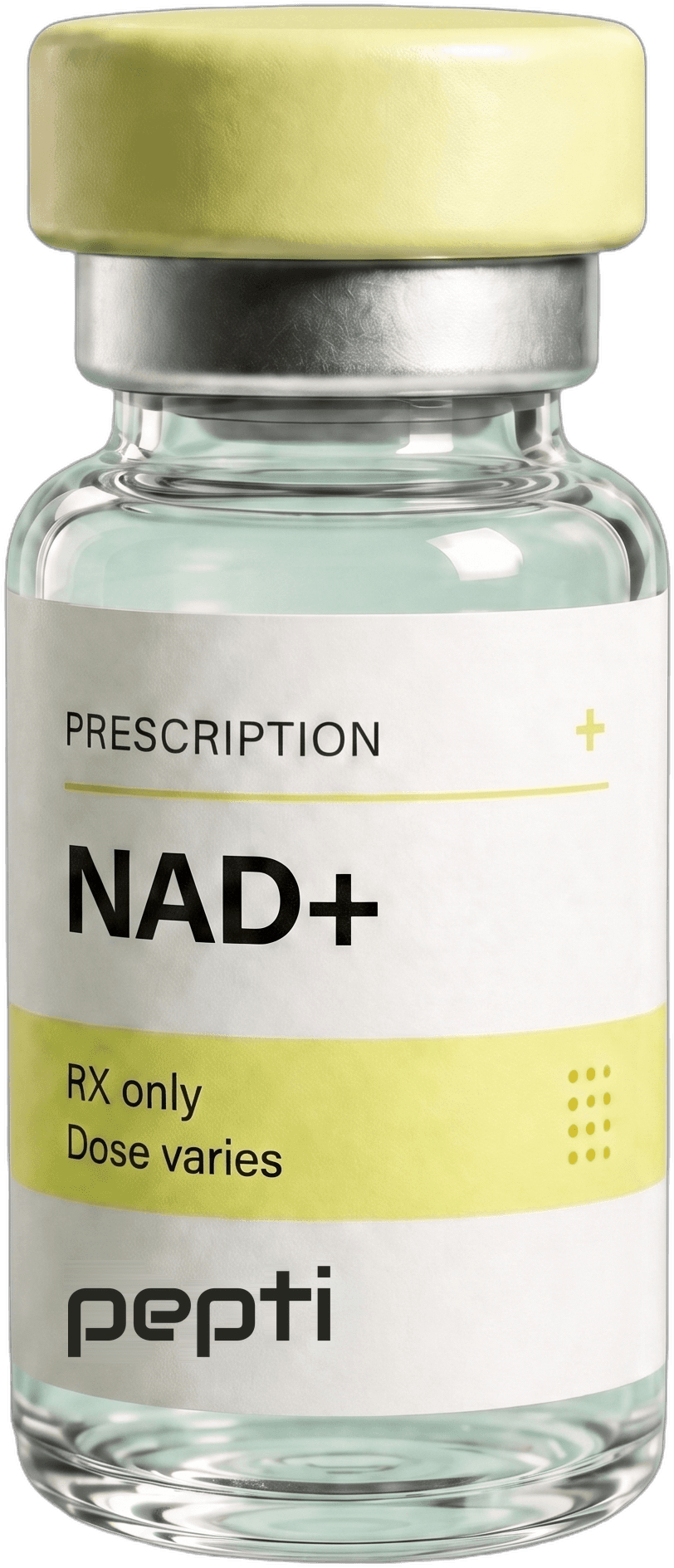
Longevity isn’t just about hormones. Markers here can round out the picture, especially if you add NAD+ Injection or MOTS-c to your routine:
- Vitamin D, B12, and ferritin: Deficiencies in these sap energy and blunt progress.
- Homocysteine: High levels can indicate increased cardiovascular risk and suboptimal methylation.
Baseline and Follow-Up: How Often Should You Test?
- Baseline: Before starting peptides, you’ll want a full panel to understand where you’re starting from.
- Follow-up: Re-test at 6-8 weeks after starting (or changing) therapy, then every 3-6 months, depending on your protocol and doctor’s advice.
Tracking lets you see what’s working, catch red flags early, and fine-tune for results—while keeping your doctor in the loop.
How Pepti Makes Tracking (and Progress) Simple
Pepti offers both at-home collection kits and in-lab draws, reviewed by expert physicians. When you start a peptide protocol, your doctor will recommend the most relevant tests. Many plans include a standard panel at no extra cost. If you’re using advanced growth, recovery, or longevity blends, pepti’s team can recommend expanded testing to fit your goals.
Quick Start: Example Biomarker Panel for CJC-1295 / Ipamorelin
| Category | Key Tests |
|---|---|
| Growth hormone | IGF-1 |
| Glucose control | Fasting glucose, HbA1c |
| Sex hormones | Testosterone, Estradiol |
| Thyroid function | TSH, Free T4, Free T3 |
| Metabolic health | Lipid panel, Liver/Kidney |
| Inflammation | hs-CRP, CBC |
| Nutrient status | Vit D, B12, Ferritin |
Tip: Some people add mitochondrial and nutrient markers if energy and healthy aging are major goals. Your doctor can tailor the panel.
Frequently asked questions
How do I know which biomarkers I need?
Your pepti clinician will customize your bloodwork based on your history, goals, and chosen peptide. Most growth and longevity protocols use a comprehensive baseline test, then targeted follow-ups.
Will my peptide dose change based on my bloodwork?
Yes, your doctor may adjust peptide dose, frequency, or blend depending on how your markers shift. This is why regular follow-up labs are so important for safe and effective therapy.
Can tracking biomarkers really improve my results?
Absolutely. Tracking helps identify what’s working, what’s not, and helps prevent side effects. It’s the difference between guessing and scientifically guided optimization—so you reach your goals faster and safer.
Ready to optimize your health journey? Take the free pepti assessment at pepti.com/assessment and discover your personalized peptide plan.