Why Start the Conversation About Peptide Therapy?
If you’re struggling with persistent injuries, slow recovery, or gut challenges, you may have heard about the promise of peptide therapy—especially the combination of BPC-157 / KPV / TB-500 (Injectable). This triple-stack is gaining momentum for individuals seeking an edge in healing, inflammation control, and optimizing gut function. But bringing up peptide therapy with your doctor can feel daunting. Here’s how to make it productive, evidence-based, and personalized.
Know Your Stack: BPC-157, KPV, and TB-500
Before talking to your doctor, it pays to get familiar with these peptides and how they work together:
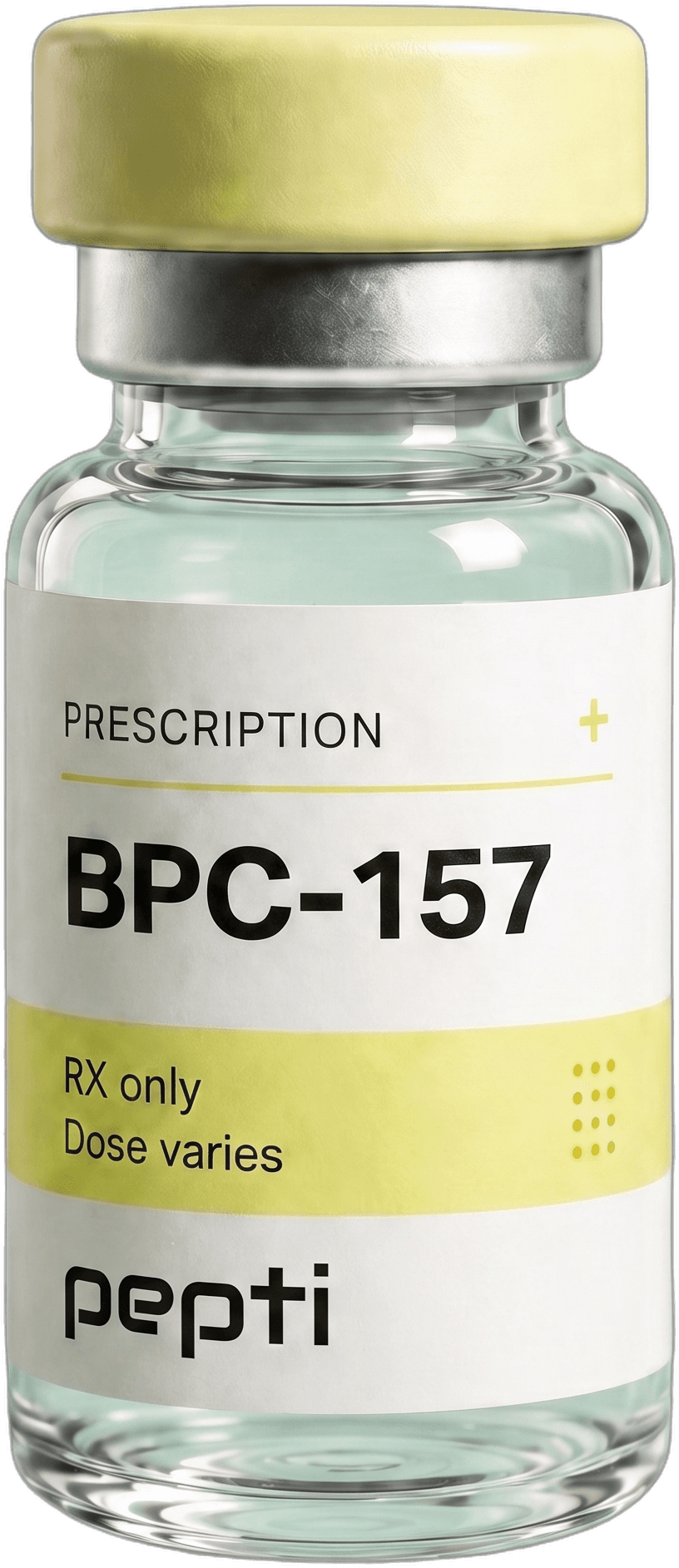
- BPC-157 (Injectable): Known for its role in tissue repair and gut support, BPC-157 is a synthetic peptide based on a natural protein found in gastric juice. It’s often explored for musculoskeletal recovery and GI complaints.
- KPV: A short peptide fragment with notable anti-inflammatory potential, KPV may help with gut and skin inflammation.
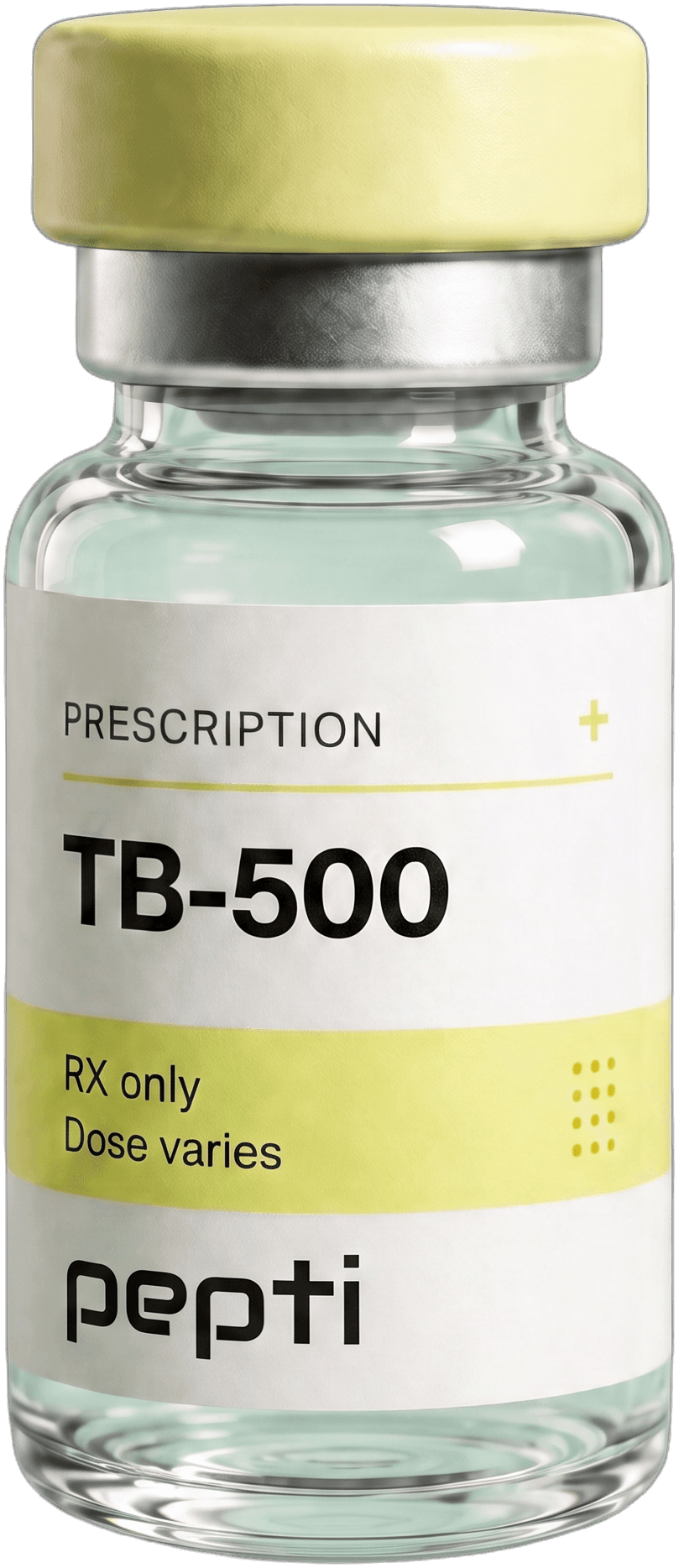
- TB-500 (Injectable): A potent tissue-repair peptide, TB-500 is structurally similar to the body’s Thymosin Beta-4 and is studied for accelerating recovery from injury or surgery.
Stacked together, these three target recovery and gut health from different but complementary angles. Products like the BPC-157 / KPV / TB-500 (Injectable) blend make this convenient to use under medical supervision.
1. Get Clear on Your Goals & Symptoms
Doctors appreciate specific, measurable goals. Consider:
- Are you recovering from an injury (sports, surgery, chronic pain)?
- Do you have persistent gut issues (IBS, leaky gut, food intolerances)?
- Are you looking for improved recovery from intense physical activity?
Document your symptoms, how long they’ve persisted, what you’ve tried, and your top priorities. Assessing your baseline health is key—this is where bloodwork comes in (more on this below).
2. Gather Evidence to Support Your Request
While there’s growing clinical interest in peptides, your doctor may not be familiar with specific blends or protocols. Be prepared to:
- Share credible studies or summaries: Resources from medical journals or peptide-focused telehealth platforms (like pepti) can help.
- Describe your functional goals: Instead of asking for a “miracle cure,” explain how improved recovery or gut support could impact your quality of life and daily functioning.
- Ask about safety and monitoring: Show you’re interested in guided, responsible use.
3. Discuss the Importance of Bloodwork
Baseline and follow-up blood testing is crucial for peptide and hormone therapies.
Why?
- Establishes your starting point for inflammation, nutrient status, and hormone balance
- Allows your provider to track benefits and catch potential side effects
- Helps personalize your protocol as your needs evolve
Pepti offers physician-reviewed blood testing, including at-home kits and in-lab options. Most protocols include a standard panel (often free if required). See the list of biomarkers we test to understand what’s measured and why it matters.
4. Frame Your Questions Thoughtfully
When speaking with your provider, try asking:
- "Are you familiar with peptides like BPC-157, KPV, or TB-500 for recovery and gut support?"
- "Would a physician-guided protocol—with baseline and follow-up labs—be appropriate in my case?"
- "What factors should we monitor while using a triple-stack like BPC-157 / KPV / TB-500 (Injectable)?"
If your provider isn’t well-versed, you can request a referral to a peptide-literate clinician or explore reputable telehealth options (like pepti) with experience designing and monitoring such protocols.
5. Know Your Options for Responsible Sourcing
Not all peptides are created equal. Prescription products dispensed through pharmacies and physician-led platforms (like pepti) undergo quality controls not found in unregulated online sources. Your doctor should help you:
- Understand risks/benefits and review your medication history
- Choose a reliable prescription provider
- Schedule regular follow-up, labs, and dose adjustments
6. Alternatives and Adjuncts
If you or your doctor want to compare options, consider related blends:
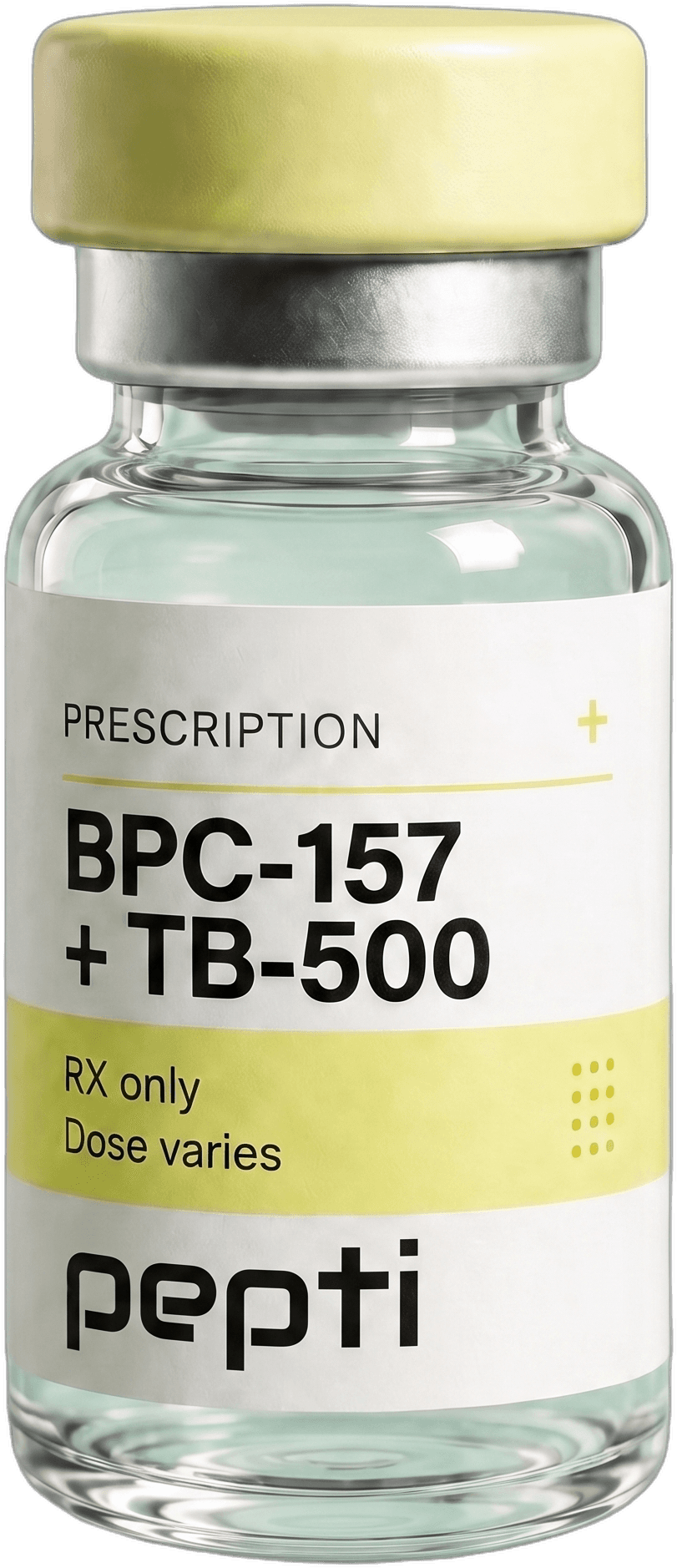
- BPC-157 + TB-500 (Injectable): Known as "The Wolverine Protocol" for intensive repair
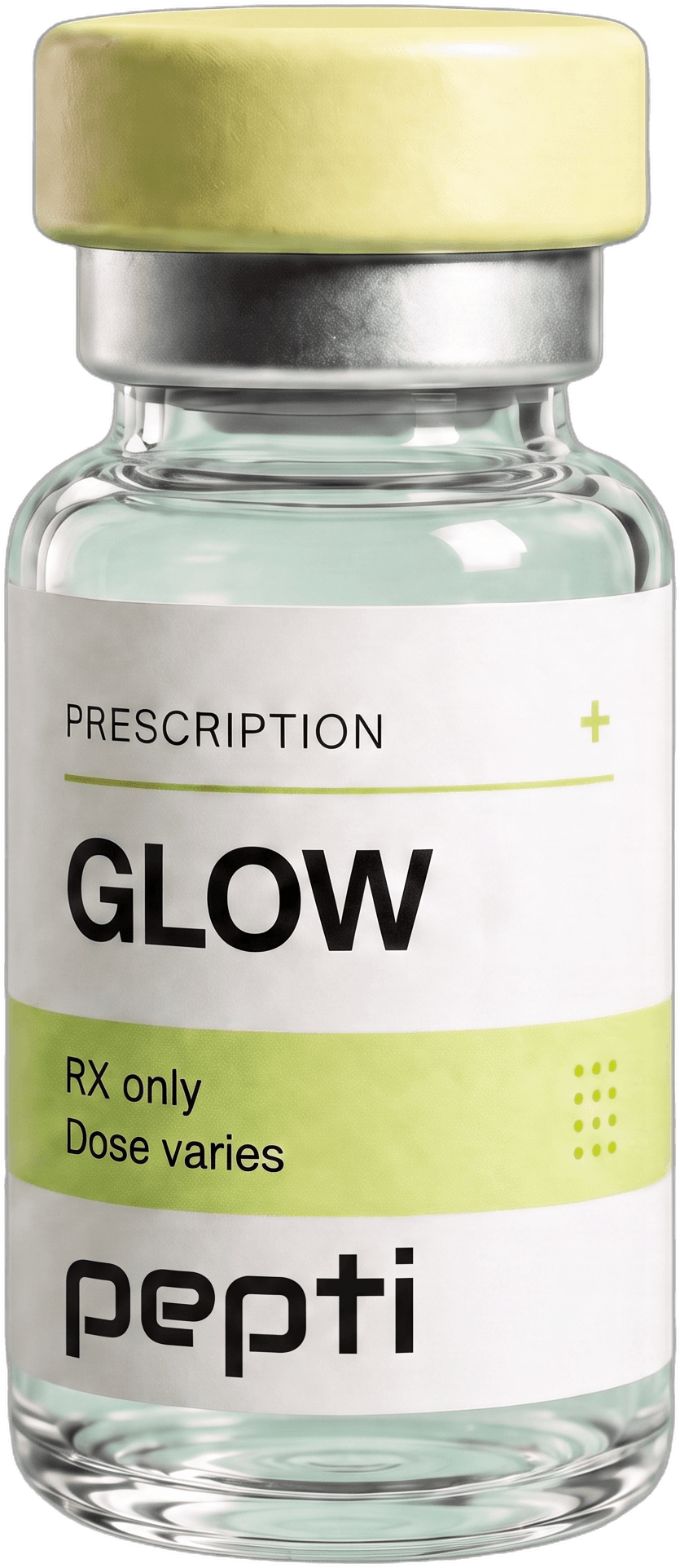
- GLOW (BPC-157 / GHK-Cu / TB-500) (Injectable): A blend focused on skin, hair, and tissue recovery
Discussing these can help you and your provider find the most tailored approach.
Pro tip: The best outcomes come from a team approach—combining your motivation, your doctor’s clinical expertise, and quality monitoring tools like bloodwork.
Frequently asked questions
How do I explain peptide therapy if my doctor isn't familiar with it?
Start with your specific symptoms and goals, then explain that you’re interested in physician-supervised, evidence-based options. Share credible resources, and ask if they would be open to reviewing recent studies or collaborating with a peptide-specialized provider.
Why is bloodwork recommended before starting peptide therapy?
Bloodwork helps establish your baseline inflammation, nutrient, and hormone levels. This data guides safe dosing, tracks progress, and flags any changes over time. Pepti includes accessible blood testing to simplify this process.
What if my doctor won’t prescribe peptides?
Some providers may not be comfortable due to lack of experience or institutional restrictions. You can seek a second opinion or use a telehealth platform like pepti, where clinicians have expertise in peptide protocols, monitoring, and safe prescribing.
Ready to explore if peptides could support your healing or gut goals? Start your free personalized assessment at pepti’s assessment page.