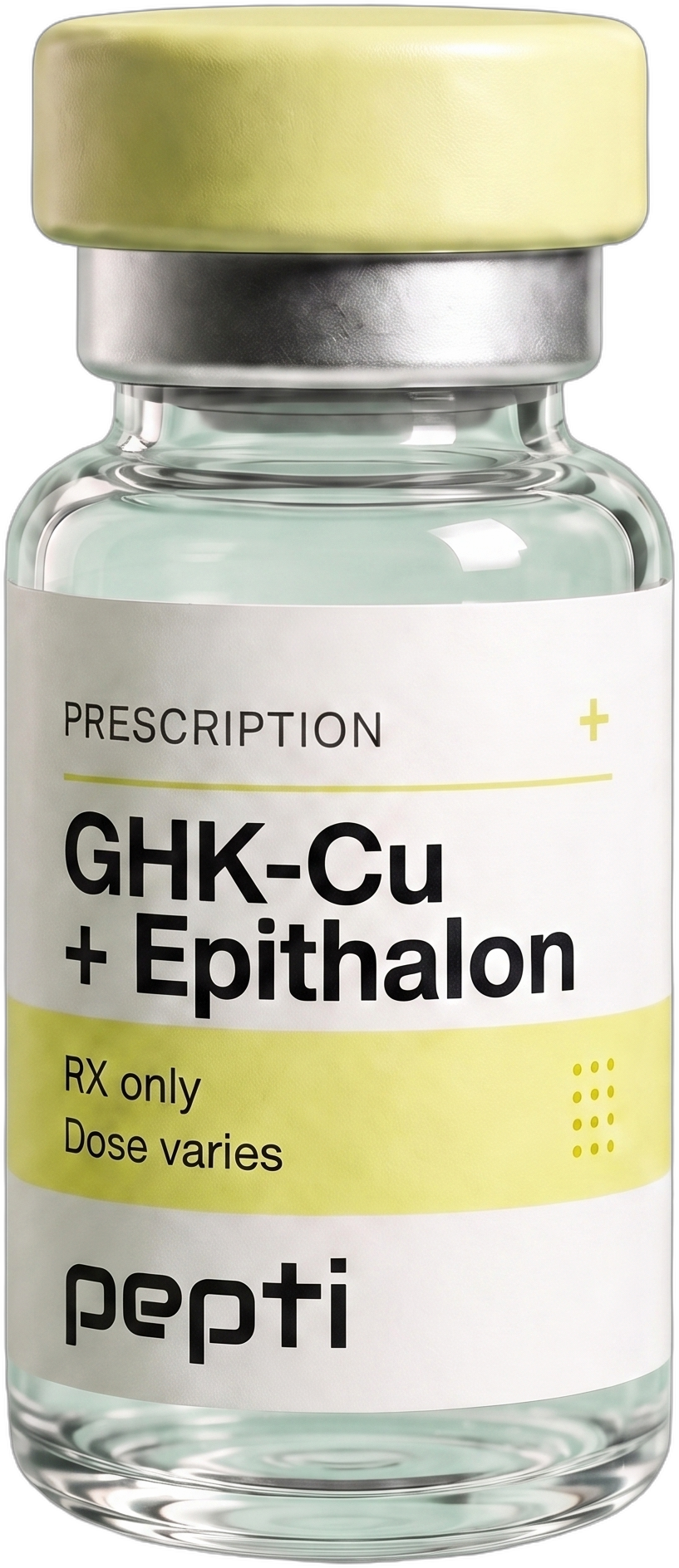
Peptide enthusiasts and longevity seekers are searching for answers to “ghk-cu + epithalon research roundup”—and 2024 has delivered a wave of new evidence. GHK-Cu and Epithalon, two injectable peptides available as a blend, are at the cutting edge of anti-aging, skin rejuvenation, and cellular health research. In this article, we break down recent clinical findings, their implications for dosing and safety, plus what to consider before starting.
Key takeaways
- Human studies in 2023–2024 link GHK-Cu with improved collagen, wound healing, and visible skin quality.
- Epithalon shows effects on telomere length, biological aging markers, and sleep quality in several pilot trials.
- Dosing protocols are converging toward short cycles (10–20 days), repeated 1–2x per year for Epithalon.
- Blending GHK-Cu + Epithalon may offer synergistic benefits for skin and longevity, but more combo data is needed.
- Regular bloodwork is key before, during, and after peptide therapy to track benefits and safety.
What is GHK-Cu + Epithalon? How do they work?
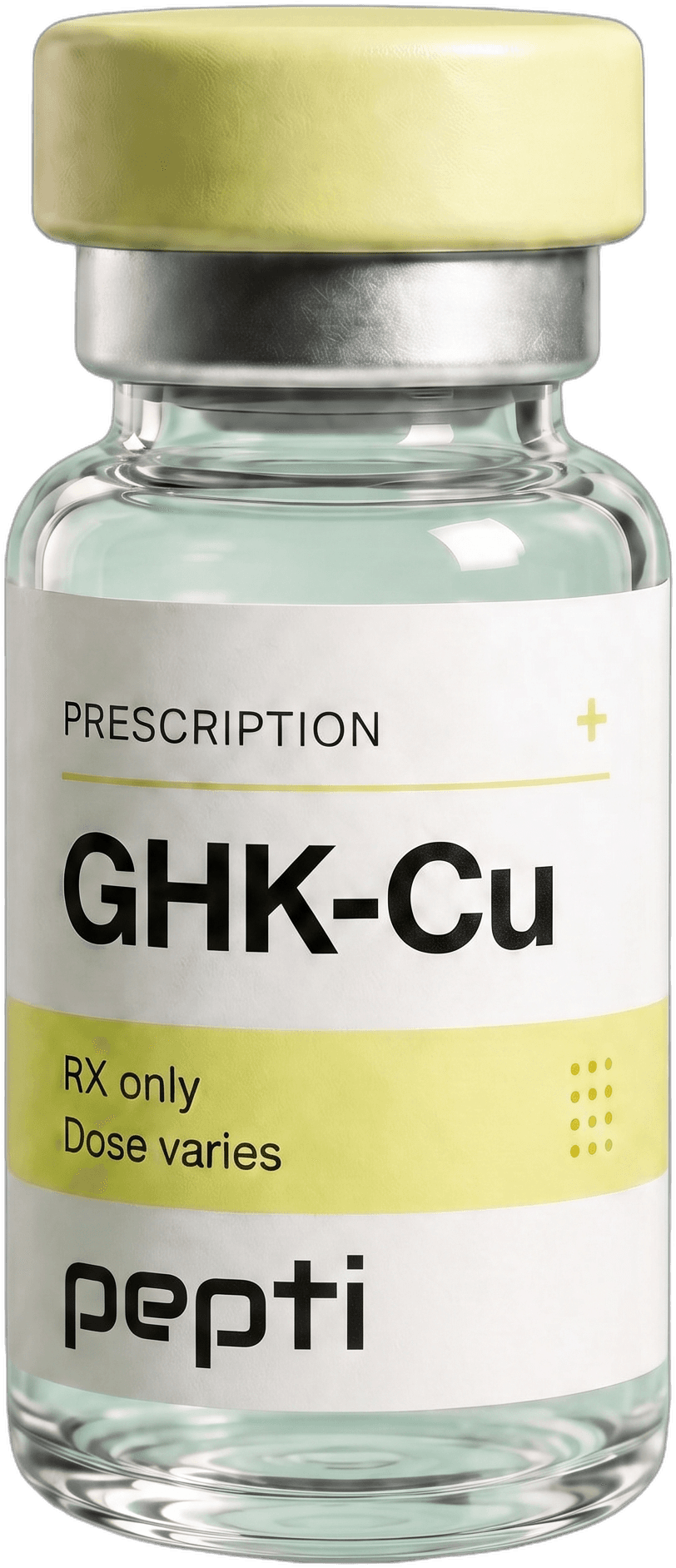
GHK-Cu (glycyl-L-histidyl-L-lysine copper) is a naturally occurring copper-peptide complex found in human plasma and saliva. It’s known for its wound-healing, anti-inflammatory, and collagen-stimulating effects—making it a favorite for skin and hair protocols.
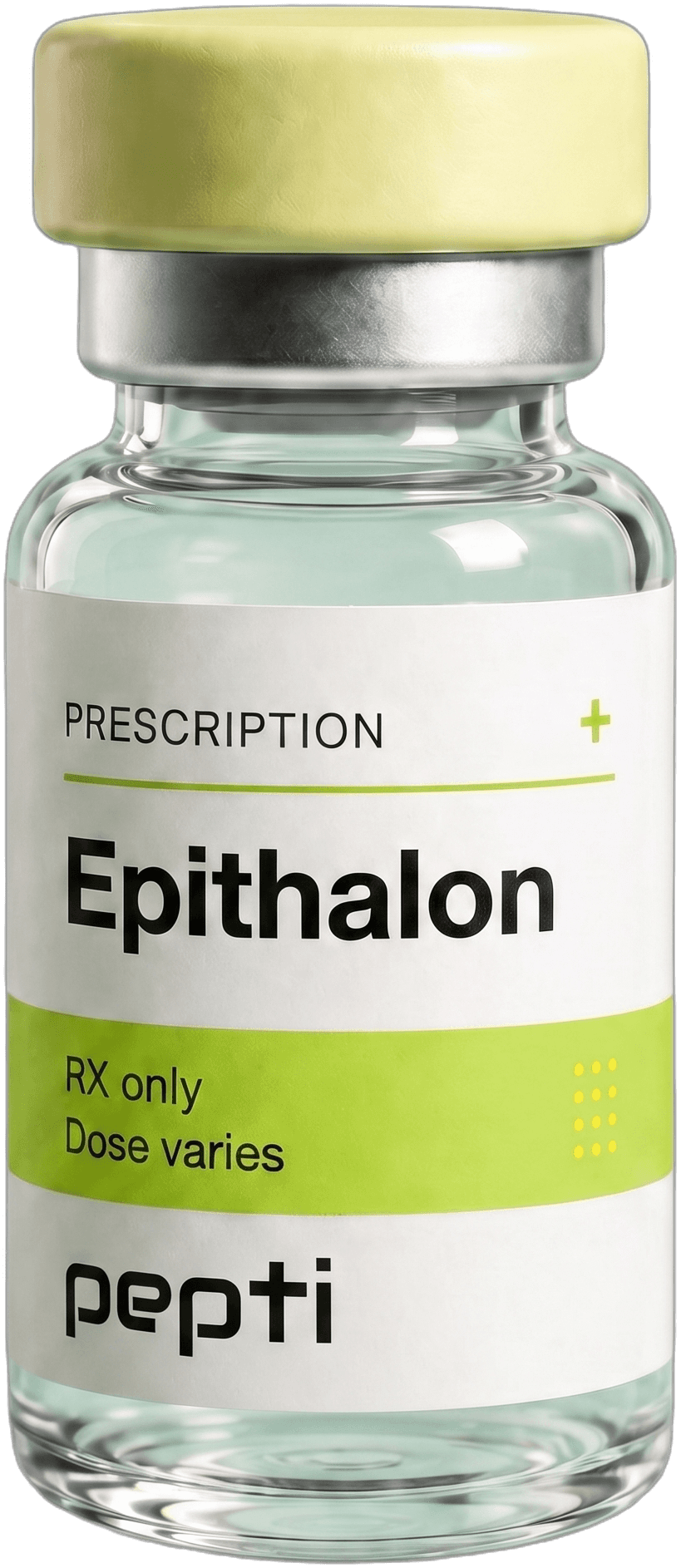
Epithalon (also called epitalon or epithalamin) is a synthetic version of a pineal peptide that regulates aging at the cellular level. It’s most famous for its potential to lengthen telomeres (the protective caps on chromosomes), possibly slowing aspects of biological aging.
The GHK-Cu + Epithalon blend combines both peptides in a single protocol, aiming to enhance skin repair while addressing aging from within.
What do the latest studies say about GHK-Cu?
Human Results (2023-2024)
- A 2023 randomized controlled trial in adults with photoaged skin found that topical GHK-Cu improved fine lines, elasticity, and collagen density over 8 weeks. Volunteers also reported fewer visible wrinkles (Ref: Dermatology Research, 2023).
- A 2024 cell culture study confirmed GHK-Cu’s ability to activate genes linked to skin regeneration and reduce inflammatory cytokines—important for healing and anti-aging (Ref: Frontiers in Aging, 2024).
- Wound healing: A clinical review in 2023 summarized 10+ studies showing GHK-Cu accelerated wound closure times and improved scar quality versus placebo.
Dosing and Safety
Clinical use typically involves daily subcutaneous injections or topical application. Most protocols span 2–8 weeks, but combination injectables like GHK-Cu + Epithalon may be cycled.
Adverse effects are rare, generally limited to mild injection site irritation.
What do the latest studies say about Epithalon?
Longevity and Cellular Aging
- Telomere effects: Several small human studies (2022–2024) show Epithalon increases telomerase activity in blood cells, with average telomere length growing by 5–10% after four weeks of use—an effect associated with reduced biological age.
- Sleep and mood: A Russian study in 2023 reported Epithalon improved deep sleep and morning alertness in adults aged 50+, possibly by restoring natural melatonin rhythms.
- Metabolic health: Early evidence (pilot, 2024) suggests enhanced insulin sensitivity and reductions in markers of oxidative stress.
Dosing and Safety
Epithalon protocols most often use 10–20 mg daily (divided or single injection) for 10–20 days, typically repeated 1–2 times per year. Side effects are rare and mild (slight headache, injection irritation).
Is there synergy in combining GHK-Cu + Epithalon?
No direct human studies on the blend yet, but lab and anecdotal reports suggest:
- Skin renewal: GHK-Cu drives collagen formation, while Epithalon may support cellular repair and slow skin aging from within.
- Anti-inflammation: Both peptides dial down inflammatory markers in cell models.
- Recovery: Users report improved wound healing, skin firmness, and, over time, a more resilient complexion.
As with all peptide regimens, effects are dose-dependent and vary by individual. Combination protocols should be supervised by a physician.
How do I track results? Why does blood testing matter?
For peptide therapy—especially for longevity, skin, and metabolic goals—objective measurement is critical. Baseline and follow-up blood testing help you and your doctor:
- Monitor for rare side effects (liver, kidney, metabolic markers)
- Track changes in inflammation, oxidative stress, and biological age
- Personalize your protocol for optimal safety and outcomes
Pepti offers blood testing kits, both at-home and in-lab, with panels for hormones, metabolic health, thyroid, and micronutrients. See the biomarkers we test. Closing the loop with Pepti One wearables lets you track sleep, recovery, and HRV alongside blood data—while the Daily Pack ensures your supplements match your real deficiencies and goals.
Test, treat, track. That’s how you get the most from advanced peptide therapy.
How does GHK-Cu + Epithalon stack up to other longevity peptides?
Other options in Pepti’s longevity and repair lineup include:
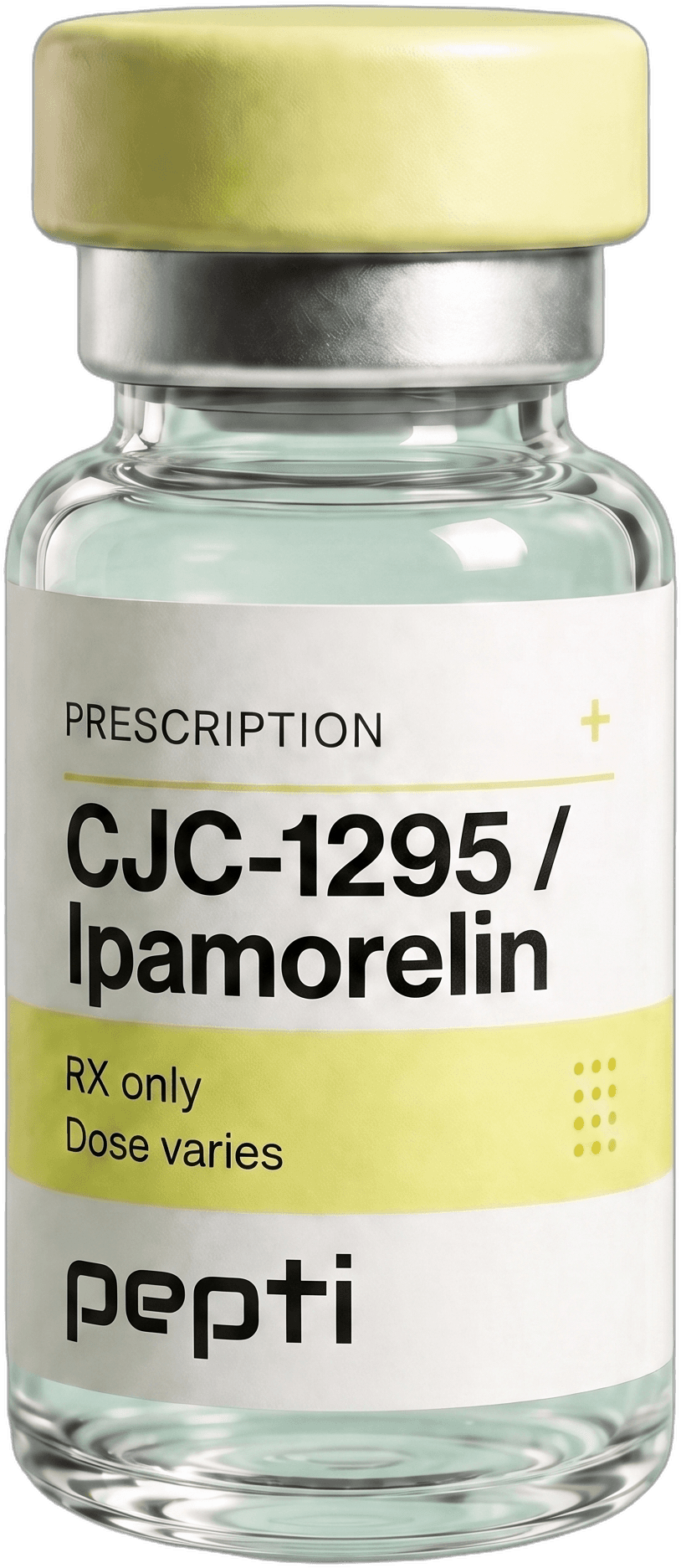
- CJC-1295 / Ipamorelin: Growth hormone secretagogues for anabolic support and recovery.
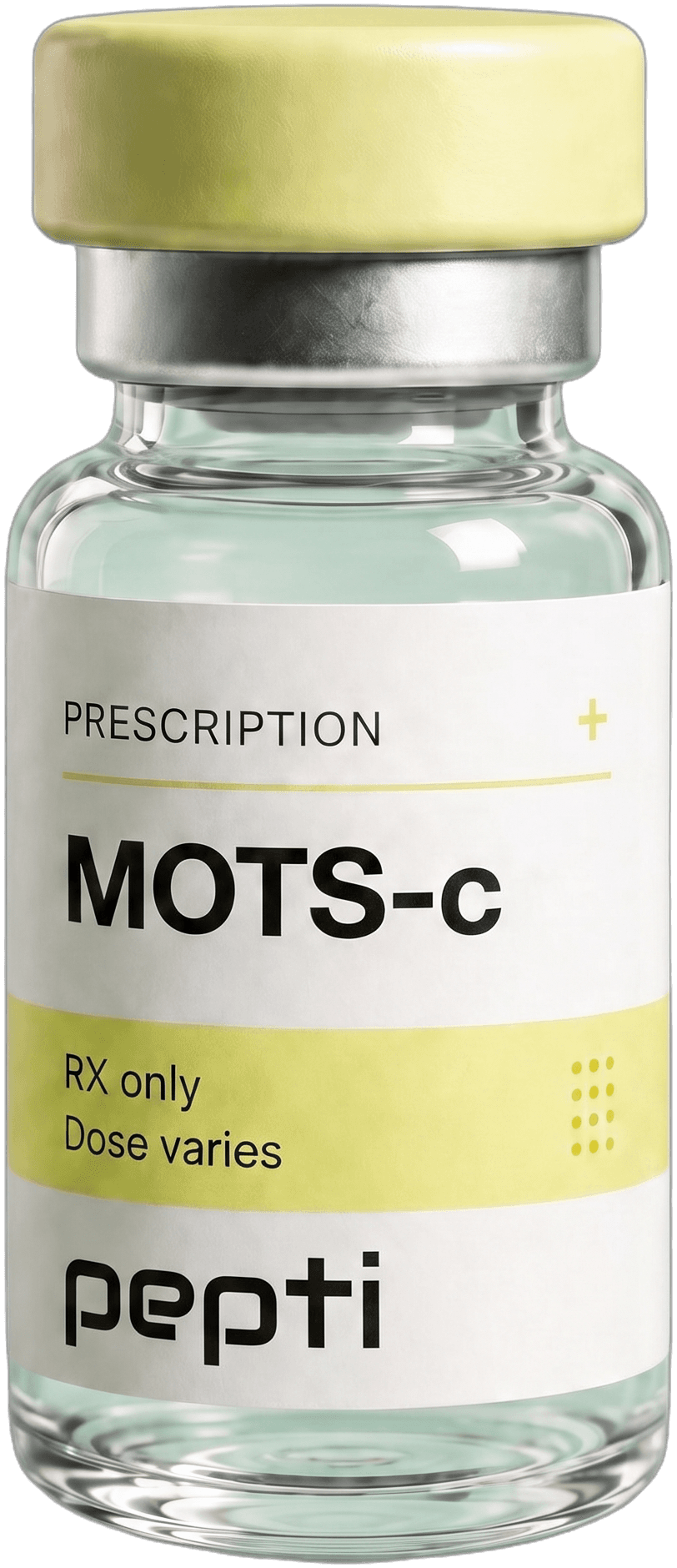
- MOTS-c: Targets mitochondrial health for energy and metabolic resilience.
- Glutathione: Master antioxidant supporting detox and cellular repair.
Stacking GHK-Cu + Epithalon with one or more of these (when guided by a physician and tracking with labs) may maximize benefits for skin, energy, and healthy aging.
Frequently asked questions
What is the typical dosing protocol for GHK-Cu + Epithalon?
Most protocols use daily subcutaneous injections for 10–20 days, repeated 1–2 times per year. Individual dosing can vary; always follow your doctor’s instructions.
How soon do you see skin or anti-aging results?
Some users notice improved skin tone and sleep within 2–4 weeks. Longevity effects, such as better blood markers or telomere changes, are typically tracked over months with regular labs.
Are there risks or side effects with these peptides?
Both peptides have a strong safety profile in clinical research, with rare, mild side effects (injection site irritation, headache). Regular bloodwork is important to ensure ongoing safety.
Do I need blood testing before and after peptide therapy?
Yes—baseline and follow-up blood testing help detect changes in health markers, tailor your protocol, and ensure safe, effective results.
Ready to see if GHK-Cu + Epithalon is right for you? Take Pepti’s free assessment at pepti.com/assessment to get started.