Retatrutide: A New Chapter in Weight Loss
Starting a physician-prescribed peptide like Retatrutide is a big step toward long-term metabolic health. As a next-generation triple-agonist, Retatrutide targets GLP-1, GIP, and glucagon receptors—offering a multi-pronged approach to appetite control, blood sugar regulation, and weight loss. But what happens in the first 30 days? Here’s what you can expect, week by week.
Before You Begin: The Importance of Baseline Bloodwork
Before beginning any prescription peptide protocol, your [pepti] doctor will likely order baseline blood testing. This isn’t just a formality—it’s critical for:
- Ensuring your metabolic, thyroid, and nutrient status is safe for therapy
- Setting a personalized dosing strategy
- Tracking your response and safety over time
You'll receive a comprehensive panel (often at no additional charge if required) with markers like glucose, HbA1c, lipid profile, liver/kidney function, and more. Review the biomarkers we test for a full breakdown.
Week 1: The Adjustment Phase
During your first week on Retatrutide, you’ll likely start at a low dose. This helps your body adjust and minimizes side effects. Here’s what early days often look like:
- Mild reduction in appetite: Many notice it’s easier to say no to cravings.
- Digestive changes: Some experience mild nausea, fullness, or slower digestion. These often settle as your body adapts.
- Energy fluctuations: As your food intake shifts, some people feel more tired or notice mood swings—these are temporary.
Pro tip: Stay hydrated and eat fiber-rich, protein-focused meals to blunt nausea and keep energy stable.
Weeks 2-3: Building Momentum
As your provider titrates your dose, benefits often become more noticeable:
- Appetite suppression increases—you may eat smaller meals and feel full faster.
- Weight loss begins: Some patients see a loss of 2-5 lbs (or more) by the end of week three, especially if they’re prioritizing whole foods and daily movement.
- Better blood sugar regulation: Many observe fewer energy crashes or post-meal "slumps."
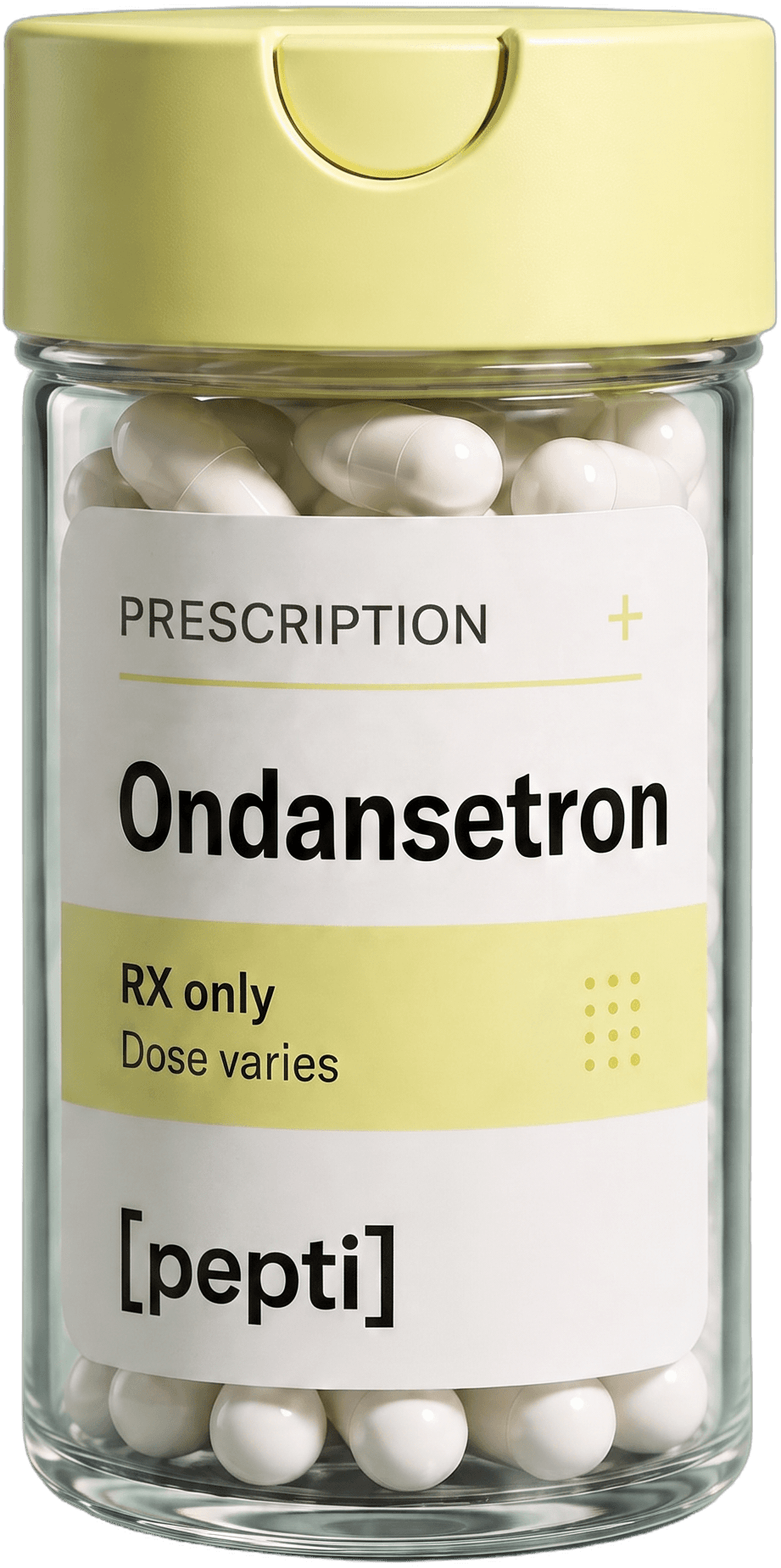
Mild GI side effects are still possible, but most people adapt quickly. If nausea persists, your provider may recommend a slower dose escalation or supportive medications like Ondansetron.
Week 4: Noticing Real Change
By week four, most patients on Retatrutide are feeling the protocol’s full effects:
- Steadier weight loss: Some see 5-10 lbs shed in the first month, especially with consistent habits.
- Improved portion control: It becomes much easier to stick to healthy choices without feeling deprived.
- More stable mood and energy: Blood sugar swings are often reduced, and cravings subside.
- Fewer side effects: Your body is adapting, and early GI symptoms fade for most.
Note: Everyone’s response timeline is unique. Some notice changes earlier, others a bit later—it depends on baseline weight, metabolism, and individual factors.
Tips for Your First Month
- Stick to your prescribed schedule—don’t skip doses or self-adjust.
- Prioritize hydration (aim for at least 2 liters/day).
- Eat slowly; listen to fullness cues.
- Track your progress: Consider journaling your meals, mood, and weight weekly for pattern insights.
- Stay connected with your provider: Share any concerns or persistent symptoms promptly.
Why Ongoing Bloodwork Matters
Your [pepti] care team may schedule follow-up blood testing after 4-12 weeks to monitor:
- Blood sugar, A1c, and insulin response
- Electrolytes, liver, and kidney function
- Metabolic markers impacted by weight loss or appetite changes
Ongoing bloodwork ensures your therapy stays safe and effective, allowing for dose adjustments if needed. It’s also a valuable tool to track improvements—like drops in fasting glucose or cholesterol—that aren’t always visible on the scale.
Other Peptide Allies in Weight Loss
While Retatrutide stands out for its triple-agonist action, some patients explore other medically supervised options, including:
- Semaglutide: A GLP-1-only agonist for weight management.
- Tirzepatide: Dual GLP-1/GIP agonist, next-gen for appetite and glucose control.
- Tesamorelin: Targets visceral fat, especially in those focused on belly fat reduction.
Each option has unique strengths—talk to your [pepti] provider to tailor the best plan for your goals.
Frequently asked questions
How quickly will I lose weight with Retatrutide?
Weight loss speed varies, but many people lose 5-10 lbs in their first month—sometimes more, sometimes less. Consistency with injections, nutrition, and lifestyle habits plays a big role. Your provider can help set realistic, sustainable expectations.
What side effects are most common in the first month?
The most common are mild nausea, occasional vomiting, or a sense of fullness and reduced appetite. These effects usually taper after your body adapts. Staying hydrated, eating small meals, and using anti-nausea strategies can help.
Is blood testing really necessary before and during peptide therapy?
Absolutely. Baseline and follow-up blood testing spot any underlying risks, enable safe dose adjustments, and track improvements in metabolic health. Testing helps your provider personalize your care and ensures you’re getting real, safe results.
Ready to see if Retatrutide or another peptide protocol fits your goals? Take the free assessment today at pepti and get matched with a physician who understands your needs.