Boosting your energy and optimizing detox isn’t just about how you feel—it’s science that shows up in your bloodwork. Whether you’re starting on Glutathione injections for antioxidant support or want to maximize your day-to-day vitality, tracking the right biomarkers offers a clear roadmap for safer, more effective results. Here’s how to dial in your protocol, measure progress, and work smarter with your body’s biochemistry.
Why Bloodwork Matters for Energy and Detox Goals
Energy issues are complex, and so is detoxification. Fatigue, brain fog, and sluggish recovery often reflect what’s happening on a cellular level. That’s why Pepti always recommends baseline and follow-up blood testing with any peptide or hormone protocol. Bloodwork gives you:
- Personalized baselines – so you know where you’re starting (and what’s causing your symptoms)
- Progress tracking – is your protocol working, or do you need an adjustment?
- Safety – spot possible side effects early, and avoid unnecessary risks
Pepti’s biomarkers panel covers the essentials, and your provider may order extra tests depending on your health profile.
Key Biomarkers for Energy, Detox, and Glutathione Optimization
If you’re interested in supporting your body’s natural detox pathways and boosting mitochondrial energy, here are the blood tests to prioritize. These markers reflect oxidative stress, nutrient status, and metabolic function—the pillars of sustained energy.
1. Comprehensive Metabolic Panel (CMP)
- Why track it: Assesses liver and kidney function—the organs that do most of your body’s detox work.
- What to look for: Elevated liver enzymes (AST, ALT), low albumin, or abnormal kidney markers can signal roadblocks to optimal detox.
2. Glutathione (GSH) & Oxidative Stress Panels
- Why track it: Directly measures your body’s master antioxidant reserves and free radical load.
- What to look for: Low glutathione or high oxidized GSH suggests your cells are under stress and need support. Not all standard labs offer this, but specialized panels do—ask your provider if you’re curious.
3. Homocysteine
- Why track it: High levels hurt cardiovascular health and often reflect poor methylation or detox capacity.
- What to look for: Target < 10 µmol/L for most adults. Elevated numbers may mean it’s time to support with B-vitamins and glutathione.
4. Vitamin B12 and Folate
- Why track it: Both are needed for energy production and help recycle homocysteine.
- What to look for: Ranges vary, but low-normal levels (B12 < 400 pg/mL, folate < 8 ng/mL) can leave you feeling drained, even if results are “in range.”
5. Ferritin and Iron Studies
- Why track it: Iron is crucial for cellular energy (think: oxygen delivery, ATP synthesis), but too much stokes inflammation.
- What to look for: Low ferritin (< 30 ng/mL) causes fatigue; high (> 200 ng/mL) can mean oxidative stress. Balance is key.
6. Thyroid Panel (TSH, Free T3, Free T4)
- Why track it: Subtle thyroid imbalances can sap energy and hinder detox.
- What to look for: Optimal—not just “normal”—thyroid levels are usually near the middle of lab ranges. Even a minor dip can impact how you feel.
7. Creatinine & eGFR
- Why track it: Monitors kidney clearance—important if you’re supporting detox with peptides.
- What to look for: eGFR > 60 mL/min is normal in adults. Lower numbers mean slower toxin elimination.
Pro tip: Pepti customers get a physician-reviewed blood test included if required for your peptide plan. Baseline + follow-up labs ensure your protocol stays safe and targeted.
Where Glutathione and Peptides Fit In
Glutathione is the star antioxidant in every cell—vital for neutralizing free radicals, recycling other antioxidants, and supporting liver detox. Injectable glutathione delivers this molecule directly, bypassing the gut for maximum effect.
But that’s just one tool in the peptide toolbox:
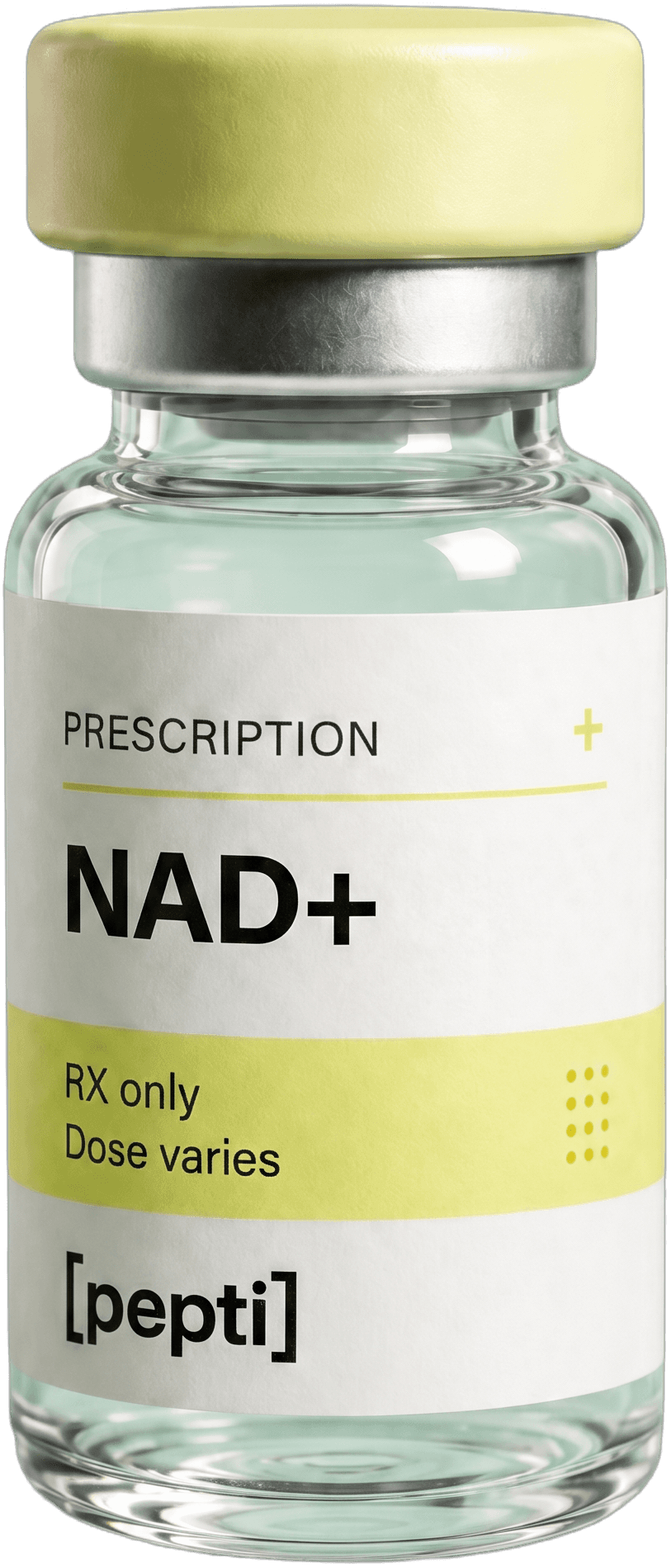
- NAD+ Injection: Fuels cellular energy production, supports DNA repair, pairs well with glutathione for anti-fatigue protocols.
- MOTS-c: Optimizes mitochondrial function, the true engines of your energy.
- Lipo-B: Combines fat-mobilizing nutrients and B12 for metabolic boost (and often improved energy if your B12 is low).
Working with a Pepti provider, you can tailor combinations—and use bloodwork to measure exactly how you respond. Some patients notice energy improvements within weeks, while others require deeper lab detective work.
The Roadmap: How to Track Progress
1. Get baseline labs.
- Before starting Glutathione or any new protocol, check your biomarkers for nutrient status, oxidative stress, and organ function. Save results for comparison.
2. Start your peptide plan.
- Follow your provider’s instructions and any lifestyle tweaks (diet, sleep, hydration).
3. Repeat labs after 8-12 weeks.
- Recheck the same biomarkers to see how your body’s responding. Look for improved levels, especially in B12, homocysteine, and markers of oxidative stress.
4. Adjust as needed.
- If you’re not seeing the results you want, your Pepti provider can fine-tune dosing, add synergistic peptides, or address hidden roadblocks.
5. Consider advanced testing for stubborn cases.
- If symptoms persist, deeper panels (e.g., micronutrients, heavy metals, advanced oxidative stress) may be appropriate.
Frequently asked questions
What if my bloodwork is "normal" but I still have low energy?
“Normal” ranges are wide and don’t always reflect your personal optimal zone. Many people feel their best in the middle of a range or even slightly above/below, depending on their unique biology. A Pepti provider can help interpret your results in the context of your symptoms and goals, not just the lab printout.
Can glutathione injections boost energy if my labs are already good?
Yes—some people benefit from the antioxidant and detox effects of Glutathione even if their tests look strong. However, bloodwork ensures you’re targeting the right root causes and not missing other issues (like low B12 or thyroid problems) that need specific support. It’s smart to check before, during, and after a new protocol.
How often should I repeat bloodwork on a peptide protocol?
Most providers recommend re-testing every 2-3 months while starting a new plan, then every 6-12 months for maintenance. If you’re stacking multiple peptides or have a complex history, more frequent follow-ups may be advised to keep everything safe and on track.
Ready to unlock more energy and resilience? Take Pepti’s free assessment at pepti.com/assessment to personalize your peptide and testing plan.