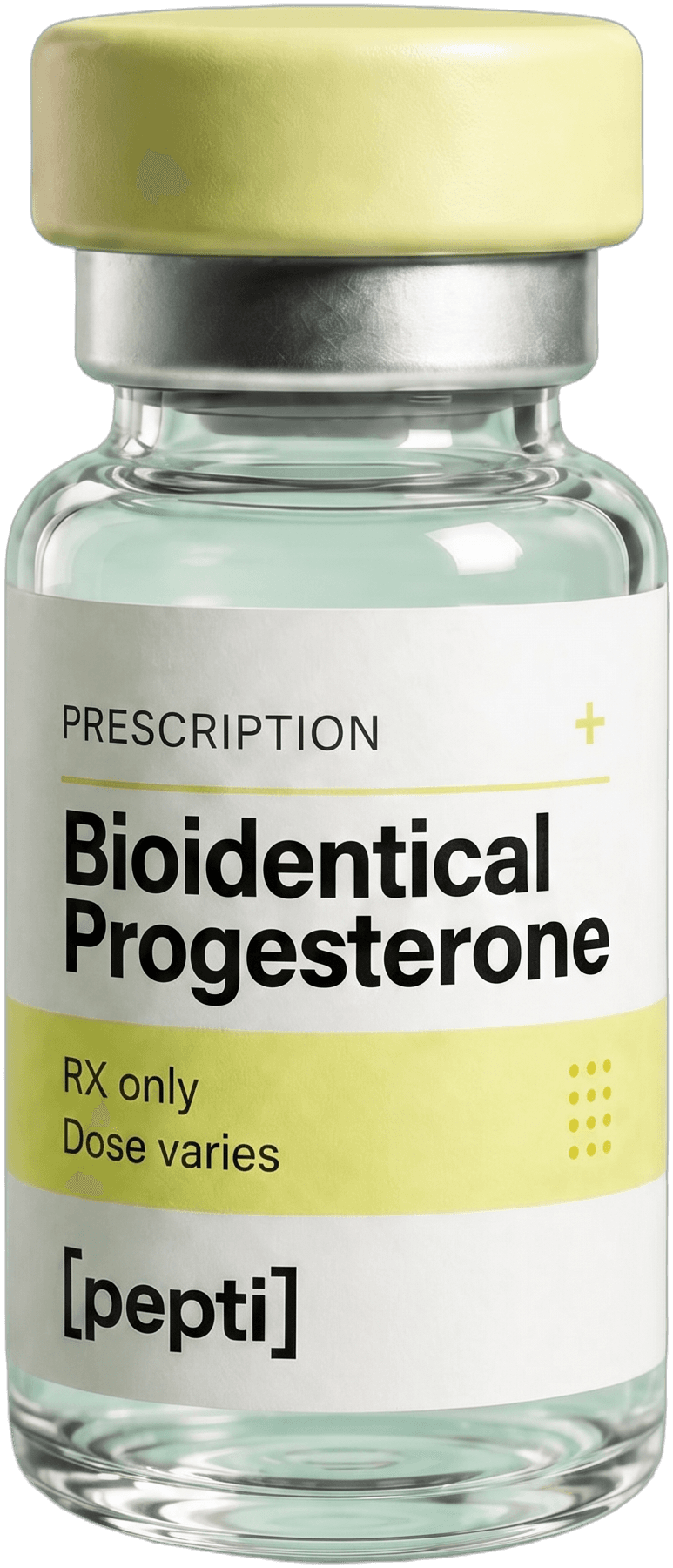
Introduction
Starting a new health protocol can be both exciting and overwhelming, especially when it involves hormones. If you're considering Bioidentical Progesterone, you're likely interested in achieving better hormonal balance and alleviating symptoms related to menopause or hormonal imbalances. In this article, we'll outline what you can expect in the first 30 days of your progesterone therapy, ensuring you’re well-prepared for this journey.
Understanding Bioidentical Progesterone
Bioidentical progesterone is a hormone derived from plant sources that is chemically identical to the progesterone produced by the human body. It can be used to treat various symptoms related to hormonal imbalance, including:
- Menopausal symptoms: Hot flashes, mood swings, and sleep disturbances.
- Irregular menstrual cycles: Helps regulate periods and reduce heavy bleeding.
- Mood stabilization: Reduces anxiety and promotes a sense of well-being.
The First Week: Initial Adjustments
In the first week, your body will start to adapt to the new hormone levels. It's common to experience some mild side effects as your body adjusts, including:
- Fatigue: Your body is recalibrating hormone levels, which can cause temporary tiredness.
- Mood fluctuations: Some women report changes in mood as the body adjusts.
- Breast tenderness: This can occur as a result of hormonal shifts.
Key Actions:
- Monitor your symptoms: Keep a journal to track any changes you notice.
- Stay hydrated: Adequate hydration can help alleviate some early symptoms.
Weeks Two to Four: Relief and Benefits
As you move into weeks two and three, many women begin to notice a significant decrease in menopausal symptoms. The progesterone may help stabilize mood and improve sleep quality. Here’s what you might experience:
- Improved sleep: Many notice better sleep patterns, leading to increased energy during the day.
- Reduced anxiety: A sense of calmness may begin to replace earlier feelings of irritability.
- Regularized menstrual cycle: For those experiencing irregularities, you may notice improvements in menstrual regularity.
Key Actions:
- Discuss with your doctor: Regular check-ins with your physician can help tailor your dosage and address any side effects.
- Follow-Up Bloodwork: Baseline and follow-up blood testing is crucial to monitor hormone levels and ensure you’re on track. This is particularly important for hormone therapy to avoid potential side effects. To learn more, check out our blood testing page.
Preparing for the End of the Month
By the end of the first month, many women report feeling more balanced. However, it's essential to remember that hormonal therapy is not a one-size-fits-all solution. It can take time to find the right dosage and frequency that works for you.
Key Actions:
- Track your progress: Continue to document your experiences, noting both improvements and any side effects.
- Stay engaged with your healthcare provider: Share your journal with your doctor for tailored advice.
- Consider additional therapies: Depending on your needs, your doctor may suggest complementary therapies, such as Semaglutide for weight management or PT-141 for enhancing libido.
Conclusion
The first 30 days on a bioidentical progesterone protocol can be a transformative journey towards hormonal balance. While your body adapts, keeping an open line of communication with your healthcare provider and tracking your symptoms will ensure you experience the best possible outcomes. Remember, consistency is key, and with time, many of the initial challenges may become a distant memory.
Frequently asked questions
How long does it take to feel the effects of bioidentical progesterone?
Most women start to notice some effects within the first few weeks, such as improved mood and sleep quality. However, achieving optimal balance may take longer, often requiring consistent dosage adjustments.
Are there any side effects of bioidentical progesterone?
Possible side effects include fatigue, breast tenderness, and mood swings. These symptoms often subside as your body adjusts to the new hormone levels. Regular consultations with your healthcare provider can help manage any discomfort.
Why is blood testing important during hormone therapy?
Baseline and follow-up blood testing are essential to monitor hormone levels and ensure safety. This helps your physician customize your treatment effectively, minimizing potential side effects and ensuring the therapy meets your health needs.
To explore if bioidentical progesterone is right for you, take our free assessment at pepti.