Why Blood Tests Matter: The Foundation of Personalized Therapy
Your blood says more about your health than you realize. From hormone imbalances and metabolic slowdowns to hidden nutrient deficiencies, a comprehensive blood panel is the gold standard for understanding your body's unique needs—and fine-tuning any peptide or hormone therapy. At [pepti], all doctor-prescribed protocols begin with physician-reviewed bloodwork, using either at-home collection kits or in-lab draws for optimal convenience.
Why is baseline bloodwork crucial before starting therapy?
- Personalized dosing: Your numbers guide doctors to tailor treatments, minimizing side effects and maximizing benefits.
- Safety first: Underlying issues (e.g. low potassium, undiagnosed diabetes, thyroid dysfunction) can worsen without detection.
- Tracking progress: Repeat testing reveals real improvements—or flags when adjustments are needed.
Learn more about blood testing at pepti and the biomarkers we test for a full picture.
Hormone Health: Beyond the Basics
Hormones are your body's chemical messengers. When they're out of balance, everything from energy and sleep to weight and libido can take a hit. Common blood tests include:
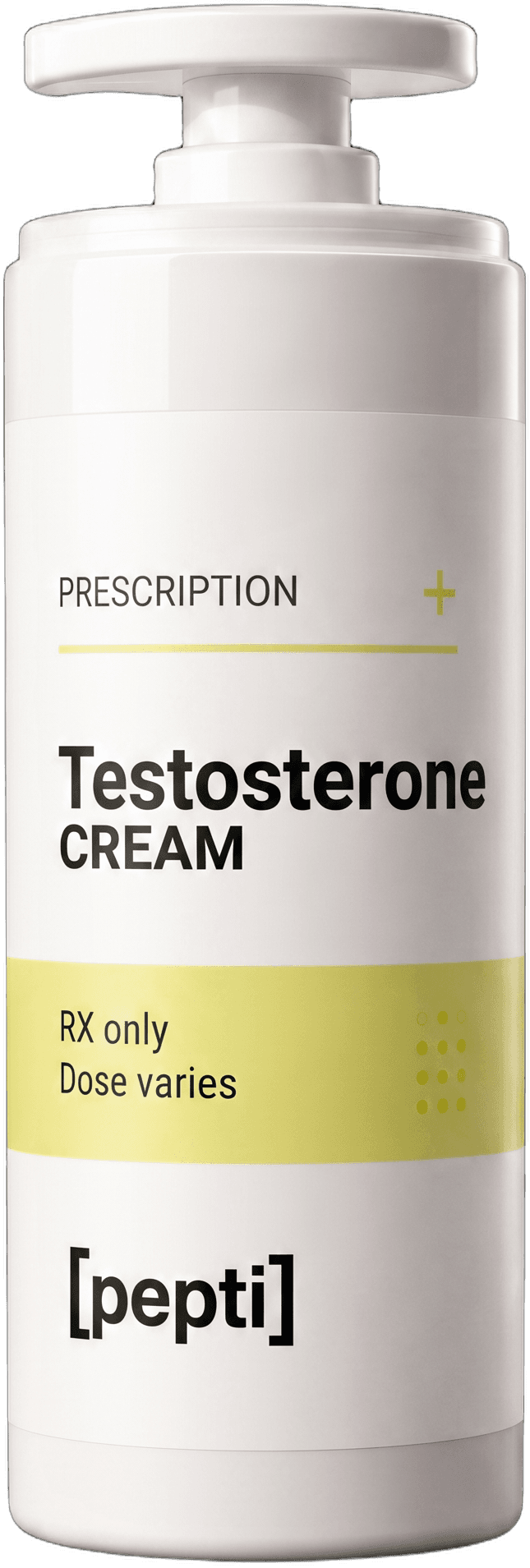
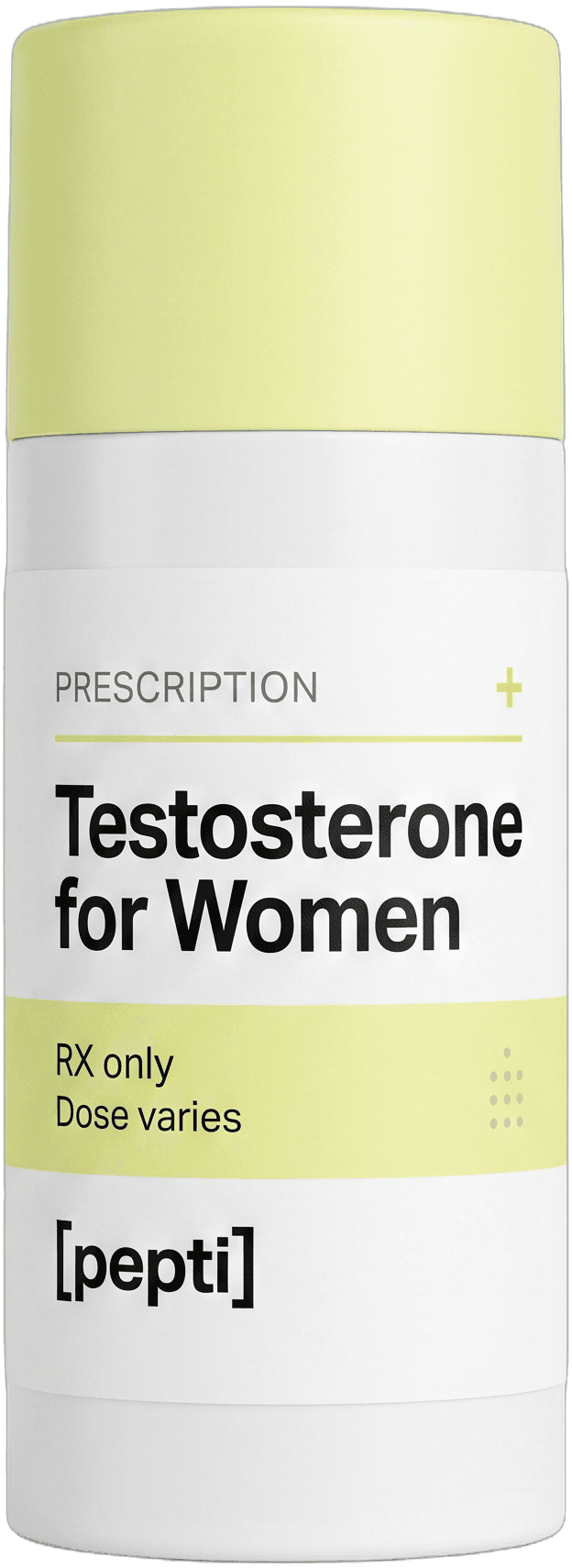
- Testosterone (Total & Free): Low levels can cause fatigue, muscle loss, and decreased libido in both men and women. Replacement options include Testosterone Cypionate (injection), Testosterone Cream, and Testosterone for Women (Low-Dose).
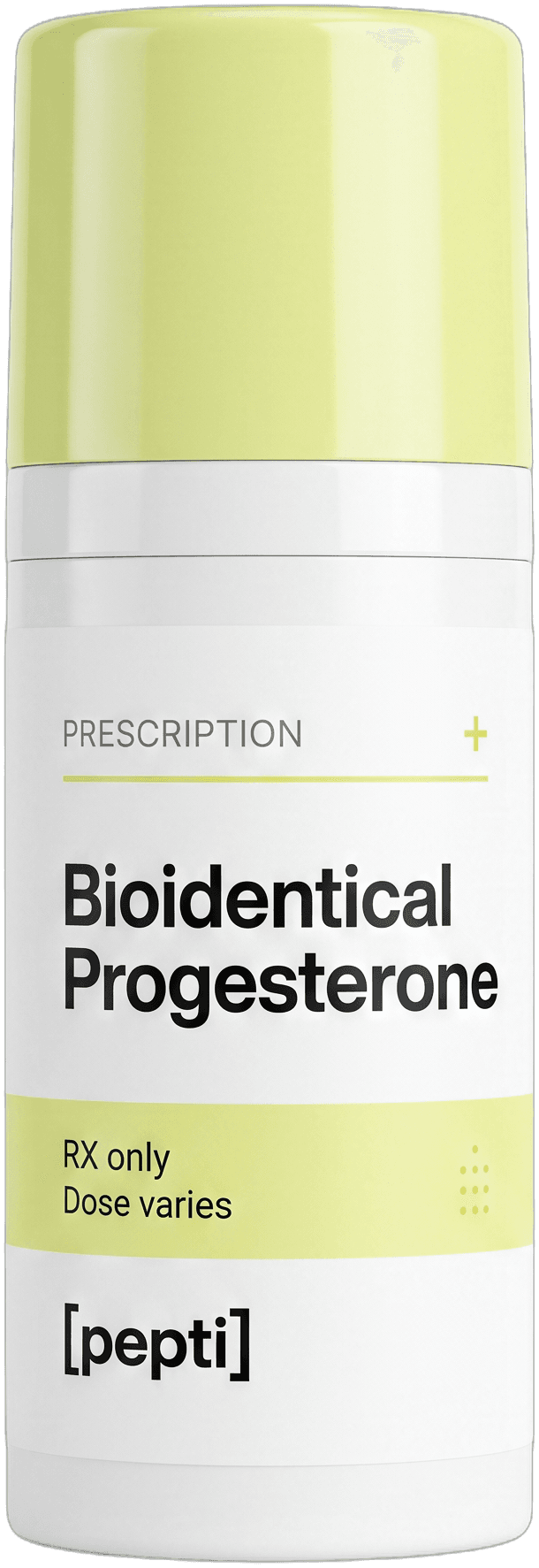
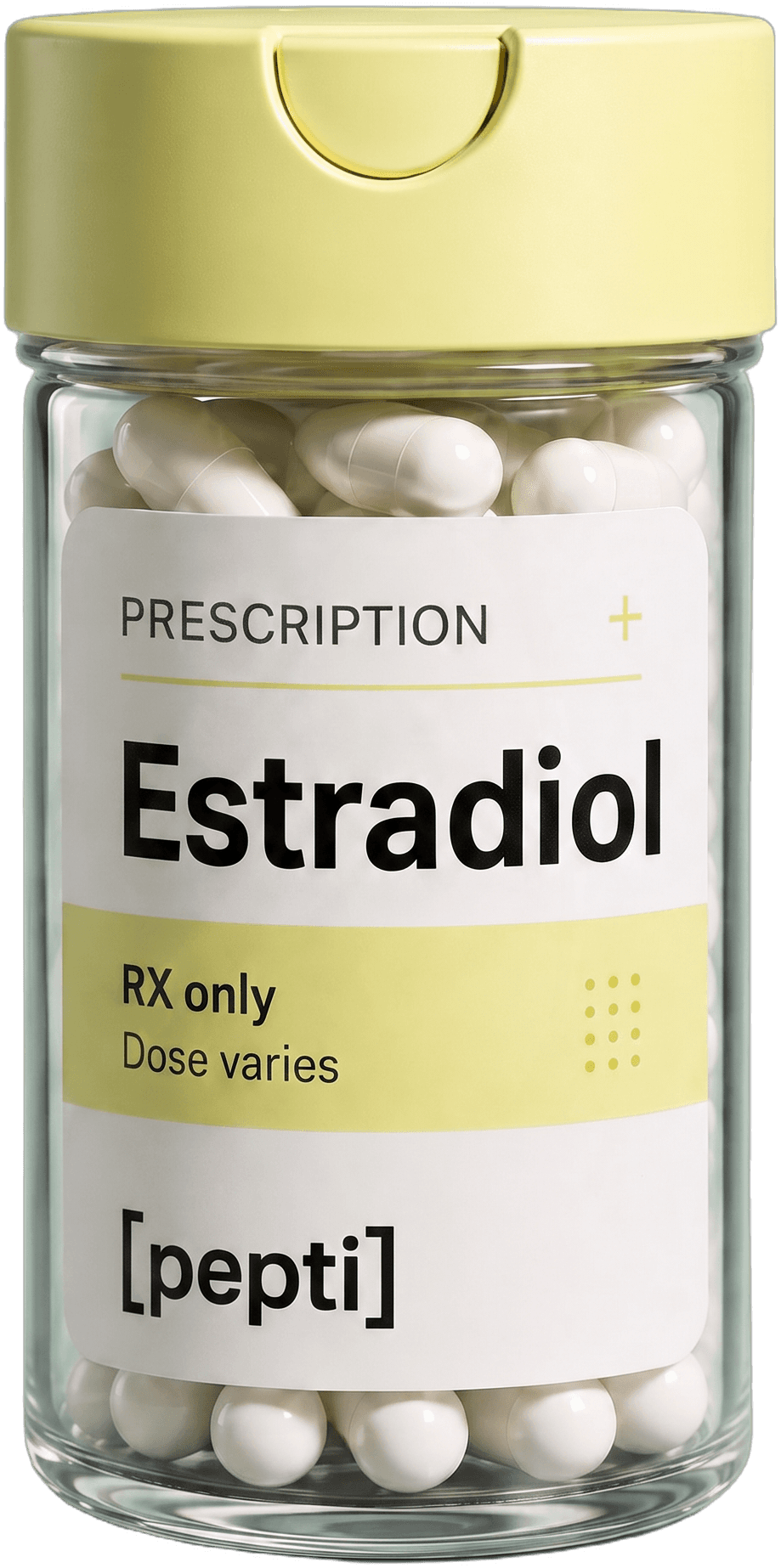
- Estradiol & Progesterone: Critical for women, especially during perimenopause or menopause. Imbalances may result in hot flashes, mood swings, or sleep issues. Bioidentical options like Bi-Est Cream and Bioidentical Progesterone can help restore balance.
- LH & FSH: These pituitary hormones control reproduction and testosterone/estrogen production; abnormal levels may signal fertility issues.
- Thyroid Panel (TSH, Free T3, Free T4): An under- or overactive thyroid impacts metabolism, mood, hair, and more. Options like Compounded T3/T4 and Desiccated Thyroid are tailored after testing.
- Cortisol: Chronic stress elevates this hormone, impacting sleep, fat storage, and immune function.
Did you know? Many symptoms we blame on "getting older"—like stubborn weight, poor sleep, or low motivation—are often rooted in hormone imbalances that can be measured and improved.
Metabolic Health: Your Engine Under the Hood
Metabolic health goes far beyond your fasting glucose. Comprehensive panels often include:
- Fasting Glucose & Hemoglobin A1C: Show both current and long-term blood sugar control.
- Insulin Levels: High fasting insulin suggests insulin resistance—an early warning for prediabetes.
- Lipid Panel (Cholesterol, LDL, HDL, Triglycerides): Reveals heart disease risk, which can be improved with targeted therapies.
- Liver & Kidney Function Tests: Ensure your major organs can handle metabolic changes.
When metabolic markers are suboptimal, peptide therapies like Semaglutide or Tirzepatide can help support healthy weight loss, improve insulin sensitivity, and lower cardiovascular risk. Remember: monitoring progress with follow-up labs makes these medications safer and more effective.
Nutrient Status: The Overlooked Piece
Even if you "eat healthy," your body might be missing essential vitamins and minerals. Blood panels can screen for:
- Vitamin D: Supports immunity, bone health, and mood; deficiency is extremely common.
- B Vitamins (B12, Folate): Needed for energy, cognition, and nerve health.
- Iron & Ferritin: Low levels cause fatigue, hair loss, and weakness.
- Electrolytes (Magnesium, Calcium, Potassium): Essential for nerve function and muscle performance.
- Trace Minerals (Zinc, Selenium, Chromium): Power up your metabolism and hormone production.
If a deficiency is uncovered, targeted support options at pepti include Vitamin D3 Injection, B-Complex Injection, Zinc Injection, and more.
Connecting the Dots: Optimizing Therapy with Bloodwork
Key principle: You can't optimize what you don't measure. Baseline and periodic follow-up labs give a clear window into whether a therapy protocol is working for you—or if it needs adjustment.
For example, if you're using BPC-157 + TB-500 (The Wolverine Protocol) for injury recovery or gut repair, your doctor will look at:
- Inflammatory markers (like CRP)
- Liver and kidney function (to ensure no stress on detox organs)
- Hormones and nutrients (for overall recovery capacity)
Tracking these means your protocol is both effective and safe.
At [pepti], every protocol is monitored by physicians using the latest evidence-based guidelines and regular lab review. If your doctor requires it, our standard blood panel is included free.
What to Expect: The Modern Bloodwork Experience
- Convenience: Choose between an at-home collection kit or a local lab draw—no guesswork, no endless chasing results.
- Doctor-reviewed: Results are interpreted by physicians specializing in peptide and hormone therapies—not just flagged by an algorithm.
- Personalization: Your panel is chosen based on your specific health goals—whether it's body composition, anti-aging, recovery, or hormone balance.
For more about our process, see blood testing and review the exact biomarkers we test.
Frequently asked questions
How often should I repeat blood tests while on peptide or hormone therapy?
Most protocols recommend checking labs at baseline, again after 2-3 months, and then every 6-12 months as maintenance. Your timeline may vary based on your health status and specific therapy—your pepti doctor will guide you.
What happens if my blood test shows an unexpected abnormality?
If your labs reveal an issue (for example, low thyroid or a nutrient deficiency), your pepti doctor will discuss next steps, which might include adjusting your protocol, prescribing supplemental support, or working with your primary care provider.
Is at-home blood testing as accurate as in-lab draws?
Yes—for most hormone, metabolic, and nutrient markers, at-home kits are highly reliable and CLIA-certified. In some cases (like specialized panels), an in-lab draw may be recommended for best accuracy.
Ready to uncover your unique biomarker story? Take our free assessment at pepti to see which evidence-based protocol fits your goals.