Intimate Wellness: Why Biomarkers Matter
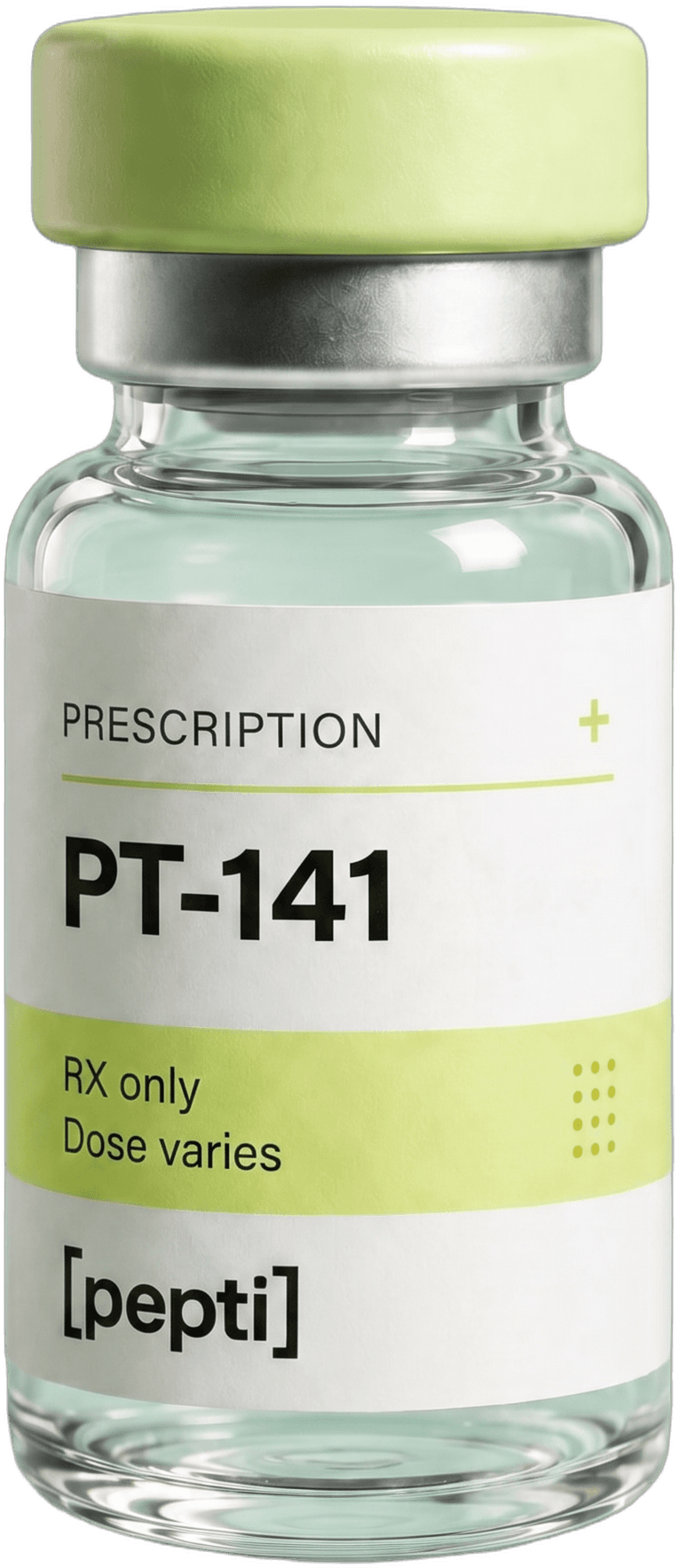
Intimate wellness isn’t just about libido—it’s about hormonal balance, vascular health, and the complex interplay between mind and body. If you’re considering support like PT-141 (Injectable) to boost intimacy, desire, or sexual function, tracking the right blood markers is key to getting safe and effective results.
Whether you’re dealing with low desire, arousal difficulties, or simply want to optimize your sexual health, understanding your baseline biomarkers helps you (and your doctor) personalize therapy, track progress, and avoid side effects.
In short: Bloodwork isn’t optional—it's your roadmap. [pepti] provides both at-home and in-lab blood testing to make it simple. Below, we’ll break down which biomarkers to watch, why they matter for intimate wellness, and how to use this data with PT-141 and other protocols.
The Core Biomarkers for Intimate Wellness
1. Sex Hormones
Your sexual health is strongly influenced by hormone levels. The most important ones to track include:
- Testosterone: Low levels can reduce libido in all genders. For men, total and free testosterone are critical; for women, even small variations matter.
- Estradiol (E2): Imbalances can affect arousal, lubrication, and mood.
- Progesterone: Often overlooked, but low or high levels can impact desire and sexual comfort.
- LH and FSH: These pituitary hormones help assess the root cause of hormonal imbalances.
Tip: Many patients on Testosterone Therapy or Bi-Est Cream track these markers to tailor dosing and monitor safety.
2. Prolactin
Prolactin is a lesser-known but crucial marker. Elevated prolactin can blunt desire and interfere with orgasm in both men and women. It’s especially important to rule this out if you’re experiencing sudden changes in libido.
3. Thyroid Function
Your thyroid regulates energy, mood, and sexual function. Both hypothyroidism (low) and hyperthyroidism (high) can affect desire and performance.
- TSH, free T4, free T3: These markers provide a snapshot into how well your thyroid is working. Desiccated Thyroid or compounded T3/T4 therapies may be recommended if these are abnormal.
4. Metabolic & Vascular Health
Sexual function is closely tied to blood flow. Markers to check:
- Lipid panel (cholesterol, LDL, HDL, triglycerides): High cholesterol can reduce blood flow.
- Hemoglobin A1C & fasting glucose: Blood sugar issues (even if mild) can impact arousal and erectile function.
- Vitamin D3, B12, and Zinc: These nutrients support hormone production, vascular health, and nerve function. Vitamin D3 Injection and Zinc Injection are common add-ons for those found low.
5. Psychological & Lifestyle Factors
You can’t measure this in a tube, but mood, stress, and sleep impact intimacy. [pepti] may recommend additional panels or sleep support (like DSIP) if these are flagged in your assessment.
Why Baseline & Follow-Up Bloodwork?
Personalizing any peptide or hormone therapy starts with knowing where you stand—and monitoring how you respond. Baseline bloodwork:
- Confirms the root cause of symptoms (e.g., is it low testosterone, poor blood flow, or stress?)
- Ensures you’re a safe candidate for PT-141 or other therapies
- Helps set realistic expectations for your protocol
Follow-up bloodwork (usually 8-12 weeks later):
- Tracks your progress and catches safety issues early
- Allows dose adjustments for best results
- Helps measure improvements objectively, not just subjectively
[pepti] includes a standard blood panel if your doctor requires it—learn more about options and biomarkers we test.
PT-141: Where It Fits and When to Use It
PT-141 (Injectable) (also available as a nasal spray or oral troche) is a physician-prescribed peptide for intimate wellness. Unlike classic ED drugs or hormone therapies, PT-141 acts directly on the brain’s sexual arousal pathways, working for all genders to boost desire, arousal, and sometimes orgasm.
When Is PT-141 Most Effective?
PT-141 works best when underlying causes—especially hormone imbalances, poor vascular/metabolic health, or thyroid dysfunction—have been tested and optimized. For example:
- If you have low testosterone: Address this first with Testosterone for Women or Testosterone Cypionate.
- If your lipids, blood sugar, or thyroid are off: Talk to your doctor about correcting these before or alongside trying PT-141.
- If stress, sleep, or mood is a factor: Consider addressing with lifestyle changes or targeted support (like DSIP for sleep, or oxytocin for bonding).
Callout: Most patients notice best results when PT-141 is part of a holistic plan—don’t skip the basics!
Sample Bloodwork Timeline
- Baseline panel: Test key biomarkers before starting PT-141 (and fix any major issues first).
- Start PT-141: Track subjective changes—desire, arousal, satisfaction.
- 8-12 weeks: Repeat bloodwork to check for changes and fine-tune your plan if needed.
Key Takeaways
- Track sex hormones, prolactin, thyroid, lipid/glucose, and nutrient markers for a full picture.
- PT-141 is most effective when underlying issues are managed—get your bloodwork done!
- [pepti] makes it easy to get blood testing at home or in a lab. Your protocol is tailored to your unique results.
Frequently asked questions
What’s the difference between PT-141 and ED medications like Viagra?
PT-141 works on the brain to increase sexual desire and arousal in all genders, while medications like Sildenafil Troche or Tadalafil Troche primarily increase blood flow for erections. PT-141 is helpful for low libido, while ED meds are for physical arousal issues.
How often should I repeat bloodwork while using PT-141?
Most patients repeat bloodwork every 3-6 months, or as recommended by their doctor, especially after any dose changes. This ensures safety and helps track improvement over time.
Can I combine PT-141 with hormone therapy or nutrient injections?
Yes, many patients use PT-141 alongside hormone therapy (like testosterone or estrogen) and nutrient support (like Vitamin D3 or Zinc) for maximal benefit. Your pepti doctor will personalize your plan according to your bloodwork.
Ready to optimize your intimate wellness? Take the free assessment at pepti.com/assessment to get started.