The 2026 Regulatory Reality for Compounded Peptides
The last few years have brought major changes to the world of compounded peptides in the United States. As people look for advanced therapies like Ondansetron for anti-nausea support, or healing peptides such as BPC-157, it’s crucial to understand what’s allowed—and what’s not—in 2026.
Why Peptide Compounding Faces Scrutiny
Compounded medications are personalized formulations made in state-licensed or FDA-registered pharmacies, often when commercial versions are unavailable or unsuitable. While compounding has been a staple in hormone replacement and integrative medicine, the rapid rise of peptide therapies caught the attention of regulators.
Key reasons for increased scrutiny:
- Growth in off-label peptide prescribing and telehealth access
- Questions about purity and consistency in non-FDA approved versions
- Instances of misuse, especially with substances not approved for human use
- The need to protect patient safety and public health
The 2026 Landscape: What’s Still Available?
As of 2026, the FDA’s stance on compounding peptides remains strict, but there are still safe, legal options for patients—especially when it comes to established medications. Here’s what you can expect:
1. FDA-Approved Peptides and Medications:
- Peptides like Semaglutide and Tirzepatide (originally FDA-approved for diabetes or weight management) are available in FDA-approved forms and, in some cases, as compounded alternatives when there’s a shortage or a clear clinical need.
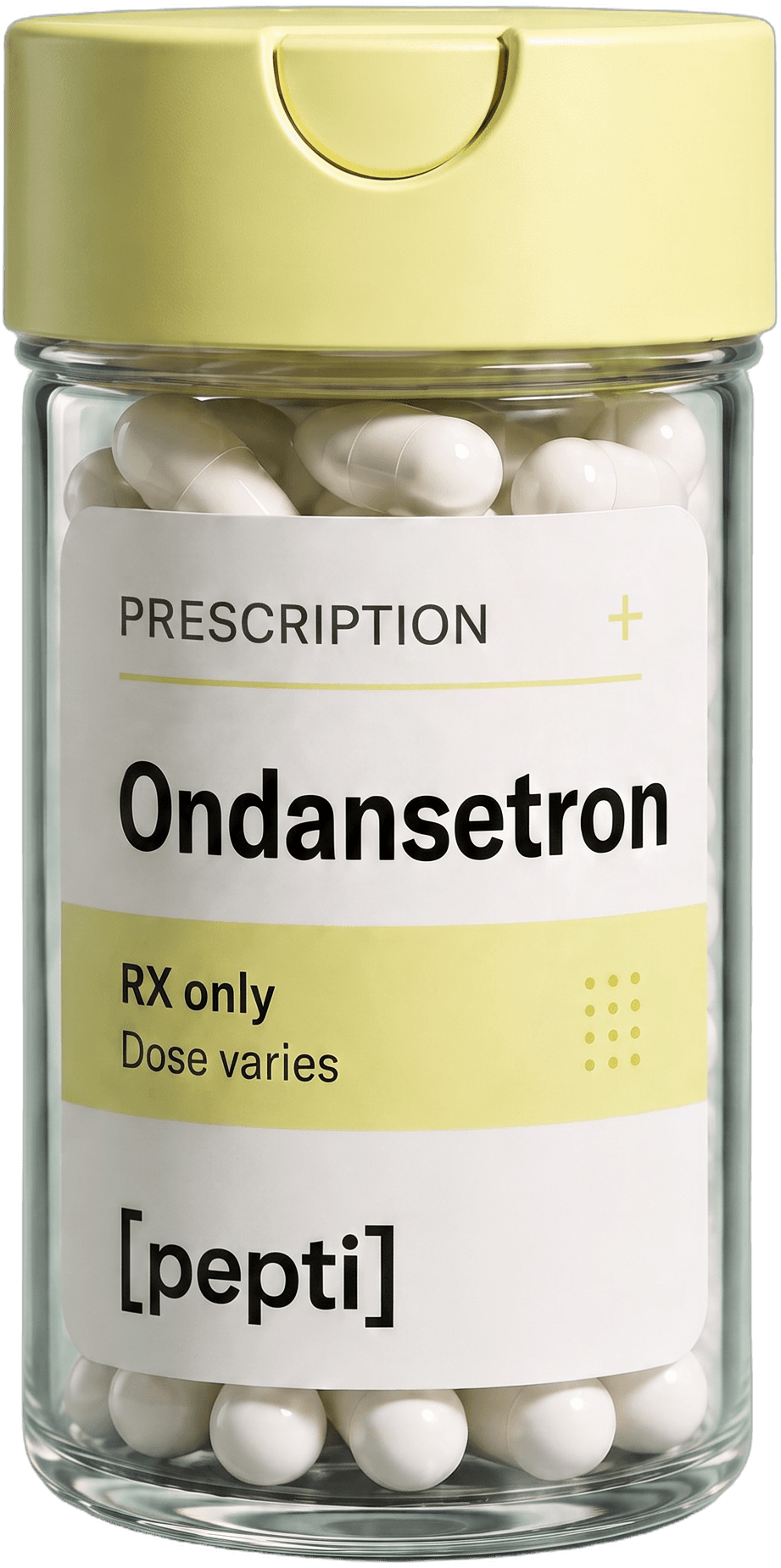
- Medications like Ondansetron, widely recognized for anti-nausea support, can be compounded when a suitable, approved option is not commercially available or when specific formulations are required (for instance, for allergy or dosage reasons).
2. Compounded Blends and Stacks:
- Some healing and regenerative blends, such as BPC-157 + TB-500 or KLOW Blend, continue to be prescribed by clinicians when patient needs are not met by commercial products. These are compounded in specialized pharmacies compliant with current USP <797> sterile compounding guidelines.
3. Still Prohibited:
- Peptides not on the FDA’s "503A Bulks List" or those previously flagged as unsafe continue to be restricted, regardless of demand.
- Compounding for "general wellness" without a documented medical reason is not supported in reputable telehealth practice.
How Regulation Safeguards Quality and Access
The 2026 regulatory environment aims to strike a balance: permitting access to essential, evidence-backed compounds while shutting down gray-market or unsafe sources. Here’s how that benefits you:
- Better Traceability: Licensed compounding pharmacies must document ingredient sourcing and batch testing.
- Physician Oversight: Every [Pepti] prescription involves a board-certified physician, with protocols based on medical need.
- Transparent Sourcing: Only peptides meeting strict quality criteria make it into your protocol.
The Role of Blood Testing in Safe Therapy
Baseline and follow-up blood testing are more than just box-checking—they’re the cornerstone of safe, effective peptide and hormone therapy. Whether you’re starting a weight management protocol or optimizing for energy, tracking biomarkers ensures:
- The selected therapy is appropriate for your current health status
- Adjustments are made based on real-time lab feedback
- You avoid unwanted side effects or ineffective dosing
This is why Pepti includes a free standard blood panel if required by your doctor, and offers both at-home and in-lab collection options for your convenience.
Accessing Ondansetron and Similar Therapies
Ondansetron remains a mainstay for patients struggling with nausea, especially when oral or standard commercial doses aren’t well tolerated. In 2026, compounding pharmacies can still prepare customized Ondansetron formulations (such as alternative dose strengths or forms) when a physician documents a clinical rationale.
Other compounds—like KPV for inflammation or GHK-Cu for skin/collagen—are available when prescribed for clearly defined health goals.
What to look for in a legitimate peptide provider:
- Is every prescription reviewed by a licensed physician?
- Are blood tests required or strongly encouraged?
- Does the pharmacy compound in full compliance with federal and state law?
- Are you given transparent information about your options?
Pepti checks all these boxes so you can focus on results.
Frequently asked questions
Can I still get compounded Ondansetron in 2026?
Yes. If there is a documented medical need (such as an allergy to an excipient or need for a non-standard dose), licensed clinicians can prescribe compounded Ondansetron from regulated pharmacies. Always consult with your doctor first.
Are compounded peptides safe?
When sourced from a reputable provider and prescribed by a physician, compounded peptides meet rigorous purity and potency standards. [Pepti] only works with pharmacies that adhere to the latest safety regulations. Bloodwork and follow-up monitoring further enhance safety.
Why is blood testing important before starting peptide therapy?
Comprehensive blood testing gives your doctor the data needed to personalize your protocol, avoid contraindications, and monitor progress. Baseline labs ensure therapy is safe for you—see our blood testing options and biomarkers we test for details.
Ready to see if peptide therapy is right for you? Take our free assessment at pepti.com/assessment today.