Why Biomarkers Matter for Energy Optimization
If you’re struggling with low energy, brain fog, or slow physical recovery, you’ve probably heard the advice: more sleep, more sunlight, dial in your nutrition. But what if your mitochondria—the little energy factories in every cell—aren’t keeping up? That’s where advanced peptide therapies like SS-31 (Elamipretide) and data-driven biomarker tracking come in. At [pepti], we believe that personalizing your energy strategy starts with knowing your numbers.
Core Biomarkers: Your Energy Dashboard
Why Test Before Starting Peptides?
Before jumping into mitochondrial support peptides, it’s crucial to understand your baseline. Bloodwork uncovers root-cause issues—nutrient gaps, hormonal imbalances, inflammation, or metabolic slowdowns—that could be quietly draining your energy. Repeat testing after starting therapy shows whether interventions like SS-31 are working, and ensures safety.
To make this easy, [pepti] offers both at-home kits and in-lab draws for hormone, metabolic, thyroid, and nutrient panels. Your first standard panel is free if your doctor requires it. Learn more about blood testing and see the full list of biomarkers we test.
Must-Track Biomarkers for Energy Seekers
Here are the top markers to monitor when your main goal is boosting cellular energy:
- Comprehensive Metabolic Panel (CMP): Screens liver and kidney function, glucose, and electrolytes, helping rule out common causes of fatigue.
- Thyroid Panel (TSH, Free T3, Free T4): Thyroid hormones are key energy regulators. Subtle imbalances can lead to sluggishness.
- CBC (Complete Blood Count): Checks for anemia or low white blood cells, both of which sap vitality.
- Ferritin and Iron Panel: Low iron—even with normal hemoglobin—can cause weakness, especially in menstruating women.
- Vitamin B12 and Folate: Critical for mitochondrial function and nerve health.
- Vitamin D: Low D is linked to fatigue and poor immunity.
- Magnesium and Zinc: Essential minerals for ATP (cellular energy) production and nervous system support.
- hs-CRP (high-sensitivity C-reactive protein): Measures inflammation, which impairs mitochondrial efficiency.
- Free & Total Testosterone (in men), Estradiol (in women): Sex hormones strongly impact drive, stamina, and mood.
- Lactate and LDH (Lactate Dehydrogenase): Elevated levels can signal mitochondrial dysfunction or overtraining.
Testing tip: Save your baseline results, then retest 8-12 weeks after starting any new intervention to see progress.
Peptides for Upgrading Your Energy System
SS-31 (Elamipretide): Mitochondrial Repair Specialist
SS-31 is a cutting-edge peptide that targets mitochondria—the heart of your body’s power grid. By binding to cardiolipin on the inner mitochondrial membrane, SS-31 helps stabilize energy production and may improve mental and physical stamina.
If your bloodwork shows signs of mitochondrial stress (like elevated lactate, low B12, or unexplained fatigue), SS-31 is a logical next step. Watch for improvements not just in how you feel, but also in post-therapy labs—lower inflammation, better iron status, and more robust metabolic markers.
Other Peptide Allies
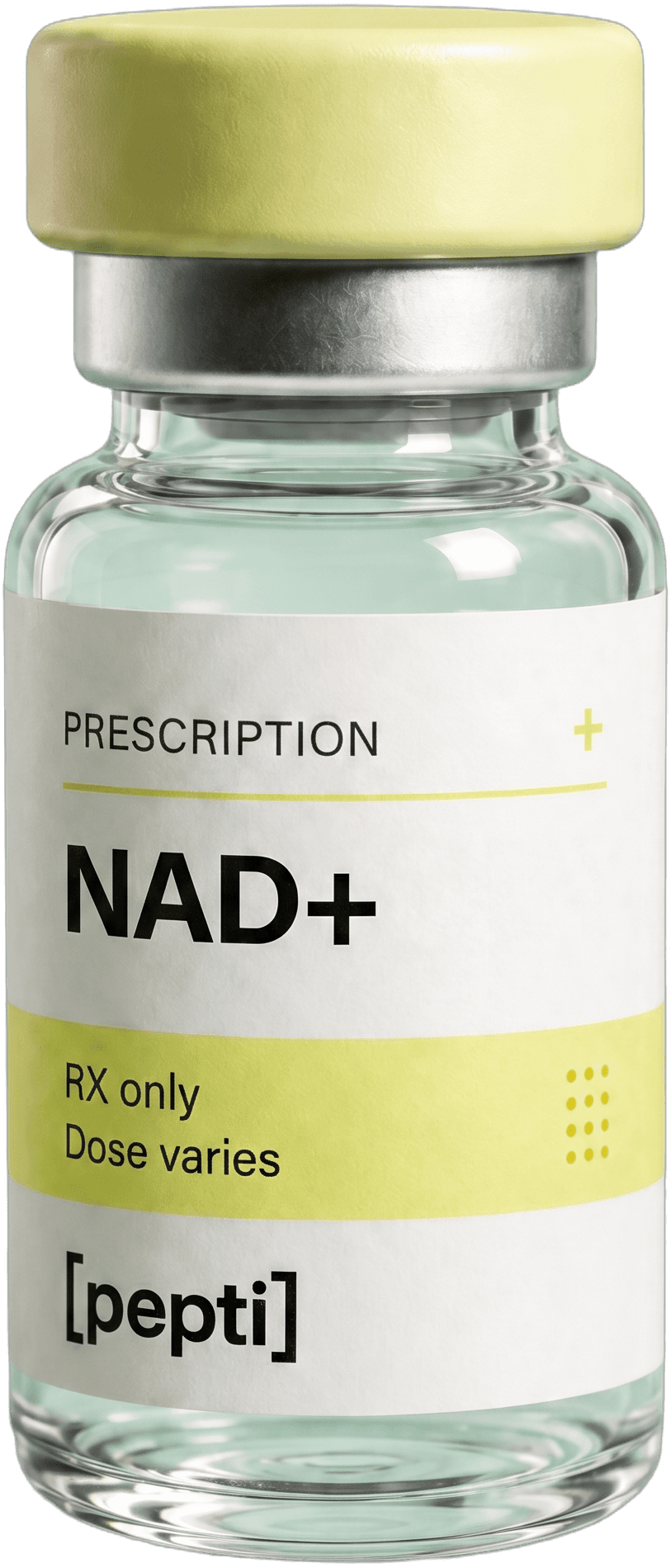
- NAD+ Injection: Directly boosts cellular repair and ATP levels—great if your levels are low or you’re seeking next-level energy.
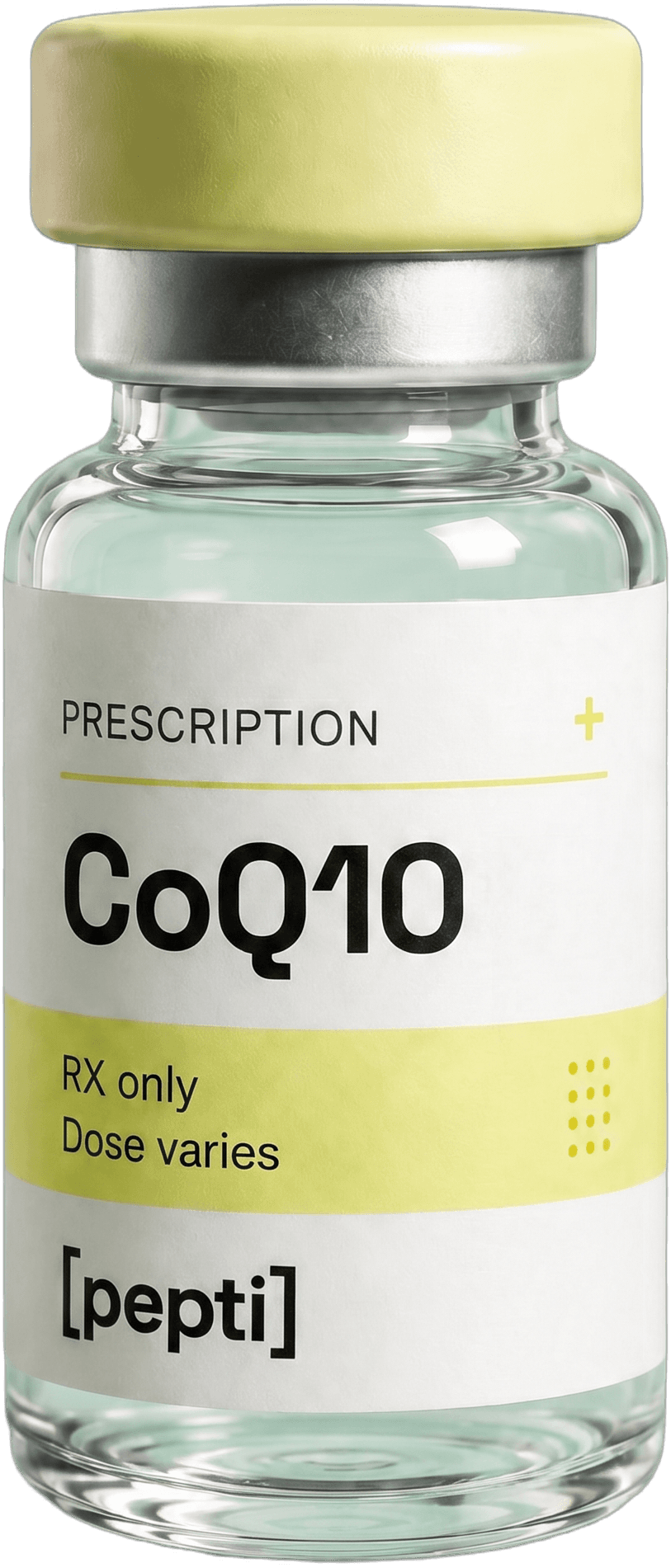
- CoQ10 Injection: Vital mitochondrial cofactor, especially useful if on statins or managing heart health.
- MOTS-c: Another mitochondrial-activating peptide that can complement SS-31 for those with stubborn energy slumps.
Pairing the right peptide with targeted nutrition and lifestyle upgrades—based on your unique biomarker picture—delivers the best results.
Beyond the Basics: Advanced Markers for the Curious
For those who want to dig deeper, ask about these additional markers:
- Homocysteine: High levels can signal poor methylation, impacting energy and cardiovascular risk.
- CK (Creatine Kinase): Elevated with muscle breakdown or intense training; persistent highs can mean poor recovery.
- Cortisol (AM/PM): Imbalances may explain why you crash in the afternoons or struggle to get moving in the morning.
- Oxidative Stress Markers (e.g., GGT, Glutathione): High oxidative stress can sabotage mitochondrial health.
How to Use Your Results
Make it actionable:
- If your iron or B12 is low, supplement and retest.
- If inflammation (CRP) is high, address stress, sleep, and nutrition.
- If thyroid hormones are off, discuss adjustments with your doctor before starting peptides.
- Use pre- and post-therapy labs to objectively measure progress with SS-31 or any other intervention.
Remember: Lab values are only part of the story—combine them with how you actually feel to make the smartest decisions.
Frequently asked questions
Do I need bloodwork before starting SS-31 or other energy peptides?
Absolutely! Testing uncovers hidden issues and ensures you’re a good fit for SS-31. Baseline labs also let you track your progress and avoid unnecessary risks. [pepti] includes a free standard panel if your doctor requires it.
How often should I repeat my biomarker tests?
For most people, retesting every 3-4 months is ideal—after any major therapy change, or if you’re not seeing improvements. Your provider may recommend more frequent checks if you have complex health needs.
Which symptoms suggest mitochondrial dysfunction?
Persistent fatigue despite adequate sleep, exercise intolerance, muscle aches, brain fog, and slow recovery are classic signs. Bloodwork showing high lactate, low B12, or abnormal metabolic markers can further point toward mitochondrial stress.
Ready to take charge of your energy? Start with our free online assessment at pepti.com/assessment to see which peptide protocols—and blood testing—fit your health goals.