PT-141: Separating Fact from Fiction in Intimate Wellness
If you’ve heard about PT-141, you might have also heard a lot of hype—and maybe even some misinformation. As a doctor-prescribed peptide for intimate wellness, PT-141 (also called bremelanotide) is gaining popularity, but there are still plenty of persistent myths out there. We're here to clear things up, so you can make informed decisions about your health (and your relationships).
Myth 1: PT-141 is Just for Men
Wrong! PT-141 was initially studied for male sexual function, but it’s now FDA-approved for treating hypoactive sexual desire disorder (HSDD) in premenopausal women as well. The peptide works by acting directly on the brain’s melanocortin receptors — influencing desire and arousal independent of sex hormones. Many [Pepti] patients of all genders use PT-141 to support a healthier intimate life. In fact, some studies show positive results for both women and men, including those who haven’t responded to traditional treatments.
Key point: PT-141 is not just a "male solution." It's a brain-level modulator of desire for all genders.
Myth 2: PT-141 Works Like the "Blue Pill" (PDE5 Inhibitors)
PT-141 is often lumped in with medications like sildenafil (Viagra®), but the mechanism is totally different. While the blue pill increases blood flow to the genitals, PT-141 stimulates melanocortin pathways in the brain to increase sexual desire and arousal. That means it can work even if blood flow medications haven’t helped, or if your main challenge is low libido—not performance.
PT-141:
- Acts on the brain to boost desire
- Can help even in cases where blood flow isn’t the primary issue
- May take 30–120 minutes to work after injection, and lasts up to 12 hours
PDE5 inhibitors:
- Work peripherally on blood vessels
- Don’t affect mental or emotional desire
Myth 3: PT-141 Delivers Instant (or Guaranteed) Results
A common misconception is that PT-141 is a quick fix, or that it works for everyone. In reality, effects can vary: most people feel an increase in desire or arousal within 1–2 hours of injection, but not all users will respond the same way. Clinical trials show roughly 60% of women with HSDD reported improved satisfaction with PT-141, and response in men with ED or low libido is mixed. Some individuals require dose adjustments, a few tries, or even protocol combinations (ask your provider if you’re a candidate for Kisspeptin or hormone testing).
Pro tip: Keep realistic expectations and be open with your doctor about your experience—intimate wellness is personal and complex.
Myth 4: PT-141 is Unsafe or Unnatural
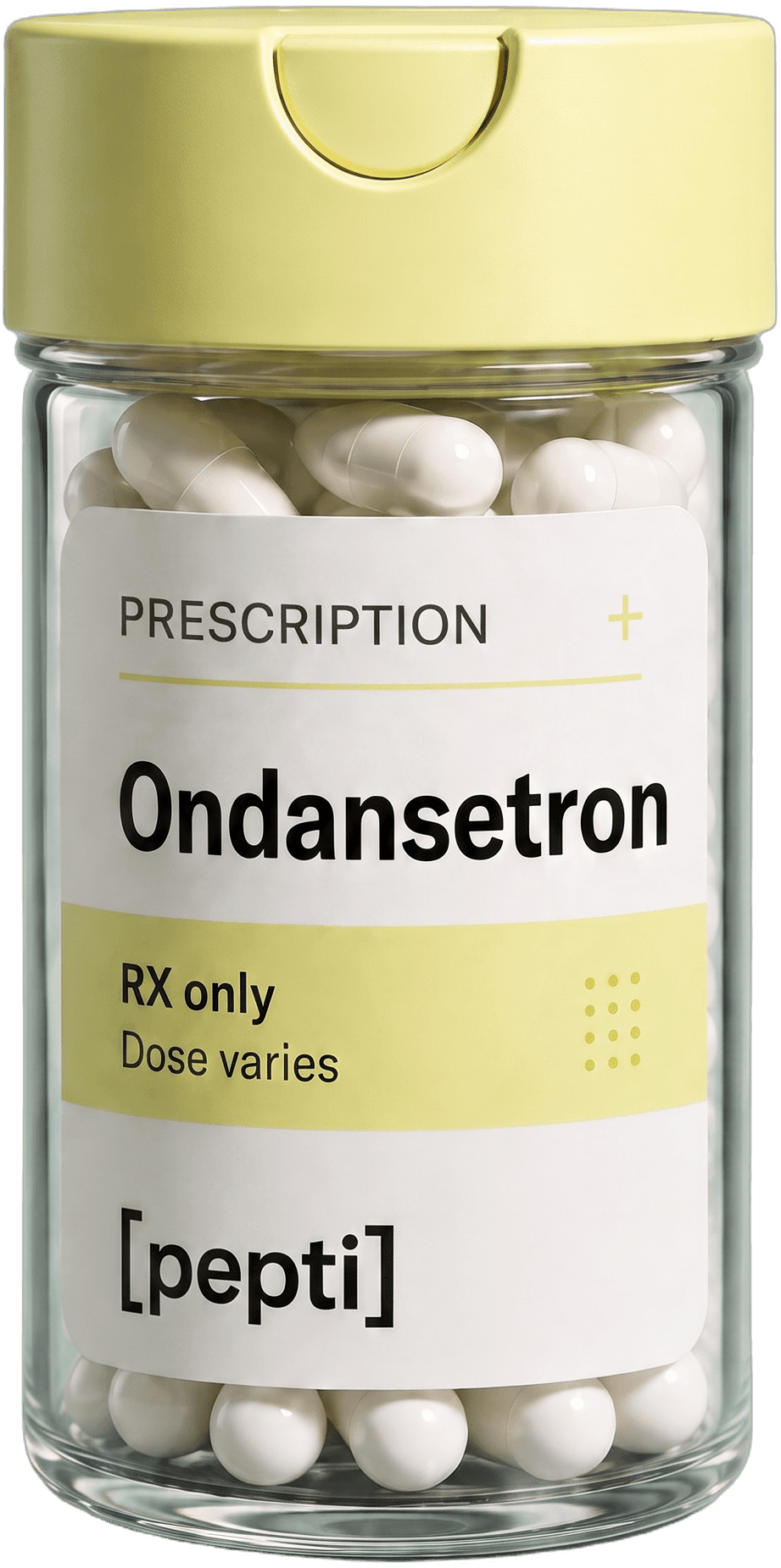
PT-141 is a synthetic peptide, but it’s based on naturally occurring molecules in your body called melanocortins. When used under medical supervision, PT-141 has a good safety profile. The most common side effects are nausea (about 40%), flushing, or headache—usually mild and often improved by starting with a lower dose or taking an anti-nausea med like Ondansetron. Rarely, some people experience increased blood pressure. As with any medication, doctor supervision and appropriate screening are key.
For optimal safety and effectiveness, [Pepti] always recommends baseline and follow-up blood testing. Hormone and metabolic panels—like those included in our biomarkers we test—can uncover root causes of low libido and help tailor your care. This is especially crucial if you have underlying health conditions or are combining PT-141 with other therapies.
Takeaway: PT-141 is safe for most people when prescribed by a knowledgeable provider and paired with appropriate health monitoring.
Myth 5: You Don’t Need to Address Root Causes
Low desire can stem from hormone imbalances (low testosterone, high prolactin, thyroid dysfunction), medications, relationship factors, stress, or chronic illness. PT-141 can be a powerful tool for jump-starting your intimate wellness, but it’s not meant to be a band-aid. Bloodwork and a holistic health review help you and your care team address all possible contributors. Sometimes, your doctor may recommend adding GHK-Cu or other peptides for broader wellness goals.
Remember: Sustainable improvement in desire and satisfaction usually comes from a root-cause approach, not just a single prescription.
How to Maximize Results with PT-141
- Start with baseline labs: Get a full hormone/metabolic panel via blood testing.
- Follow your doctor’s instructions: Dosage and timing matter.
- Track your response: Use a journal or tracker to note effects, side effects, and timing.
- Stay consistent and open: Discuss progress and any issues with your provider for protocol adjustments.
Frequently asked questions
How fast does PT-141 work, and how long does it last?
Usually, effects start in 30–120 minutes post-injection and can persist for up to 12 hours. Individual response and timing vary, so plan ahead for best results.
Can PT-141 be combined with other therapies?
Yes, PT-141 is sometimes combined with hormonal therapies (like Kisspeptin) or other peptides to address multiple aspects of intimate wellness. Always consult your doctor to create a safe, tailored protocol.
Do I need bloodwork before starting PT-141?
Bloodwork isn’t strictly required for all patients, but it’s highly recommended. Baseline and follow-up blood testing help identify hormonal imbalances, optimize treatment, and ensure long-term safety.
Ready to see if PT-141 or another peptide could support your goals? Take Pepti’s free assessment at pepti.com/assessment to get started.