Research Roundup: The Latest on LL-37 and Antimicrobial Peptide Therapy
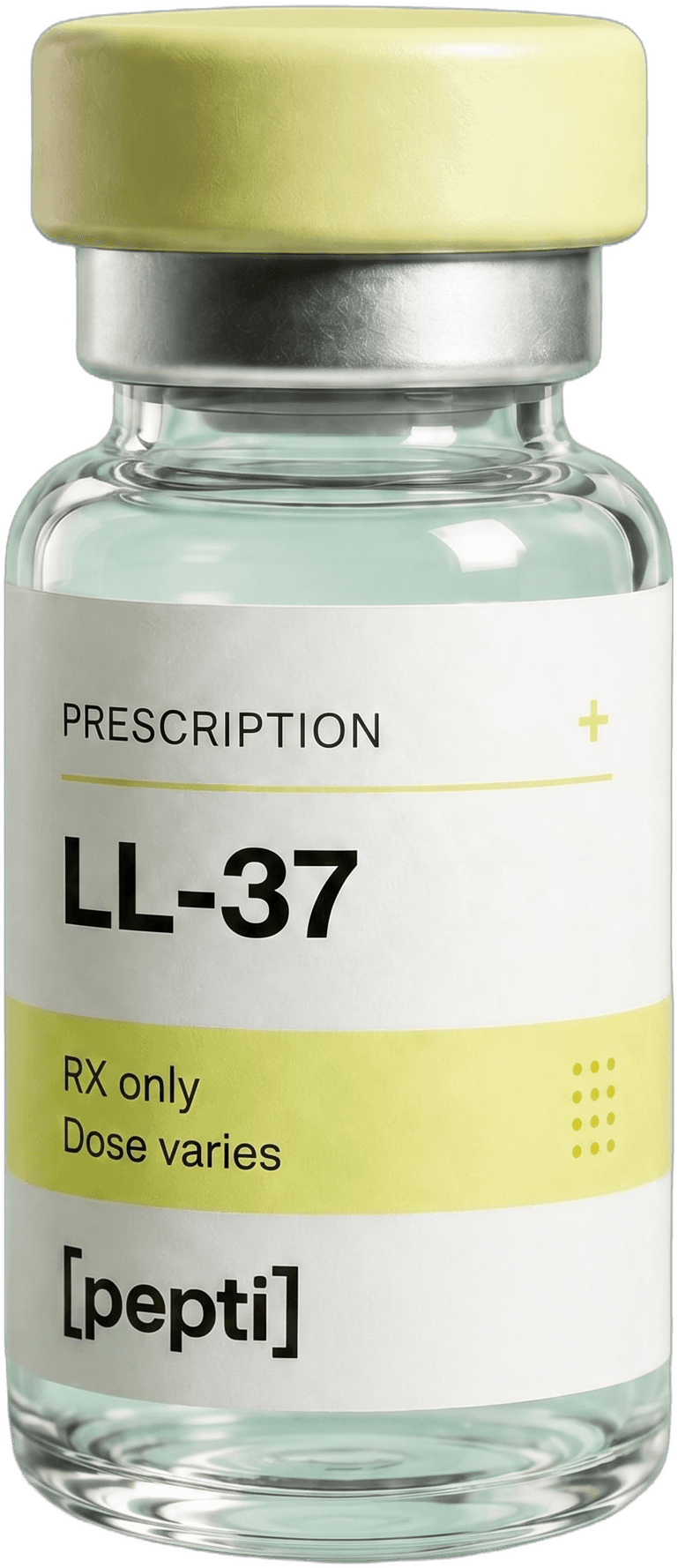
LL-37 is garnering attention as a doctor-prescribed peptide for those seeking to bolster their natural immune defenses. Produced naturally in the human body, LL-37 is part of a group known as "cathelicidin antimicrobial peptides"—and it’s the only such peptide found in humans. At [pepti], we offer LL-37 (Injectable) for its potential to support antimicrobial defense and immune balance. But what does the current research say?
In this research roundup, we’ll review the newest findings on LL-37’s functions, its applications, and how it compares with other advanced peptides prescribed at [pepti].
LL-37: The Science at a Glance
LL-37 is a 37-amino acid peptide fragment cleaved from the precursor protein hCAP-18. Its primary roles include:
- Direct antimicrobial activity against bacteria, viruses, and fungi
- Modulating immune response and inflammation
- Promoting tissue healing and angiogenesis
Recent Findings: Antimicrobial and Immune Effects
1. Potent Antimicrobial Action
A 2023 meta-analysis in Frontiers in Immunology reviewed 22 studies on LL-37’s efficacy against pathogens like E. coli, Staphylococcus aureus, and influenza viruses. LL-37 demonstrated broad-spectrum antimicrobial activity—disrupting pathogen cell membranes and even interfering with biofilm formation, which can make infections stubborn or chronic.
2. Immunomodulation and Inflammation Control
Rather than just fighting pathogens, LL-37 also modulates the immune system. A 2022 review in Journal of Peptide Science highlighted LL-37’s ability to tone down excessive inflammation by dampening harmful cytokine release. In animal models of lung and skin infection, LL-37 reduced tissue damage by balancing the immune response—supporting healing without suppressing protective immunity.
3. Emerging Antiviral Properties
Recently, researchers uncovered LL-37’s ability to bind viral envelopes and spike proteins, potentially blunting viral entry to human cells. Lab studies during the COVID-19 pandemic hinted that higher LL-37 levels correlated with less severe cases, though more human data is needed.
LL-37 in Tissue Repair and Healing
LL-37 doesn’t stop at fighting pathogens. It also:
- Encourages migration and growth of skin and mucosal cells
- Promotes new blood vessel formation (angiogenesis)
- Supports faster wound repair in animal and cell models
For people with chronic wounds, LL-37 is being studied as an adjunct therapy. While injectable LL-37 is still considered investigational in some settings, its broad effects are now shaping research on complex chronic infections and wounds.
How Does LL-37 Compare to Other Peptides?
LL-37 is unique, but it’s not the only peptide harnessing the body’s repair and defense capabilities. Here’s how it stacks up:
- BPC-157: Primarily accelerates tissue repair in the gut and musculoskeletal system, with secondary anti-inflammatory effects. Unlike LL-37, BPC-157 does not have direct antimicrobial properties.
- Thymosin Alpha-1: Another immune-modulating peptide, Thymosin Alpha-1 boosts T-cell activity and is used clinically for chronic viral infections. It is more focused on overall immune function, while LL-37 excels at frontline pathogen defense.
- KLOW Blend: This 4-peptide stack combines tissue repair, inflammation control, and immune support—ideal for complex recoveries, but does not specifically target pathogens the way LL-37 does.
Key Takeaway:
If the primary goal is targeted antimicrobial support—especially for those with recurrent infections or impaired immune function—LL-37 offers a distinct advantage. For broader healing and recovery, combining LL-37 with peptides like BPC-157 or the KLOW Blend may be considered, always under a physician’s supervision.
Why Blood Testing Matters for Peptide Therapy
With any peptide protocol, including LL-37 (Injectable), understanding your baseline immune and inflammatory status is crucial. Baseline and follow-up blood testing ensure:
- Safety (monitoring for rare adverse effects)
- Effectiveness (tracking immune markers and recovery)
- Personalized dosing and protocol adjustments
At [pepti], we offer both at-home and in-lab blood testing options, covering biomarkers such as white blood cell count, CRP (inflammation), and vitamin D status—all relevant for immune and infection resilience.
What’s Next for LL-37 Research?
While much of the data is still from preclinical and early-stage human studies, the excitement around LL-37 is growing. Areas of active investigation include:
- Adjunctive therapy for antibiotic-resistant infections
- Support for chronic wounds and skin conditions
- Balancing immune responses in autoimmune and inflammatory disorders
As more data emerges, expect LL-37 to play an expanding role in personalized, peptide-based immune support.
Frequently asked questions
How quickly does LL-37 start working?
Most people begin to notice subtle changes in immune resilience or recovery within several weeks of starting LL-37. The timeline depends on individual health status, the specific protocol, and whether it’s combined with other peptides.
Can LL-37 be combined with other peptides?
Yes, LL-37 is often used alongside other peptides, such as BPC-157 for healing or Thymosin Alpha-1 for immune support. Your [pepti] provider will tailor your protocol based on your health goals and baseline bloodwork.
Is LL-37 safe for long-term use?
Current clinical experience and studies suggest LL-37 is generally well-tolerated when prescribed appropriately. Periodic bloodwork and follow-ups are important for ongoing safety and efficacy.
Ready to see if LL-37 fits your health needs? Take the free assessment at pepti and get personalized recommendations from our physician team.