What Is Semaglutide—and Why Is It So Popular?
You’ve probably heard about Semaglutide as a breakthrough for medical weight management. Originally developed for type 2 diabetes, this injectable peptide has made headlines for its impressive results in helping people lose significant weight—often 10–15% of starting body weight over 6–12 months. But how does it work, and what’s it like to actually get started?
This guide will walk you through the essentials, from how Semaglutide works and how injections fit into your routine, to safety, monitoring, and what success really looks like.
How Does Semaglutide Work for Weight Loss?
Semaglutide is a GLP-1 receptor agonist—a synthetic version of a natural hormone your body uses to regulate blood sugar and appetite. Here’s what it does:
- Reduces hunger: You’ll likely feel full faster and get fewer cravings.
- Slows stomach emptying: Meals keep you satisfied longer.
- Helps your body regulate sugar and insulin: This can support healthy metabolism, especially if you’re insulin resistant.
Combined with healthy eating and physical activity, Semaglutide can make it easier to create the calorie deficit required for steady, sustainable weight loss.
What to Expect: The First Month on Semaglutide
Starting Semaglutide is a little different from classic weight loss plans. Here’s how your first month typically looks:
1. Consultation and Baseline Bloodwork
- Your [pepti] care team reviews your medical history and goals.
- Baseline bloodwork is essential—it helps ensure you’re a safe candidate and sets a marker for tracking results. Learn more about blood testing and the biomarkers we test.
2. Dosing and Injection Training
- You’ll usually start with a low dose (sometimes as low as 0.25 mg weekly) to minimize side effects.
- Your pepti provider teaches you how to inject under the skin—typically in your abdomen or thigh. Don’t worry, it’s easier than it sounds!
3. Ongoing Support and Dose Titration
- Doses increase slowly, often each month, until you reach an effective level (up to 2.0 mg weekly, depending on your needs).
- You’ll check in regularly with your provider, both for support and to adjust the plan.
Most people start noticing appetite changes within 1–2 weeks. Weight loss is typically gradual—think 1–3 pounds a week once you reach your maintenance dose.
Side Effects: What’s Common and How to Manage Them
Like any medication, Semaglutide can have side effects. The most common are digestive and often improve as your body adjusts:
- Nausea
- Feeling full quickly
- Mild stomach discomfort or constipation
- Occasionally diarrhea or mild vomiting
Pro tips:
- Eat smaller, slower meals
- Stay hydrated
- Avoid high-fat or greasy foods
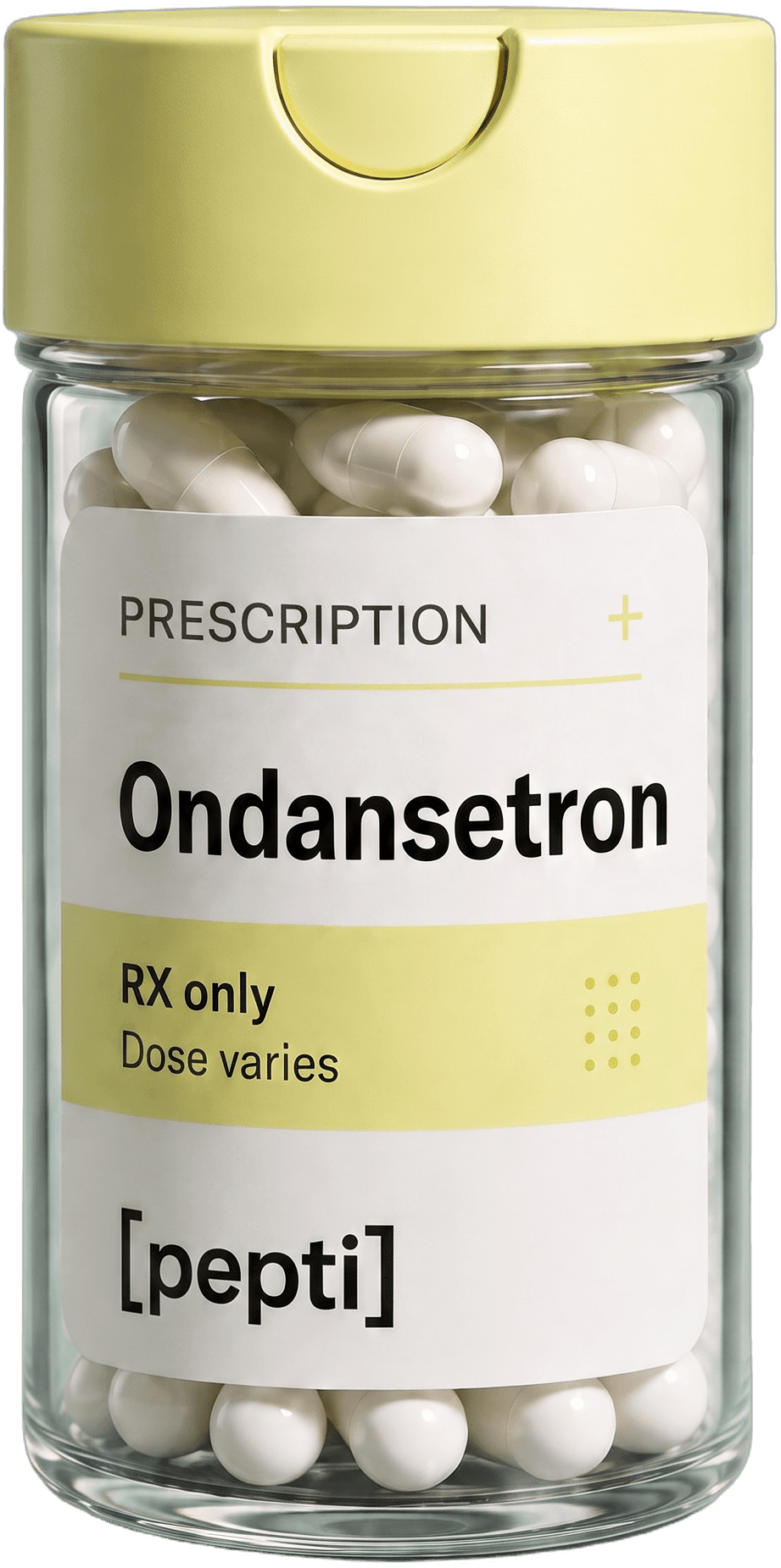
- If you experience nausea, your provider may recommend something like Ondansetron, a safe anti-nausea medication
Most people find side effects are temporary and manageable, especially with gradual dose increases.
The Role of Bloodwork and Ongoing Monitoring
Why is blood testing so important?
- Confirms a safe metabolic baseline
- Identifies conditions (like thyroid or liver issues) that may affect weight loss
- Monitors for rare side effects over time
[Pepti] includes a standard panel at no charge if your provider requires it. Ongoing follow-up bloodwork ensures your plan stays safe and effective. Read more about our blood testing services and the specific biomarkers measured.
Beyond Semaglutide: What If You Need More?
If you’re not hitting your goals or plateau, your pepti provider might discuss other options, such as Tirzepatide (another next-gen weight loss peptide) or adding a metabolic support like Lipo-B (B12 + MIC) for energy and fat burning. The key is a tailored approach—never one-size-fits-all.
How to Maximize Your Results
- Prioritize nutrition: Semaglutide helps curb appetite, so focus on lean proteins, veggies, and healthy fats.
- Move your body: Even a daily walk helps.
- Stay accountable: Track your weight, measurements, and energy weekly.
- Follow up: Keep all appointments and bloodwork to ensure safety and progress.
Remember: Consistency and patience win. Medical weight loss is a marathon, not a sprint.
Frequently asked questions
How long does it take to lose weight on Semaglutide?
Most people start to notice appetite changes within the first week, with noticeable weight loss (1–3 pounds/week) once their dose is optimized over 1–2 months. Results vary based on your starting point, lifestyle, and adherence.
Do I need to use Semaglutide forever?
Semaglutide is approved for long-term use, but your duration depends on your goals and how you respond. Some maintain results with lifestyle changes alone after reaching their targets, while others need ongoing therapy—a decision best made with your provider.
What if I have side effects that won't go away?
Mild side effects are common at first but usually improve. If nausea, discomfort, or other issues persist, talk to your pepti provider. Adjusting the dose, pacing titration, or adding a medication like Ondansetron can help you stay on track safely.
Ready to take the first step? Complete your free assessment at pepti to see if you’re a candidate for Semaglutide or other expert-guided weight management solutions.