Why Blood Tests Matter: A Window Into Your Health
Let’s be real—no one gets excited about getting blood drawn. But when it comes to optimizing hormones, metabolism, and nutrient status, baseline and ongoing bloodwork are absolute game changers. Whether you’re exploring peptide therapy with Pepti for hormone support, weight management, or recovery, your blood test is your roadmap.
Blood testing helps your provider:
- Uncover silent hormone imbalances
- Spot early signs of metabolic shifts
- Identify nutrient deficiencies affecting energy, mood, and performance
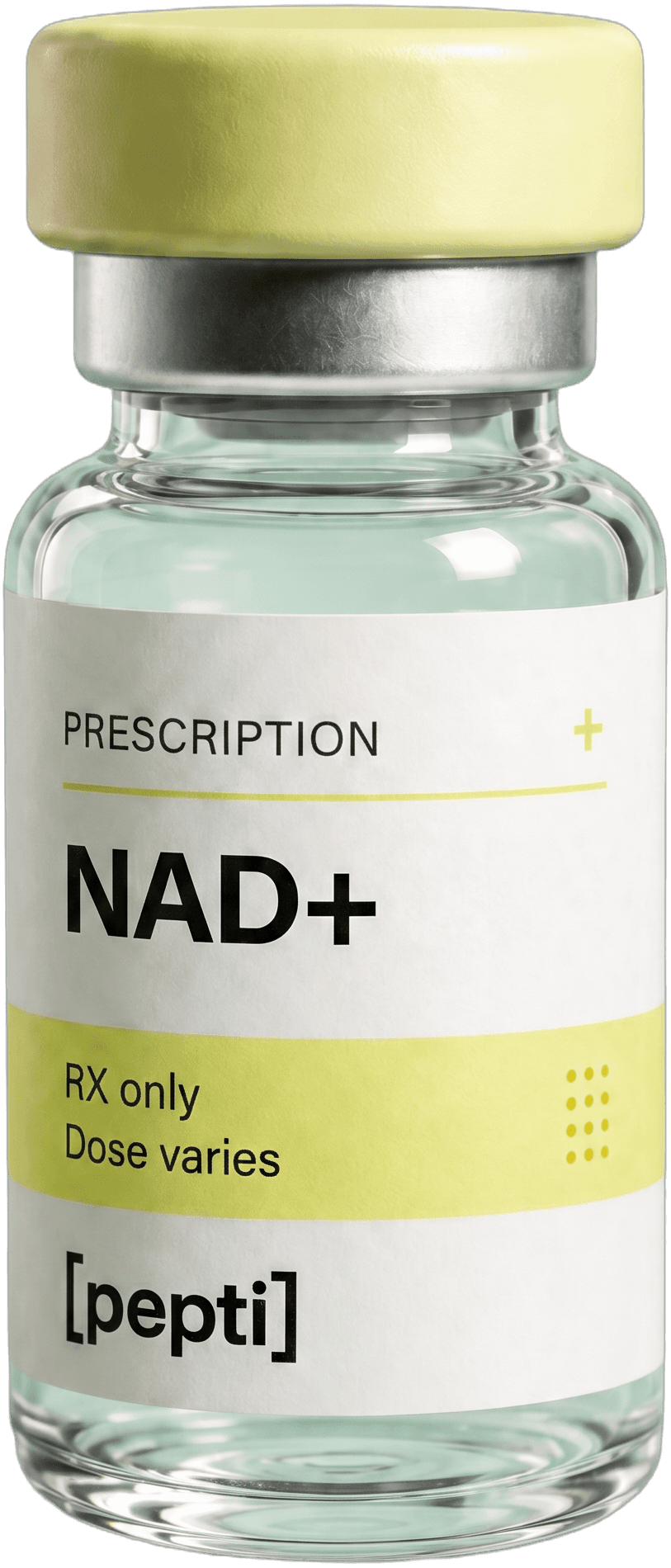
- Ensure therapies like Gonadorelin, Semaglutide, or NAD+ Injection are tailored for safety and results
Pepti offers both at-home fingerstick kits and in-lab options with comprehensive panels, so you can get actionable insights—no guesswork required. See our full breakdown of biomarkers we test.
Hormones: The Power Brokers of Your Blood Test
Your hormones set the tone for energy, mood, fertility, sleep, body composition, and more. Here are the key players often checked:
- Testosterone, Estrogen, Progesterone: Crucial for reproductive health, muscle mass, libido, and mood—regardless of gender.
- LH & FSH: Signal your brain’s communication with your reproductive organs; important for understanding fertility and feedback loops.
- Thyroid hormones (TSH, Free T4, Free T3): Control metabolism and energy. Even subtle shifts can have big effects on how you feel.
- Cortisol: Your main stress hormone. Both high and low levels can disrupt sleep, focus, and weight.
- Insulin & Glucose: Central to metabolic health and blood sugar control.
Why it matters:
- Imbalances can mean poor energy, mood swings, stubborn body fat, or difficulty gaining muscle.
- For therapies like Gonadorelin—used for hormone support and fertility—measuring LH, FSH, and sex hormones shows if your protocol is working and safe.
- Tracking changes over time helps you and your provider adjust your plan for optimal results.
Metabolic Health: The Early Warning System
A standard panel looks at markers like:
- Fasting insulin & glucose: Reveal early insulin resistance (years before diabetes symptoms)
- Hemoglobin A1c: Your 3-month blood sugar average
- Lipid panel: LDL, HDL, triglycerides for heart and metabolic risk
- Liver & kidney markers: Ensure safe processing of meds and supplements
If you’re considering peptides for weight management (like Semaglutide or Tirzepatide), these numbers are essential both for eligibility and for tracking progress. Baseline readings let you see how interventions affect real markers—not just the number on the scale.
Nutrient Status: Fuel for Every Cell
Even healthy eaters can have subtle deficiencies. Blood tests often check:
- Vitamin B12 & Folate: Needed for energy, mood, and nerve health
- Vitamin D: Key for bone health, immunity, and hormone production
- Iron & Ferritin: Low levels mean less oxygen delivery and can mimic fatigue, depression, or poor recovery
- Magnesium & Zinc: Support metabolism, immunity, and cellular repair
Nutrient status impacts everything from how well peptide therapies work to how you recover, age, and feel day-to-day.
Baseline + Follow-Up: The Secret to Safe, Effective Therapy
To get the most from peptide or hormone therapy, you need more than a single snapshot. Here’s why both baseline and follow-up bloodwork matter:
- Safety: Early labs catch issues before symptoms appear
- Personalization: Dosing and selection are tailored to your unique biology
- Progress Tracking: See your improvements in black and white over time
- Prevention: Address trends before they become problems
Pepti includes a free standard panel if your doctor requires it, and offers easy blood testing options so you can take control of your health journey.
Peptide Spotlight: Gonadorelin for Hormone Support & Fertility
Gonadorelin is a physician-prescribed peptide used to stimulate LH and FSH production—hormones that signal your body to produce more testosterone and estrogen naturally. This is especially relevant for those facing fertility challenges or low hormone symptoms without wanting traditional hormone replacement. But here’s the kicker: You have to track your hormone levels with blood tests to make sure it’s working (and safe).
What you can track with Gonadorelin therapy:
- LH & FSH response within weeks
- Testosterone or estrogen changes
- Downstream impact on mood, libido, and body composition
Never start or adjust therapy blindly—repeat bloodwork lets you and your provider optimize your protocol and avoid unwanted side effects.
Your Next Step: Making Sense of Your Results
- Don’t panic over a single out-of-range value—trends matter more than one-off numbers.
- Discuss your results with a knowledgeable provider (Pepti connects you directly to telehealth hormone & peptide experts).
- Use biomarker insights to set goals: more energy, balanced mood, improved fertility, or sustainable weight loss.
Frequently asked questions
How often should I repeat blood testing during peptide or hormone therapy?
Most providers recommend baseline labs, then repeat testing every 3–6 months while on therapy, or sooner if you notice new symptoms. More frequent checks may be needed when starting or adjusting doses.
Can I get accurate blood test results with an at-home fingerstick kit?
Yes—our validated at-home kits are designed for accurate measurement of key hormones, metabolic, thyroid, and nutrient markers. Some specialized tests may require a full in-lab draw, but most routine monitoring can be done at home for convenience.
Which Pepti peptides require bloodwork for safe use?
Any peptide impacting hormones, metabolism, or organ function—such as Gonadorelin, Semaglutide, or NAD+ Injection—should be monitored with regular bloodwork to ensure safety and guide dosing.
Ready to see what your blood reveals? Take our free assessment at pepti.co/assessment to start your personalized hormone and peptide journey.