Understanding Blood Test Results for Optimal Health
Whether you’re managing weight, boosting energy, or seeking hormone balance, your blood test results can provide crucial insights into your health. By examining key biomarkers, you can fine-tune your health strategies and optimize your wellbeing. In this post, we’ll explore what your blood test can reveal about hormones, metabolic health, and nutrient status.
Hormones: The Body's Chemical Messengers
Hormones play a pivotal role in regulating almost every biological process in the body. Here are some key hormones commonly evaluated in blood tests:
- Testosterone: Critical for muscle mass, energy, and libido. Low levels can cause fatigue and decreased motivation.
- Estrogen and Progesterone: Essential for reproductive health and mood regulation, particularly in women.
- Thyroid Hormones (T3, T4): These regulate metabolism and energy levels. An imbalance can lead to weight fluctuations and fatigue.
Testosterone therapy, such as Testosterone Cypionate or its topical alternative, can be important for those diagnosed with low testosterone. Monitoring these levels through regular blood tests ensures that you are receiving the correct dosage and not experiencing adverse effects.
Metabolic Health: The Foundation of Wellbeing
Blood tests also provide valuable insight into your metabolic health. Markers to watch include:
- Glucose Levels: Elevated glucose can indicate insulin resistance or prediabetes.
- Lipid Profile: Measures cholesterol and triglycerides, crucial for heart health.
- Inflammatory Markers: Such as C-reactive protein (CRP), revealing underlying inflammation.
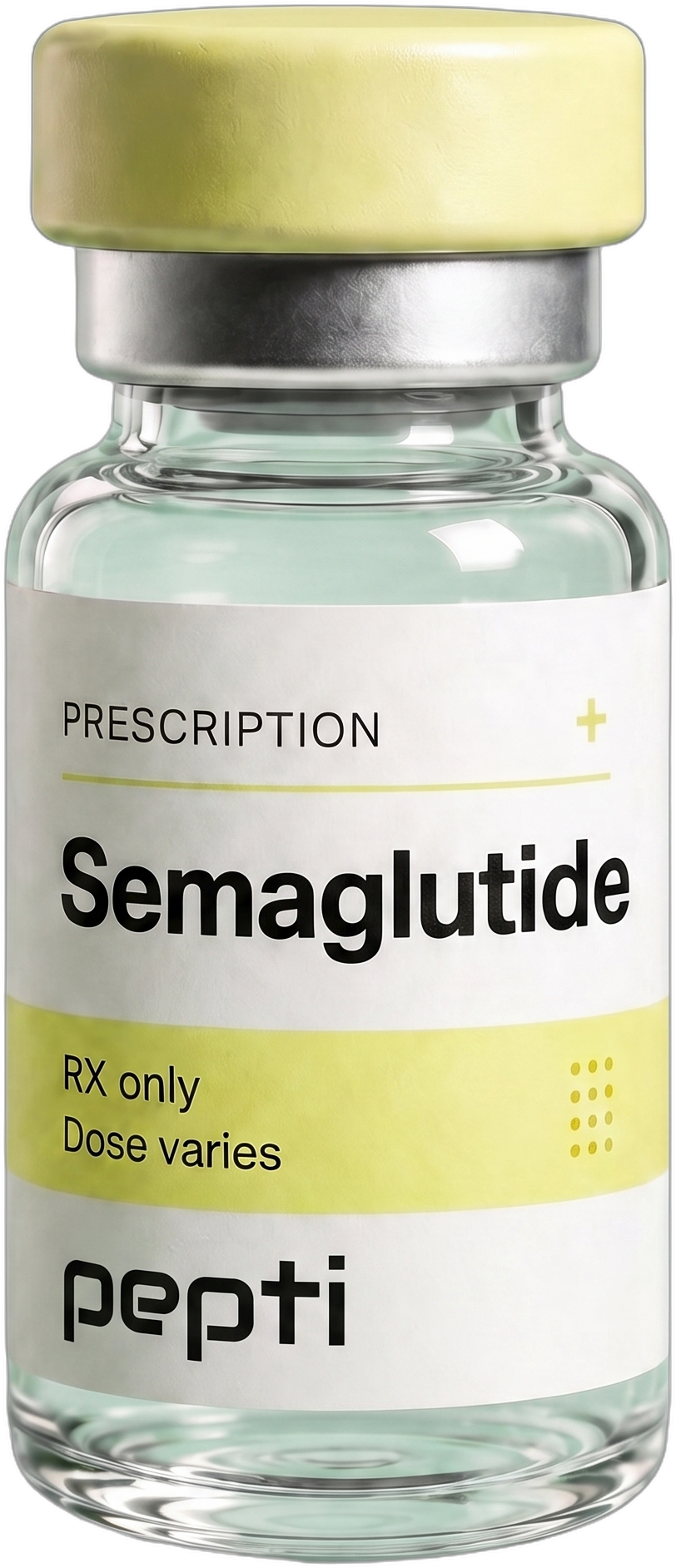
For individuals struggling with weight management, peptides like Semaglutide are often prescribed to assist in achieving a healthy body weight while managing metabolic issues. Blood tests can help track your progress and any potential side effects.
Nutrient Status: Vital for Optimal Function
A comprehensive blood test will often include a panel that evaluates the levels of essential nutrients and minerals, such as:
- Vitamin D: Crucial for bone health and immune function.
- Iron: Important for oxygen transport and energy levels.
- Magnesium: Plays a role in muscle and nerve function, blood glucose control, and blood pressure regulation.
- Trace Minerals: Such as zinc, selenium, and manganese are vital for various metabolic processes.
At [pepti], we also recommend Lipoic Acid + Mineral Complex as it offers a blend of antioxidants and trace minerals to support overall metabolic health. Regular monitoring through blood tests ensures that your nutrient levels remain optimal and that you can make necessary adjustments to your diet or supplementation.
The Importance of Baseline and Follow-Up Testing
Establishing a baseline through initial blood work helps you and your healthcare provider understand your starting point. Following up with regular testing allows for monitoring changes, assessing the effectiveness of any therapies, and adjusting as necessary. For safe and effective peptide therapy and hormone optimization, consistent blood testing is critical. You may explore more about our comprehensive blood testing options and the biomarkers we test.
Frequently Asked Questions
How often should I get my hormones checked?
Typically, it’s recommended to check hormone levels every 6-12 months, especially if you are undergoing hormone therapy. Regular testing ensures that your levels remain balanced and helps to avoid any potential complications.
What should I do if my blood test shows imbalances?
If your blood test reveals imbalances, it’s essential to consult with your healthcare provider. They can help you interpret your results and develop a personalized plan, which may include lifestyle changes, dietary adjustments, or hormone therapy.
Can I take supplements without testing?
While many people take supplements without testing, it's not advisable. Blood tests help identify deficiencies so you can target your supplementation effectively, avoiding unnecessary or excessive intake of nutrients.
Ready to understand your health better? Take our free assessment at pepti to see how we can help you achieve your wellness goals.

