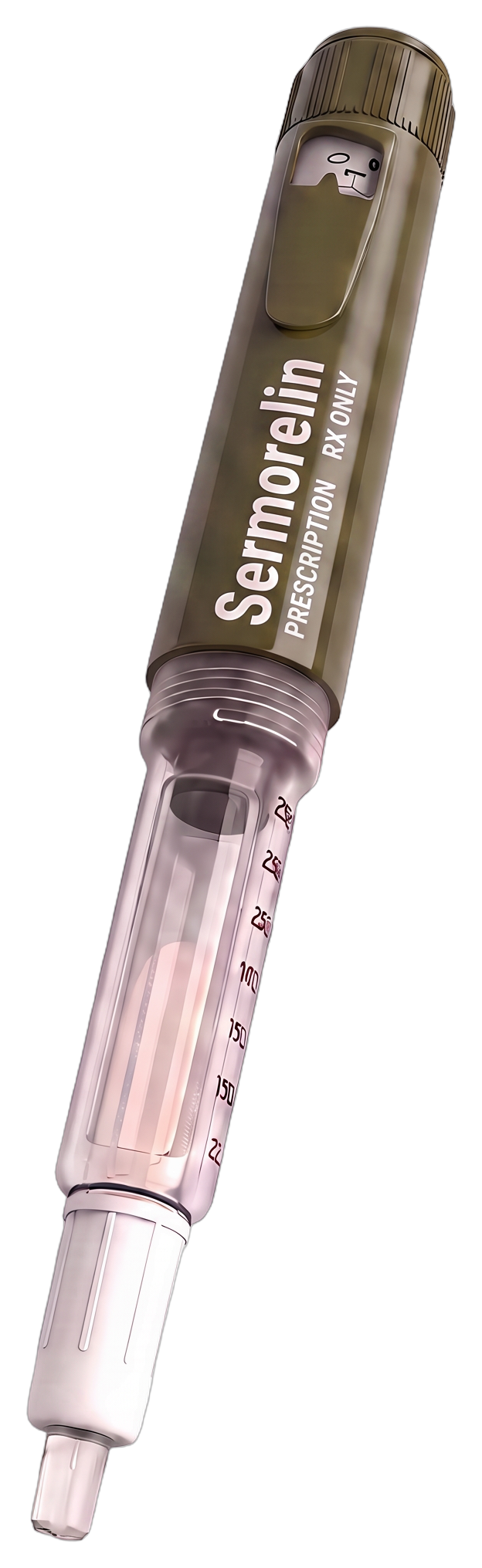
When it comes to optimizing peptide therapy—like starting Sermorelin for natural growth hormone (GH) support—the question "at-home vs in-lab blood testing" is key. Which method suits your needs, how do they compare, and why do baseline and follow-up labs matter so much for safe, effective results? Here’s what you need to know, the pros and cons of each approach, and how Pepti’s physician-reviewed blood testing platform makes it simple to test, treat, and track.
Key takeaways
- "at-home vs in-lab blood testing": At-home kits offer privacy and convenience, while in-lab draws deliver speed and high-complexity testing options.
- Baseline labs are essential: Before starting peptide or hormone therapy, a thorough baseline panel helps personalize your protocol and spot underlying issues.
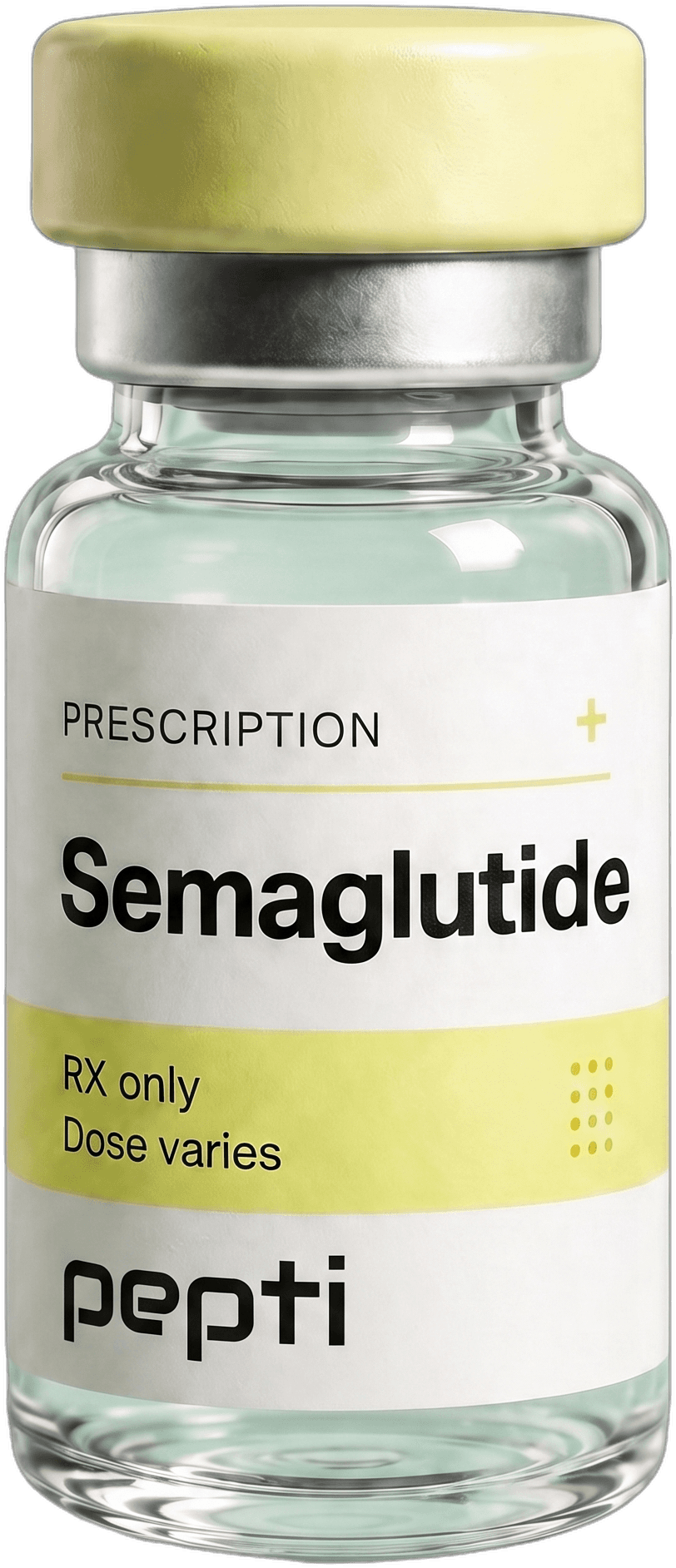
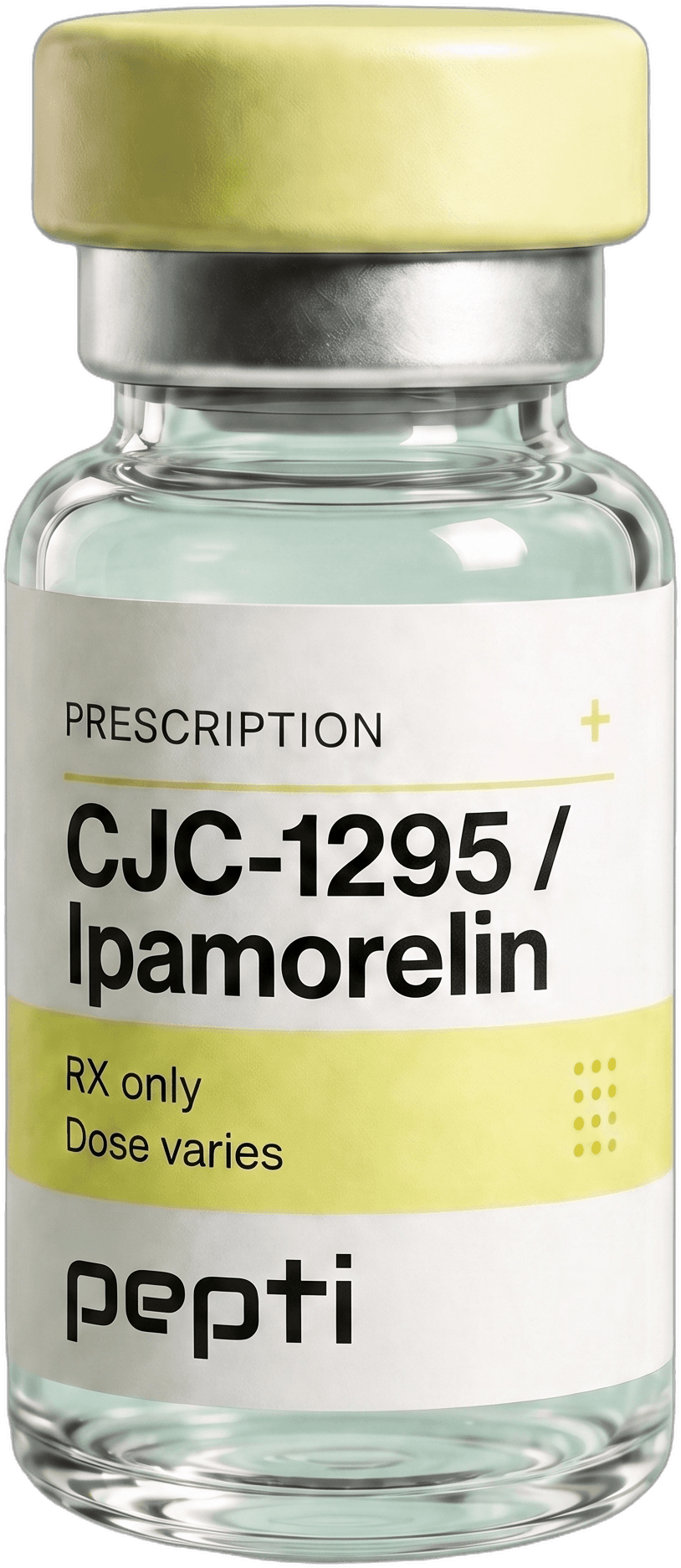
- Follow-up testing tracks progress: Repeat labs are vital for monitoring safety, measuring real change, and adjusting treatments like CJC-1295 / Ipamorelin or Semaglutide.
- Pepti integrates testing, treatment, and tracking: Through blood testing, the Daily Pack and Pepti One, your data fuels truly personalized care.
What’s the difference between at-home and in-lab blood testing?
At-home blood testing uses a mailed collection kit. You collect a small blood sample (usually via finger prick or sometimes a dried blood spot), then mail it to the lab in a prepaid envelope. In-lab testing uses a traditional blood draw at a certified lab location, where a technician collects a larger volume from your vein. Here’s how they differ:
| Feature | At-Home Kits | In-Lab Draws |
|---|---|---|
| Sample collection | Finger-prick/self | Venipuncture by tech |
| Sample volume | Small (micro-sample) | Full tube (multi-test) |
| Testing scope | Basic panels | Full & specialty labs |
| Convenience | Home, anytime | Travel, appointment |
| Turnaround time | 3-7 days | 1-3 days (most labs) |
| Insurance | Rarely applies | Sometimes accepted |
At-home kits are best for:
- People who want privacy, dislike needles, or live far from a lab
- Routine hormone or metabolic monitoring
- Initial screening or follow-ups when only a few markers are needed
In-lab draws are best for:
- Comprehensive panels (e.g., full hormone, thyroid, cholesterol, nutrient, and inflammatory markers at once)
- Anyone with complex medical needs or conditions affecting blood cells
- Quick turnaround or urgent results
Pepti offers both options, so you—and your doctor—can pick what fits your protocol, location, and comfort.
Why do baseline and follow-up blood tests matter for peptide therapy?
No legitimate peptide or hormone program should skip pre-treatment bloodwork. Why?
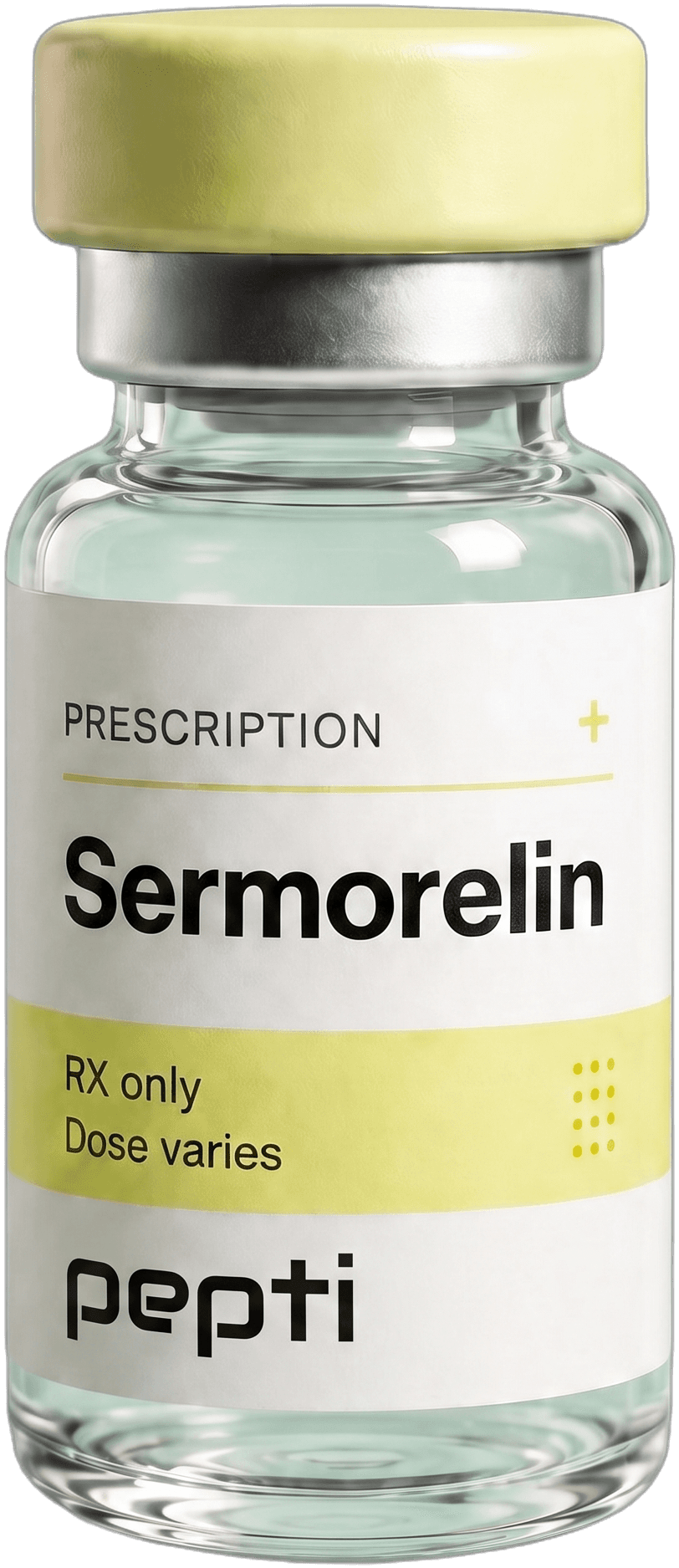
- Personalization: Baseline labs reveal your starting hormone, metabolic, thyroid, and nutrient status. For Sermorelin, this means knowing your IGF-1, fasting glucose, and other key biomarkers.
- Safety: Some peptides, like Tesamorelin, shift lab values—catching trends early prevents unwanted effects.
- Tracking progress: Repeated labs show whether interventions like CJC-1295 / Ipamorelin or Semaglutide are working for you, not just in theory.
- Closing the loop: Test, treat, track—in Pepti’s system, your bloodwork, supplement Daily Pack and Pepti One all sync, giving a true 360° view of your health and recovery.
See biomarkers we test for specific markers included in Pepti's panels.
How does the at-home blood collection process work?
- Order your kit: After your Pepti consult, a doctor orders your kit if labs are required (often included with your program).
- Receive and collect: Your kit arrives by mail. Instructions guide you through a finger-prick or dried blood spot collection.
- Mail your sample: Use the prepaid envelope to send your sample directly to the lab.
- Results and review: Most results return in 3-7 business days. Your Pepti doctor reviews them and refines your protocol.
- Re-testing: For therapies like Sermorelin, expect follow-up labs at regular intervals (e.g., every 3-6 months) to monitor IGF-1, metabolic markers, and more.
Tips for best results:
- Collect first thing in the morning, fasted if possible.
- Drink water to ensure good blood flow.
- Follow instructions for drying, sealing, and mailing.
How does in-lab blood testing work—and when is it better?
- Doctor orders labs: Pepti provides your lab requisition form.
- Book your appointment: Schedule a blood draw at a convenient certified lab center.
- Lab visit: A technician draws blood from your vein (usually takes 10 minutes or less).
- Results and review: Expect results in 1-3 days for standard panels, longer for specialty tests. Your physician reviews and discusses findings.
- Repeat as needed: In-lab draws are ideal for more detailed or frequent monitoring.
In-lab testing is often recommended:
- For the most comprehensive panels (all major biomarkers at once)
- If your protocol changes or you have a history of complex health issues
- For insurance coverage or employer-paid screenings
Choosing between at-home and in-lab testing: key considerations
- Convenience: At-home is unbeatable for privacy, but in-lab is sometimes faster and always more versatile.
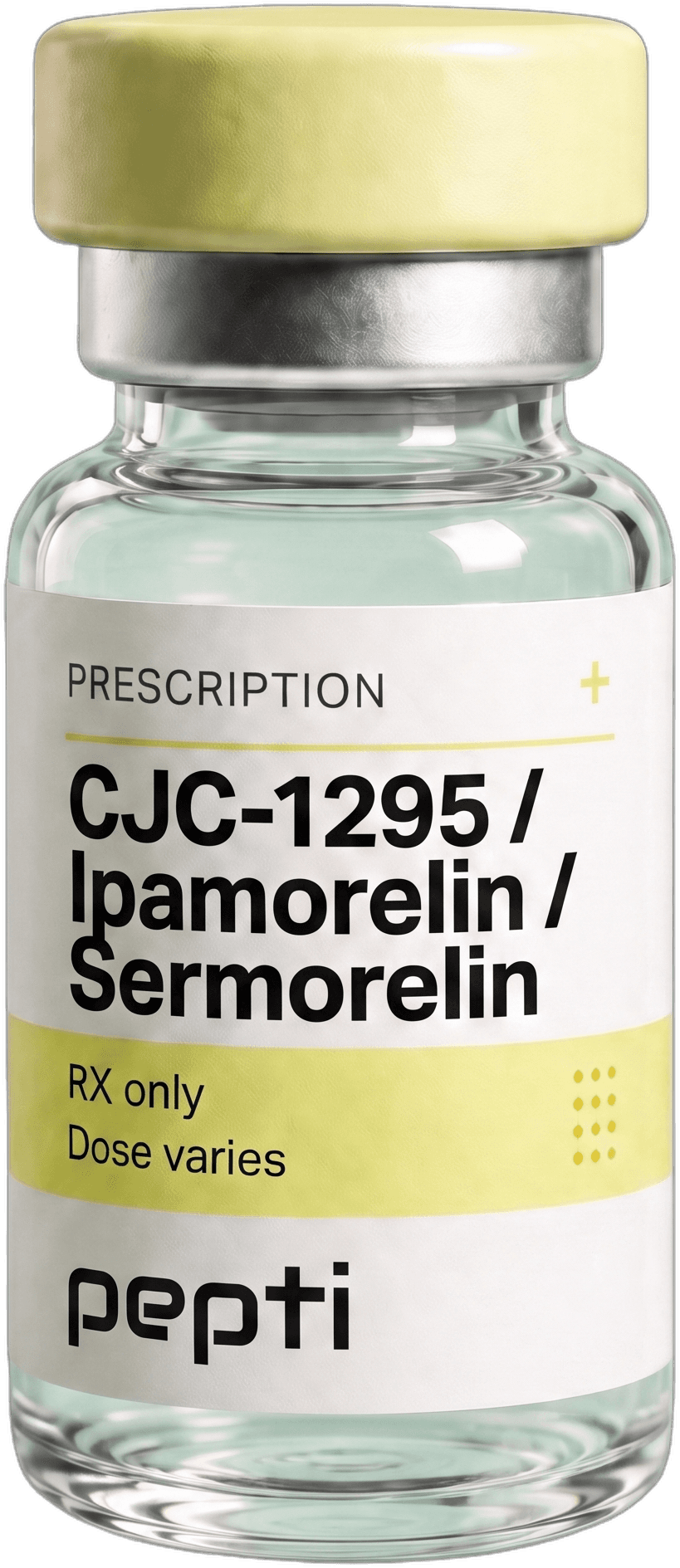
- Depth of analysis: In-lab panels can measure more markers in a single sample—important if starting combination therapies like CJC-1295 / Ipamorelin / Sermorelin.
- Doctor’s advice: Always follow your prescriber's guidance, especially if your medical history is complex.
- Cost and access: At-home kits are often included with Pepti protocols; check for out-of-pocket costs elsewhere.
Whichever you choose, don’t skip bloodwork. Your health, safety, and the real-world success of peptide therapy depend on accurate, timely lab data.
How Pepti “closes the loop” with lab-driven care
Pepti’s unique digital platform ties together:
- Blood testing (at-home or in-lab)
- Treatment precision (peptides, hormones, and the Daily Pack built around your lab results)
- Pepti One devices (sleep, HRV, and heart-rate tracking to monitor recovery)
By combining these, Pepti enables true test-treat-track care—optimizing protocols in real time so you get the best outcomes.
Ready to take control? Start with labs, build your protocol, and monitor your body’s unique response. See our biomarkers for everything Pepti tests.
Frequently asked questions
What’s more accurate: at-home or in-lab blood testing?
For most standard hormone and metabolic markers, at-home kits and in-lab draws provide comparable accuracy when collected properly. In-lab draws are better if you need larger panels or highly specialized tests.
How often should I repeat blood tests on peptide therapy?
Most protocols recommend baseline labs, then follow-up every 3-6 months, or any time your regimen changes. Always ask your prescriber about your individual plan and re-testing schedule.
Is a blood test required before starting Sermorelin or other peptides?
Yes—comprehensive baseline bloodwork is required to check key hormones, metabolic, thyroid, and nutrient markers. This ensures safe, effective, and personalized peptide therapy.
Can I use my own labs or do I need Pepti’s blood testing?
Pepti accepts recent, comprehensive labs (usually less than 6 months old) for most protocols. If your results are missing key markers, a Pepti blood testing kit may be recommended to fill any gaps.
Ready to see if peptide therapy is right for you? Take our free personalized assessment at pepti.com/assessment.
Medically reviewed by Pepti physician team.