At-home blood testing lets you collect essential baseline labs without ever visiting a clinic. Using a physician-reviewed collection kit — like those offered by Pepti — you can check hormones, metabolism, and more from home. These baseline labs are crucial for safe, effective peptide or hormone therapy, letting your doctor personalize care, set realistic goals, and track progress over time.
Key takeaways
- "at-home blood testing" means you collect your sample at home — no in-lab draws required
- Baseline labs are essential for safe, effective peptide and hormone therapies
- Pepti’s at-home panels cover hormones, metabolism, thyroid, and more
- Follow-up labs let you and your doctor track results and adjust treatment
- Products like GLOW rely on real data for best results
What is at-home blood testing and how does it work?
"At-home blood testing" means you use a collection kit — usually a finger-prick device and a special card or tube — to provide a small sample. There’s no need to visit a lab or have blood drawn by a technician. With Pepti, your doctor may order a comprehensive panel focused on the biomarkers that shape your health, including hormone, thyroid, and metabolic markers.
Here’s how the process typically works:
- You receive a collection kit by mail
- Follow clear instructions to collect your blood sample (often just a few drops from a finger prick)
- Seal and return the sample using a prepaid envelope
- A certified lab analyzes your results
- Your physician reviews the labs and builds your protocol
This process is streamlined for privacy, speed, and accuracy. Pepti never requires in-lab blood draws — it’s all done at home.
Why do baseline labs matter for peptide and hormone therapy?
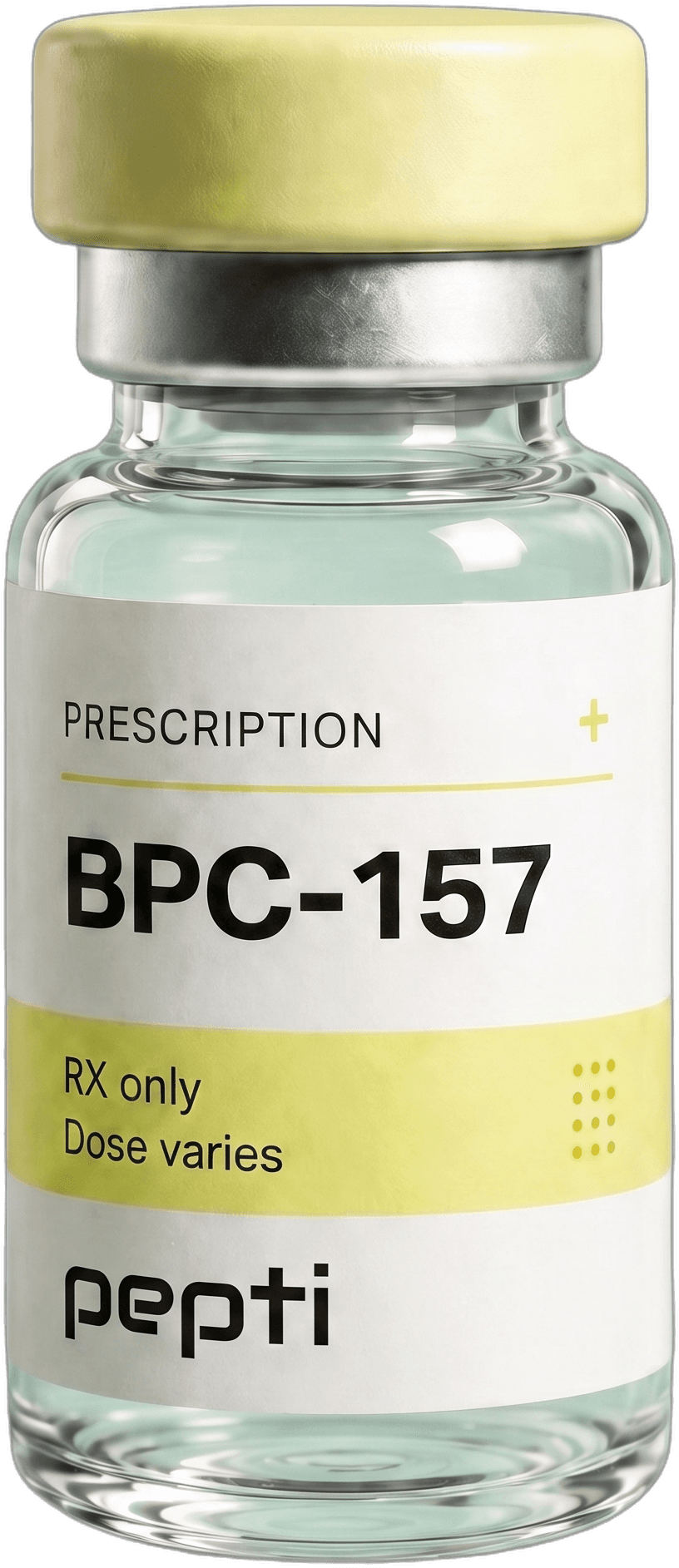
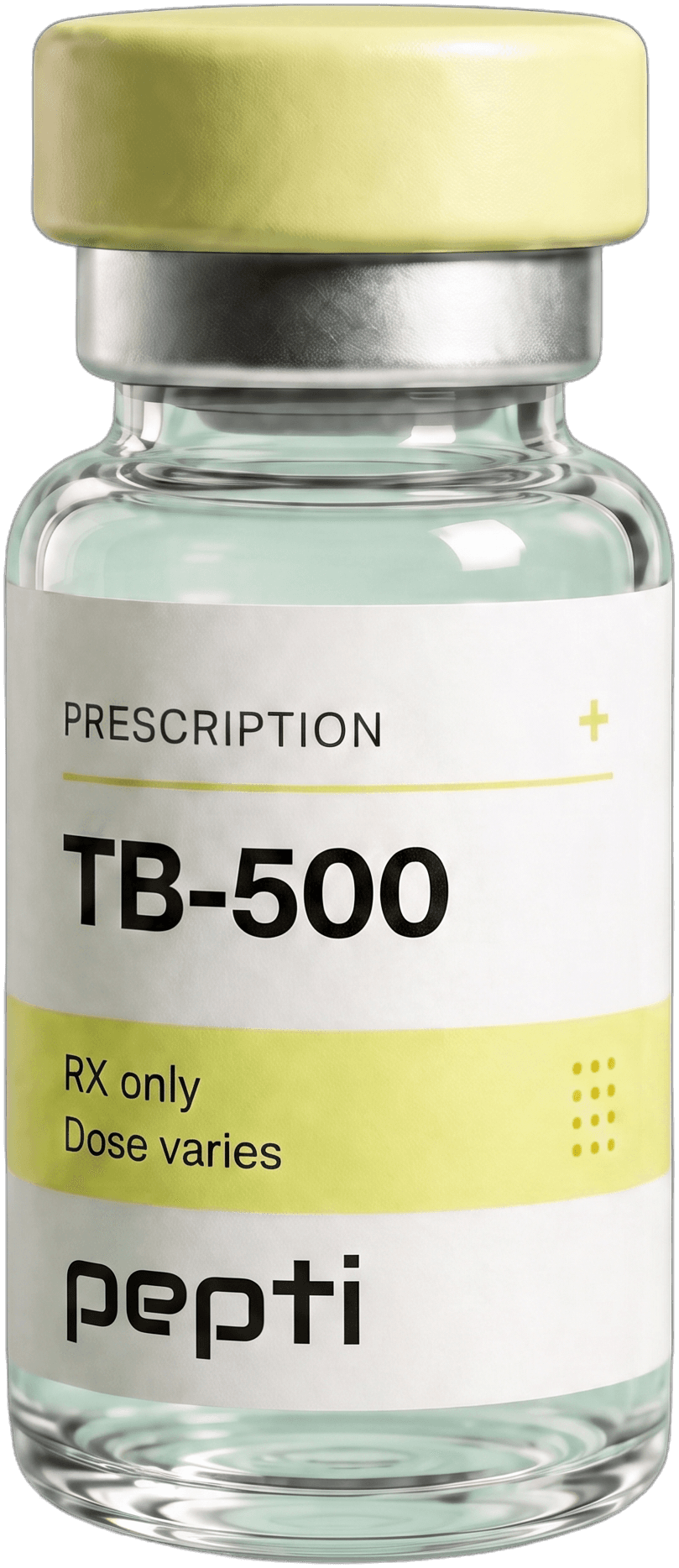
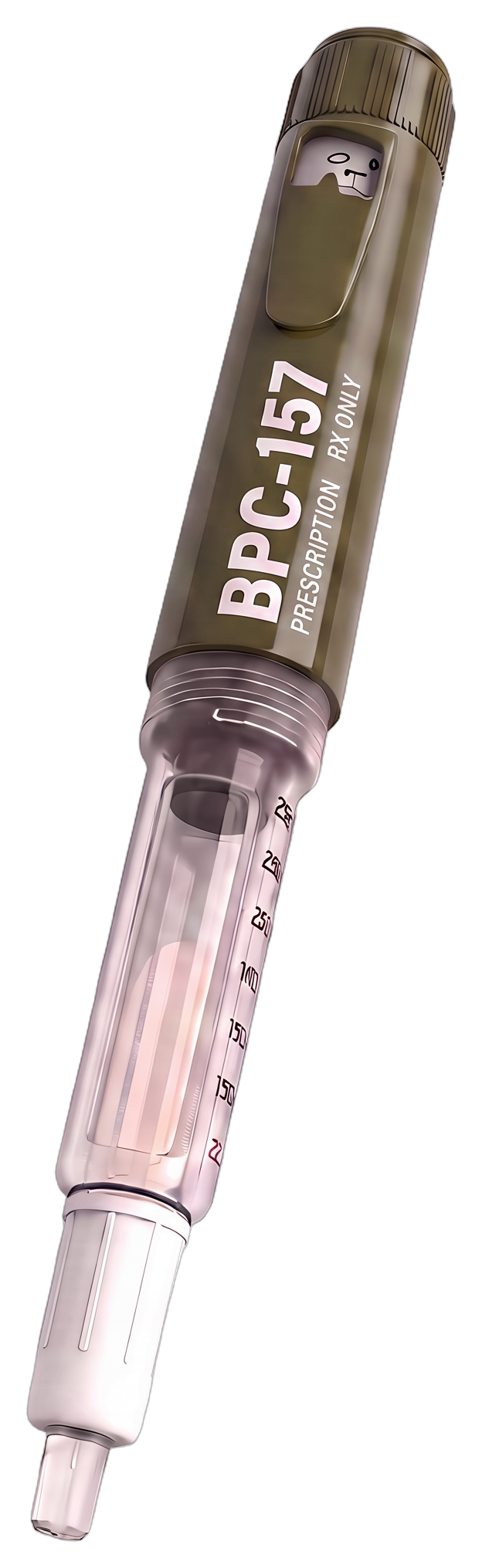
Baseline labs are the foundation of effective, individualized care. When starting a protocol like GLOW (a blend of BPC-157, GHK-Cu, and TB-500 for skin, hair, and recovery), your starting biomarkers help your doctor:
- Assess your unique needs and potential risk factors
- Personalize peptide or supplement dosing for your biology
- Set realistic, measurable goals
- Catch issues early before they become problems
- Track improvements objectively, not just by how you feel
For example, tracking collagen production, inflammation, or nutrient levels helps verify that a peptide protocol is working. If you’re also using the Daily Pack — Pepti’s daily supplement system built on your own bloodwork — those baseline markers power the entire plan.
And because your health evolves, follow-up labs matter just as much as the baseline. Ongoing monitoring lets your care team spot trends, fine-tune your protocol, and catch side effects early.
See the full list of biomarkers we test in every Pepti panel.
Which biomarkers are checked with at-home blood testing?
Most modern at-home blood testing panels — like those from Pepti — are designed to provide a clinically useful snapshot of your:
- Hormone status: Testosterone, estradiol, DHEA, LH, FSH, TSH, and more
- Metabolic markers: Glucose, insulin, HbA1c, cholesterol, triglycerides
- Thyroid health: TSH, free T4, free T3
- Inflammation & nutrient status: CRP, vitamin D, B12, iron, and others
These biomarkers are selected because they’re relevant to both general health and the specific effects of peptides and bioactive therapies.
For example:
- If you’re starting Semaglutide for weight management, knowing your baseline blood sugar and lipids is critical.
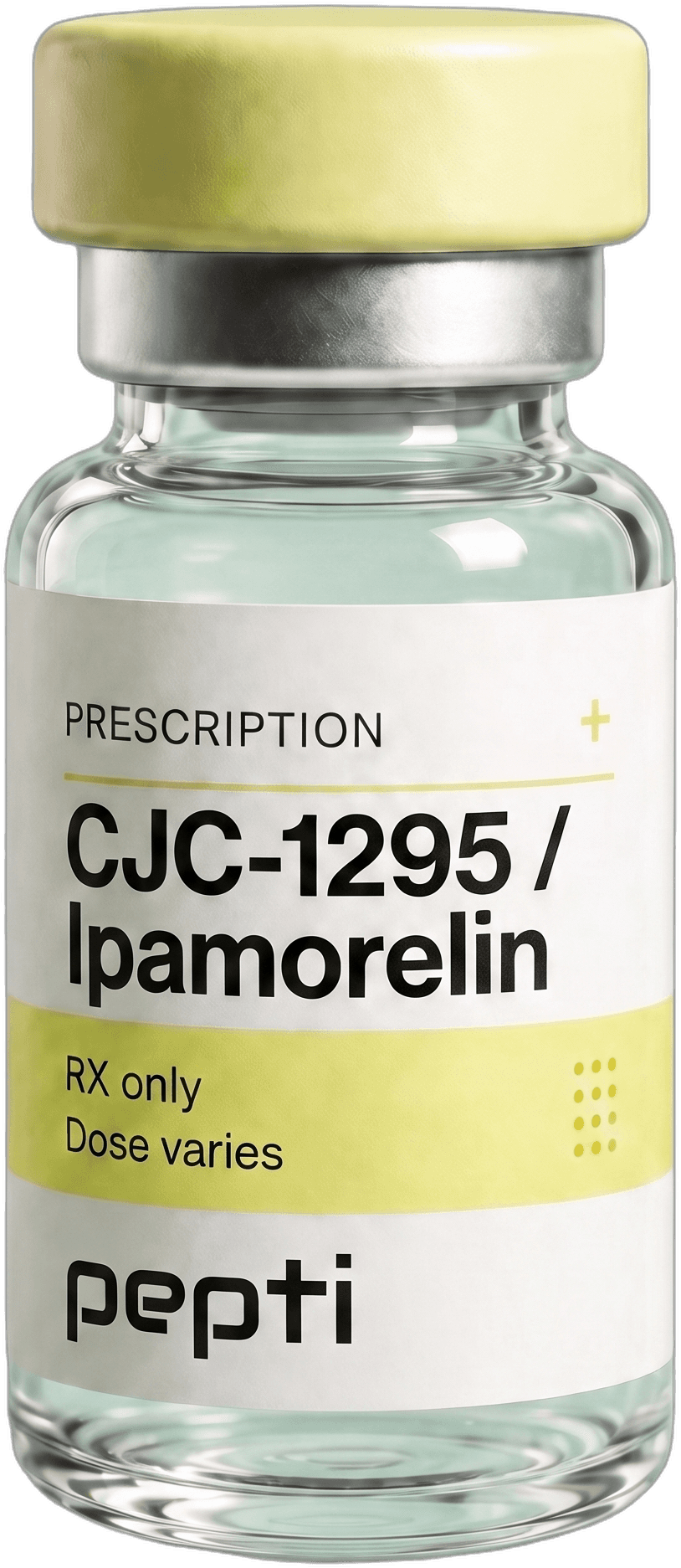
- With CJC-1295 / Ipamorelin or Tesamorelin protocols, baseline IGF-1 and thyroid function help guide dosing and safety.
- For GLOW, monitoring collagen synthesis, iron, and hormones can predict results for skin and hair health.
Your lab results can also highlight nutrient deficiencies, inflammation, or metabolic imbalances — all of which might impact your results or require additional support.
Who should use at-home blood testing?
At-home testing is ideal for anyone starting or adapting peptide, hormone, or supplement protocols. It’s especially valuable if you:
- Prefer the privacy and comfort of home
- Have a busy schedule and want to avoid clinic visits
- Need regular follow-up labs to monitor therapy
- Value the ability to upload recent labs and see all your data in one place
If you haven’t had recent bloodwork, Pepti makes it easy with its $129 at-home panel — which checks all the most relevant markers for starting therapy. Read more about blood testing.
How do baseline labs, supplements, and wearables work together?
Great results happen when you close the loop: test, treat, and track.
- Test: Use at-home kits to assess baseline and follow-up biomarkers
- Treat: Build your protocol with peptides like GLOW, BPC-157, or the Daily Pack
- Track: Monitor your progress and recovery using wearables like Pepti One, which sync sleep, HRV, and heart rate with your treatment plan
This data-driven cycle means your care evolves with you — and that every adjustment is backed by real numbers, not guesswork.
What about safety and sourcing?
It’s important to draw a line between doctor-prescribed peptide therapy and the so-called “gray market” of online or “research” peptide sellers.
- Doctor-prescribed: All medications and blood tests are reviewed by a physician, sourced from licensed U.S. pharmacies, and dosed for your health and labs. You have support and recourse if anything isn’t right.
- Gray-market: No purity or dosing standards, no physician, and no follow-up labs. This can put your health — and your results — at risk.
Always choose physician-guided care and see how gray market vs Pepti compares.
Frequently asked questions
How accurate is at-home blood testing?
Modern at-home kits are highly accurate when used as directed. Certified labs process your sample just as they would for a clinic, and results are physician-reviewed for quality control.
How often should I repeat bloodwork for peptide therapy?
Most protocols recommend baseline labs before you start, then repeat testing every 3-6 months or as your doctor advises. This ensures therapy is personalized and safe.
Can I use recent labs from another provider?
Yes, you can upload valid recent labs to your Pepti account if they include the required biomarkers. Your physician will let you know if any additional tests are needed.
What if I’m needle-averse or have trouble with finger pricks?
At-home kits use small lancets and detailed instructions for easy collection. If you have concerns, Pepti’s support team can help walk you through the process for a smoother experience.
Ready to get started? Take the free Pepti assessment at pepti.com/assessment and see which at-home labs and protocols are best for your goals.
Medically reviewed by Pepti physician.