The Foundation: Why Bloodwork Sets You Up For Success
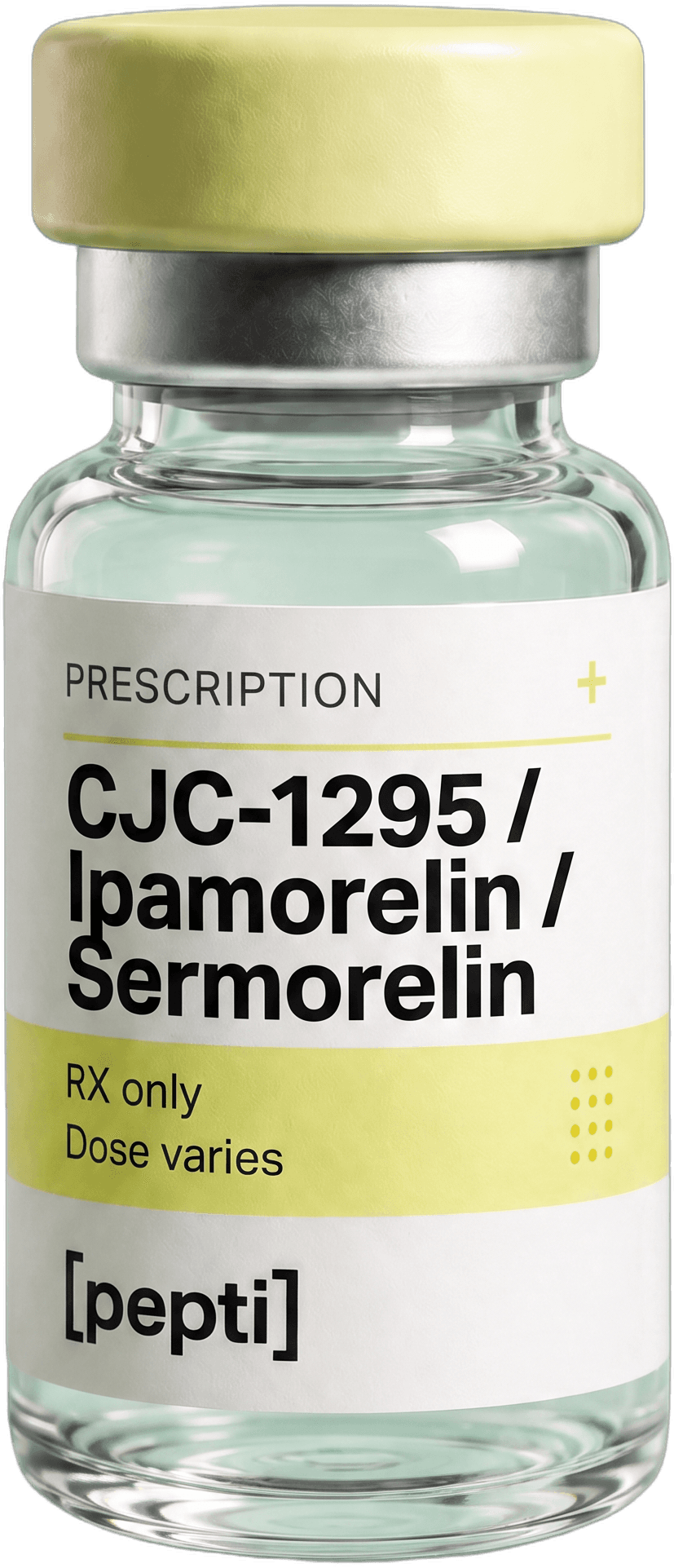
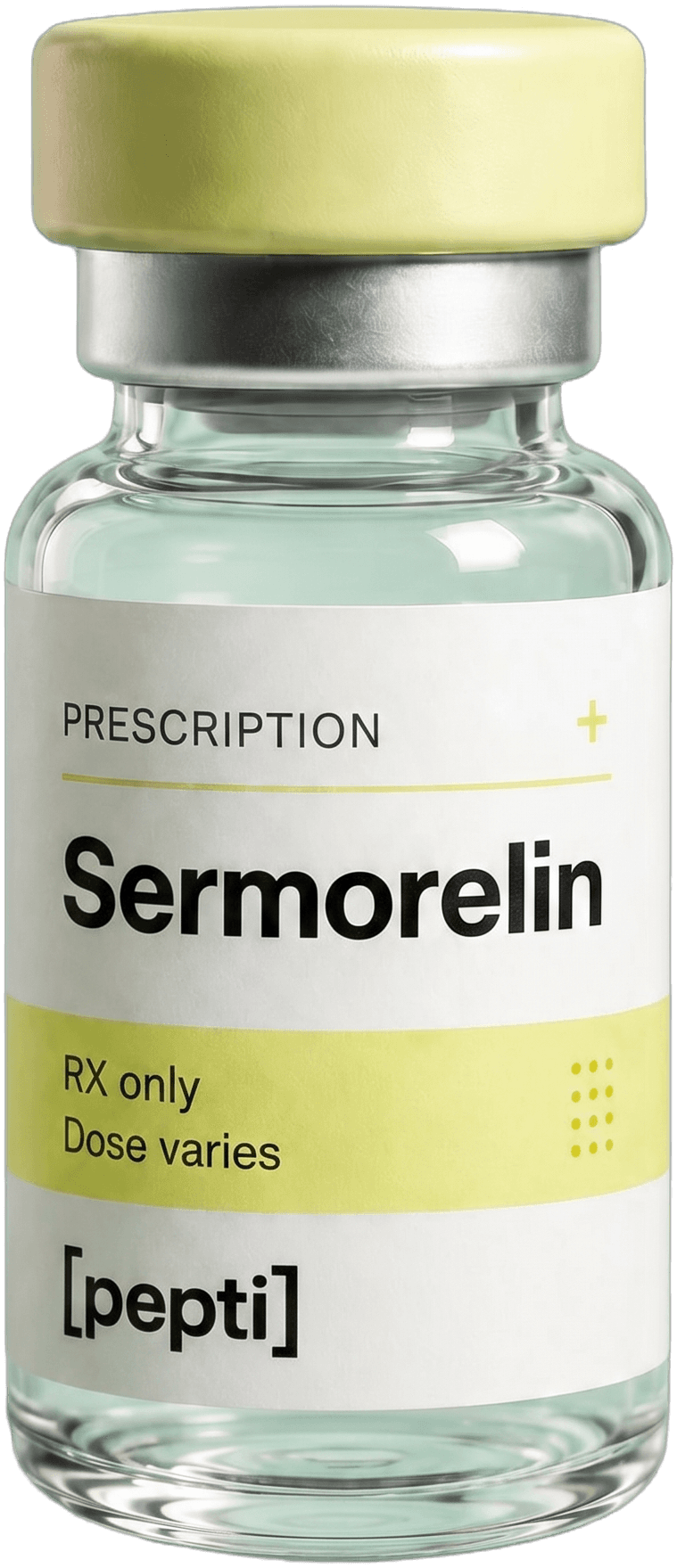
Thinking about starting peptide or hormone therapy? Before diving in with advanced blends like CJC-1295 / Ipamorelin / Sermorelin (Injectable) for growth and recovery, the essential first step is thorough blood testing. Why? Because your bloodwork isn't just a bureaucratic hurdle—it's the data-driven roadmap guiding a safe, personalized, and effective treatment plan.
At [pepti], every therapy journey starts with a physician-reviewed baseline blood panel. This includes key hormone, metabolic, thyroid, and nutrient markers. Whether you use our at-home kit or in-lab draw, a standard panel is included free if your doctor requires it.
What Does Bloodwork Actually Reveal?
Your blood holds a wealth of information that can affect peptide and hormone therapy outcomes. Baseline and follow-up blood tests can help you and your doctor:
- Spot deficiencies or imbalances: Think low growth hormone, thyroid dysfunction, vitamin D deficiency, or abnormal glucose levels.
- Uncover hidden risks: Catch issues like pre-diabetes, anemia, or abnormal liver/kidney function that could affect peptide metabolism or safety.
- Track progress: See exactly how your therapy is working (or if it needs adjustment).
- Stay safe: Identify side effects early and prevent complications.
Curious about which markers we check on [pepti]? See the full list of biomarkers we test.
Why Baseline AND Follow-Up Bloodwork Matter
A single blood test is just a snapshot. What you really want is a movie—"before" and multiple "afters"—so your care team can spot trends, dial in dosages, and catch anything unexpected. For example:
- Starting CJC-1295 / Ipamorelin / Sermorelin: Baseline IGF-1 and growth hormone levels show where you begin. Follow-ups track your body's response over time and help target the sweet spot, avoiding overdosing and side effects.
- Using Semaglutide for weight management: Baseline tests assess blood sugar, cholesterol, and liver markers. Rechecking at intervals ensures the medication is doing its job without unwanted effects.
- Optimizing recovery with blends like BPC-157 + TB-500: Inflammation, nutrient, and metabolic panels reveal changes in healing capacity, cellular status, or need for additional support.
Bottom line: Tracking before, during, and after is what transforms peptide/hormone therapy from guesswork into science.
What Risks Does Bloodwork Help Prevent?
Skipping blood testing isn't just risky—it's unnecessary. Some scenarios where baseline and ongoing labs matter most:
- Hormone-related side effects: Peptides that stimulate growth hormone can, at excess doses, raise blood sugar or affect thyroid levels.
- Underlying health conditions: Undiagnosed liver or kidney issues can interfere with peptide clearance or raise the risk of adverse reactions.
- Nutrient deficiencies: Low vitamin B12 or D, for example, can blunt results or worsen fatigue.
- Drug interactions: Bloodwork can reveal subtle shifts in metabolism that might require medication adjustments.
How Does Pepti Make Blood Testing Easy?
[pepti] takes the hassle out of labs. Choose between convenient at-home collection kits—no need to drive anywhere—or traditional in-lab blood draws. We cover the essentials (and more) with our blood testing, and your doctor helps you interpret the results to fine-tune your therapy.
Key benefits of the pepti approach:
- Comprehensive testing: Hormone, metabolic, thyroid, and micronutrient panels, tailored to your protocol.
- Physician review: Every result is examined by a licensed provider with peptide expertise.
- Actionable plans: Adjustments based on real data—not guesswork.
- Follow-up included: Most regimens recommend retesting every 2-3 months, but your doctor will personalize timing.
Products That Especially Benefit from Bloodwork
While all protocols are safer with baseline labs, these stand out:
- CJC-1295 / Ipamorelin / Sermorelin (Injectable): For advanced growth, anti-aging, recovery—bloodwork tracks IGF-1, glucose, and thyroid throughout.
- Semaglutide: For weight management, labs follow metabolic, hepatic, and pancreatic markers.
- BPC-157 + TB-500: For deep tissue healing, chronic inflammation, and recovery—bloodwork checks overall healing status and excludes hidden risks.
- Kisspeptin: Hormonal balance and fertility support—labwork is essential to monitor sex hormone and pituitary function.
The Takeaway: Make Bloodwork Your Superpower
Peptide and hormone therapies are powerful tools for health, performance, and longevity—but only when guided by your unique biology. Bloodwork is the feedback loop that keeps your care safe, your dosing precise, and your results optimized. With [pepti]'s streamlined blood testing and world-class peptide protocols, you're always working from a position of confidence and clarity.
Frequently asked questions
How often do I need bloodwork on peptide therapy?
For most protocols, expect baseline bloodwork before starting, then follow-up testing every 2-3 months—though your doctor may adjust this based on your specific therapy and goals. Consistent monitoring ensures you stay safe and progress is measurable.
What blood tests are included with pepti?
Our standard panel covers hormones (like IGF-1, thyroid), metabolic markers (glucose, liver, kidney), and key nutrients. For details, see our blood testing and explore all biomarkers we test.
Can I use at-home blood collection instead of going to a lab?
Absolutely! [pepti] offers easy at-home blood collection kits for most panels, or you can choose an in-lab draw—whichever fits your schedule. Results are physician-reviewed and seamlessly integrated into your treatment plan.
Ready to optimize your health with data-driven peptide therapy? Take our free assessment at pepti.com/assessment to get started!