Why Bloodwork Matters for Peptide & Hormone Therapy
When it comes to starting peptide or hormone therapy, enthusiasm can run high. But before adding NAD+ Injection or a growth hormone peptide like CJC-1295 / Ipamorelin to your routine, there’s one crucial step you can’t skip: bloodwork. Whether you’re optimizing for energy, weight loss, recovery, or longevity, lab testing isn’t just a formality—it’s the key to safety, efficacy, and a program tailored to your biology.
The Foundation: Baseline Bloodwork
Every body is unique, and so are your biomarkers. Baseline bloodwork helps your Pepti-affiliated doctor:
- Set a personalized starting point
- Detect underlying health issues (thyroid, liver, kidney, etc.)
- Prevent dangerous interactions with current medications or hidden conditions
- Track improvements or side effects as your protocol progresses
Callout: A standard blood panel is included free if your Pepti doctor requires it. Learn more about blood testing and the biomarkers we test.
Why Ongoing Bloodwork is Just as Important
Initial labs are step one. But follow-up bloodwork at regular intervals is what makes physician-monitored peptide therapy truly safe and effective:
- Monitors for side effects: Even well-tolerated therapies can cause changes in blood markers. Ongoing testing catches issues early.
- Optimizes dosing: Your progress may reveal a need to adjust your dose for best results with minimal risk.
- Measures real results: Clinical improvements (like weight loss or better energy) should be mirrored in your bloodwork.
- Ensures long-term safety: Therapy isn’t just about short-term gains—regular labs help defend your future health.
What Biomarkers Are Typically Tracked?
Depending on your therapy, your doctor may order panels that monitor:
- Hormones: Estrogen, progesterone, testosterone, IGF-1, thyroid hormones
- Metabolic Health: Fasting glucose, insulin, A1c, cholesterol
- Liver & Kidney Function: AST, ALT, BUN, creatinine
- Inflammation & Nutrients: CRP, vitamin D, B12, magnesium, zinc
See the full list of biomarkers we test. Pepti offers both at-home collection kits and in-lab draws to make this process simple and accessible.
Real-World Example: NAD+ Injection & Bloodwork
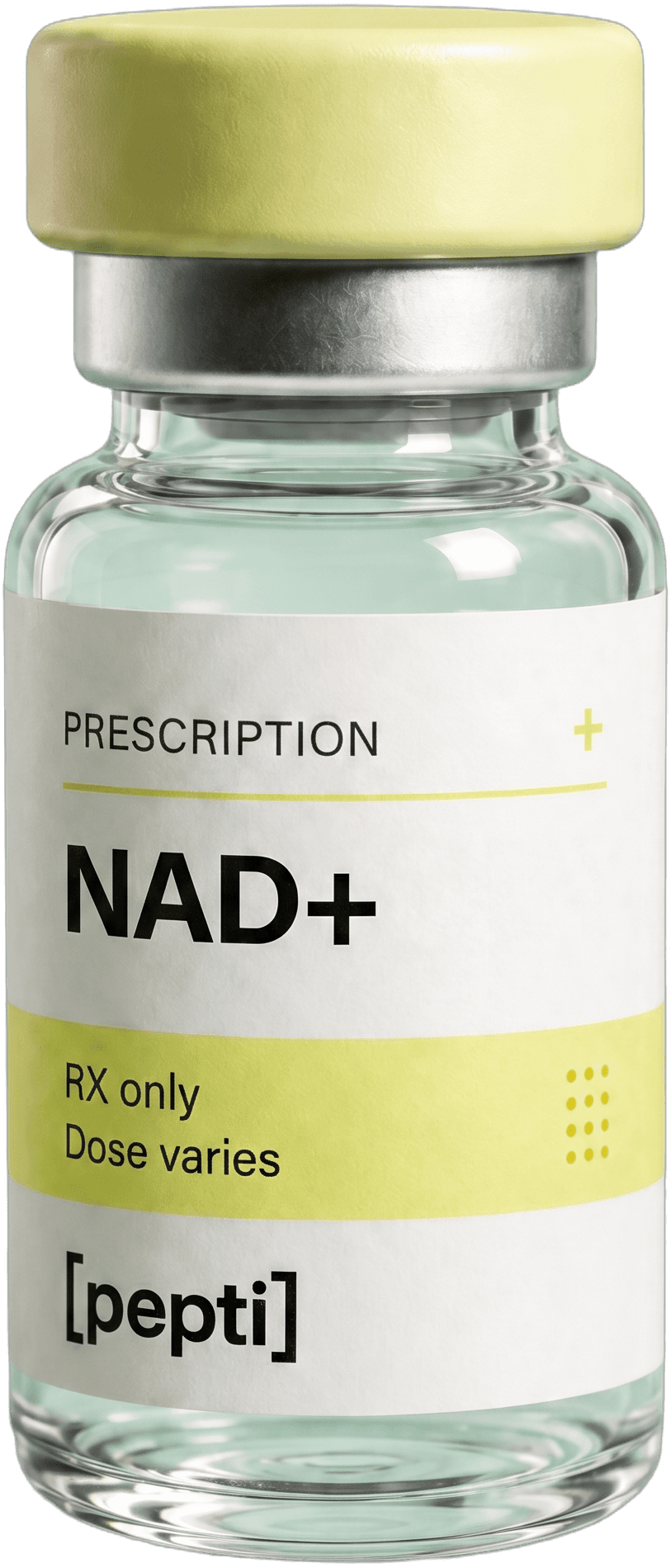
NAD+ Injection has quickly become a core therapy for cellular energy and repair. But as with any potent supplement, it’s essential to approach it with knowledge—not just optimism.
- Baseline labs ensure NAD+ is safe for you if you have underlying metabolic or liver issues.
- Regular follow-up allows your physician to watch for changes in liver enzymes, kidney function, and energy metabolism. This ensures you’re getting benefits—without unintended side effects.
- Personalized tweaks: If you add other therapies like GHK-Cu for skin health or Semaglutide for weight management, follow-up labs keep your entire protocol dialed in.
Bottom line: Bloodwork is how your doctor turns a generic protocol into a custom roadmap for energy and longevity.
Hormone & Peptide Therapy: Don’t Guess—Test
It’s tempting to focus only on how you feel. But symptoms alone don’t tell the full story. For example, women on Bioidentical Progesterone or Estradiol may experience improved mood or sleep—but without lab monitoring, it’s impossible to know if hormone levels are optimal (or drifting too high or low).
Bloodwork is your guide:
- Avoid under- or overdosing
- Track cumulative effects of stacking products
- Get data-driven advice instead of guesswork
How to Get Started with Pepti Blood Testing
Pepti makes the process straightforward:
- Take your free assessment to match with a Pepti-affiliated doctor.
- If bloodwork is required, you’ll get a complimentary standard panel (with either a convenient at-home kit or in-lab draw).
- Review your results together and personalize your protocol.
- Follow up at intervals—your doctor will tell you when and how.
Want to see what’s included? Explore blood testing and our full biomarker list.
Frequently asked questions
How often do I need bloodwork during peptide or hormone therapy?
Your doctor will recommend a schedule based on your protocol, but most therapies require bloodwork at baseline, then every 3-6 months to ensure safety and progress. Some protocols or health histories may require more frequent monitoring.
What if my bloodwork shows something abnormal?
If any results are out of range, your Pepti-affiliated doctor will discuss it with you and may adjust your protocol, pause therapy, or refer you to a specialist for follow-up. That’s the value of medical oversight—you’re never flying blind.
Can I use my own recent labs, or do I need new testing through Pepti?
If you have results from a recent comprehensive blood panel (generally within the last 3-6 months), share them with your Pepti doctor for review. However, specific panels may be needed depending on your therapy goals and safety checks.
Ready to optimize your health with real data? Take your free Pepti assessment to get started!